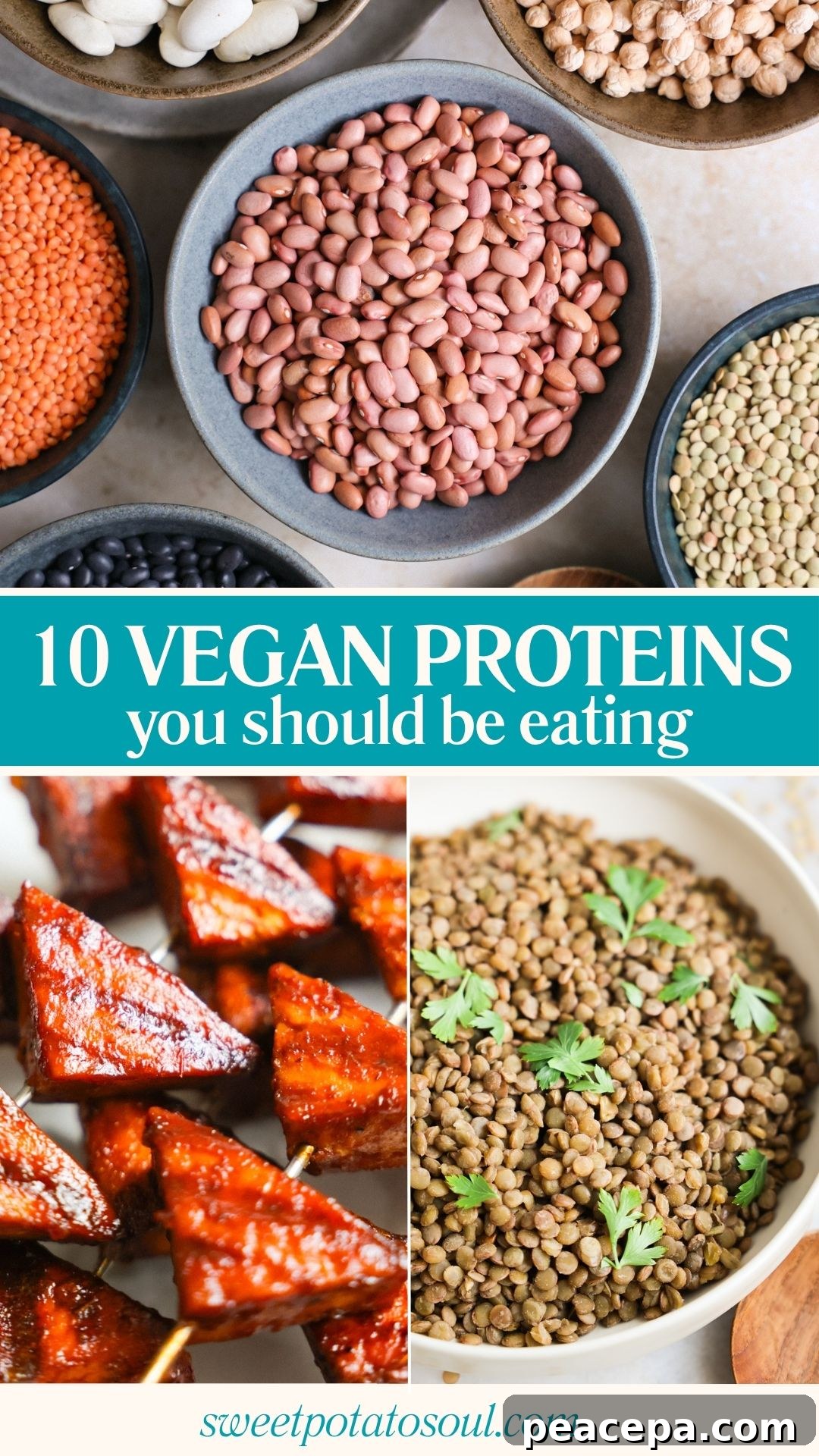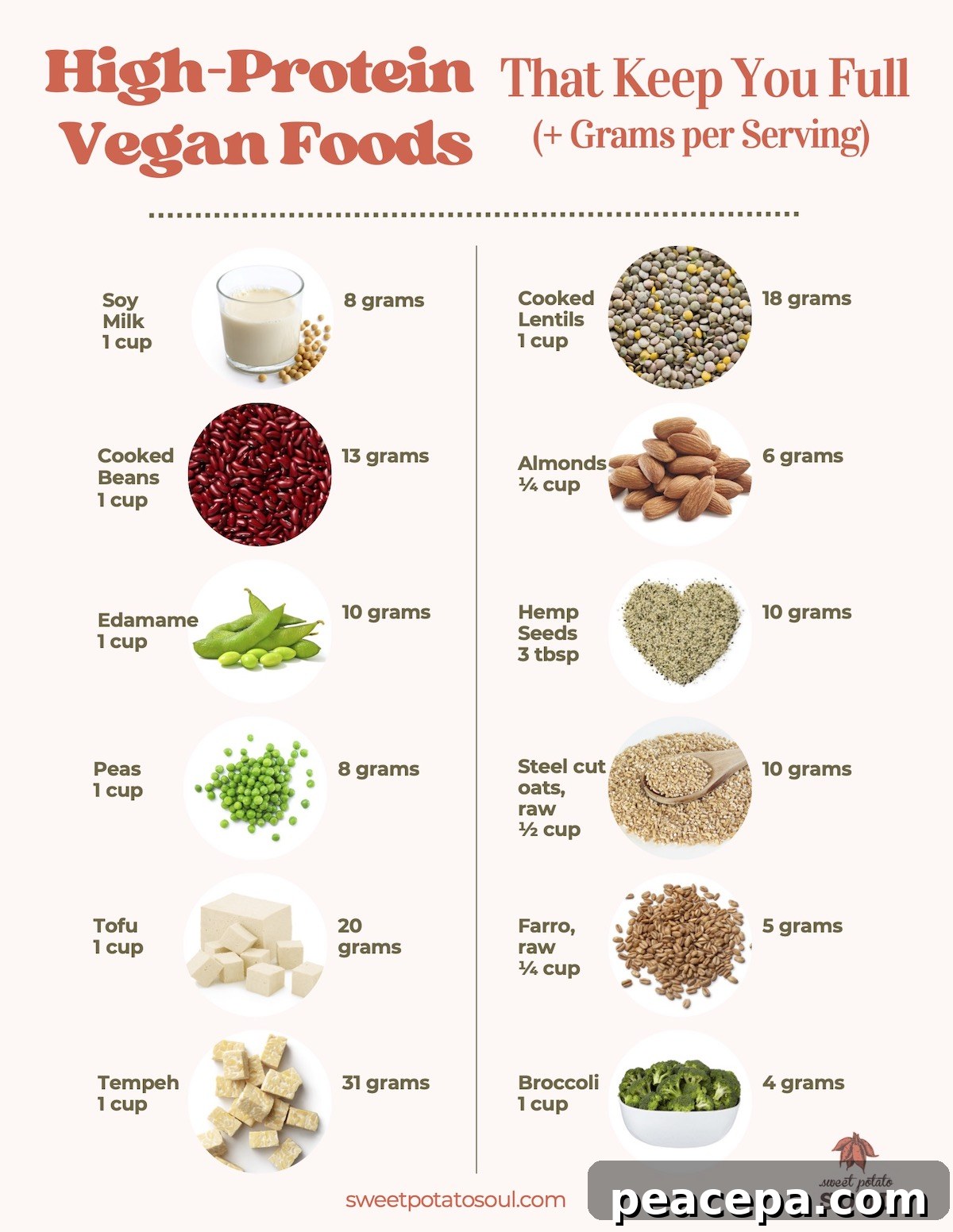
The question many people ask when they consider a vegan diet is, “How do vegans get enough protein?” The answer is simple: plants provide plenty of protein. Whole-food, plant-based diets are rich with protein sources, but getting adequate amounts can take a little planning—especially if your meals rely heavily on refined carbohydrates and ultra-processed foods.
While protein deficiency is rare among vegans, it’s important to prioritize a varied and balanced diet centered on whole foods. Consistently including a range of the plant protein sources below will help you meet daily needs and support muscle maintenance, bone health, and normal hormone and enzyme function. You’ll likely feel more energized and satisfied, too.
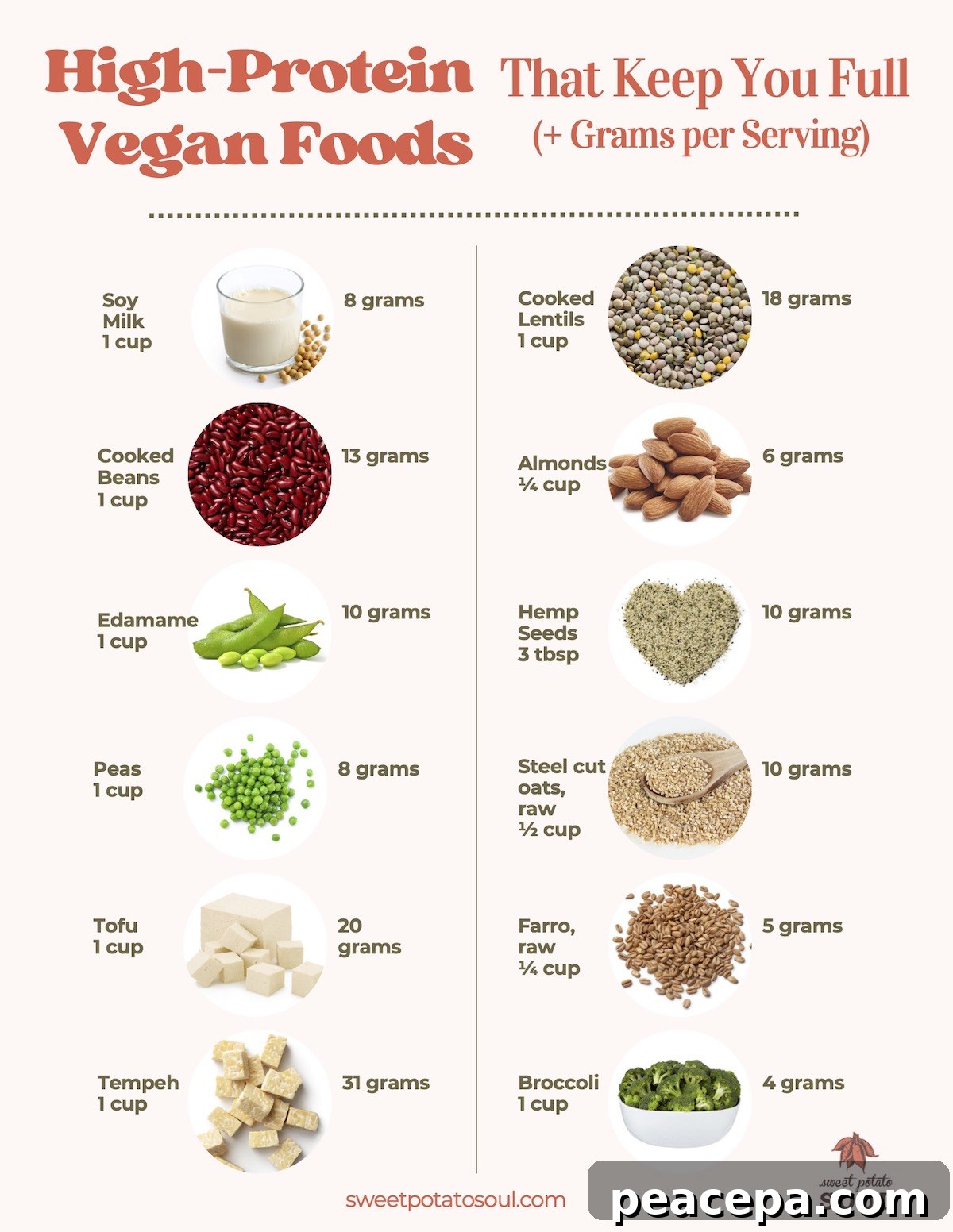
Below are ten dependable plant-based protein categories, with recipe suggestions to help you incorporate them. These lists are not exhaustive, so feel free to explore more recipes on this site using these ingredients.
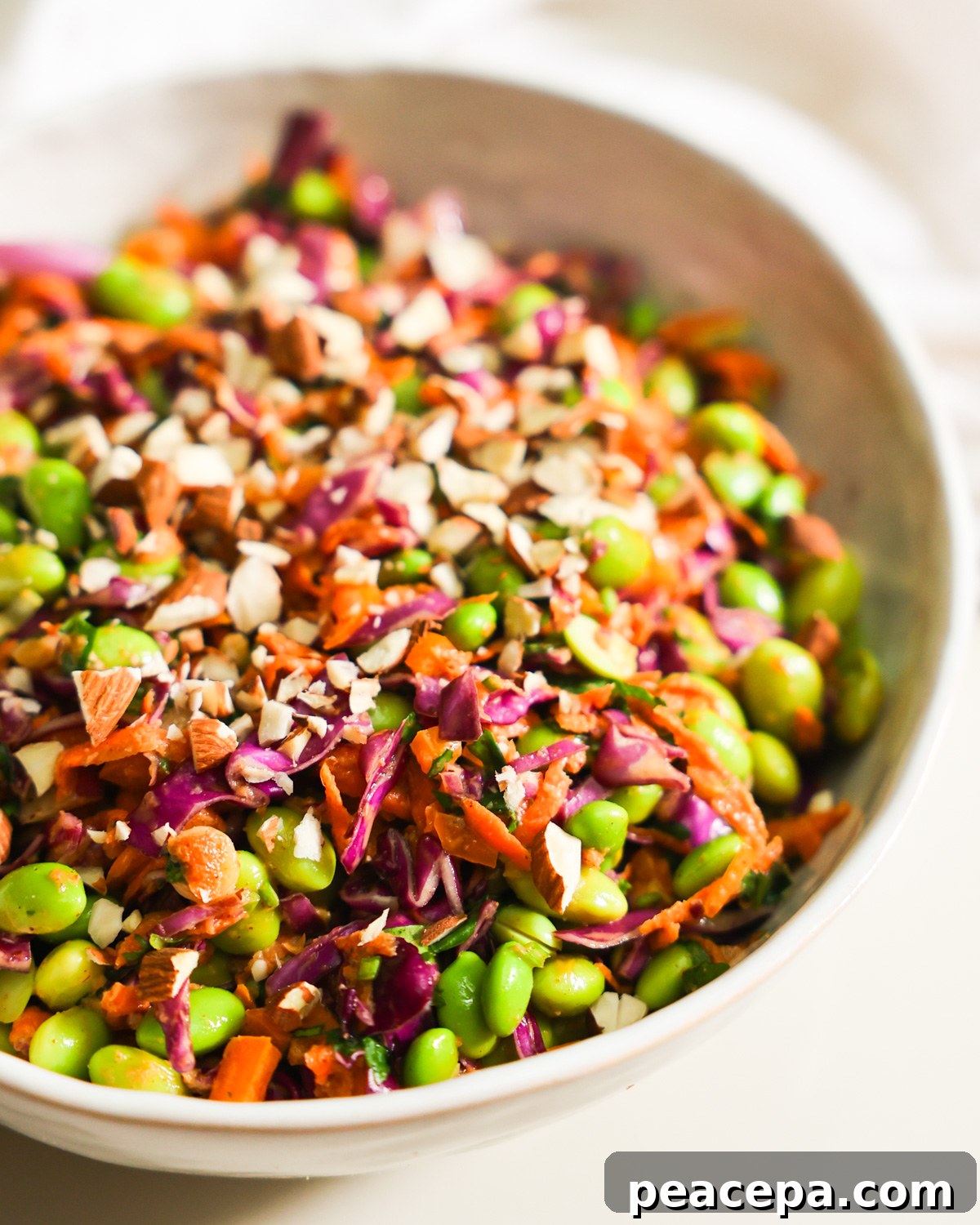
1. Soy
Products like tofu, tempeh, edamame, and soy milk contain roughly 12–20 g of protein per 100 g (3.5 oz). Soy is one of the few complete plant proteins, meaning it provides all nine essential amino acids our bodies need. Tempeh also offers probiotic benefits that support gut health and overall wellbeing.
Soy recipes to try: Edamame Salad, Best Ever Tofu Scramble, Tofu Chik’n Nuggets, Tempeh Tikka Masala, Golden Milk Latte.
2. Beans
Pinto, kidney, black beans, and chickpeas are versatile legumes that offer a good balance of protein, carbohydrates, healthy fats, and fiber—around 15 g of protein per cooked cup. Their fiber content helps regulate blood sugar and supports a healthy gut microbiome, making beans a smart staple in a plant-based diet.
Bean recipes to try: Black Bean Coconut Soup, Sweet Potato Hummus, Tofu Chili, Lemon Rosemary White Beans, Chickpea Tuna Salad, Jamaican Chickpea Curry.
3. Lentils
Lentils are an affordable, protein-packed legume with about 18 g of protein per cooked cup. They’re rich in prebiotic fiber that feeds beneficial gut bacteria, easy to prepare (no soaking required), and highly adaptable—from soups and stews to tacos and salads. They’re one of the most versatile plant proteins available.
Lentil recipes to try: 10-Minute Lentil Tacos, Red Lentil Sweet Potato Curry, Butternut Squash Lentil Soup, Vegan Meatballs, Lentil Salad, Instant Pot Lentil Soup, How to Cook Lentils Perfectly.
4. Seitan
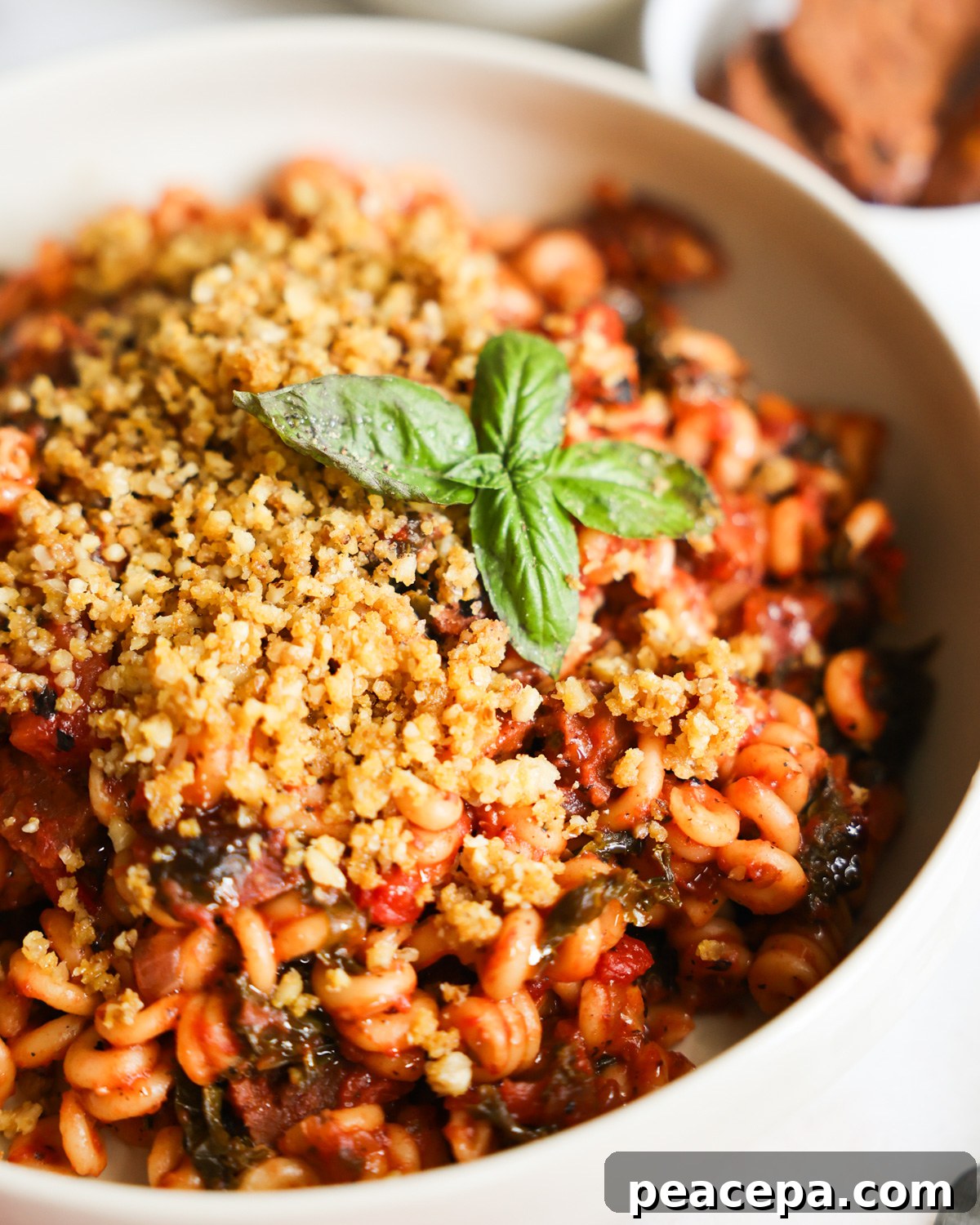
Seitan, also called “wheat meat,” is made from vital wheat gluten and delivers about 25 g of protein per 100 g (3.5 oz), the highest by weight on this list. It is low in lysine, so pair it with lysine-containing foods like soy, quinoa, beans, lentils, or seeds. Anyone with gluten sensitivity or celiac disease should avoid seitan, and it’s worth checking labels since gluten appears in many packaged vegan meats.
Seitan recipes to try: Homemade Vegan Sausage, Instant Pot Sausage Pasta.
5. Nutritional yeast
Nutritional yeast, often called “nooch,” is a deactivated yeast high in protein and commonly fortified with vitamin B12. It delivers roughly 8 g of protein in just half an ounce and adds a savory, cheesy flavor to many dishes. Use it in sauces, dressings, pasta, or as a finishing sprinkle.
Nutritional yeast recipes: Vegan Parmesan, Vegan Mac & Cheese, Roasted Chickpeas, Vegan Caesar Salad.
6. Whole and Sprouted Grains
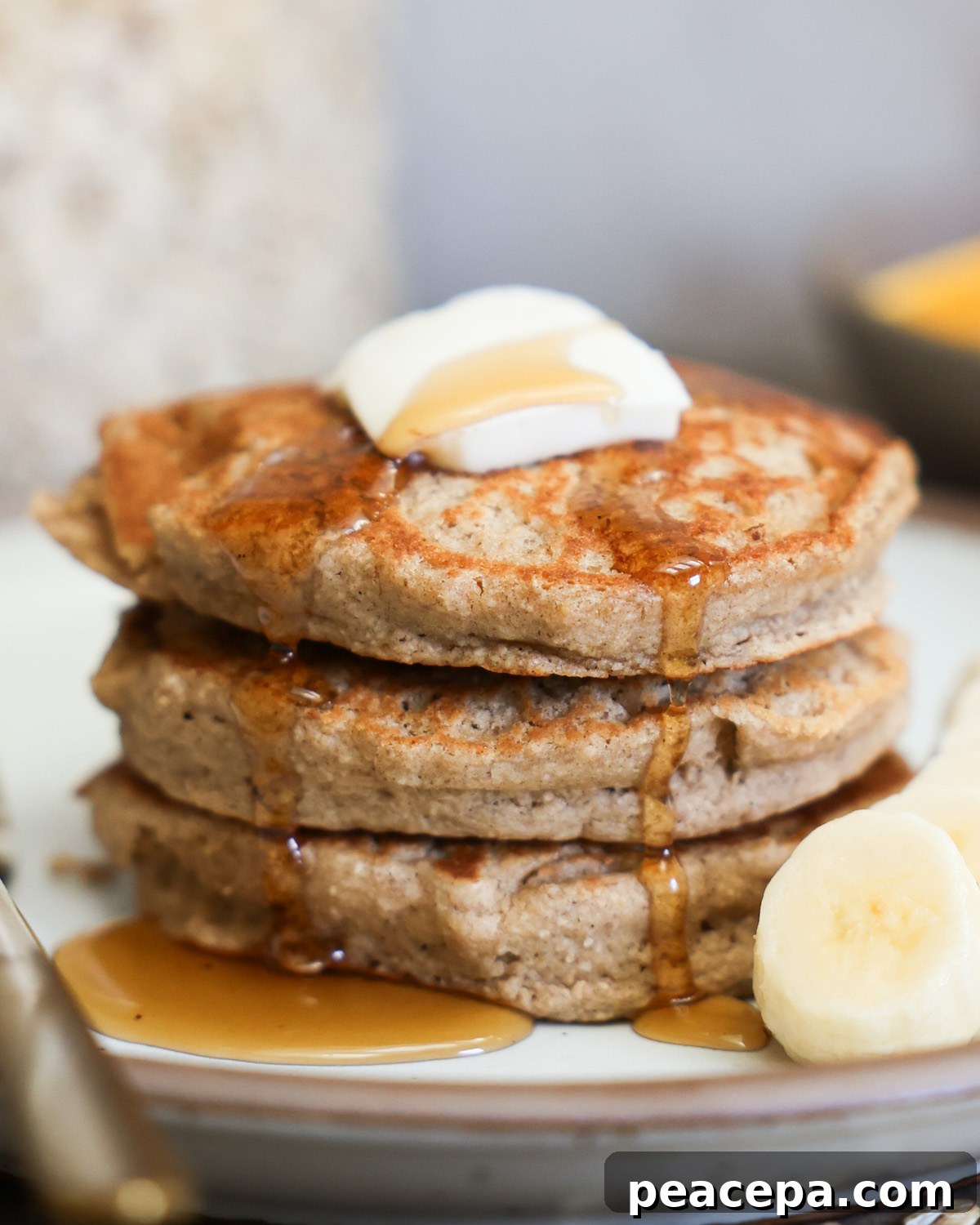
Whole grains retain the bran and germ that white grains lack, offering more protein, fiber, and nutrients that help regulate blood sugar and reduce risk of metabolic disease. Options include quinoa, wild rice, brown rice, barley, amaranth, farro, oats, whole-grain breads, and sprouted breads. Combined with beans, tofu, or lentils, they make a more protein-rich meal. Whole grains typically provide about 5–9 g of protein per cooked cup.
Whole grain recipes: Cracked Freekeh Quinoa Porridge, Zucchini Quinoa Burgers, Oat Flour Pancakes, Wild Rice Stuffed Sweet Potatoes, Apple Pie Overnight Oats, Sourdough Pancakes.
7. Nuts and Nut Butter
Nuts are calorie-dense but also good sources of protein, providing about 5–8 g per ounce. Peanuts stand out for their high protein content and affordability. When choosing nut butters, opt for varieties without added sugar or oils, watch portion sizes, and favor raw over heavily roasted for better nutrient retention.
Nut and nut butter recipes: Harissa Almonds, Tamari Almonds, West African Peanut Stew, Creamy Apple Smoothie, Almond Milk recipe.
8. Seeds
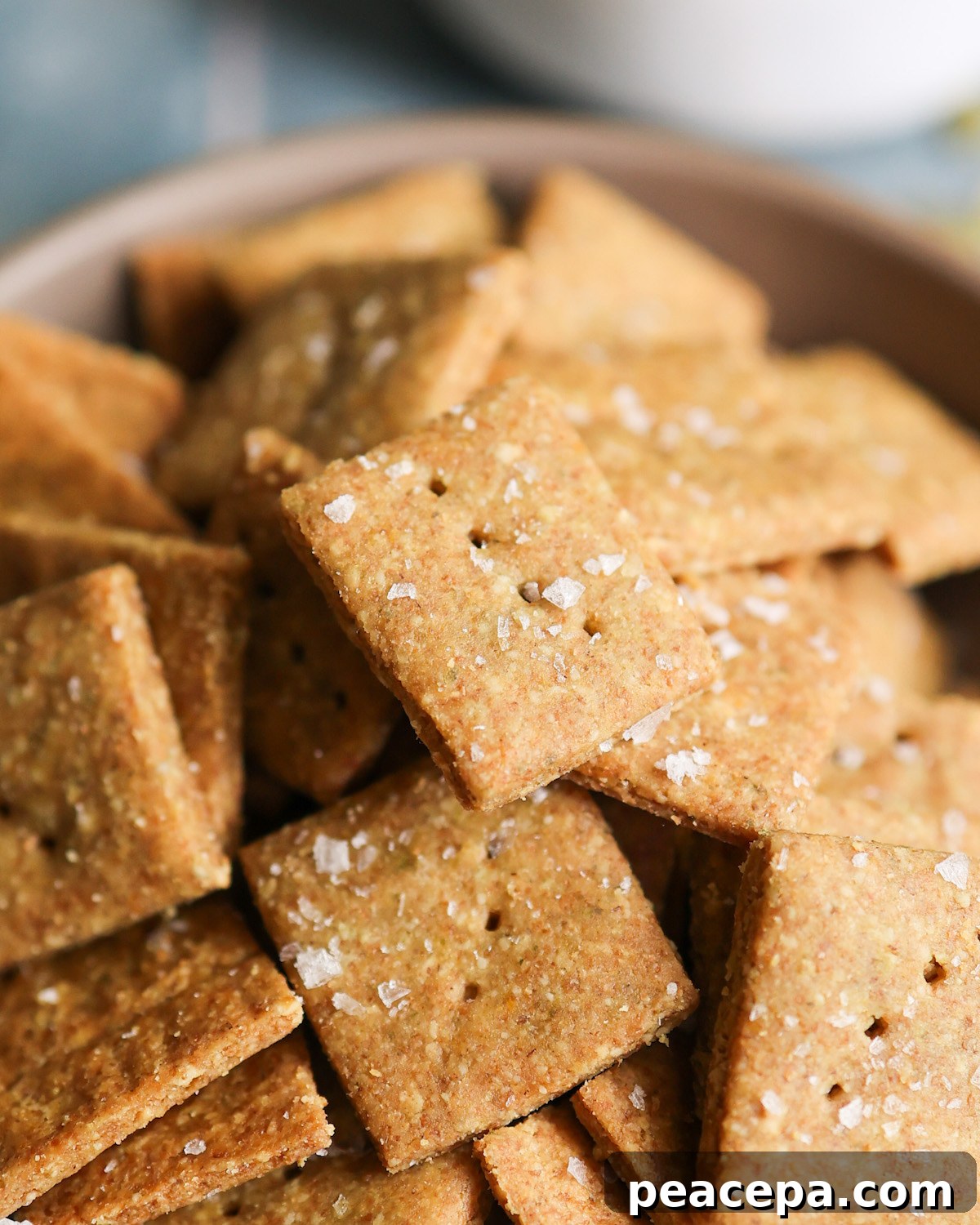
Seeds such as pumpkin, sunflower, chia, hemp, and flax pack a notable protein punch in small portions, offering about 5–10 g of protein per ounce. Chia seed pudding is a popular, simple breakfast option. Pumpkin seeds are particularly rich in magnesium and tryptophan, both useful for overall health and sleep quality.
Seed recipes: Cheesy Pumpkin Seed Crackers, Vegan Caesar Dressing, Avocado Dressing, Pepita Pesto.
9. Spirulina
Spirulina is a blue-green algae often sold as a powdered supplement and regarded as a nutrient-dense food. It offers about 8 g of protein in two tablespoons and is considered a complete protein. Add it sparingly to smoothies, oatmeal, or bowls for a nutrient boost and vibrant color.
Spirulina recipes: Spirulina Chia Seed Pudding.
10. Peas
Peas are an underrated protein-rich vegetable, with around 9 g of protein per cooked cup and plenty of fiber. Pea protein is also a popular base for plant protein powders thanks to its high digestibility and affordability. If you need help meeting protein targets, pea protein powder is an effective alternative to animal-derived powders.
Pea recipes: Cauliflower Samosa Salad.

How much protein do you need?
Protein needs vary by age, activity level, and goals. Athletes, pregnant people, and those trying to lose weight may require more protein, while many people do well aiming for about 1 g of protein per kilogram of body weight. For example, someone who weighs 120 lb (55 kg) would aim for roughly 55 g of protein per day. Plant proteins can be slightly less bioavailable than animal proteins, so spreading protein across meals and snacks helps. Practical swaps include using bean-based pasta, adding nutritional yeast to savory dishes, prepping tofu cubes for snacks, or marinating tempeh for sandwiches and grilling.
New to eating vegan?
If you’re new to plant-based eating, ask questions and experiment with these ingredients to find combinations you enjoy. Building meals around a variety of the foods listed here makes meeting protein needs manageable and delicious.
- How to Go Vegan in 2025
- Vegan Iron Rich Foods
- The Importance of Dietary Fiber
- High Protein Vegan Recipes
- “The Nutrient You Lack Isn’t Protein” — Don’t Say Vegan Podcast Episode
- Fast & Easy Meal Prep Guide
- Vegan Vibes (cookbook)
- My Vegan 101 YouTube Playlist