A few weeks ago an unexpected package arrived at my door. There was a knock, but when I opened up there was no one—only a single box sent from Thomas Jefferson’s garden at Monticello. If you’re wondering why I got a box from the estate of the third U.S. president, here’s the story.
Monticello is a unique destination that preserves and shares Thomas Jefferson’s life as well as the lives and contributions of the enslaved people who worked on the estate. The foundation maintains the house, outbuildings, the garden (once home to hundreds of varieties of herbs and vegetables), and an active program of education and seasonal events for visitors.
The team at Monticello invited me to their annual Heritage Harvest Festival, a family-friendly event celebrating the estate’s agricultural and culinary history. I couldn’t attend in person, but they kindly sent a box of fruit, vegetables, and herbs from the garden so I could develop recipes inspired by those ingredients.
What was in the box
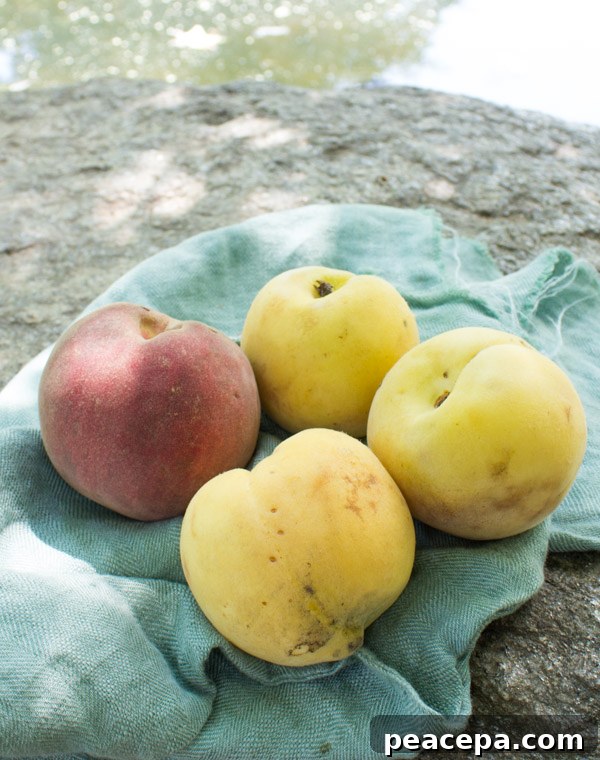
Two heirloom peaches: English White and Indian Blood
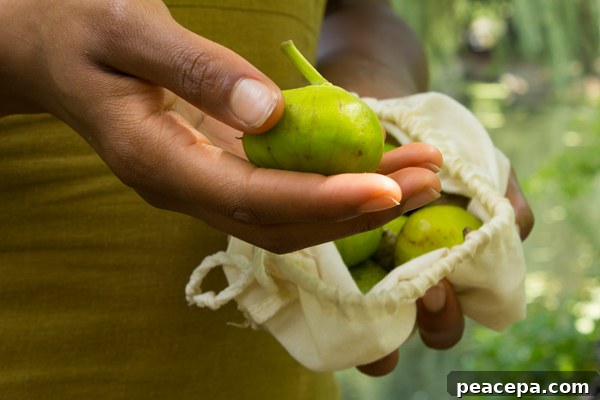
Marseilles figs: green, delicate, and sweet
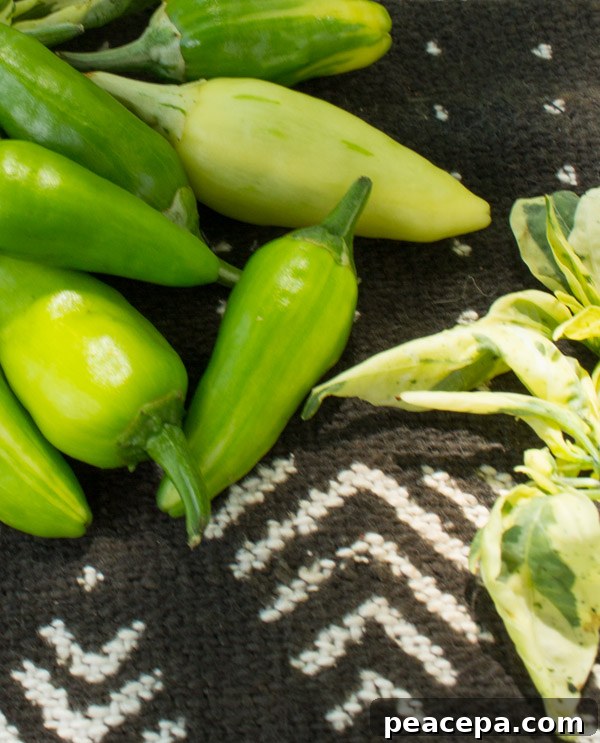
Fish peppers: a historic hot pepper variety originally cultivated by African Americans and traditionally used in fish dishes
Red and purple potatoes: creamy varieties ideal for roasting or soups

Fresh herbs: basil, lemon balm (lemony and minty), and salad burnet (cucumber-like flavor)
Other items: hickory syrup, sweet potato butter, apple butter, a packet of seeds, and the Monticello culinary history and cookbook.
With so many wonderful ingredients I narrowed my ideas down to two dishes that highlight the produce and connect to the estate’s culinary roots: a late-summer peach panzanella and a vegan chilled potato bisque.
Video
Late-summer Peach Panzanella
An herb-forward summer salad that makes the most of ripe peaches, tomatoes, and fresh garden herbs. Use any similar herbs you have on hand—mint, cilantro, parsley, or arugula work well if basil, lemon balm, or salad burnet aren’t available.
Ingredients (serves 4)
- 2 ripe peaches, chopped
- 2 ripe tomatoes (Roma recommended), chopped
- 2 tbsp red onion, chopped
- 2 small fish peppers (or 1 small habanero for a very spicy option, or 1 jalapeño with seeds removed for milder heat), minced
- 1 tbsp apple cider vinegar (add more to taste)
- 3 cups fresh herbs (blend of basil, lemon balm, and salad burnet), chopped
- 2 cups cubed stale sourdough bread
- 1/4 cup olive oil
- 1 tsp freshly ground black pepper
- 1 tsp salt, plus more to taste
Instructions
- In a large bowl, toss together the peaches, tomatoes, red onion, peppers, and apple cider vinegar.
- Add the chopped herbs and the cubed bread. Drizzle with olive oil and season with salt and pepper.
- Toss until everything is evenly combined and the bread has absorbed some of the juices. Adjust seasoning to taste and serve.
Vegan Chilled Potato Bisque
A creamy, dairy-free bisque that uses butter beans (or other creamy white beans) in place of cream for richness. It’s silky when pureed and can be served chilled for a refreshing summer starter.
Ingredients (serves 6)
- 4 cups small red or Yukon Gold potatoes, cubed
- 2 tbsp grapeseed oil (or another neutral oil)
- 6 cups water
- 1/2 onion, chopped
- 2 cloves garlic, minced
- 1 bay leaf
- 2 vegetable bouillon cubes
- 1 tsp dried thyme
- 1 1/2 cups butter beans (or cannellini, navy, or Great Northern beans)
Instructions
- Heat the oil in a large, heavy-bottomed pot over medium-high heat. Add the chopped onion and garlic and cook over medium heat until tender.
- Add the cubed potatoes and water, then bring to a simmer.
- Stir in the bay leaf, bouillon cubes, thyme, and butter beans. Cover with the lid ajar and simmer for 20–25 minutes, until the potatoes are tender.
- Remove the bay leaf, then puree the mixture until silky smooth. Season with salt and pepper to taste. Chill before serving if desired.
These two recipes highlight seasonal produce and simple techniques so the flavors of heirloom peaches, fresh herbs, and creamy potatoes can shine. If you’d like to source historic or heirloom seeds and items used in these dishes, look for reputable garden or museum shops that offer heritage varieties.