This guide is full of good info. PIN it for later!
Going vegan doesn’t have to be complicated. With a few simple principles—cook for yourself, read labels, and eat enough nourishing food—you can make the transition smoothly. Below is a concise, practical guide to help you get started today.
This post is quick to read and includes a short video and recipe ideas to jump-start your vegan journey.
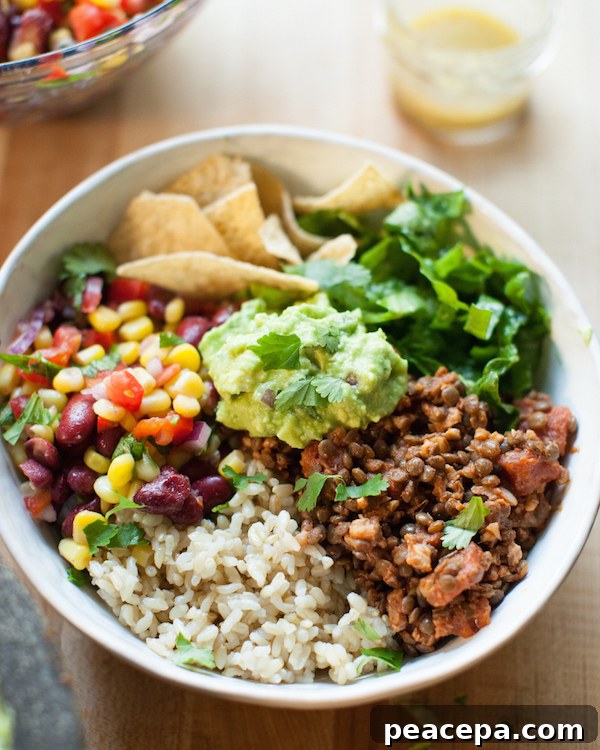
⬆️ Better-than-Chipotle Burrito Bowl
In short, veganism is a lifestyle that avoids animal products in food, clothing, and personal care. This article focuses on the food side, which is central to everyday life and where most people begin. If you prefer watching to reading, there’s a short video below to guide you.
Create a plan for going vegan
Start with a clear plan. Identify your reasons: animal welfare, health, the environment, or a mix. Knowing your why makes it easier to stick with the change. Decide whether to switch overnight or transition gradually—both approaches work. A practical way to begin is committing to veganism one day a week and increasing from there, or following a vegan meal plan at home while allowing flexibility when dining out. Try an approach and adjust as needed until you find a sustainable routine.
Follow a vegan meal plan every week
Meal planning and meal prepping are key to eating well. Planning means mapping out your meals; prepping means cooking ahead for the week. Both save time, reduce stress, and help you stay consistent. Even experienced vegans benefit from weekly prep because it makes healthy choices convenient. Consider setting aside a day to batch-cook staples like grains, beans, roasted vegetables, and sauces that you can assemble into meals during the week.
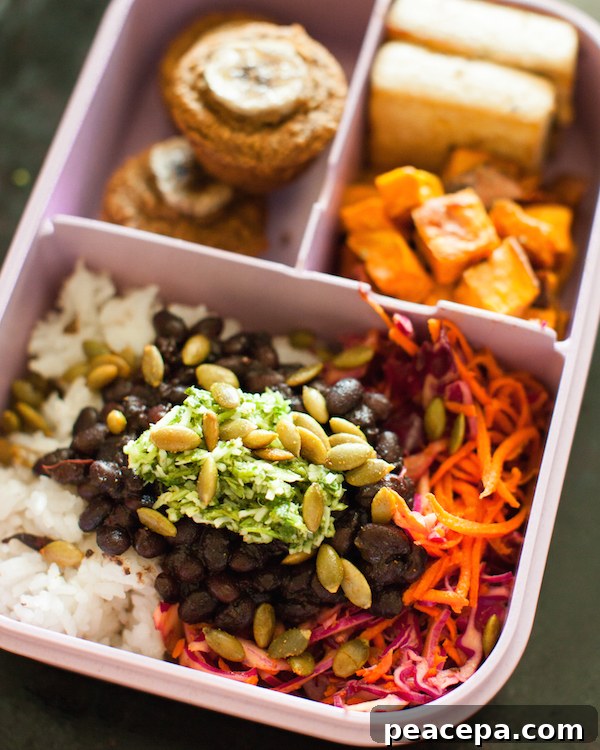
⬆️ Caribbean-inspired Meal Prep
Follow the 80:20 rule for eating; avoid strict diets
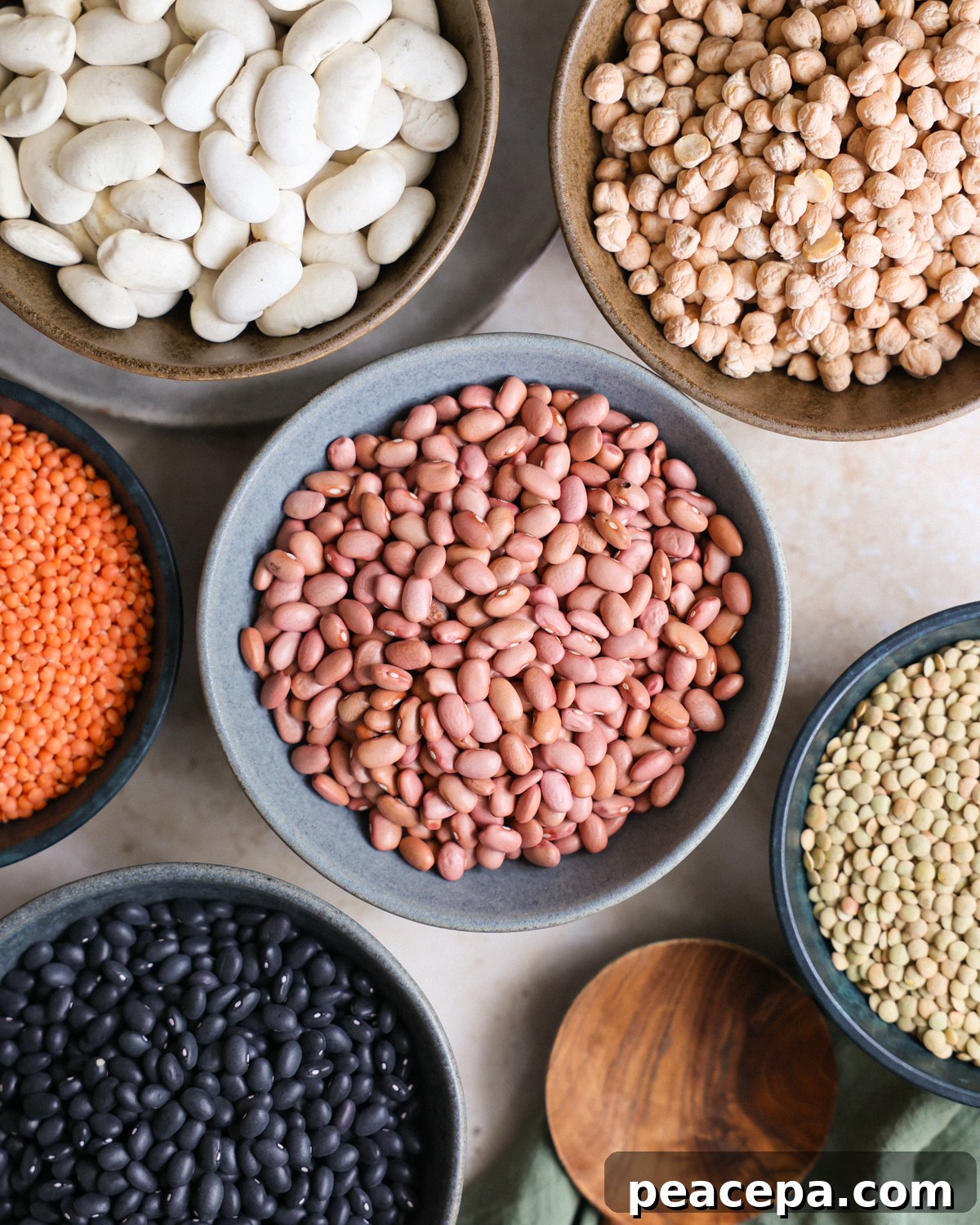
The 80:20 rule is simple: aim to eat wholesome, minimally processed plant foods—fruits, legumes, whole grains, greens, vegetables, nuts, and seeds—about 80% of the time, and allow 20% for more processed or indulgent vegan foods. With so many plant-based products available, it’s easy to rely on processed items; instead, center your meals on whole foods for better nutrition, more fiber, and sustained energy.
Avoid strict diet fads unless medically advised by a healthcare professional. Fruit, soy, and both raw and cooked plant foods have a place in a balanced vegan diet—focus on variety and nutrient-dense choices while following the 80:20 guideline.
Be kind to yourself
Slip-ups can happen. When they do, reflect on what led to them, learn from the experience, and get back on track without harsh self-judgment. Building a lasting vegan lifestyle takes time and patience.

⬆️ Sweet Potato Red Lentil Curry
Consider a few supplements: B12, vitamin D, iodine
B12 is the primary supplement to include on a vegan diet. It’s easy to take as a tablet, chewable, or spray. A basic multivitamin can also help cover other nutrients if you prefer minimal supplementation. Iodine is another nutrient to watch—using iodized salt or including seaweed occasionally helps prevent deficiency. Depending on your location and sun exposure, supplementing vitamin D may also be advisable; check with a healthcare provider for personalized guidance.
Remove temptation and manage non-vegan food in your home
If you share your home with non-vegans, consider giving away or moving non-vegan items to reduce temptation. Educating yourself about animal agriculture can strengthen your commitment. Dairy products like cheese can be particularly tempting; learning about the industry and trying plant-based cheese alternatives can help with cravings.
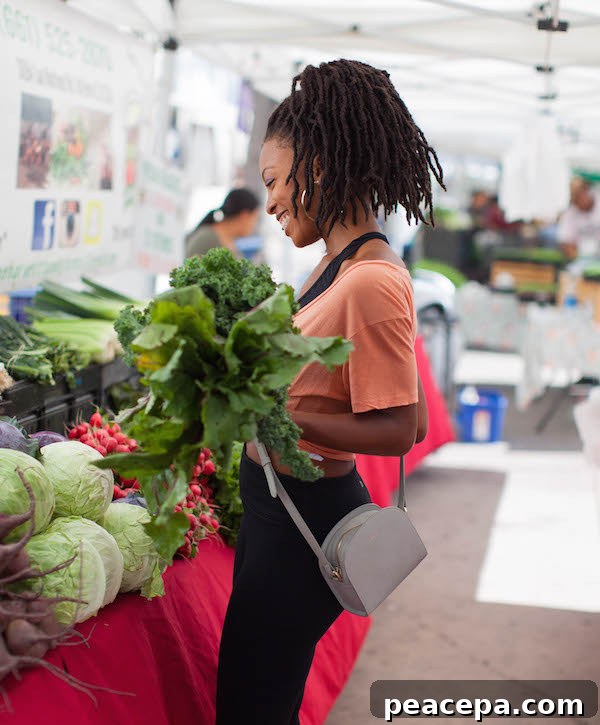
Click here to PIN this blog post for later!
Maintain a social life as a plant-eater
Being vegan shouldn’t limit your social activities. Many people are familiar with vegan options now. When attending gatherings, bring a favorite vegan dish to share. When dining out, check menus in advance to find suitable choices. If you encounter criticism or negativity, try to ignore it and stay focused on your reasons for being vegan.
Use trusted nutrition resources
Educate yourself with reliable sources to build confidence and ensure you meet your nutritional needs. Look for reputable nutrition organizations, peer-reviewed information, and evidence-based resources. Documentaries, books, and respected websites can provide motivation and deeper understanding—but verify claims and avoid sensationalized information.
Join a community
Community support makes adopting a vegan lifestyle easier. Connect with local groups, online forums, social media communities, and vegan bloggers for recipes, tips, and encouragement. Sharing experiences, asking questions, and helping others reinforces your commitment and helps you learn faster.
Please share your questions or tips about going vegan in the comments below—support from others is a great resource on this journey.
For more vegan ideas, check vegan meal prep posts, playlists, and social channels from trusted creators, and consider subscribing to newsletters that offer weekly meal prep guides and practical tips. Wishing you the best on your vegan journey!