These are great tips. Click here to PIN for later!
I hope you and your loved ones are staying healthy. These unusual times have changed daily routines—quick weekend hikes, shopping at farmers’ markets, and hugging friends and family feel far less frequent. Many of us are also more anxious about illness. Still, we adapt, find new rhythms, and look for small ways to make life easier. One simple way to reduce stress, waste, and extra trips out is to make fresh produce last longer. Below are practical, easy-to-follow tips I use to keep fruits, vegetables, and herbs fresher for longer, saving money and reducing food waste.
We’ve cut back on grocery trips and now shop every 7–10 days. Because fresh produce is the mainstay of our meals, I focus on storing it to extend its life. The strategies here will help you reduce spoilage and unnecessary shopping. After reading, you might also enjoy my posts and videos about using food scraps and making vegetable broth from scraps—great ways to make the most of every ingredient.
VIDEO VIDEO VIDEO
Don’t wash produce until you’re ready to use it
Soft or thin-skinned items—greens, berries, tomatoes, and cruciferous vegetables—should remain unwashed until you’re about to eat them. Fresh produce carries a natural balance of microbes that can help protect it; washing removes some of that protection and introduces moisture that encourages mold and bacteria. If you must wash when you get home, dry thoroughly before refrigerating to slow spoilage. While it’s natural to worry about household safety, the biggest risk for viral spread remains person-to-person contact rather than produce.
Store washed greens with a paper towel to absorb moisture
If you wash greens for weekly meal prep, dry them well and store them in a container or bag with a sheet of paper towel or an absorbent cloth. As greens release moisture in storage they can wilt or rot faster—an absorbent layer soaks up excess water and helps keep leaves crisp. Replace the towel every couple of days or whenever it becomes damp.
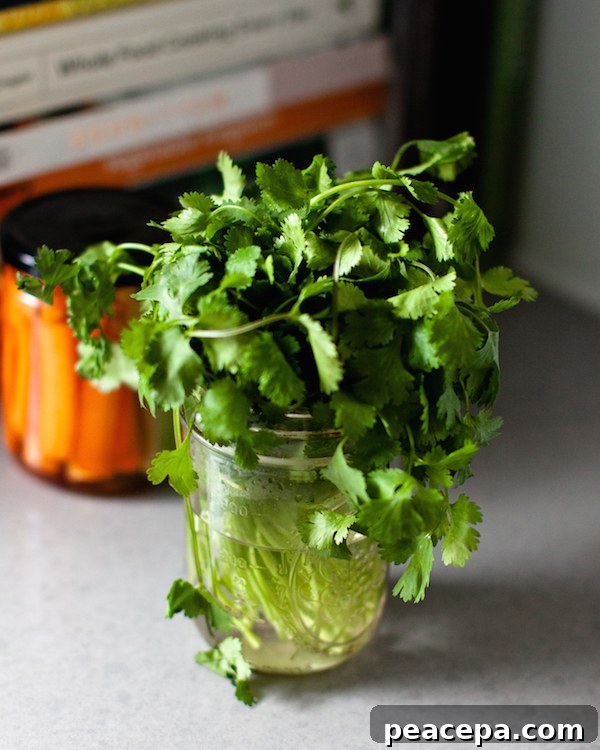
Store herbs and greens like flowers
Treat herbs and many leafy greens as you would fresh cut flowers. Trim the stems and stand them in a jar of water, then loosely cover the leaves with a plastic bag and place the jar in the refrigerator. The water keeps stems hydrated and the bag prevents the leaves from drying out. For greens that are a little past their peak, trimming an inch or so off the stems can help them take up water more readily.
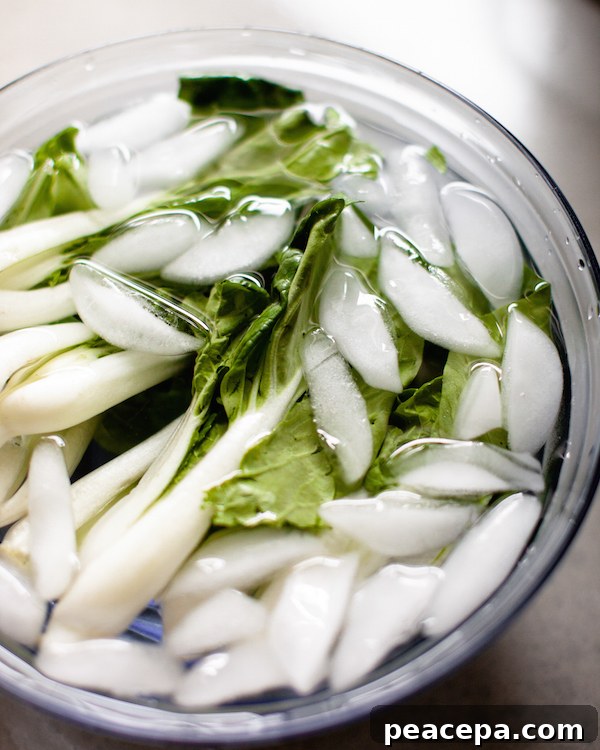
Freshen produce in ice water
If herbs or leafy greens have started to limp, an ice-water bath for 5–10 minutes can revive them. This works best for items that are merely wilted rather than browned or dried out. If produce shows significant yellowing or shriveling, it’s past revival and should be composted.
Make sure your veggies are in the appropriate crisper drawer
The crisper drawers in your refrigerator aren’t just for organization—they let you control humidity. Use the high-humidity setting for tender greens and herbs that wilt easily. Use the low-humidity setting for firmer fruits and root vegetables like apples and beets. Adjusting drawer settings helps maintain the right environment and slows spoilage.
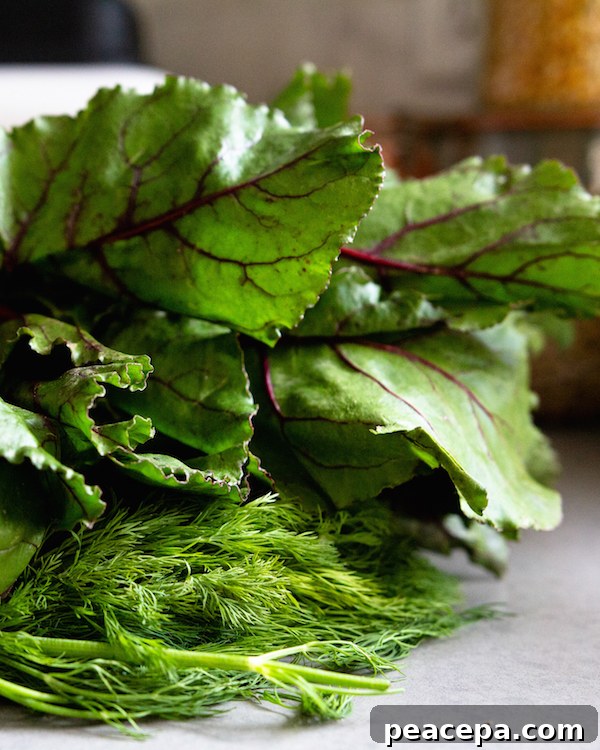
Cut the tops off beets, carrots, etc.
Remove greens from roots like beets, carrots, turnips, and radishes before storing. The greens draw moisture from the roots and will cause the root to soften faster if left attached. Don’t discard those tops—many are edible and delicious when prepared like other leafy greens. Store roots in the low-humidity drawer and greens in the high-humidity drawer.
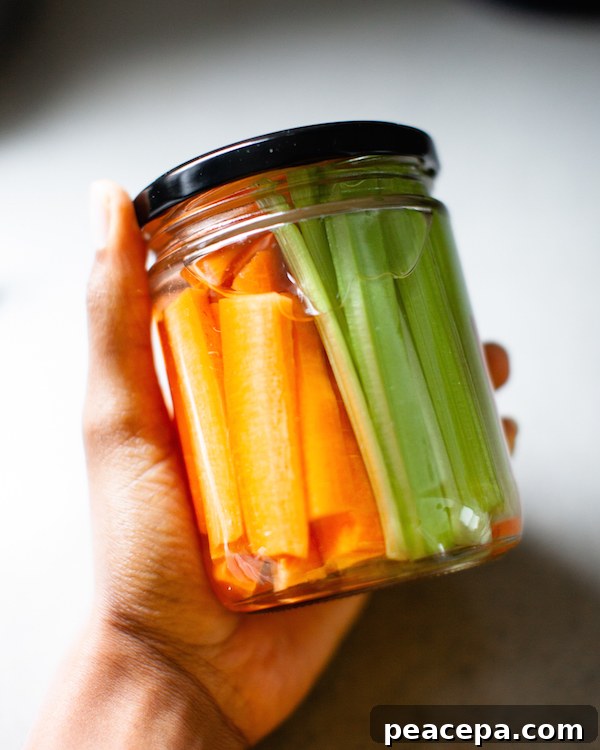
Prep & store crunchy things in water
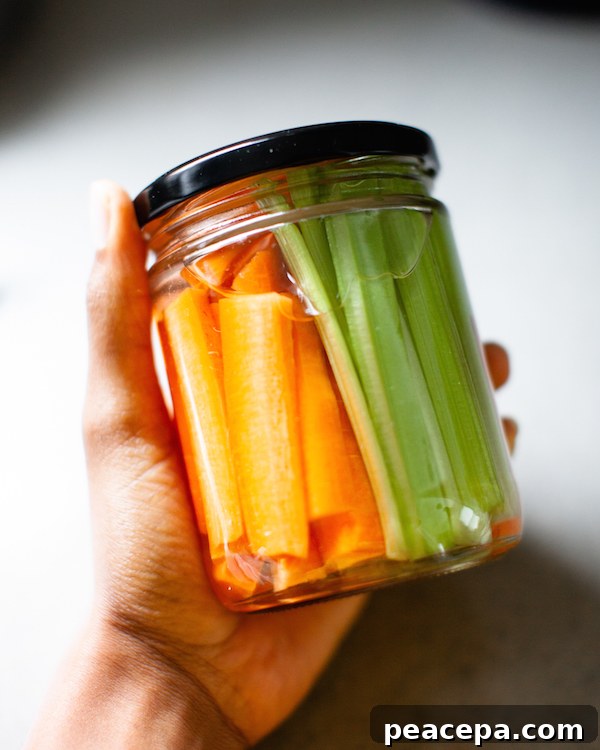
If you’d like grab-and-go snacks, cut carrots, celery, jicama, or apples and store them submerged in a jar of water. This prevents oxidation and keeps them crisp. Change the water every few days. For more flavor and a longer shelf life, store sliced vegetables in a quick pickling solution of vinegar, a little sugar, salt, and herbs.
PIN these tips for later!
Keep citrus in the fridge when you have a surplus
If you buy citrus in bulk, storing extras in the refrigerator will slow mold and decay. Room-temperature citrus is pleasant to eat immediately, but refrigeration extends shelf life so you can enjoy more of your fruit before it goes bad.
Freeze ginger
Ginger dries and becomes stringy at room temperature. Place extra ginger in the freezer—either whole or in pieces—and grate it directly into recipes or tea from frozen, or thaw as needed. I keep mine wrapped or in a bag to avoid freezer odors.
Store potatoes and onions in a cool, dry, dark place, but not together
Store potatoes and onions separately. They emit gases that accelerate each other’s spoilage, so keep them apart. Both prefer a cool, dark, dry location with good air circulation rather than the refrigerator.