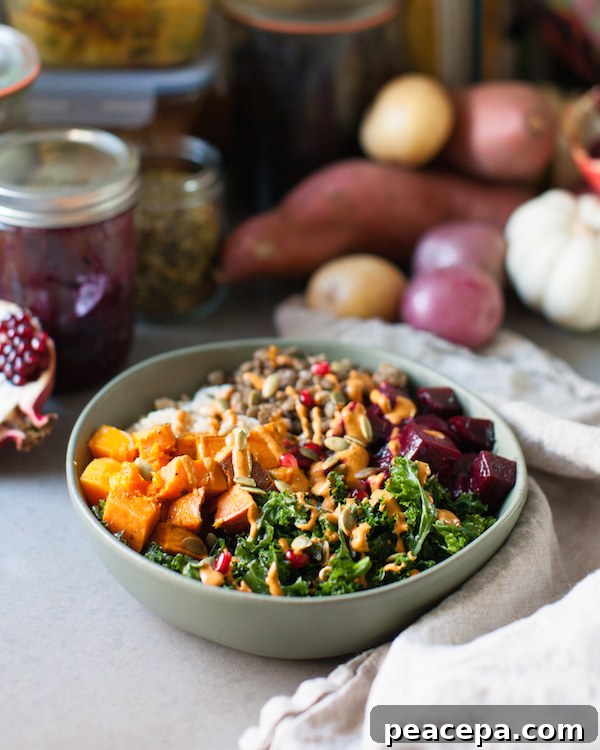
Building a nutritionally balanced meal can feel overwhelming. How do you know if a plate contains the right mix of macronutrients and micronutrients to sustain you and your family, while supporting goals like weight loss, weight gain, or muscle growth? The Vegan Plate Method offers a simple, adaptable visual guide to portioning meals for optimal health. Inspired by the USDA MyPlate, it provides an easy alternative to counting servings, weighing food, or tracking calories and macros. With just a plate and a basic understanding of food groups, you can create a balanced, satisfying vegan meal every time.
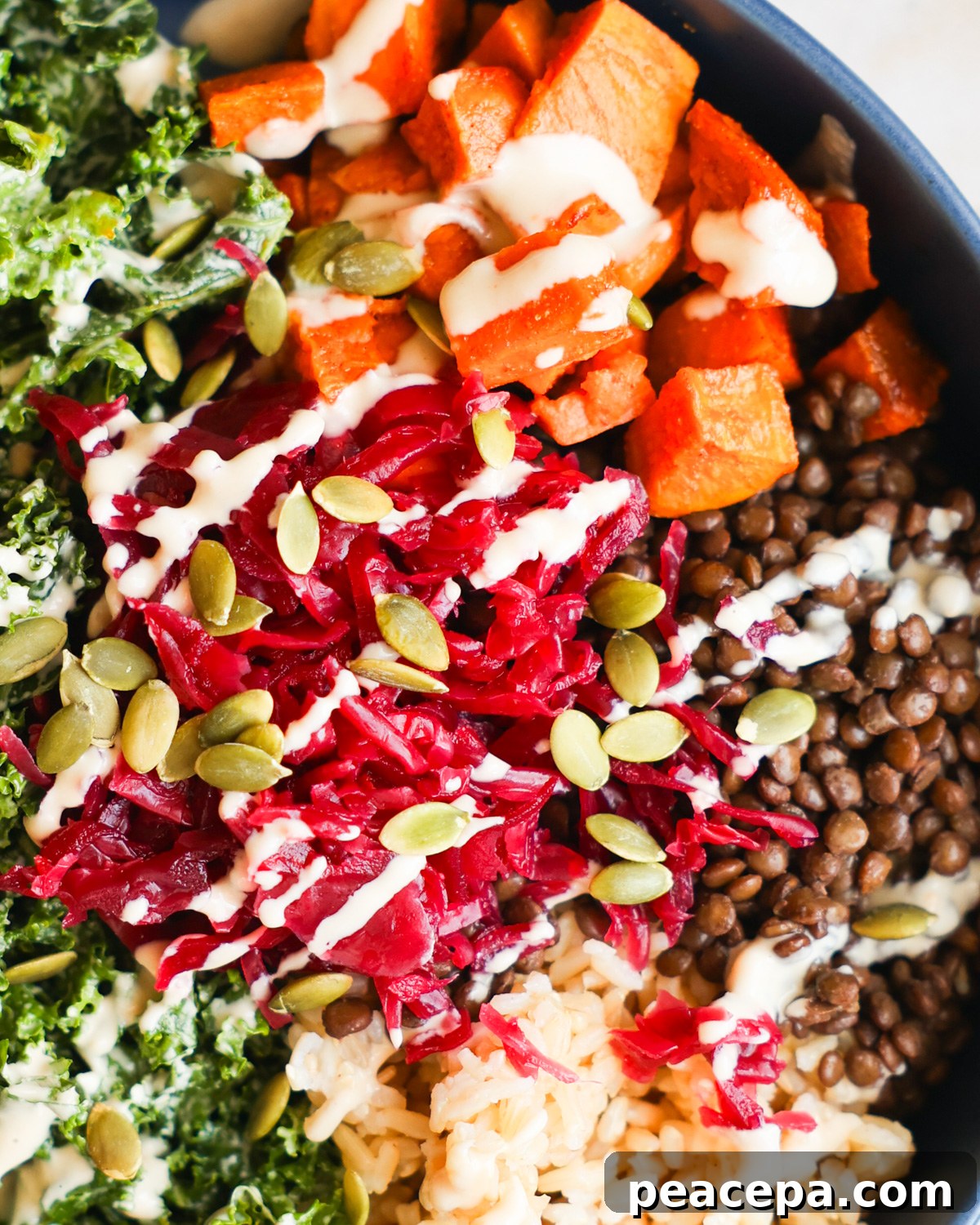
Why the Vegan Plate Method?
The Vegan Plate Method is intentionally flexible to prevent meal-time hyper-fixation or rigid planning. Its purpose is to encourage most meals to include each food group, while recognizing that not every meal will be perfect—and that’s okay. Portions can and should be adjusted based on your activity level and goals. If you are very active you may need larger portions; if you are less active, smaller portions may be enough. The main aim is to eat enough to feel nourished and energized.
This method is especially helpful for people new to a whole-food, plant-based diet because it makes building nutrient-dense meals straightforward without complex rules.
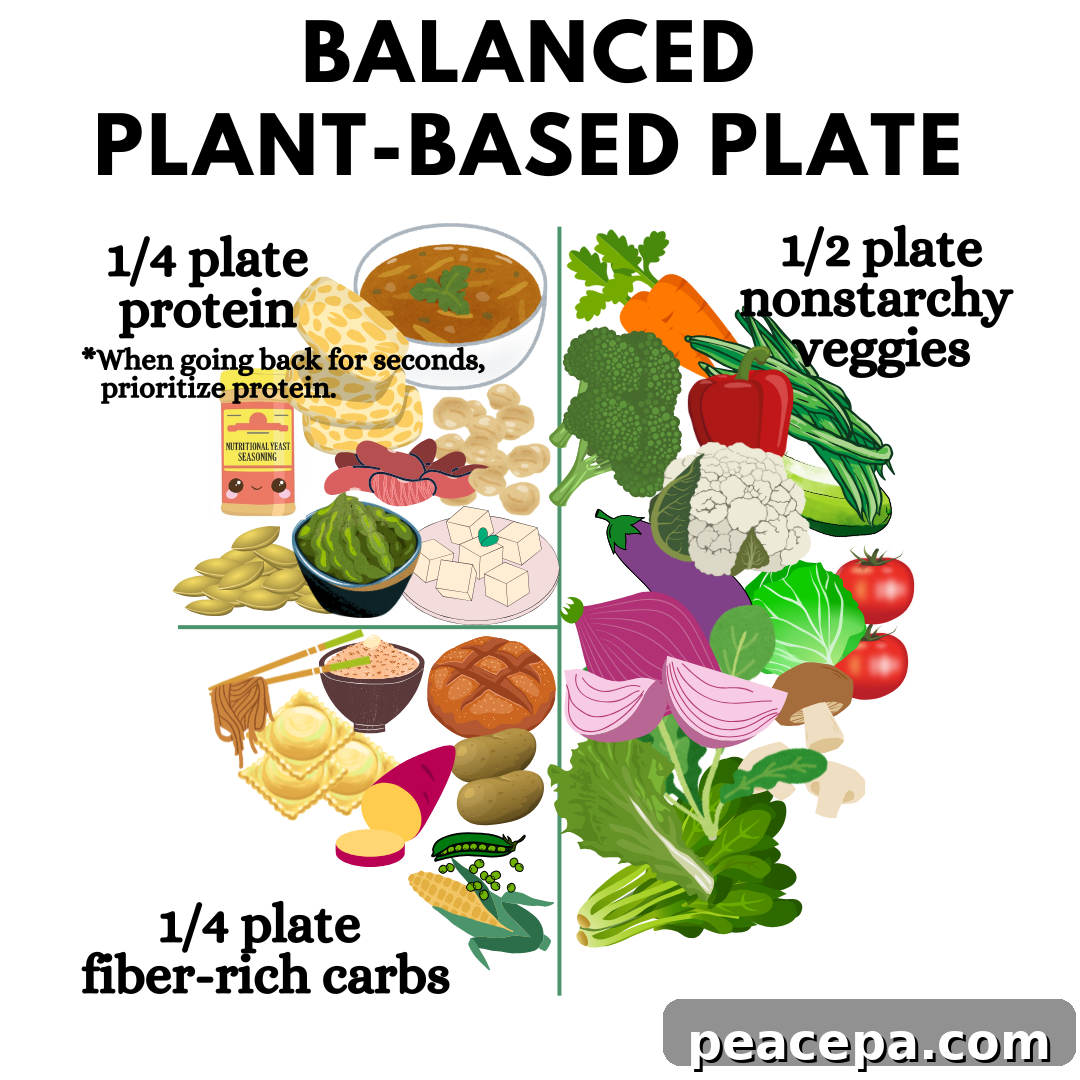
How to Build a Balanced Plate
½ of the plate is non-starchy vegetables:
Fill half your plate with colorful non-starchy vegetables to boost fiber, vitamins, minerals, and antioxidants. Choose leafy greens, cruciferous vegetables like broccoli or Brussels sprouts, mushrooms, and alliums such as onions and garlic. Fruit can also be included in this portion at breakfast or as a snack. Prioritizing a wide variety of vegetables helps ensure diverse nutrients and keeps meals interesting.
Quick Tip
Preparation makes healthy eating easier. Keep favorite vegetables stocked in the fridge and do minimal prep in advance so you can assemble nourishing meals quickly on busy days.
¼ of the plate for complex carbohydrates:
Reserve one quarter of the plate for whole-food carbohydrate sources that provide steady energy and fiber. Choose whole grains and starchy vegetables—like sweet potatoes, regular potatoes, and winter squash—rather than refined grains. Whole grains such as brown rice, quinoa, and farro deliver fiber, micronutrients, and sustained energy, while processed refined carbs (white rice, white bread) offer fewer nutrients and less fiber.
Quick Tip
Cook a batch of whole grains at the start of the week so you have a ready base for quick meals. Brown rice, quinoa, and farro are versatile and store well.
¼ of the plate is plant-based protein:
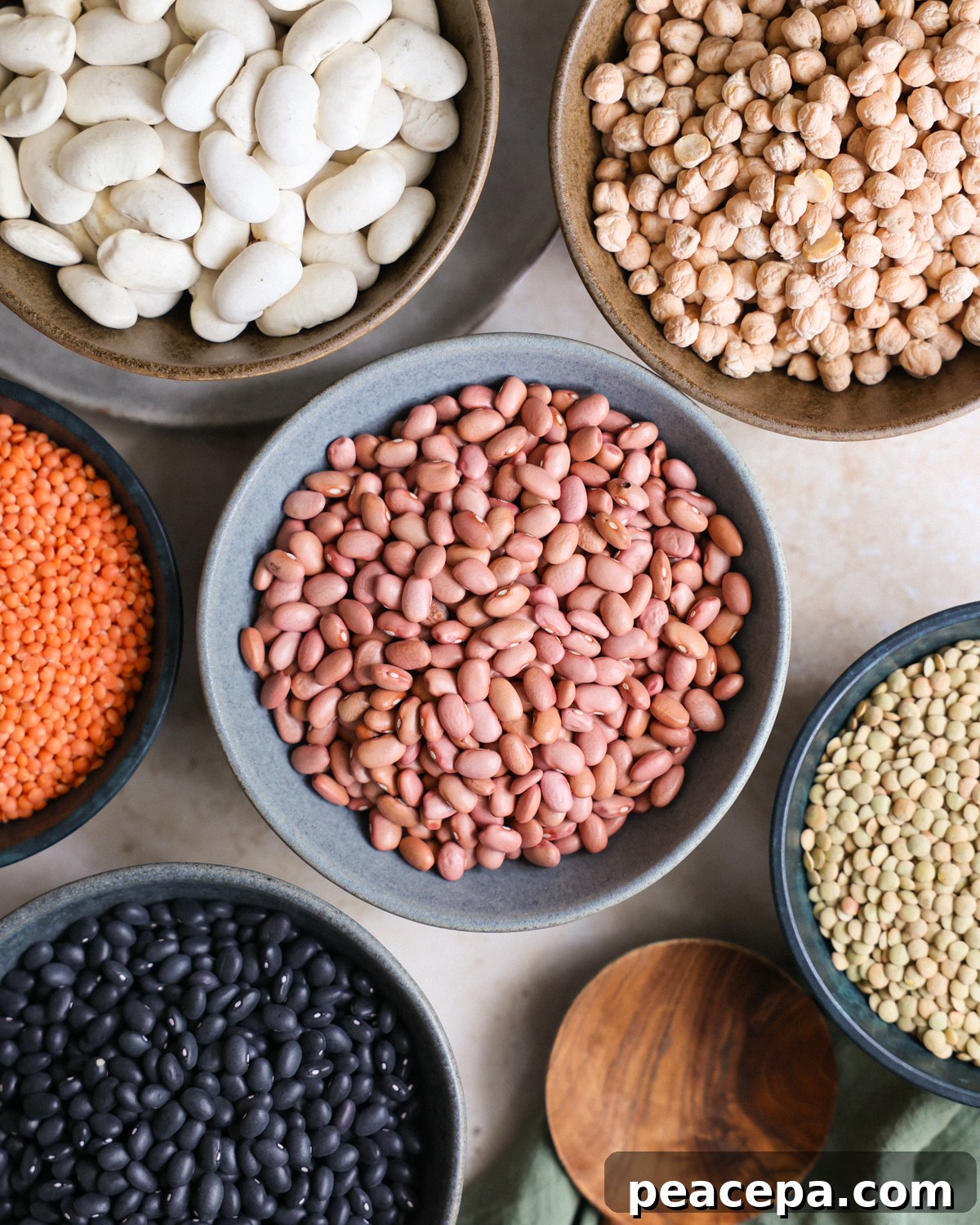
Use the remaining quarter of the plate for plant-based protein, essential for building and repairing muscle, bone, skin, and other tissues. Soy foods—such as tofu, tempeh, and edamame—are among the highest protein-per-gram options. Beans, lentils, nuts, and seeds also contribute meaningful protein along with fiber and other nutrients. Remember that many plant foods overlap categories: beans contain carbohydrates and protein, whole grains provide some protein, and vegetables contribute small amounts of protein as well.
Quick Tip
Vary your protein sources to keep meals exciting. Rotate tofu, tempeh, lentils, and different beans to explore new flavors and textures.
Include wholesome sources of fat for flavor:
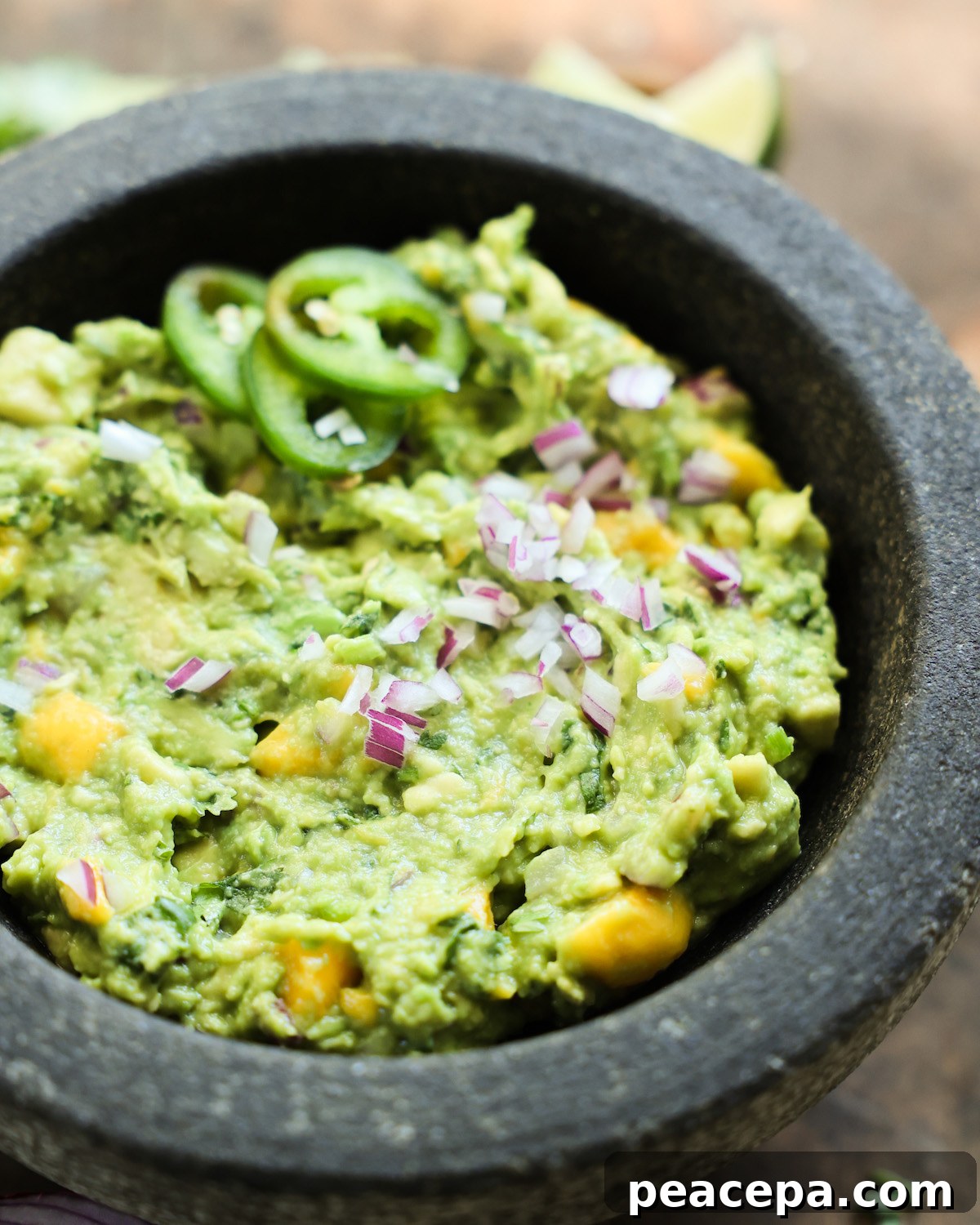
Dietary fat supports energy, hormone production, cell function, and absorption of fat-soluble vitamins. Include nutrient-dense fats for taste and satiety—avocado, nuts and nut butters, seeds and seed butters (like tahini), and olives are excellent choices. Walnuts, ground flaxseed, and chia seeds provide omega-3 fatty acids, which help reduce inflammation. Oils are also a source of fat but are calorie-dense, so use them in moderation depending on your goals.
Quick Tip
Make simple homemade sauces and dressings—such as tahini sauce or avocado-based dressings—to add healthy fats and flavor. They store well in the fridge and elevate bowls and salads.
Include fermented veggies:
Fermented vegetables like sauerkraut and kimchi are rich in probiotics that support digestion and immune health. They weren’t part of the original MyPlate recommendations, but research supports their benefits. Adding fermented veggies brings flavor, crunch, and microbial diversity to meals.
Consider a fortified plant-based dairy:
Calcium is essential for lifelong bone health. While some plants contain calcium, absorption can be limited by other components in those foods. Many plant-based milks and yogurts are fortified with calcium, and soy- or pea-based options often match dairy’s protein content. Almond, oat, and rice alternatives are useful depending on taste preferences. Fortified, higher-protein plant yogurts can be a creamy option for sauces or snacks while supporting calcium intake.
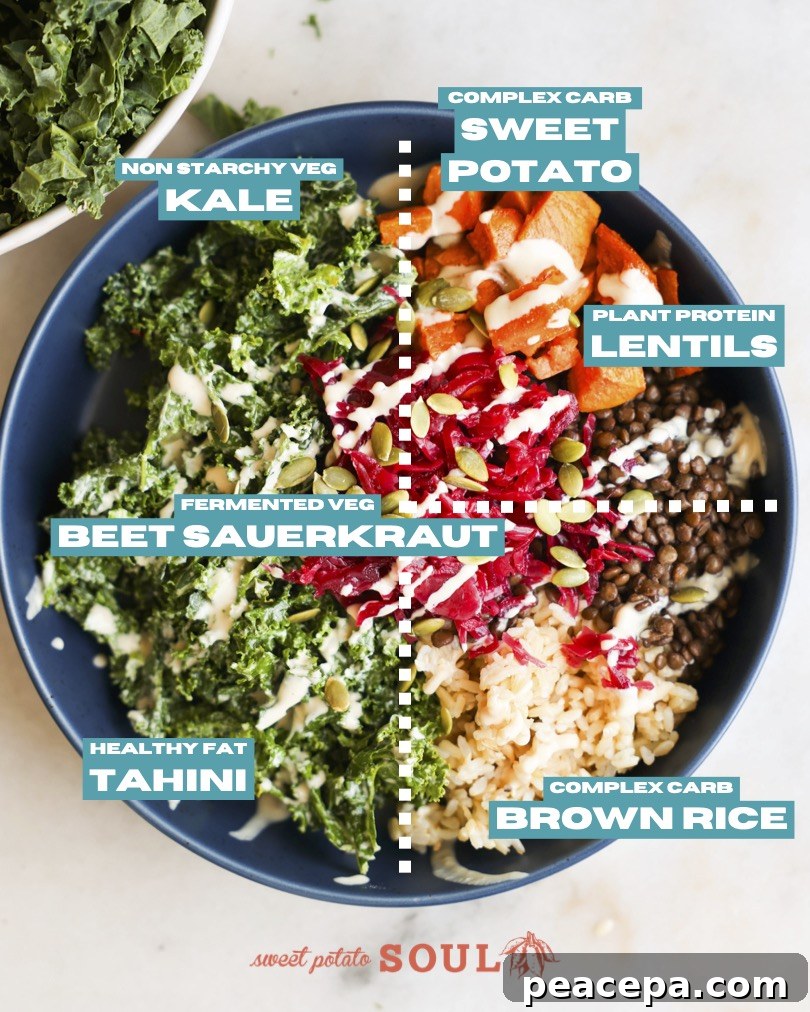
How to reach your vegan health goals:
For weight gain
To gain weight, reduce the non-starchy vegetable portion slightly and increase calorie-dense, fiber-rich carbohydrates and healthy fats. Add more nuts, seeds, nut butters, and starchy vegetables to increase calories without sacrificing nutrient quality.
For muscle gain
Prioritize protein by increasing the protein portion of the plate and aim to consume protein soon after workouts. Keep healthy fats in each meal to support hormones, and include carbohydrates before exercise to fuel performance. Post-workout snacks such as edamame, fortified vegan yogurt, or a small handful of nuts and seeds can help recovery.
For weight loss
Keep overall portions mindful and monitor calorie-dense fats, which can increase total calories quickly. Choose fiber-rich complex carbohydrates instead of refined options to slow digestion and help control cravings, supporting a sustainable calorie deficit.
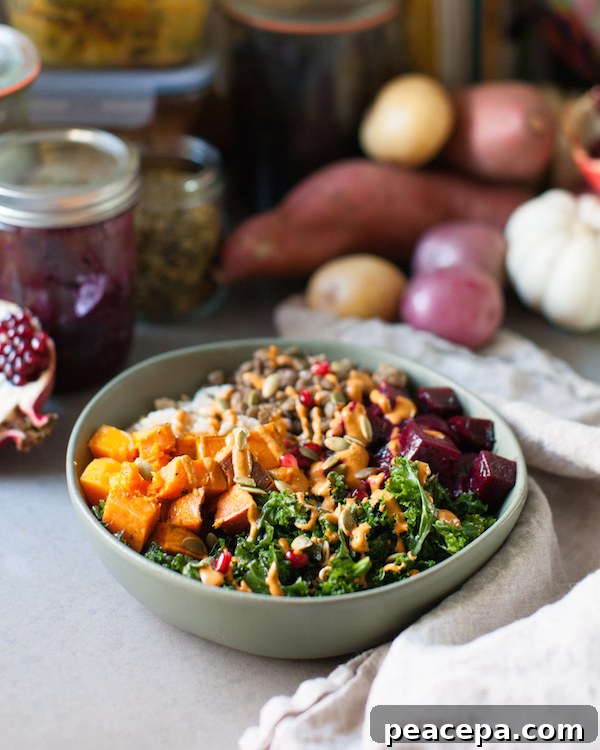
Fit the Vegan Plate into your life
If one meal is low on protein, add a protein-rich snack later in the day.
Enjoying a rich meal out? Add greens and include at least one protein source.
Extra hungry this morning? Increase the healthy fats on your plate to feel fuller longer.
The Vegan Plate Method works with sandwiches, wraps, casseroles, and mixed dishes—just mentally break the meal into the plate sections. For a lunch wrap, include colorful vegetables, adequate protein, and a creamy sauce for healthy fat. For veggie pizza, add a side salad and choose higher-protein toppings like tofu or tempeh, or a protein-rich plant-based cheese. Using the Vegan Plate Method to plan a day of balanced eating is practical and sustainable. Keep the approach flexible and realistic so you can maintain it long term.
I hope this is helpful. Feel free to leave questions or share your experience in the comments—I love to hear from you!