One of the most frequent questions I hear from people considering a plant-based diet is: “Is soy good for you?” Soy is one of the world’s most widely consumed legumes, and opinions about its health effects vary widely. Some praise soy as a nutritious food that may lower cancer risk, while others worry it could increase cancer risk. So what does the evidence say? This article reviews the science and clarifies the facts. At the end you’ll find a selection of tasty soybean-based recipes to try.
A Brief Background of Soy
History
Soybean is a legume native to East Asia and has been part of traditional diets there for thousands of years. In the United States, common soy foods include tofu, soy milk, soy sauce, and edamame. These products all come from the same versatile bean and have been adapted into many cuisines worldwide.
Nutrition
Soybeans are rich in protein, iron, and folate, and also provide calcium, magnesium, phosphorus, and potassium among other nutrients. Beyond its nutrient profile, research suggests soy may offer several health benefits, which we cover below.
Types
Young green soybeans, known as edamame, are often served as an appetizer and added to salads and stir-fries. Dried yellow soybeans are processed into soy milk, tofu, miso, and tempeh. Black soybeans are common in parts of Asia and are used in a variety of dishes, sauces, and seasonings.
Health Benefits of Soy
High-Quality Protein Source
Soybeans are an excellent plant-based protein. Soy is a complete protein, providing all nine essential amino acids the body cannot synthesize and must obtain from food. The major storage proteins in soy, glycinin and conglycinin, account for about 80% of its protein and have been studied for antioxidant properties. Including soy in your diet supports muscle repair, maintenance, and may help reduce inflammation.
Minimally Processed Is Best
Not all soy products are equal. Choose minimally processed soy foods like edamame, tofu, tempeh, miso, and unsweetened soy milk rather than highly processed mock meats. Whole-form soy foods retain more nutrients and offer broader health benefits.
Improves Insulin Sensitivity
Soybeans have a low glycemic index (around 15), so they have minimal impact on blood sugar and are absorbed more slowly, which supports satiety and steady energy. Soy isoflavones — plant compounds that act as phytoestrogens — may also improve insulin sensitivity and influence genes involved in fat and carbohydrate metabolism, contributing to healthier blood sugar control.
Good for Your Gut
Soy is a high-fiber food, providing both soluble and insoluble fiber. Fiber supports digestion, promotes regular bowel movements, and feeds beneficial gut bacteria. Fermentation of fiber by gut microbes produces short-chain fatty acids that support gut health and overall wellbeing. High-fiber diets are also associated with a lower risk of colon cancer.
Lowers Risk of Hormone-Associated Cancer
Diets high in soy foods have been associated with lower risk of certain hormone-related cancers. Isoflavones in soy bind to estrogen receptors and can block stronger forms of natural estrogen from attaching. Since elevated levels of natural estrogen are linked to higher risk of cancers such as breast cancer, soy’s phytoestrogens may have a protective effect when consumed as part of a balanced diet. Much of the concern around soy and cancer comes from early animal studies that used very high doses; human studies generally support soy’s safety and potential protective benefits.
Cancer Confusion
Despite consistent human data showing safety and benefit, confusion persists. Some earlier animal experiments used doses far beyond typical human intake and animals metabolize soy compounds differently. Human observational and clinical studies do not support the idea that regular culinary soy foods increase cancer risk; in many cases they suggest reduced risk.
Improves Bone Health
Some research indicates soy isoflavones may help maintain bone density, particularly in women during and after menopause when estrogen levels decline. Isoflavones can reduce bone resorption and support bone formation. Protein also plays a critical role in bone structure, and soy foods can provide substantial protein for those following plant-forward diets. Additionally, calcium-enriched tofu can be a good source of calcium and phosphorus, which are important for bone strength.
Soy May Help Ease Menopause Symptoms
Because soy isoflavones have mild estrogen-like effects, regular long-term soy consumption has been associated with reductions in menopausal symptoms such as hot flashes and night sweats. Isoflavones are not as potent as hormone therapy but can offer relief for some women, especially when soy foods are consumed consistently.
Check Your Allergies
Soy allergy exists and can be significant, especially in infants and young children. If you suspect an allergy, consult your doctor for testing and guidance. Many children outgrow soy allergy, but proper evaluation and monitoring are important.
Conclusion: Is Soy Good For You?
Reviewing the evidence, the answer is yes: soy can be a healthy part of the diet. Traditional Asian diets rich in soy have been linked with lower rates of certain cancers, and numerous human studies find soy foods to be safe and nutritious. Concerns originating from high-dose animal studies do not reflect typical dietary intake.
For best results, emphasize whole or minimally processed soy foods such as tofu, tempeh, edamame, miso, and unsweetened soy milk, and limit ultra-processed soy-based imitation meats. As with any food, balance and variety are key to a healthy diet.
Try These Healthy Soybean Recipes
Amazing Edamame Salad
Edamame salad combines tender soybeans with crisp vegetables and a bright garlic-ginger almond dressing for a flavorful, satisfying dish that works as a main or side.
The Best Tofu Scramble
A protein-packed tofu scramble with savory flavors and veggies — an easy, satisfying plant-based breakfast or brunch option.
Balanced Maple Mustard Tempeh Bowl
A nourishing Buddha bowl featuring marinated tempeh, roasted vegetables, and leafy greens for a balanced, flavorful meal.
Thai Pumpkin Curry
A creamy, spicy vegan curry with tofu, pumpkin, vegetables, and rich flavors — comforting and protein-rich.
Incredible Vegan Quiche
A savory vegan quiche with a flaky crust and vegetable filling — an impressive plant-based option for brunch or lunch.
Tempeh Tikka Masala
A rich, aromatic tempeh tikka masala that’s easy to prepare and full of plant-based protein and flavor.
Tempeh Tacos
Smoky, marinated tempeh tucked into tacos with fresh guacamole and slaw — a vibrant plant-based twist on taco night.
Collard Miso Soup
A warming miso soup with collards and tofu — simple, nutritious, and comforting on chilly days.
Crunchy Sesame Tofu Salad
Crispy tofu and crunchy vegetables tossed in an orange-sesame dressing make a light, flavorful lunch or side.
Hearty Tofu Chili
A filling tofu chili that’s robust, nutritious, and perfect for meal prep or cold nights.
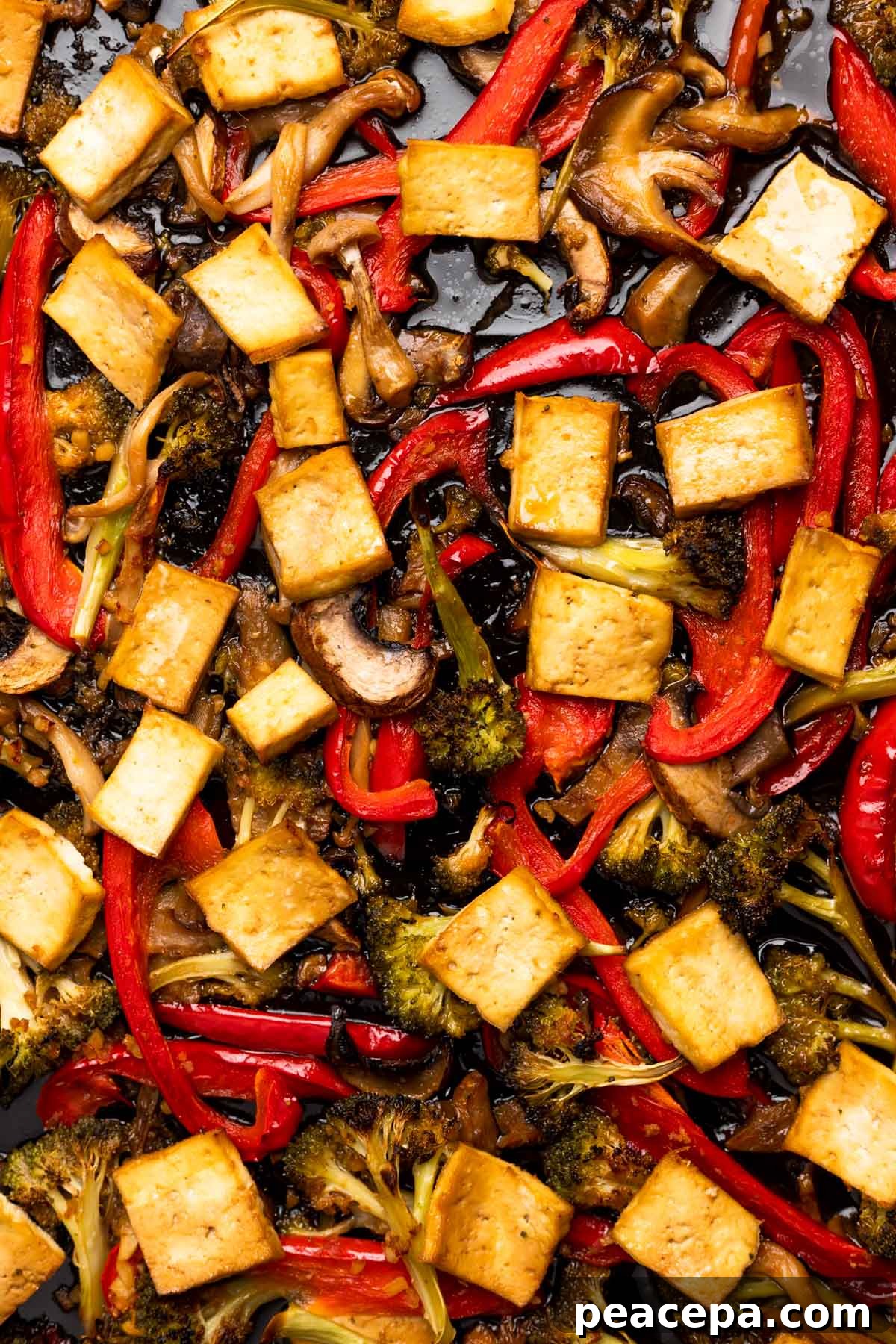
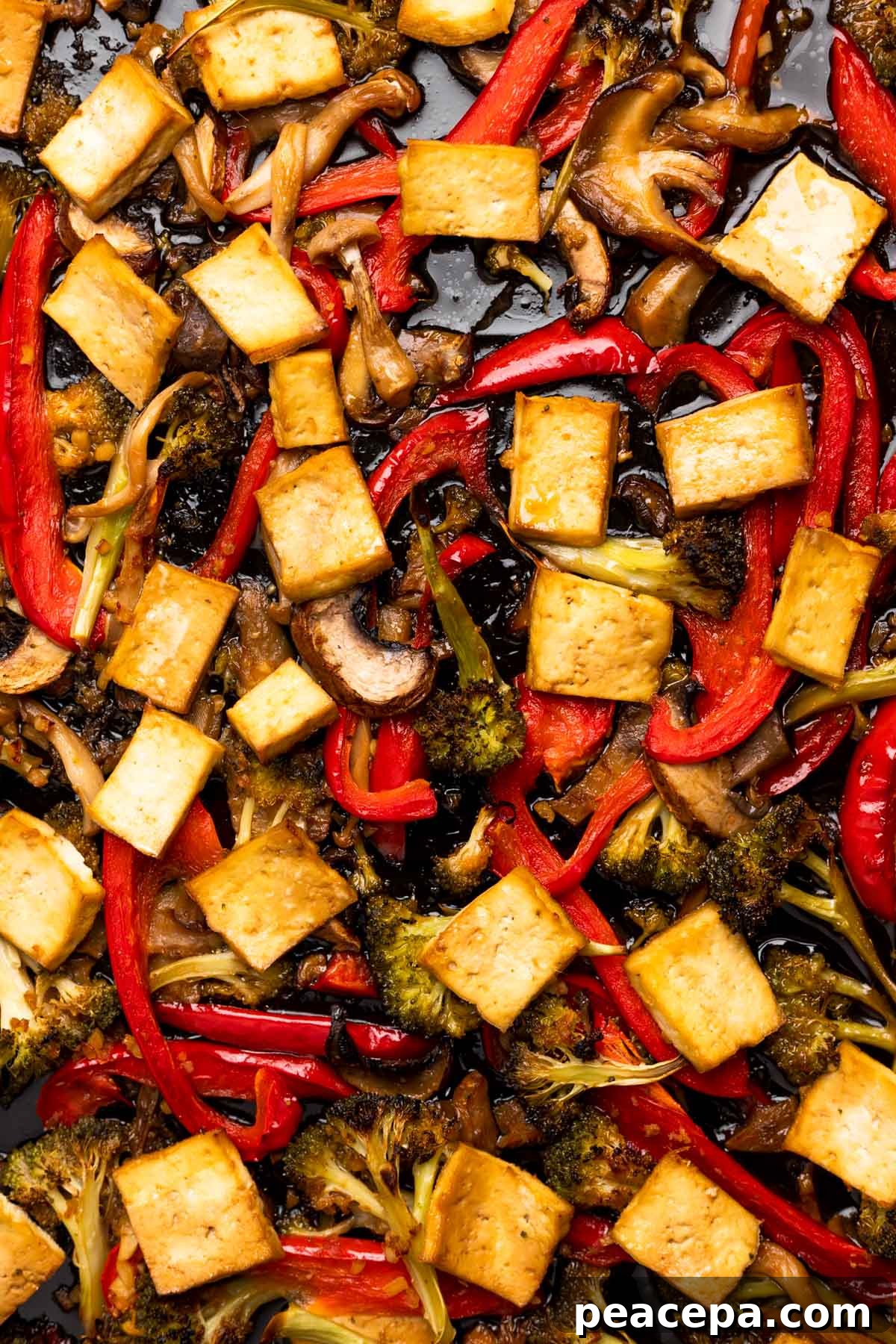
Maple Teriyaki Tofu & Veggies
A simple, one-pan meal of maple-teriyaki tofu and roasted vegetables — quick, tasty, and plant-based.
31+ Best Tofu Recipes
Explore a large collection of tofu recipes for inspiration — from quick weeknight dinners to show-stopping plant-based meals.