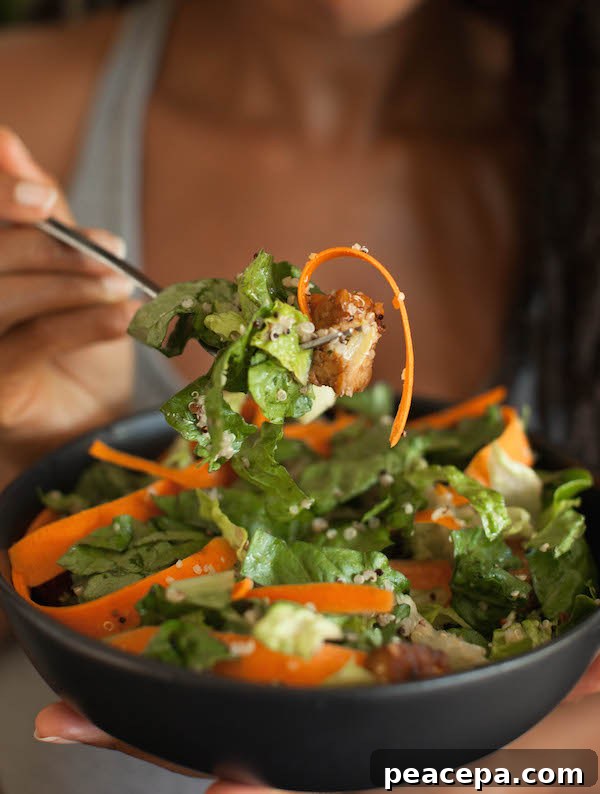

Why I love salad
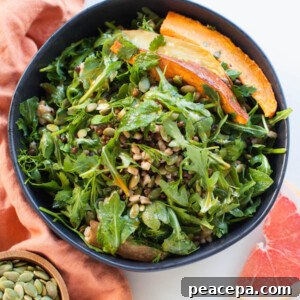
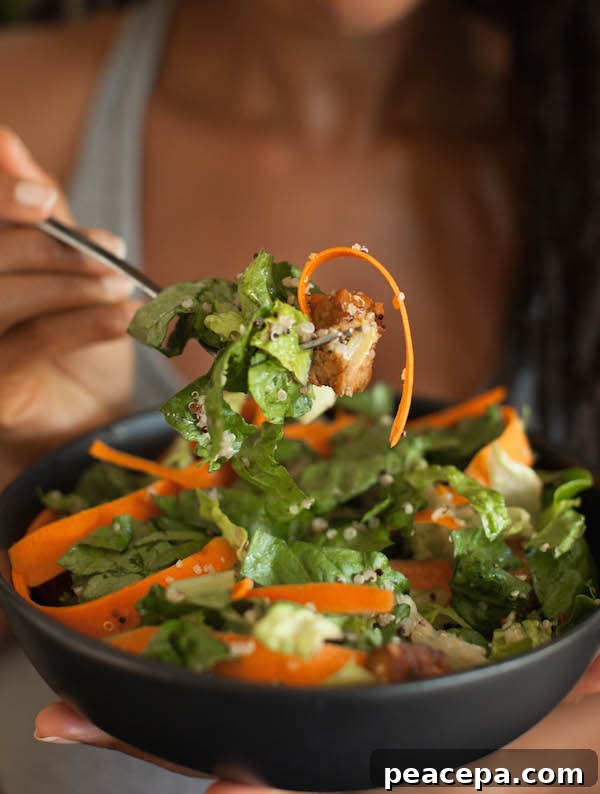
Greens are the foundation of my personal food pyramid. Fresh, vibrant, nutritious leaves—light and dark, tender and sturdy, cruciferous and herbaceous—are staples in my kitchen. While I enjoy them cooked, I especially love raw salads: not just a basic side of romaine with a splash of dressing, but a hearty entrée salad that’s balanced, satisfying, and full of texture and color.
Making a great salad takes a little know-how: the right dressing, the right mix of ingredients, and an eye for texture and color. A complete entrée salad should combine ample greens with colorful starchy or non-starchy vegetables, legumes, whole grains, a healthy fat-based dressing, and nuts or seeds for crunch and extra nutrition. Below I’ll walk through how to build the perfect entrée salad and offer ideas and recipes to keep your daily greens interesting and delicious.
You should eat salad and raw greens every day
- Greens are among the most nutrient-dense foods. Per calorie they deliver a wealth of vitamins, minerals, fiber, protein, and phytonutrients compared with many other foods.
- Raw greens provide insoluble fiber and water that support digestion and regular elimination. If you struggle with digestion, a daily salad can help—dark leafy greens like kale are especially effective at keeping things moving.
- Greens make an excellent base for other nutritious elements such as whole grains, legumes, healthy fats, and colorful vegetables, creating well-rounded meals.
- Note: If you’re not used to a lot of raw vegetables and fiber, introduce salads gradually to avoid digestive upset. Your body may need time to adjust if you typically eat a low-fiber diet.
Components of the perfect salad
To build a satisfying entrée salad, include one or more ingredients from each of these categories. With those building blocks you can mix and match indefinitely. If you want to save time during the week, prep grains, wash and chop greens and veggies, and make dressings once or twice weekly so salads come together in minutes.
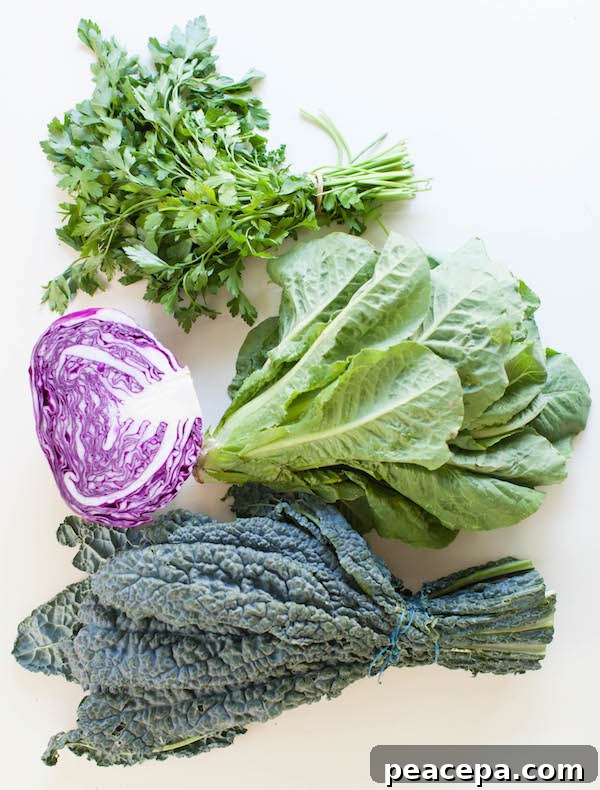
The Greens
Start with a large mixing bowl and be generous: greens should fill at least half the bowl. Aim for roughly 5–6 cups of greens per person for a hearty entrée salad.
I divide greens into two types: tougher dark leafy greens (kale, collards) and tender leaves (romaine, arugula). Tough greens benefit from massaging: rub dressing into chopped leaves with your hands to soften them, cut bitterness, and help release nutrients. Tender leaves only need a gentle toss. Don’t forget herbs—parsley, cilantro, basil, and dill add flavor and nutrients.
DARK LEAFY GREENS
Kale
Collard greens
Spinach
Cabbage (red or green)
Mustard greens
TENDER GREENS
Romaine and other lettuces
Arugula
Dandelion greens
Watercress
Herbs: dill, parsley, cilantro, basil
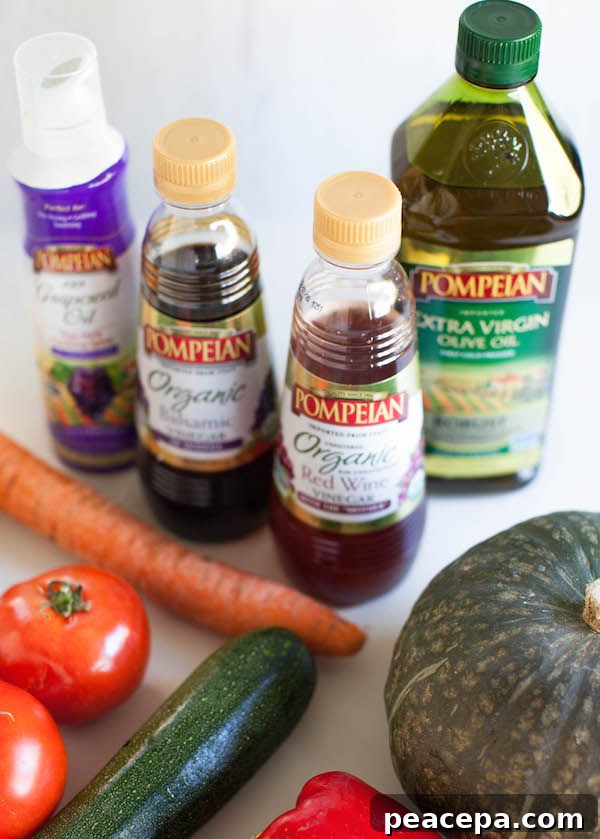
The Dressing
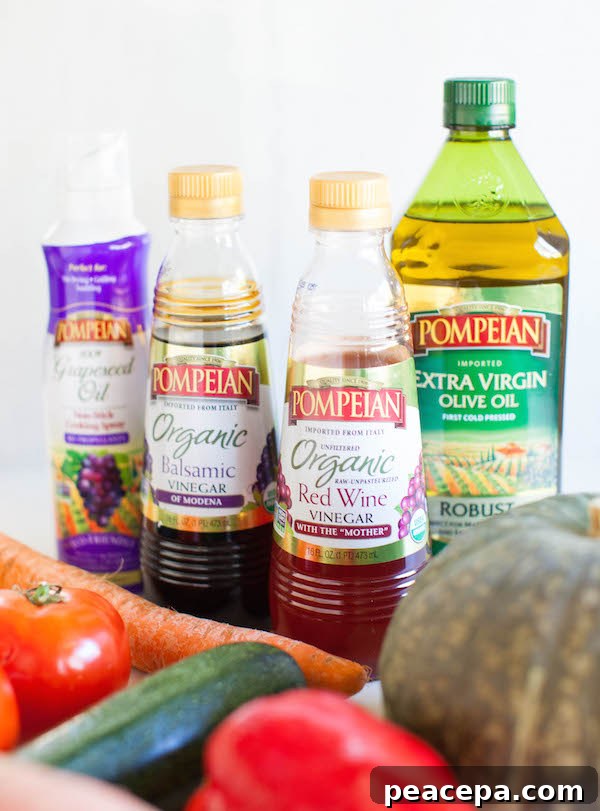
A great dressing ties a salad together and adds healthy fats and flavor. Homemade dressings are fresher, more economical, and let you control oil, sugar, and salt. A balanced dressing usually contains a fat (oil, tahini, avocado), an acid (vinegar or citrus), salt, and optionally a sweetener to round things out.
Here are a few easy dressing ideas you can adapt: tahini-based (oil-free), creamy avocado (oil-free), mustard-based vinaigrettes, pomegranate or fig balsamic dressings, cumin-lime vinaigrette, and maple-mustard blends. Keep a simple vinaigrette on hand to make salads come alive.
Simple Wine Vinaigrette
Ingredients
- 2 tablespoons dijon mustard
- 1/4 cup red wine vinegar (or balsamic)
- 2 teaspoons maple syrup
- 1 teaspoon minced garlic or shallot
- 1/2 teaspoon sea salt
- 1/2 teaspoon black pepper
- 1/4 cup extra virgin olive oil
Instructions
- Place ingredients in a bowl and stir to combine, or put them in a jar, seal, and shake until creamy.
The legumes, aka beans
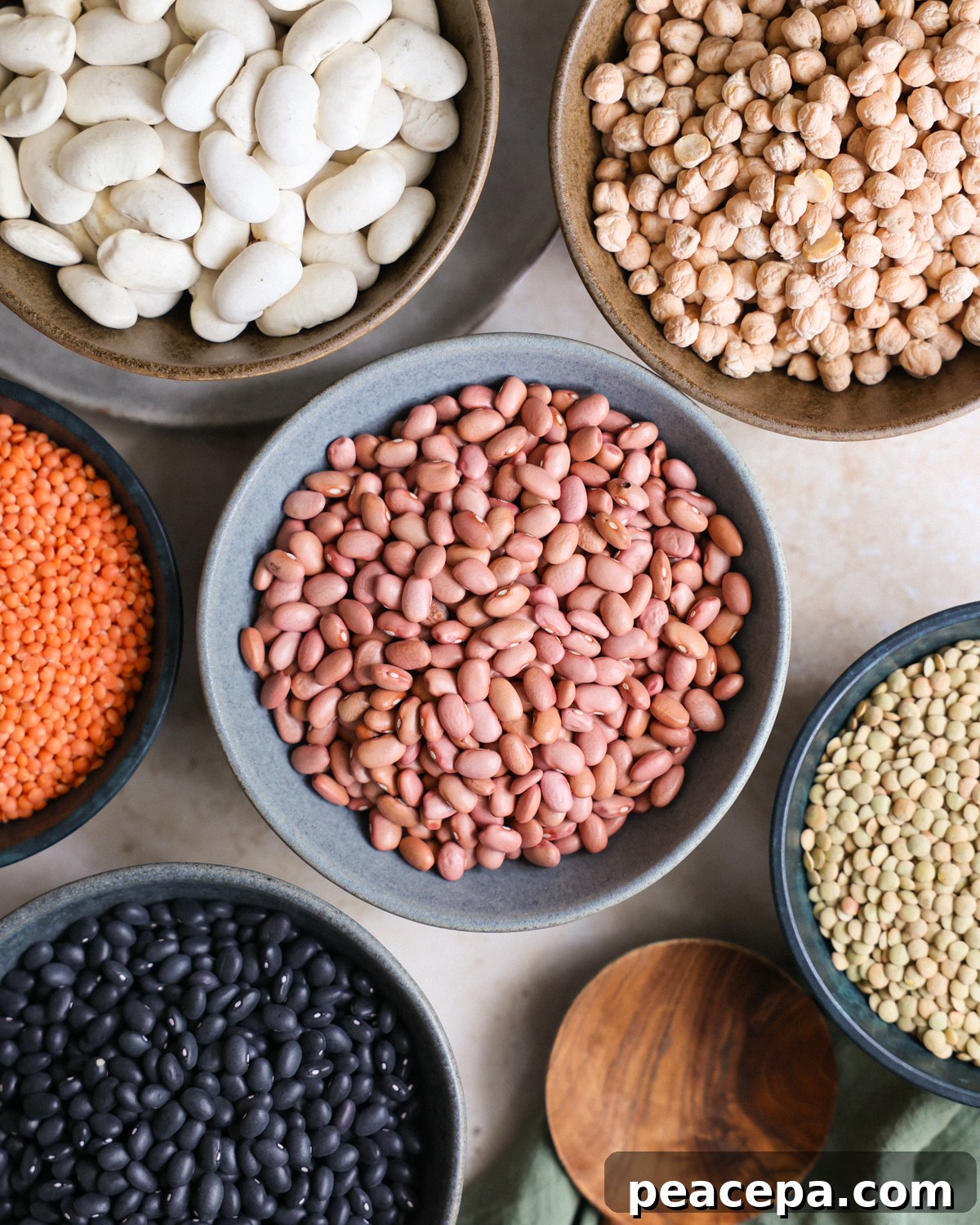
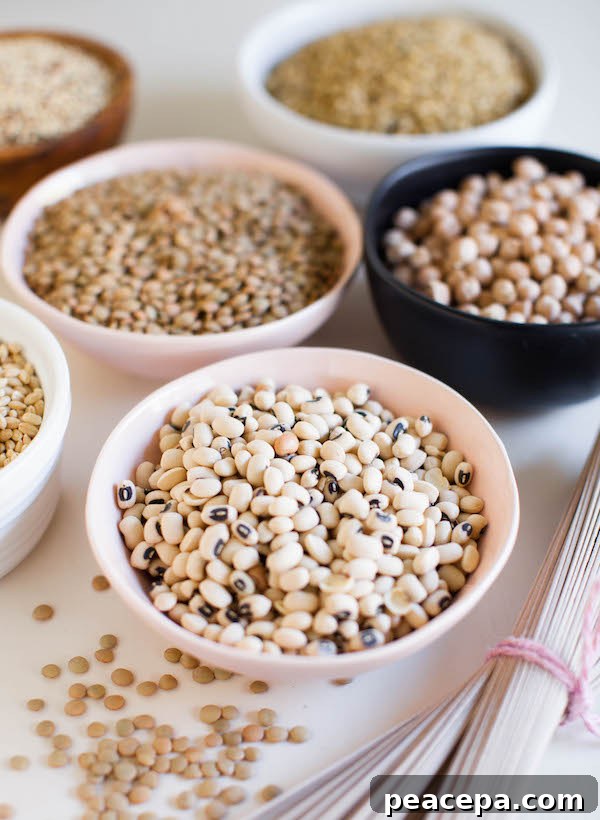
Beans and legumes are excellent daily additions. They deliver fiber, plant protein, B vitamins, iron, magnesium, antioxidants, and complex carbs. Legumes boost nutrition and provide a pleasant, firm texture and flavor to salads. Include a variety—black beans, kidney beans, chickpeas, lentils, edamame—and don’t forget tofu and tempeh for traditional soy options.
Salad-friendly legumes
Black beans
Kidney beans
Black-eyed peas
Chickpeas (garbanzos)
Pinto beans
Green, black, or beluga lentils
Edamame
Tofu
Tempeh
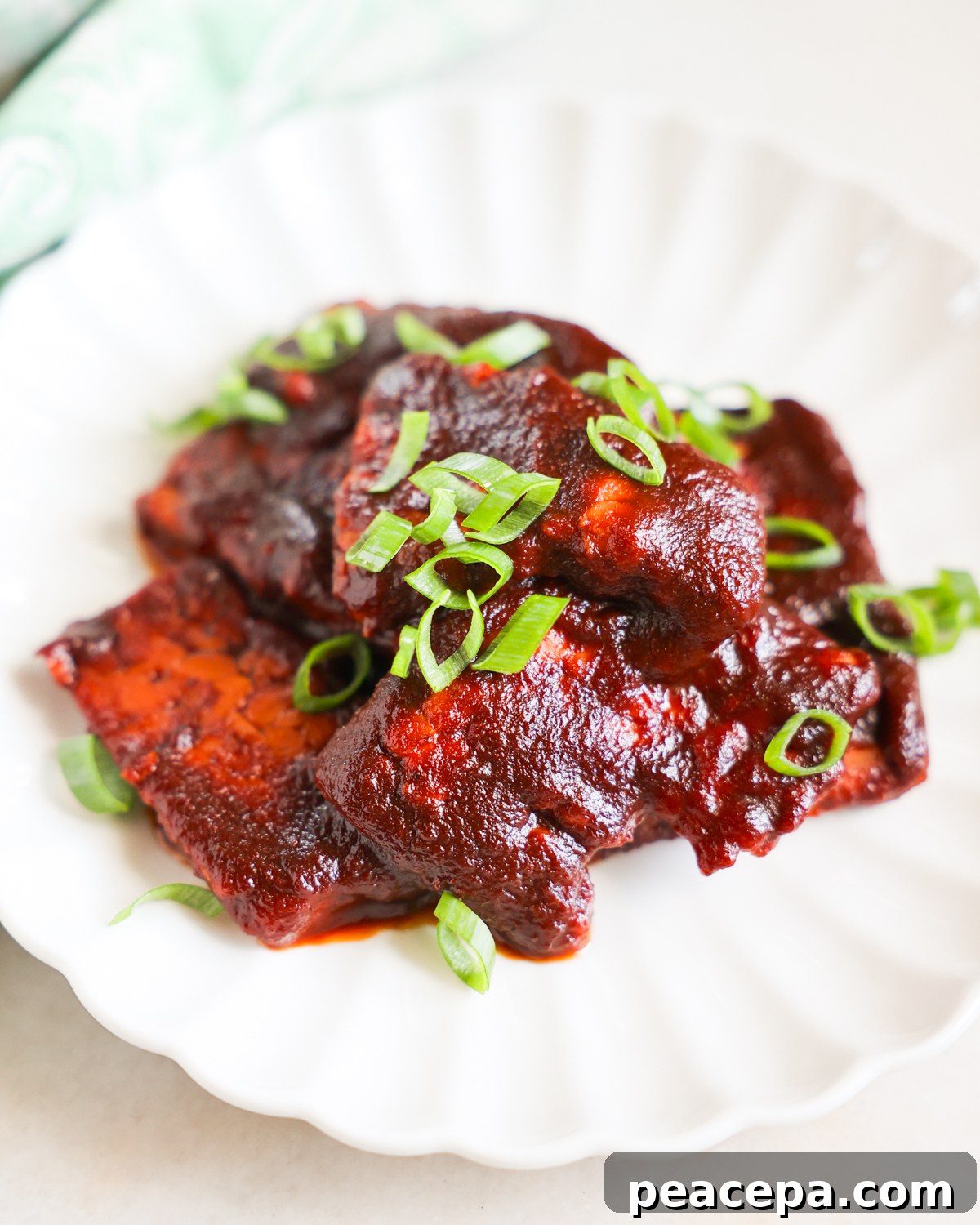
Balsamic Marinated Tempeh
Ingredients
- 1 pack tempeh, cubed
- 1/4 cup soy sauce
- 1/4 cup balsamic vinegar
- 2 tablespoons maple syrup
- 1 clove garlic, minced
- 1 tbsp chipotle chili powder
- Grapeseed oil spray (for cooking)
Instructions
- Mix soy sauce, balsamic, maple syrup, garlic, and chili powder. Add tempeh and coat; marinate at least 1 hour.
- Warm a skillet with oil spray, cook tempeh until browned on all sides, 5–10 minutes.
Colorful starchy and non-starchy vegetables
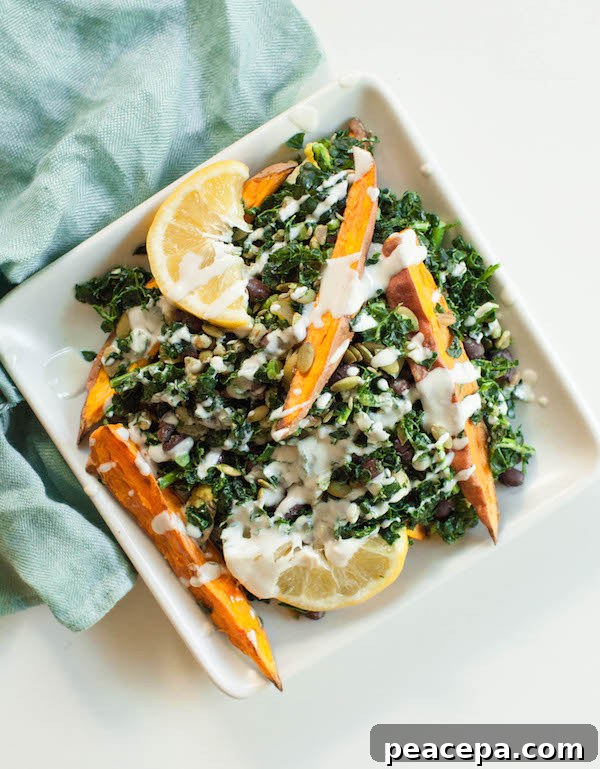
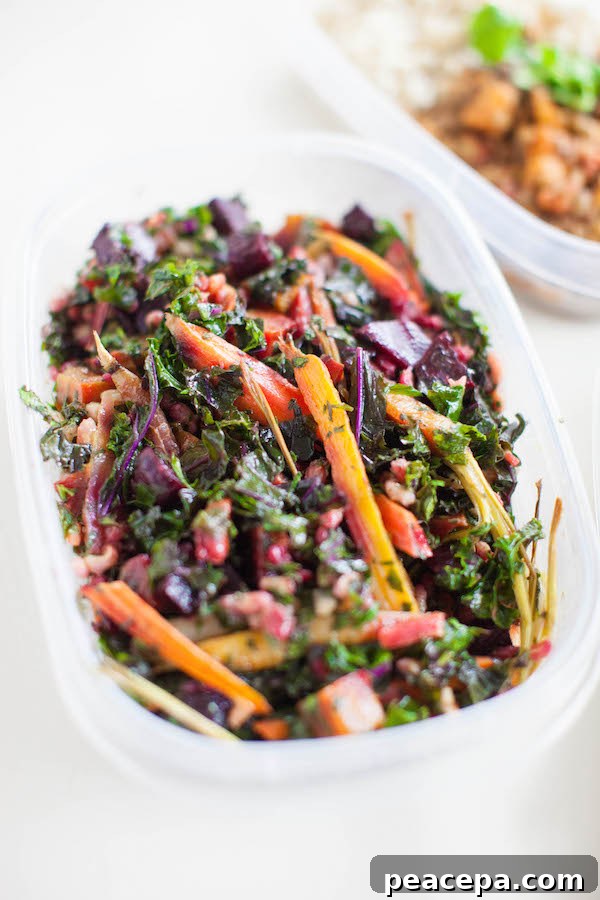
Beyond greens, other vegetables bring flavor, texture, fiber, and nutrients. A colorful plate is a simple rule to eat well—pigments in fruits and vegetables are phytonutrients and antioxidants. Mix raw and cooked veggies for variety.
Perfect salad veggies & how to prepare them
Roasted sweet potatoes
Roasted winter squash
Raw shredded or roasted carrots
Raw shredded or roasted beets
Blanched or air-fried green beans
Raw snap peas
Raw or roasted bell peppers
Grilled summer squash
Grilled asparagus
Raw or roasted cauliflower
Raw or roasted broccoli
Sautéed mushrooms
Pickled veggies (kimchi, sauerkraut)
Sea vegetables (dulse, nori, wakame)
Sliced avocado
Chopped tomatoes
Sliced cucumber
Chayote
Radish
Artichoke hearts
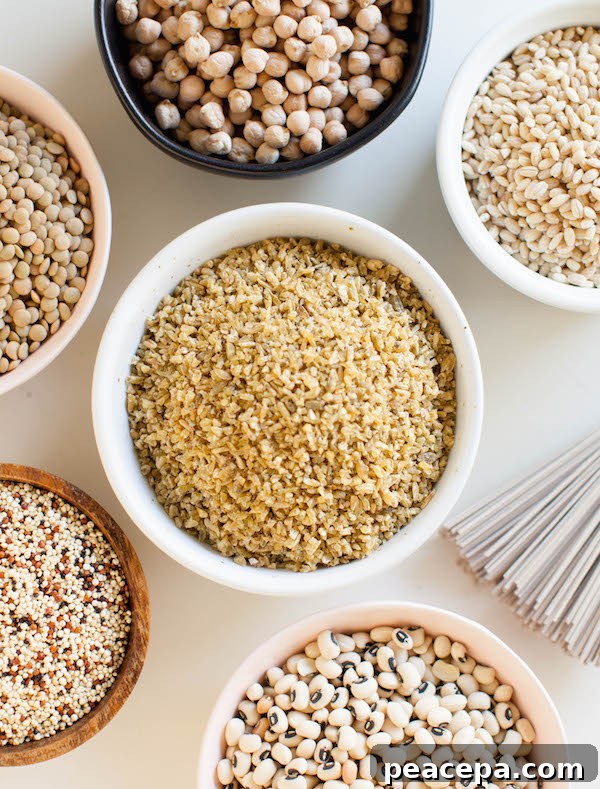
Whole Grains
Whole grains add bulk, fiber, and satisfying texture. They can even serve as a base if you want a heartier salad—just don’t forget the greens.
Perfect fluffy salad grains
Quinoa
Farro
Freekeh
Wheat berries
Bulgur
Buckwheat
Wild rice
Millet
Corn
Croutons
Tortilla strips
Rice noodles
Soba noodles
Nuts & Seeds
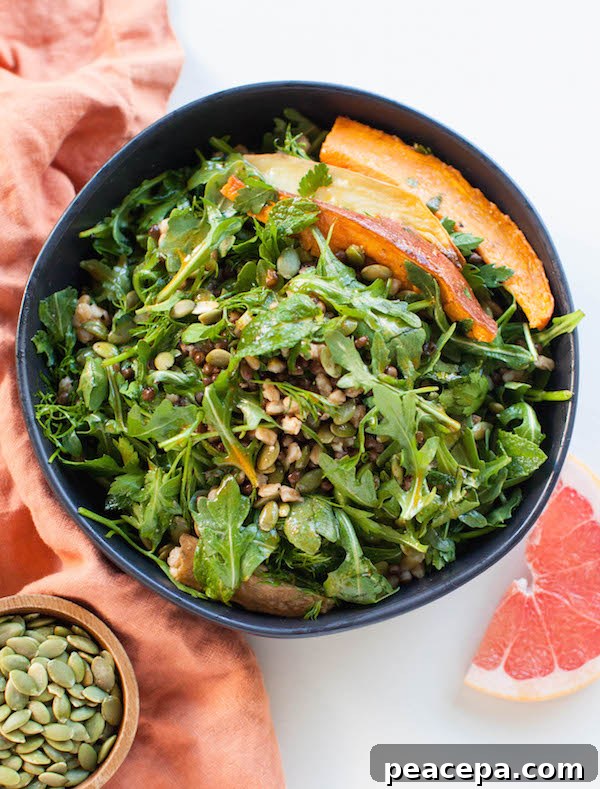
Toasted nuts and seeds add crunch, flavor, healthy fats, protein, and fiber, all of which help keep you full. Regular nut consumption is associated with maintaining a healthy body weight, so don’t shy away from adding them to salads.
Perfect nuts & seeds for salad
Almonds
Pecans
Walnuts
Pumpkin seeds
Sunflower seeds
Hemp seeds
Sesame seeds
BONUS INGREDIENT: Fruit
Fruit adds sweetness, texture, and a bright contrast to savory flavors. Both fresh and dried fruits work well in salads.
Best fruits for a salad
Apples
Pears
Citrus
Stone fruit (peaches, nectarines)
Cherries
Berries
Dried apricots
Raisins
Dates
Watermelon (surprisingly delicious in some salads)
BONUS INGREDIENT: Spices
Spices and spice blends can lift a salad’s flavor and boost nutrition. If you don’t spiced up the dressing, sprinkle some on the finished salad. Sea vegetables are also excellent for adding umami and complexity.
Amazing spices and spice blends
Nutritional yeast
Red chili flakes
Fennel seeds
Black pepper
Mango powder
Italian seasoning
Old Bay (for a seafood flavor)
Gomasio (dulse, salt, sesame)
Harissa (sauce or powder)
Gochujang (sauce)
Sriracha (sauce)
Hot sauce
Pomegranate molasses (great in dressings)