Disclaimer: These tips to reduce bloating are not a substitute for professional medical advice. If you experience chronic or painful bloating, or have serious digestive symptoms, consult your doctor. The suggestions below support an overall healthy lifestyle and may be helpful alongside medical care if a specific condition is responsible for your bloating.

I’ve dealt with bloating for years. Since my teens it’s caused discomfort, pain, and embarrassment. I tried quick fixes—expensive supplements, laxatives, special yogurts, even hydrocolonics—but those didn’t address the root causes: diet and lifestyle habits that harmed my digestion and elimination.
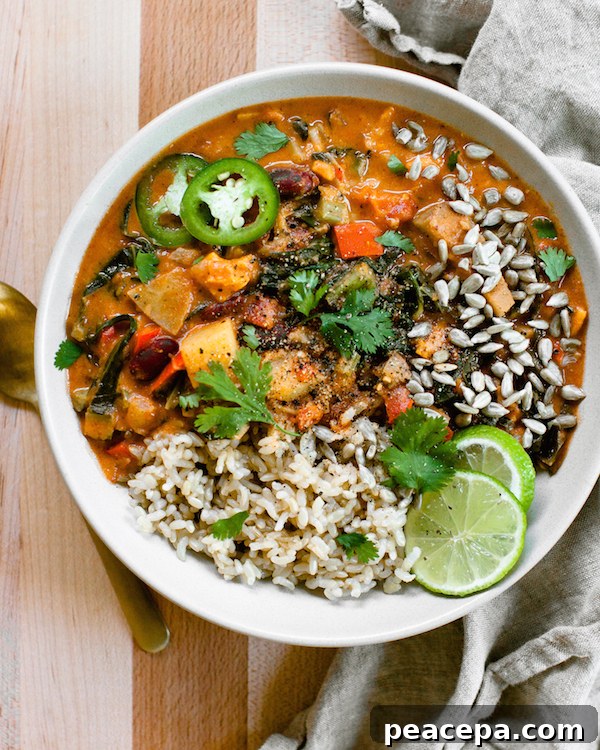
After adopting a plant-based diet in 2011, my digestion improved dramatically. Daily constipation and indigestion disappeared, and bloating became far less frequent. That said, even with a very healthy diet you can still experience gas and bloating sometimes — for example, many people notice increased bloating around their menstrual cycle. Mild cyclical bloating is normal; if yours is severe or painful, seek medical advice.
Bloating also commonly follows overeating, eating foods that trigger sensitivity, or periods of stress. These are normal causes and often respond well to simple, consistent changes.
To take control of bloating, try these five practical, evidence-based tips that fit into a healthy lifestyle.
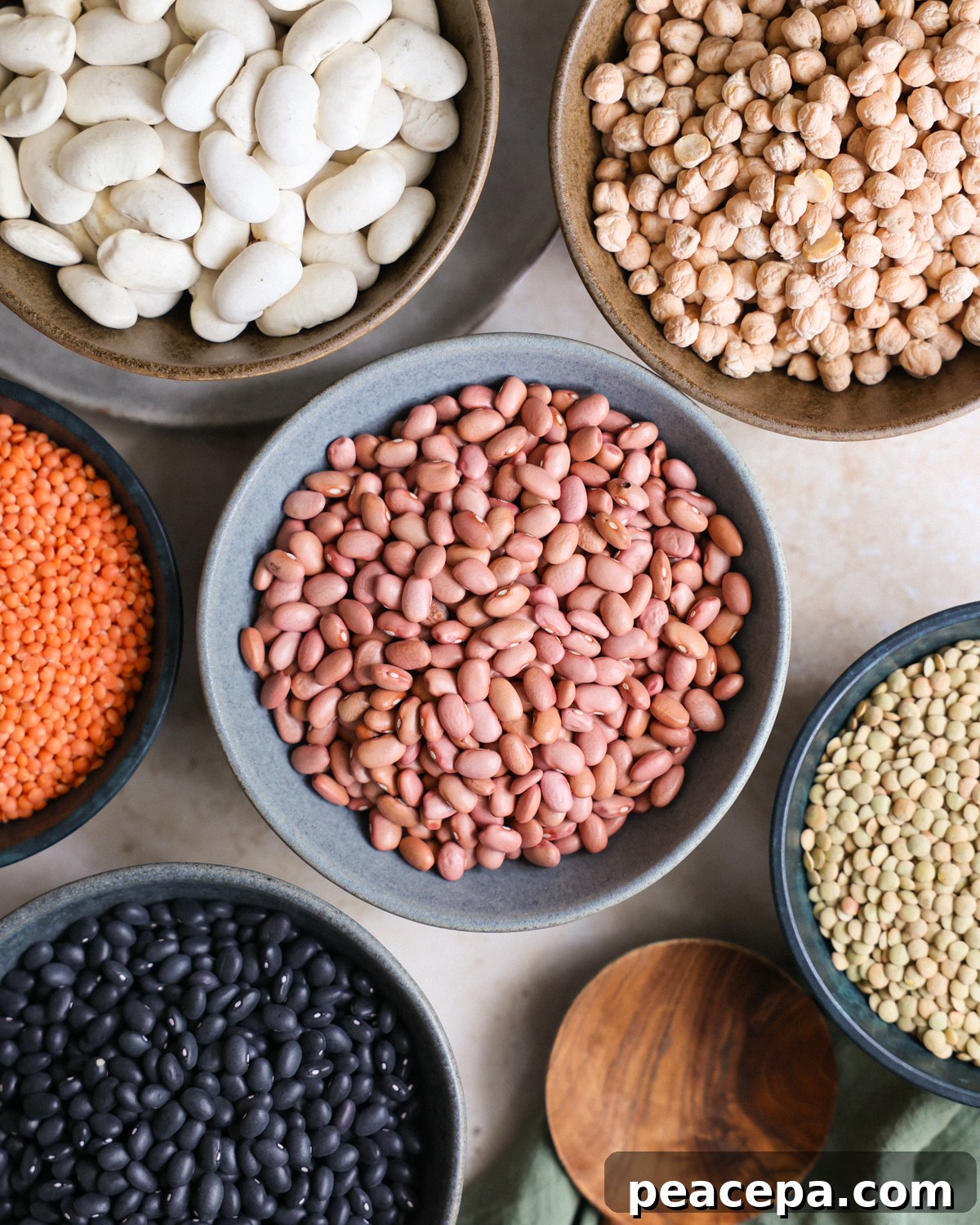
- Eat fiber-rich whole foods: A diet centered on whole plant foods supports regular elimination and a healthy gut microbiome. Fiber feeds beneficial bacteria, helps keep you regular, and reduces the chance of constipation-related bloating. Aim for a variety of cooked and raw vegetables, fruits, whole grains, legumes, and moderate healthy fats like nuts and seeds. If you’re new to this way of eating, a short course of probiotic supplements can be helpful while your gut adjusts, but many people who consistently eat a high-fiber plant-based diet don’t need one.
- Cut or replace dairy: Dairy is a common cause of digestive discomfort for many people. Removing dairy often reduces bloating, constipation, and indigestion. Try plant-based milk, yogurt, and cheese alternatives and notice whether symptoms improve after eliminating dairy for a week or two.
- Keep a food journal: Track everything you eat and drink for at least seven days and note how you feel afterward. A written record helps identify patterns and pinpoint specific foods or meals that trigger bloating so you can remove or modify them.
- Mind food combining: Fruit digests quickly compared with cooked meals. Eating fruit immediately after a heavy or slow-to-digest meal can sometimes lead to fermentation and bloating. Try eating fruit on an emptier stomach or before a cooked meal, and wait 20–30 minutes before eating additional foods. Food combining beyond this tends to matter less, but your food journal may reveal personal combinations that trigger symptoms.
- Use digestive spices and soothing teas: Traditional digestive spices—such as cumin, coriander, fennel, and ginger—support digestion and can reduce post-meal bloating. Cook with these spices or brew them as tea. Peppermint and chamomile are also calming options that may relieve gas and bloating.
Regular exercise is another essential habit for preventing bloating. Aim for at least 30 minutes of movement daily—walking, jogging, yoga, swimming, dance, or high-intensity interval training. Exercise supports healthy bowel function and circulation. Strengthening the core muscles with targeted abdominal work can also reduce the appearance of a bloated belly by improving muscle tone.
Small, consistent changes to diet, lifestyle, and stress management often make the biggest difference. Try these tips for a few weeks, keep notes, and see what works best for you. Good luck getting rid of that bloat!