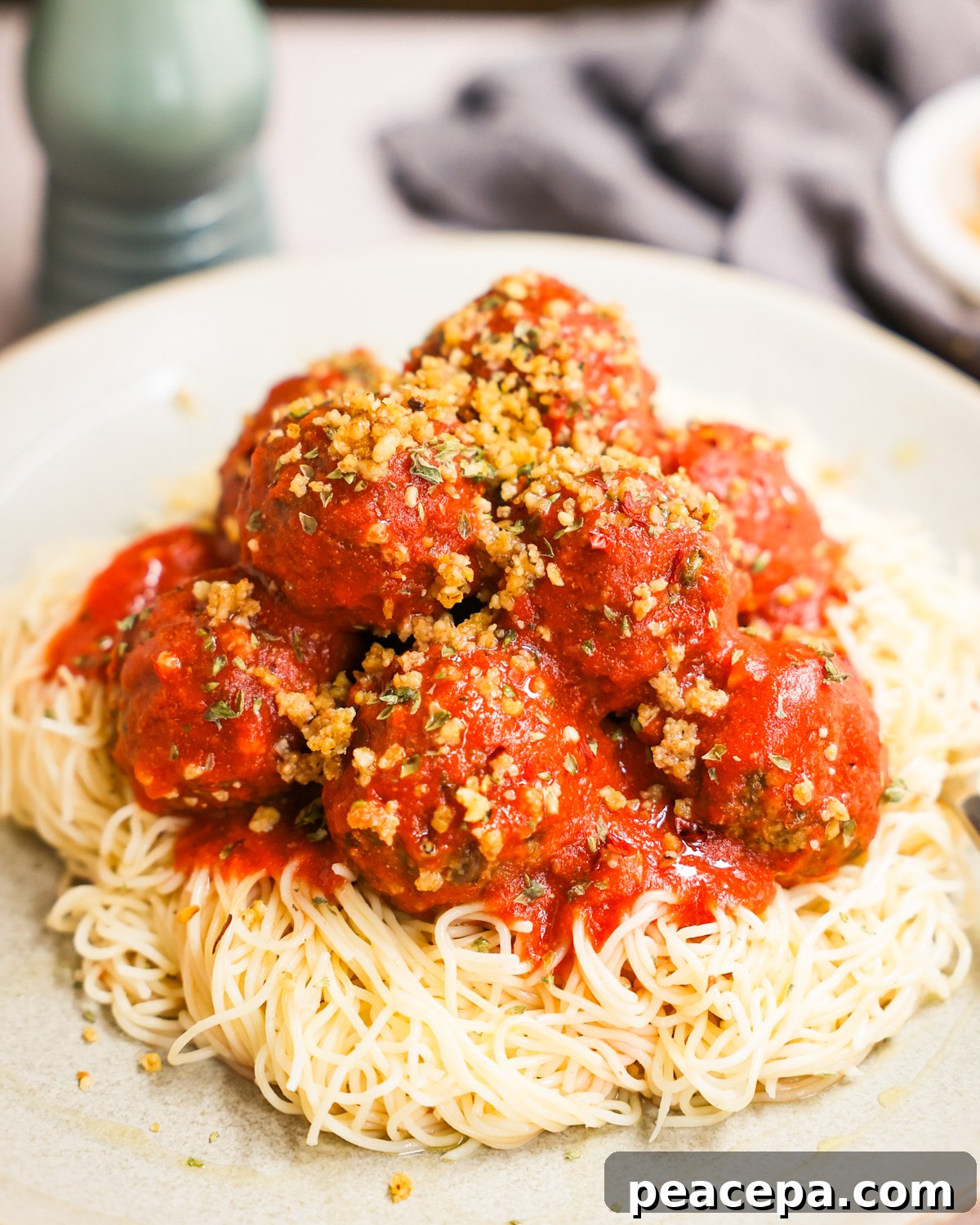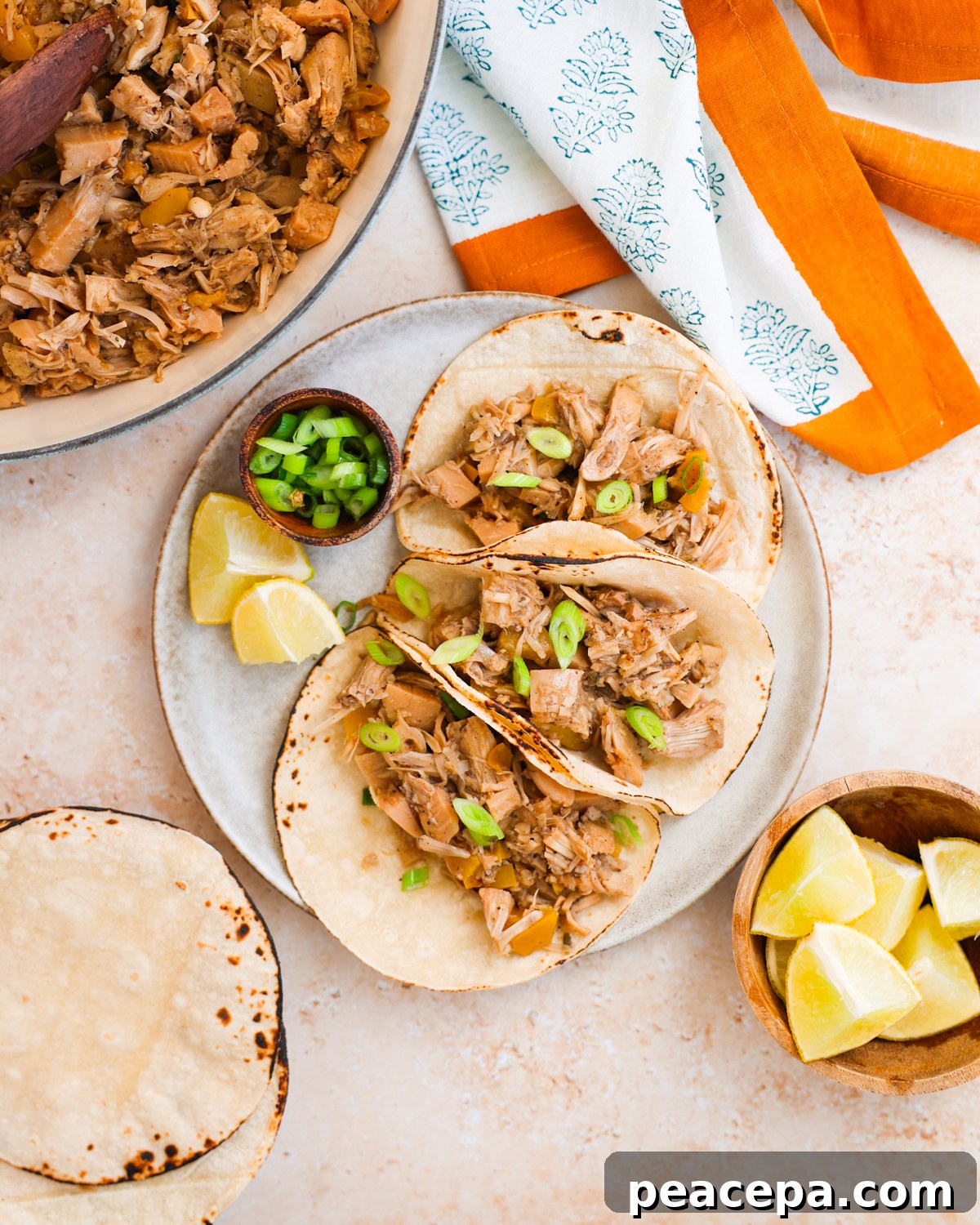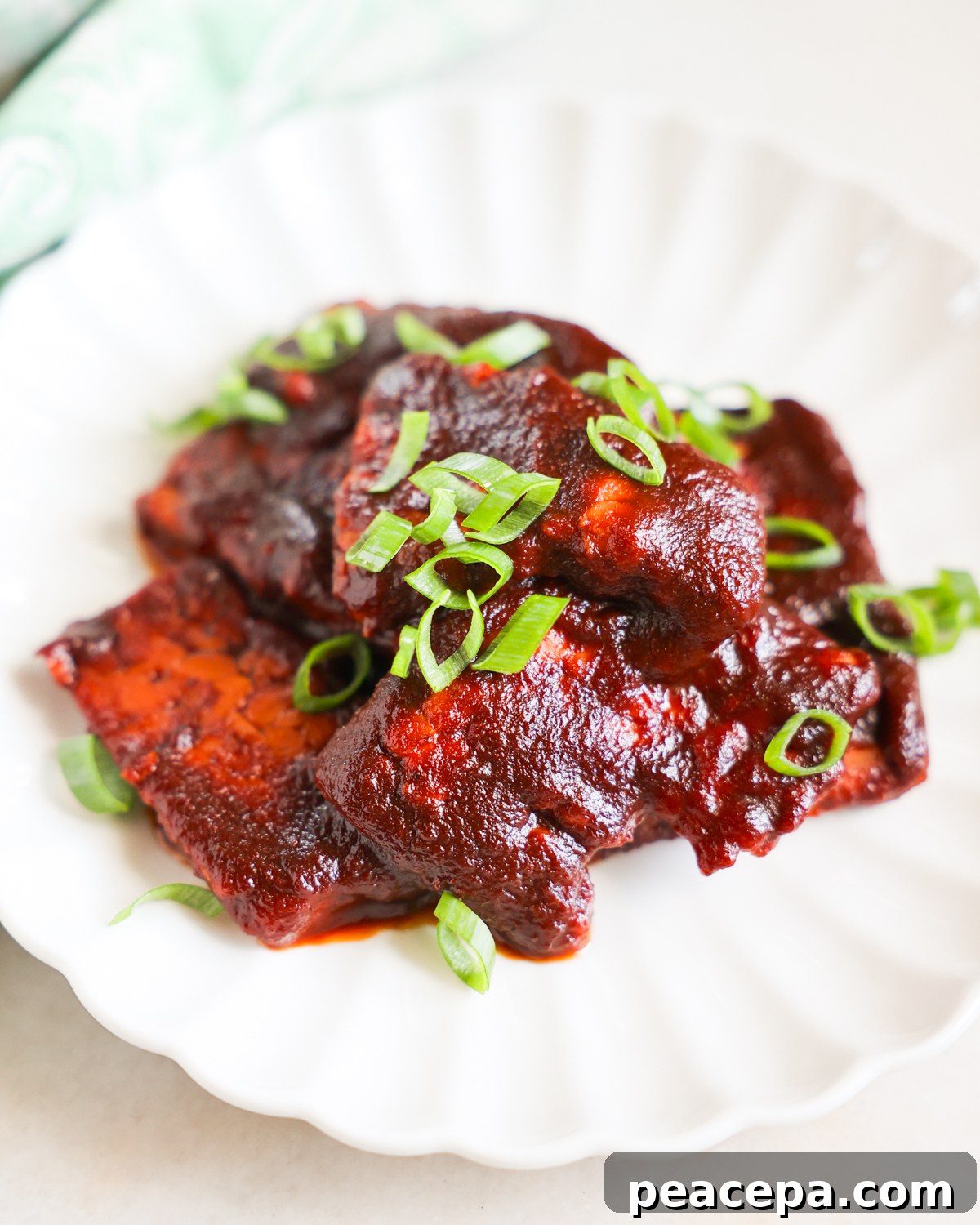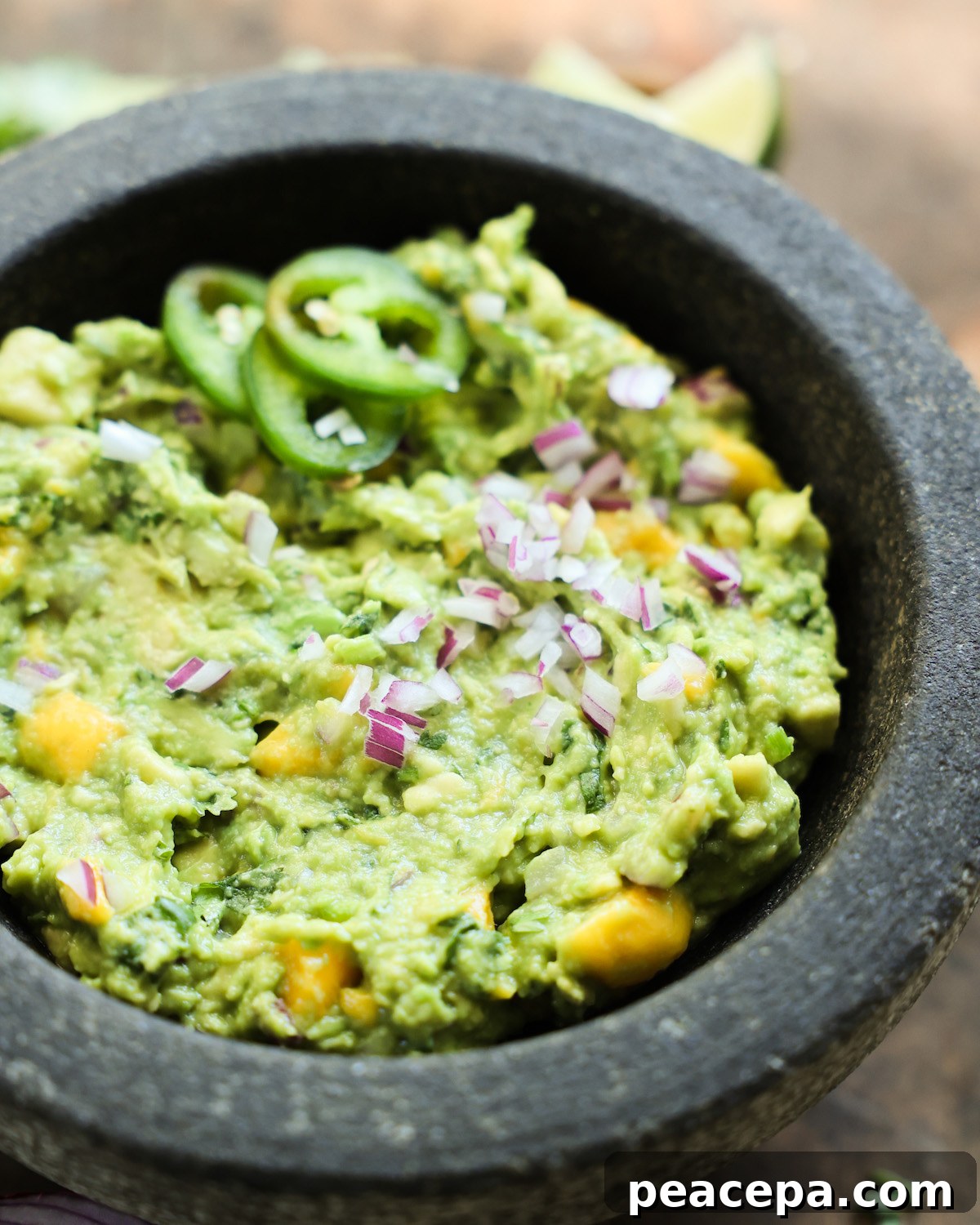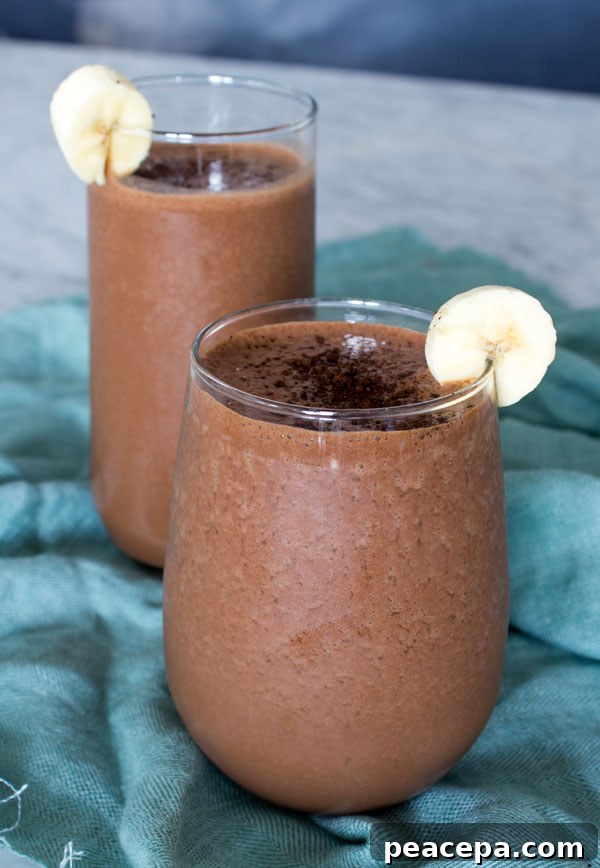

What does it mean to be vegan? Why are there so many diets and labels? Can a vegetarian eat eggs? Is mayonnaise vegan? These are common questions I see in comments, so here I’ll clarify the terms and differences between vegan, vegetarian, and the diets in between. The vocabulary around food and lifestyle can be confusing, so I’ll break down the main definitions and offer practical tips to help you decide what works for you.
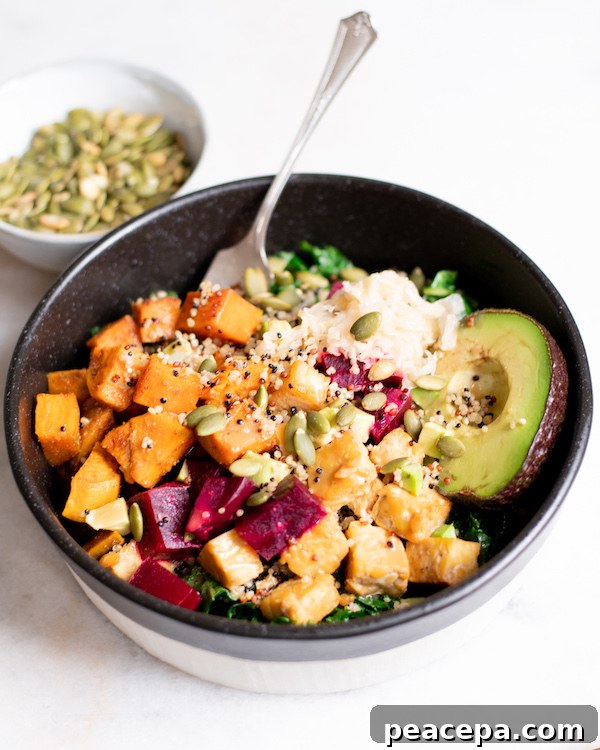
My personal journey to veganism began gradually. Growing up, my family avoided red meat, eating mostly poultry and fish. As I learned more, moving away from animal products felt natural. I first adopted a vegetarian diet and eventually removed eggs, dairy, and other animal byproducts to follow a fully vegan lifestyle.
Vegan vs Vegetarian
In basic terms, vegetarianism excludes animal meat but often allows some animal byproducts like dairy or eggs. Veganism excludes all animal-derived foods. But beyond diet, veganism is also a broader ethical philosophy for many people.
Diet vs. Lifestyle
A diet describes the food you eat. A vegan diet means you don’t consume animal products. A lifestyle extends beyond food: many people who follow a vegan lifestyle also avoid animal-derived clothing and products, choosing cruelty-free and plant-based alternatives for fashion, cosmetics, and household items.
Other Types of Diets
Pescatarian: a vegetarian-style diet that includes fish and shellfish.
Lacto-vegetarian: includes dairy but excludes eggs.
Lacto-ovo vegetarian: includes both dairy and eggs.
Ovo-vegetarian: includes eggs but not dairy.
Plant-based: focuses primarily on plants and whole foods; some people using this term may still occasionally include small amounts of animal products.
Flexitarian: a mostly plant-forward approach that allows flexibility for occasional animal products.
Read the Label
Labels can be surprising. Some common items aren’t vegan even if they seem like they would be. For example, white sugar is sometimes refined with bone char, which many vegans avoid. Ingredients to watch for include gelatin, honey, casein, rennet, lanolin, and certain additives derived from animals. Leather, wool, silk, and other non-food items are also animal-derived. There are plenty of vegan alternatives—yes, that includes vegan mayonnaise—so checking ingredients matters.
How do I go vegan?
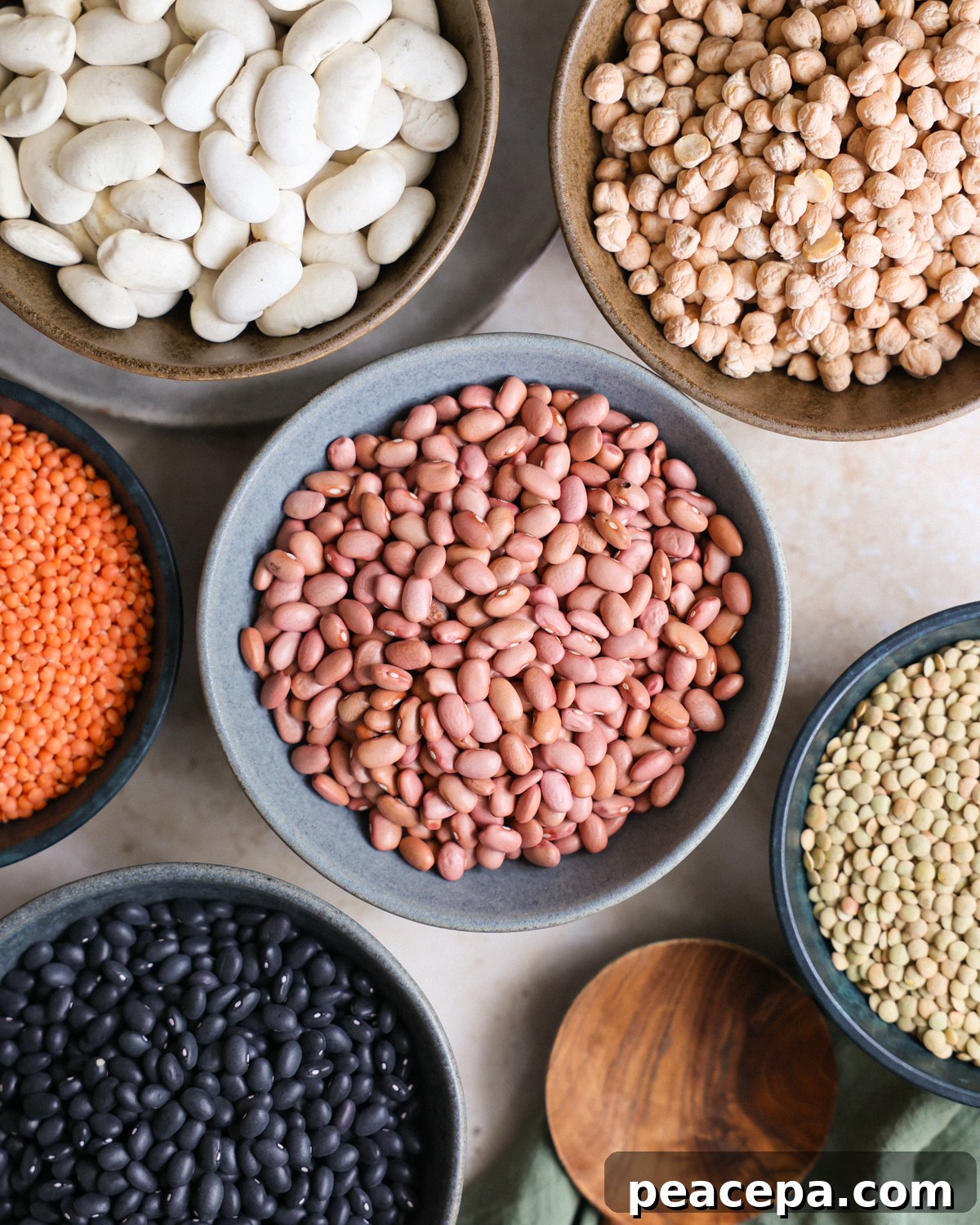
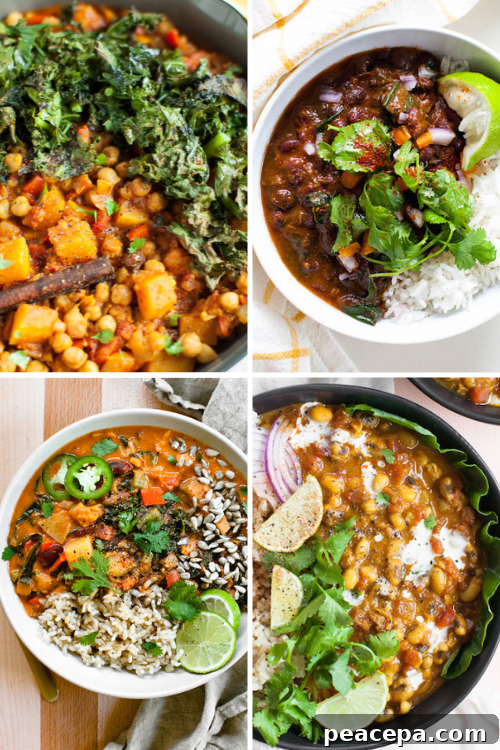
Transitioning to a vegan lifestyle is easier now than ever. A practical approach is consistency and balance. One method I use is an 80:20 rule: about 80% of the time I eat whole, nutrient-dense plant foods—legumes, whole grains, nuts, seeds, fruits, and vegetables—and I allow the remaining 20% for processed or convenience vegan foods. Some people aim for 90:10, but flexibility helps the change stick long-term.
To ensure adequate nutrients, many vegans take a daily multivitamin or targeted supplements. Always consult a healthcare professional before starting any supplement; some supplements and vitamins contain animal-derived ingredients such as gelatin or fish oil, so check labels closely.
Make meals colorful and varied—plant-based eating doesn’t have to be boring. Staples like tempeh and tofu are versatile, absorb flavors well, and make an easy transition into plant-based cooking. Experimenting with recipes keeps meals enjoyable and nutritionally balanced.

Why should I go vegan?
People choose veganism for different reasons: health, ethics, environmental concerns, or a combination. A plant-focused diet can support heart health and other benefits when planned mindfully, and many choose veganism to reduce harm to animals. The shift doesn’t need to be immediate—gradual steps and occasional setbacks are normal. Explore recipes, learn what works for your body, and make changes at your own pace.
What did you learn about vegan vs vegetarian lifestyles? Share your favorite plant-based meals and tips in the comments—simple, tasty recipes are a great way to encourage others to try more plants in their diets.