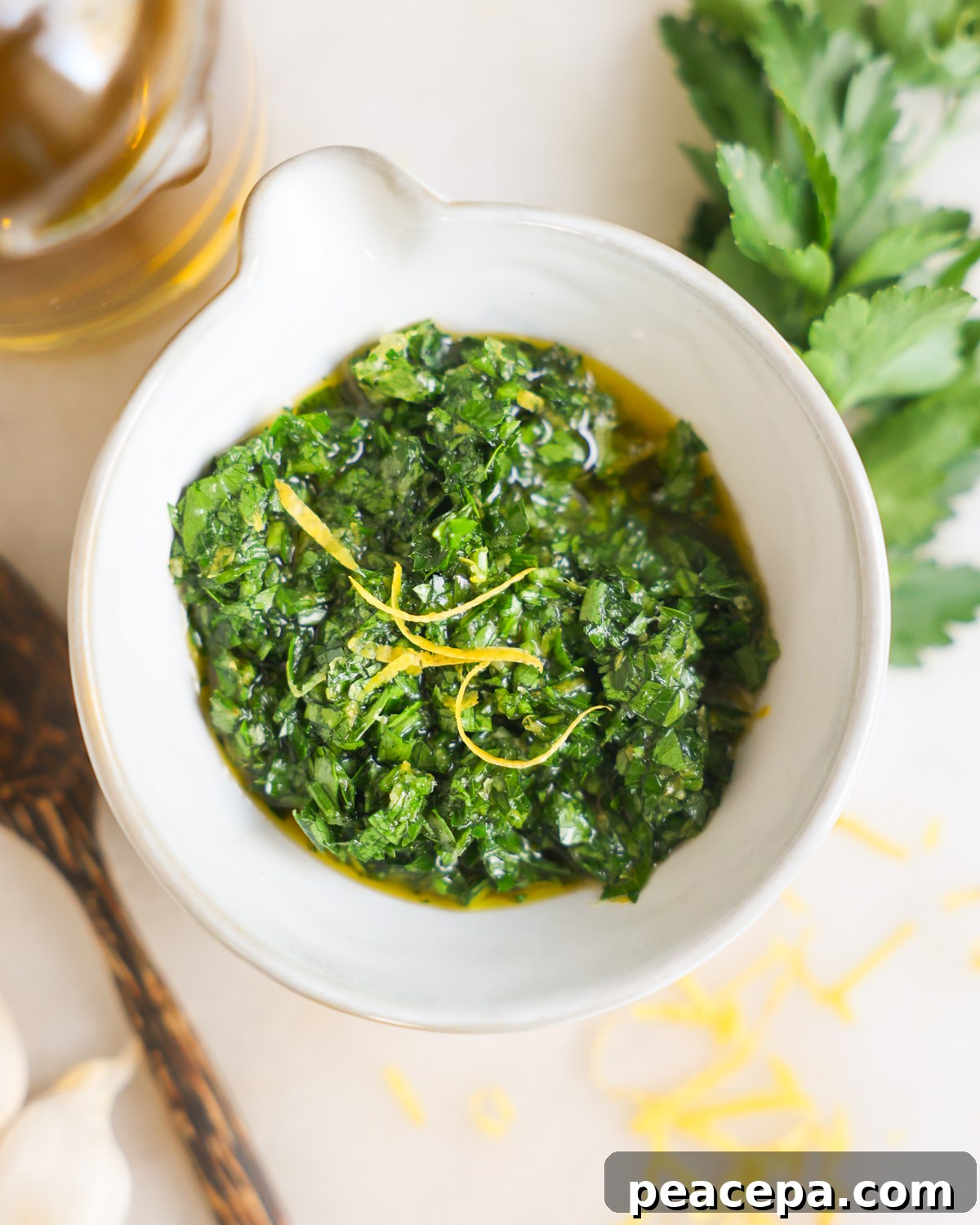
Gremolata is one of the quickest, most effective ways to brighten a meal. Made from just a handful of fresh ingredients, it takes only minutes to prepare and adds a bright, zesty lift to proteins, vegetables, pasta, and more. Below I explain what makes this gremolata slightly different from the classic version, offer helpful substitutions for different cuisines, and share simple tips for preparing and storing it so you get the best flavor every time.
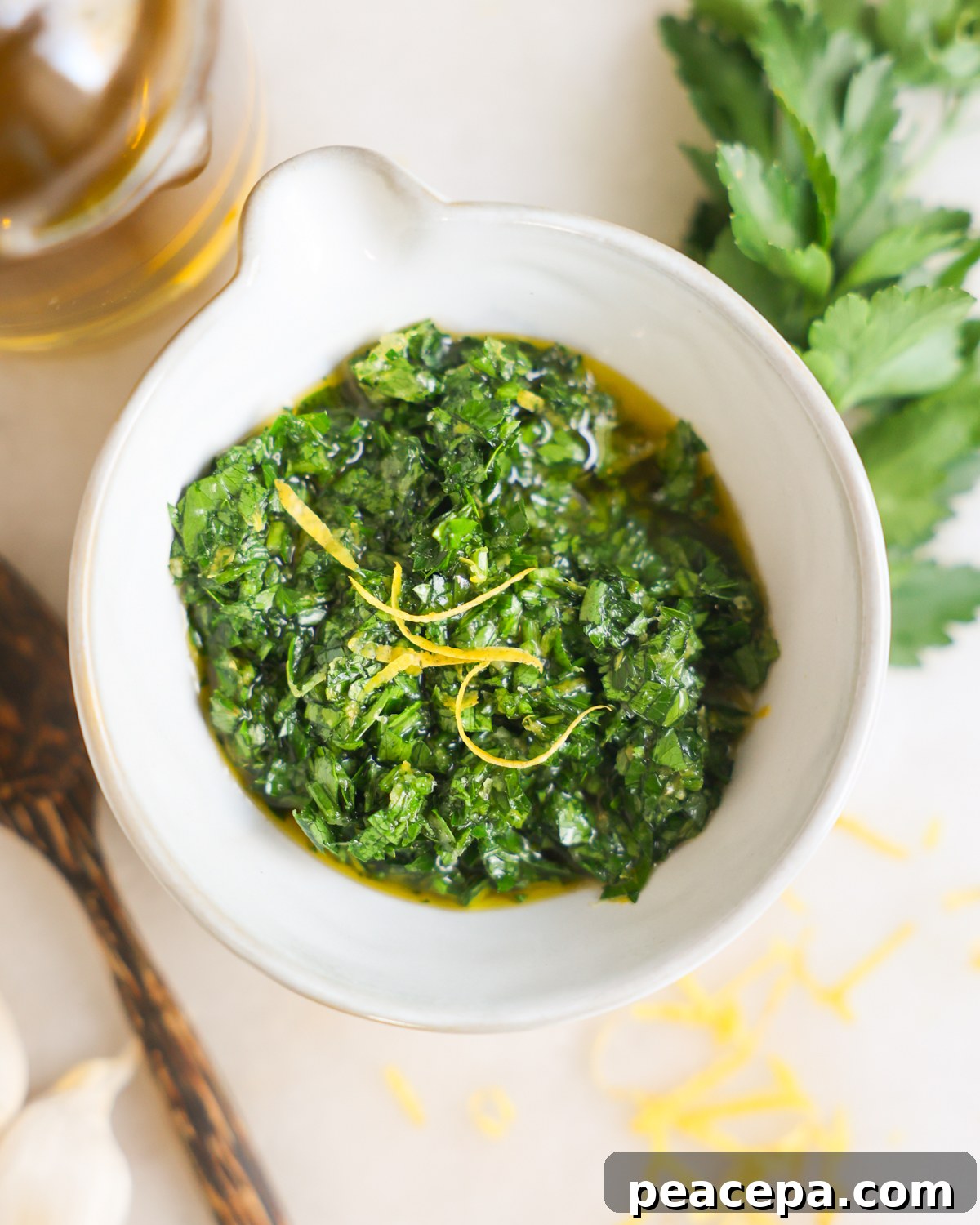
Traditional Italian gremolata consists of three main ingredients: parsley, garlic, and lemon zest. It’s commonly used as a finishing garnish for meat and fish, but it’s equally delicious on roasted or grilled vegetables, mushrooms, and plant-based mains. In my version I add a good-quality extra virgin olive oil and a pinch of salt. The oil helps the flavors meld, gives a silky mouthfeel—especially helpful with plant-forward dishes that can be lean—and makes the gremolata drizzle-friendly.
When teaching others to cook, I stress the value of balancing flavors. Instead of reaching immediately for more salt, try adding acid, herbs, or a touch of sweetness. This gremolata delivers bright citrus, fresh herbiness, and savory garlic all at once to lift and harmonize a dish.
Use this gremolata on Lion’s Mane mushroom steaks, black-eyed pea fritters, air-fryer sweet potato wedges, grilled eggplant, or any dish that could use a vivid finish.
Key Ingredients
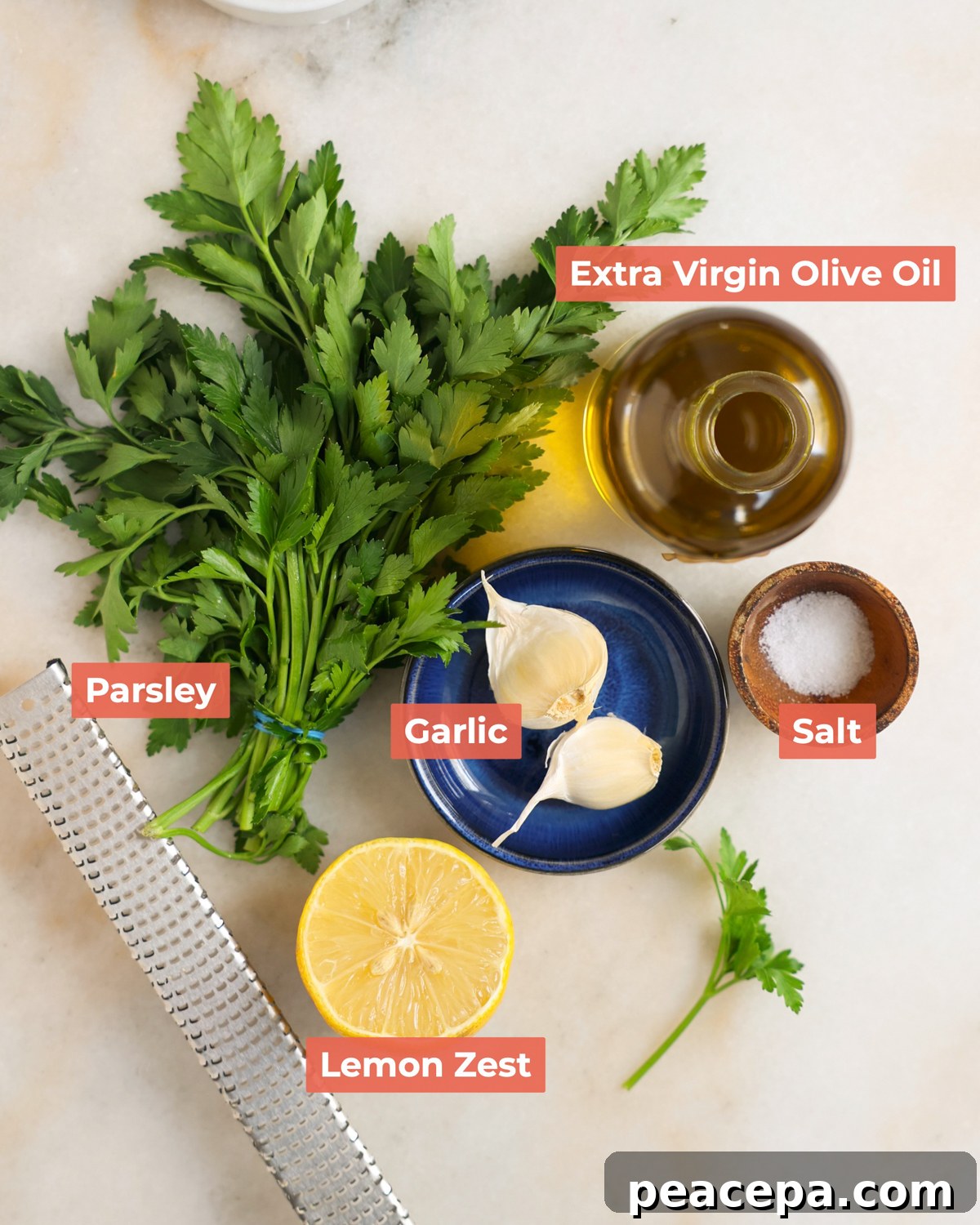
Gremolata requires only a few simple, fresh ingredients. Below are notes on each and suggestions for swaps.
Fresh parsley: Flat-leaf parsley is traditional and offers a bright, clean flavor. Curly parsley works too. You don’t need to strip every stem—finely chopped stems are fine and add flavor.
Garlic: Raw garlic gives gremolata its pungent backbone. Grate or mince garlic finely for the most even distribution and punchy taste.
Lemon zest: The zest contains the aromatic oils that deliver citrus brightness. Avoid the bitter white pith beneath the skin. Prefer organic lemons, or wash conventionally grown fruit well before zesting.
Extra virgin olive oil (optional): Traditional gremolata is often oil-free, but adding a good-quality EVOO helps the ingredients marry, provides body, and makes the garnish easy to drizzle. Use it if you want a richer mouthfeel.
See the recipe card below for exact proportions.
Recipe Variations
Gremolata is very adaptable—swap herbs, citrus, or add-ins to match different cuisines.
Classic oil-free: Omit the oil for a more traditional, dry gremolata.
Latin-style: Use cilantro instead of parsley and lime zest instead of lemon. A neutral oil or none at all keeps the flavors bright; works well with Latin and Indian dishes.
Mediterranean mix: Combine parsley with mint, tarragon, or basil for a more complex herb blend.
Pine nut or almond gremolata: Toasted pine nuts or finely chopped toasted almonds add a nutty crunch. For a nut-free option, substitute toasted pumpkin or sunflower seeds.
Arugula gremolata: Replace parsley with arugula for peppery bite—delicious on roasted or grilled vegetables.
Basil gremolata: Swap in fresh basil and use it as a quick pasta sauce or as a finishing touch for pizza.
Thai-style: Use Thai basil and lime zest, and skip or swap the oil for a neutral-tasting oil to pair with Southeast Asian flavors.
Spicy gremolata: Add 1/2 teaspoon red chili flakes for heat.
Quick tip: Make a few small variations and serve them as a condiment sampler when entertaining.
How to Make Gremolata
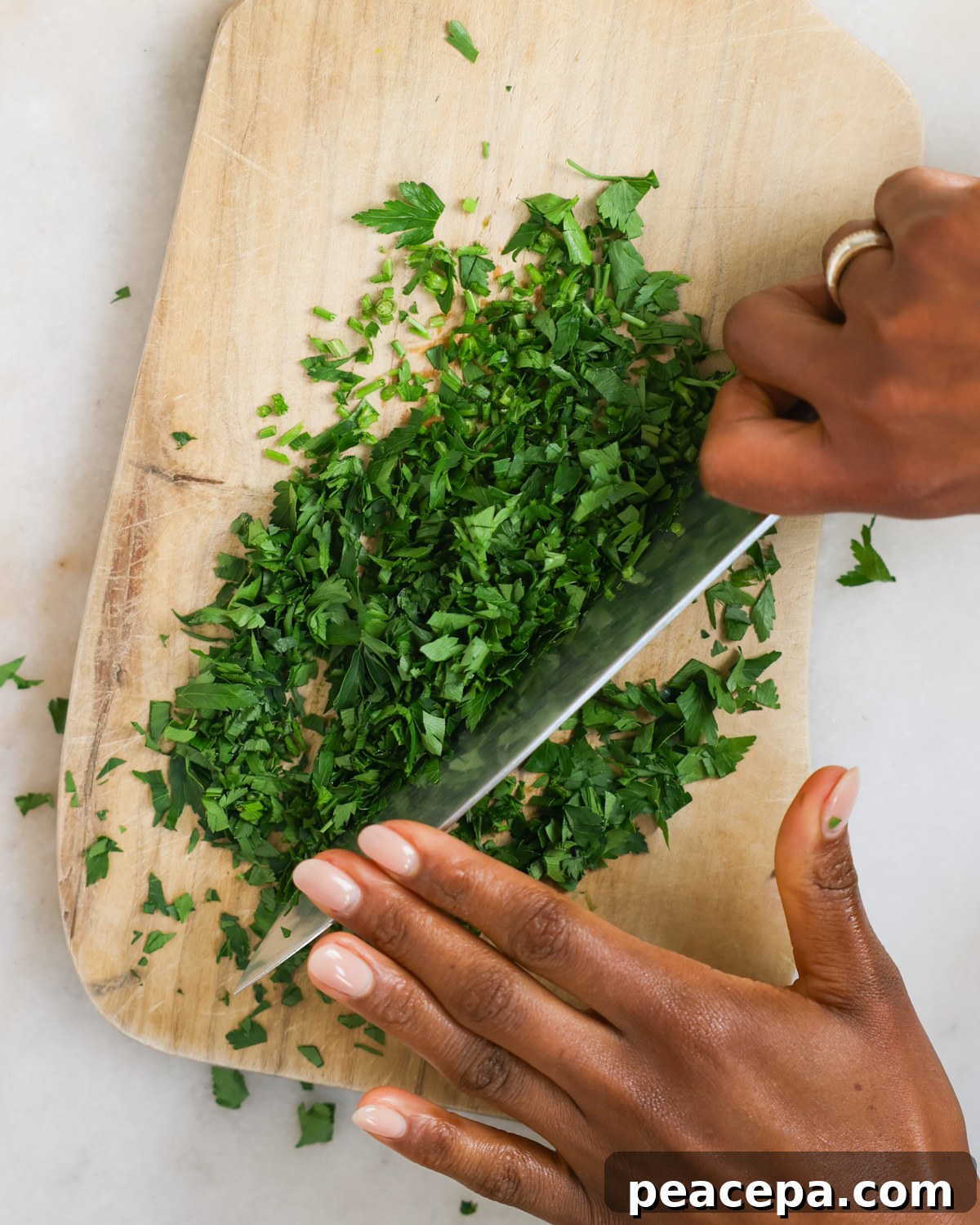
- Chop the herbs. Use a sharp chef’s knife to mince the parsley (including small stems if desired).
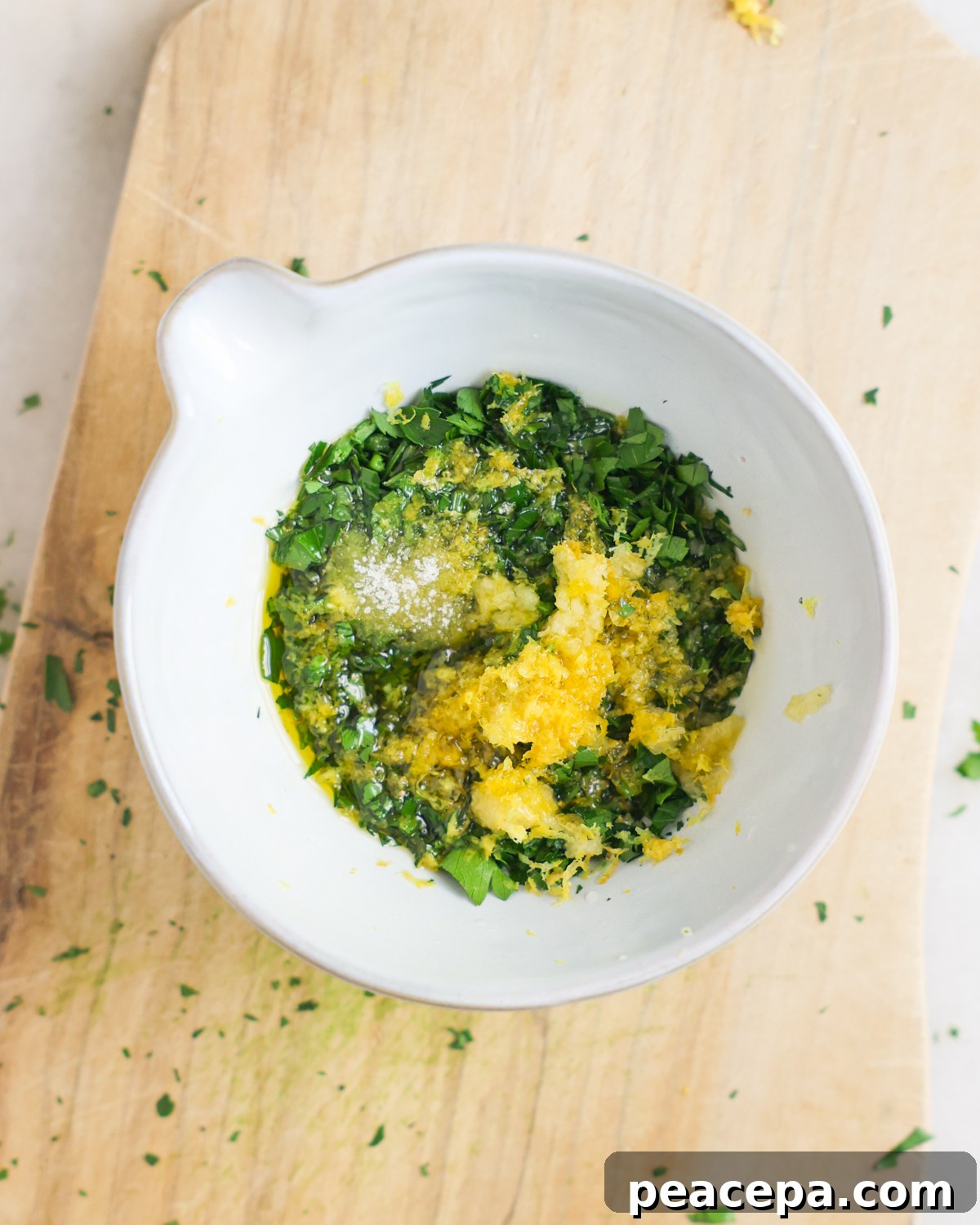
- Combine ingredients. In a bowl, add the chopped parsley, grated or minced garlic, lemon zest, olive oil (if using), and a pinch of salt.
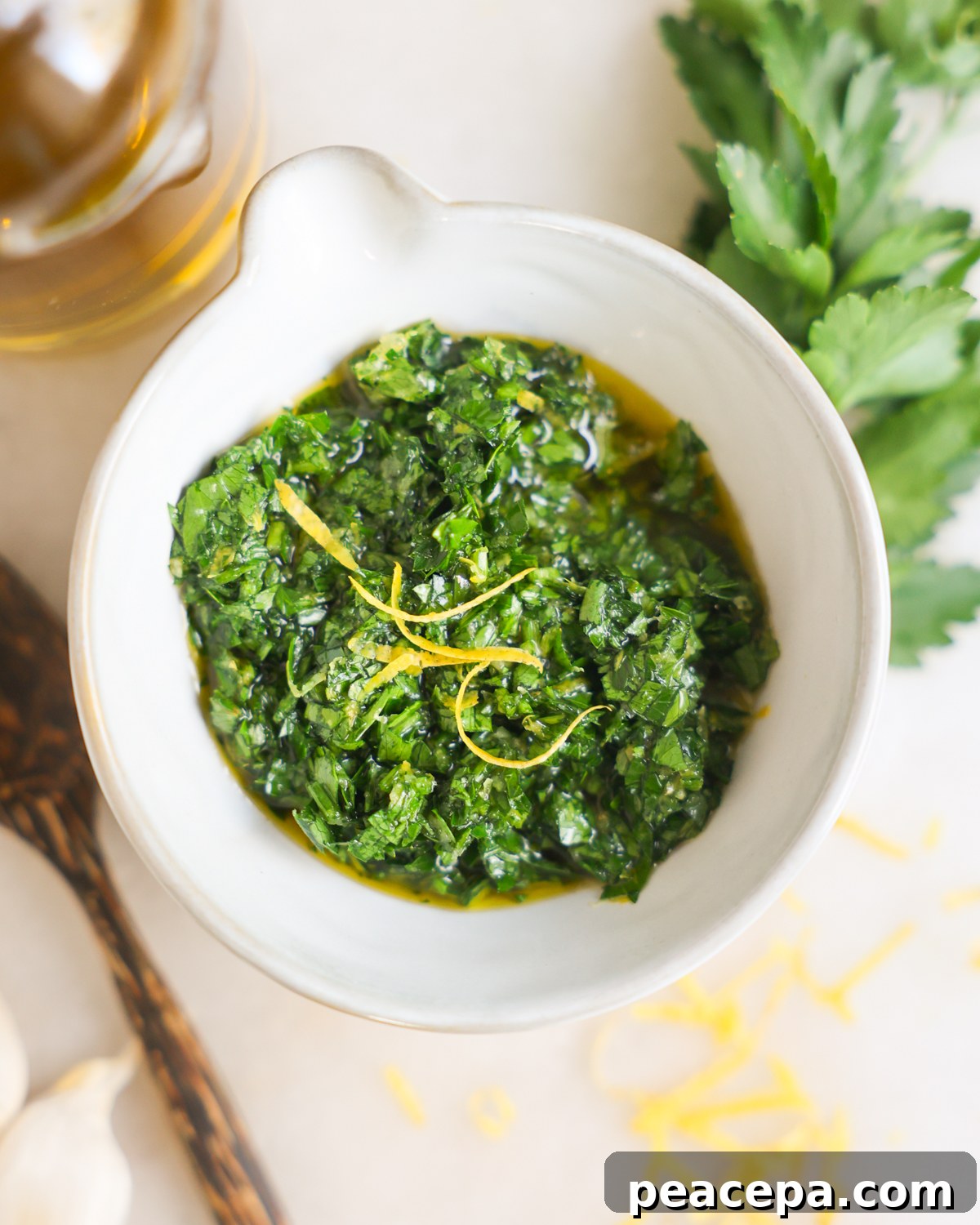
- Stir to combine, taste, and adjust seasoning. Serve immediately.
Jenné’s Recipe Tips
- Use a sharp knife: A sharp chef’s knife gives a clean mince; dull blades can bruise herbs and dull their flavor.
- Dry the parsley: Make sure the parsley is well rinsed and thoroughly dried so the gremolata isn’t watery.
- Zesting alternatives: If you don’t have a microplane, use a peeler to remove only the yellow skin, then finely mince the strips to avoid bitter pith.
- Skip the food processor: Gremolata is best when chopped by hand so the herbs retain texture and bright flavor.

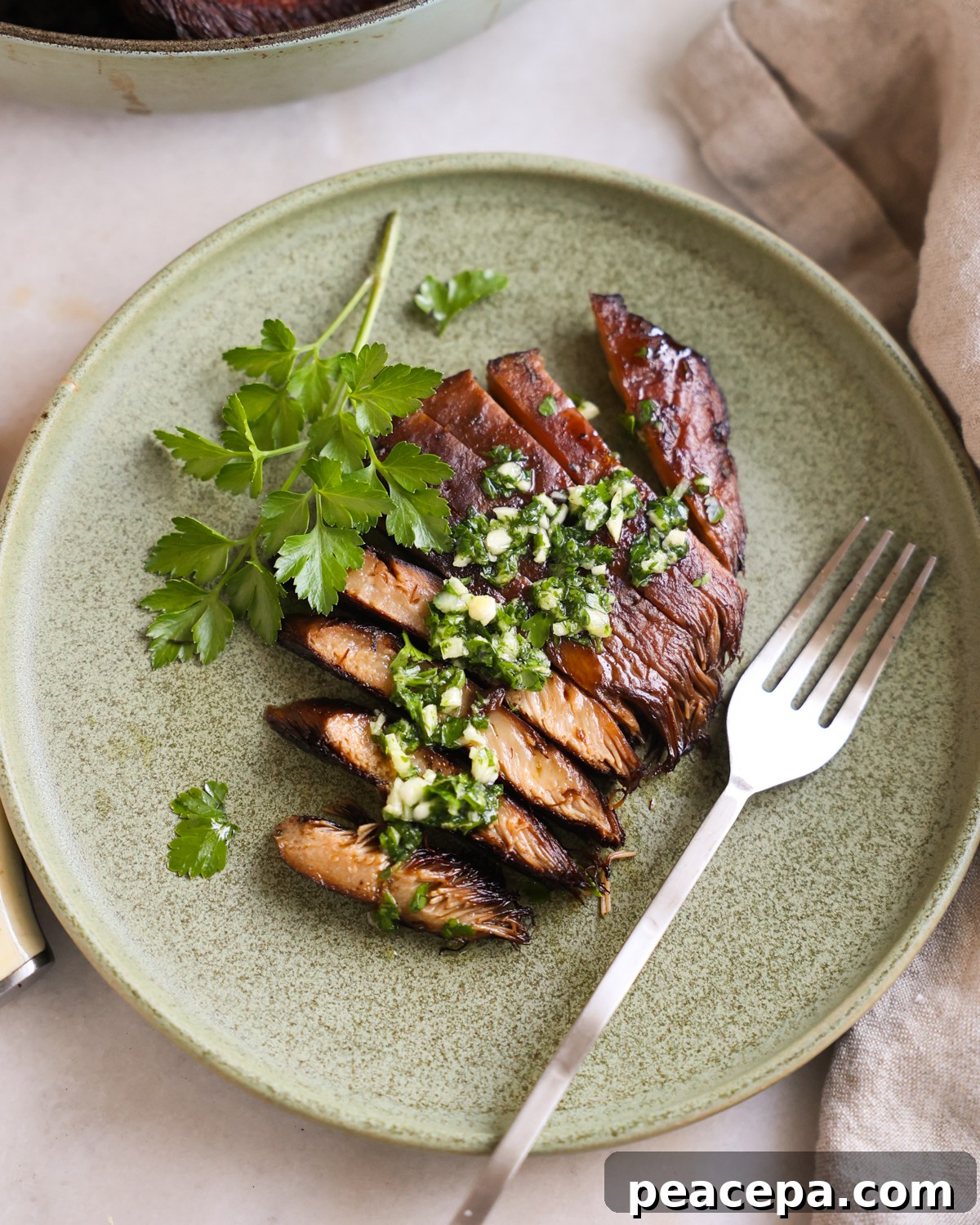
How to Use Gremolata
Gremolata is versatile and works as a finishing sauce, dressing, or pesto substitute. Try it on:
- Black-eyed pea fritters
- Lion’s Mane mushroom steaks
- Roasted or air-fryer sweet potatoes
- Zucchini quinoa burgers
- Vegan pasta dishes
- Mashed potatoes, soups, salads, or crusty bread
How to Store
Keep gremolata in an airtight container in the refrigerator for up to 3 days. If refrigerated, remove it at least 30 minutes before serving so any chilled oil softens and the flavors are more pronounced.
Frequently Asked Questions
Gremolata centers on parsley, garlic, and citrus zest and is typically lighter and brighter. Chimichurri is an Argentinian sauce that includes herbs, garlic, oil, and vinegar and often has more spice and a looser, oilier consistency. The citrus zest in gremolata gives it a distinctive brightness.
Traditionally served with meats and fish, gremolata is equally delicious on mushrooms, grilled or roasted vegetables, pasta, soups, salads, bread, pizza, and dips—basically anything that can use a burst of fresh flavor.
Yes. Prepare up to three days in advance and refrigerate. Bring to room temperature before serving so the oil softens and the flavors are at their best.
More Delicious Vegan Condiments
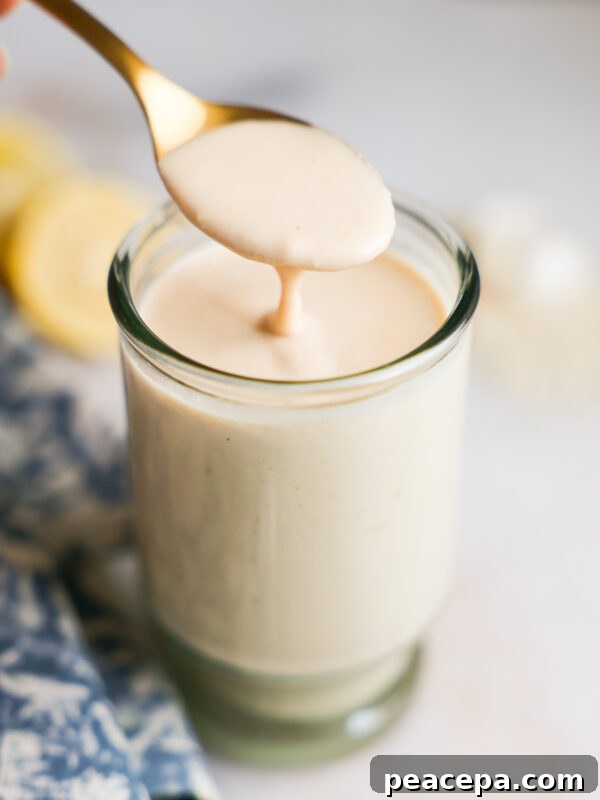
Vegan Sauces & Condiments
Creamy Miso Tahini Dressing
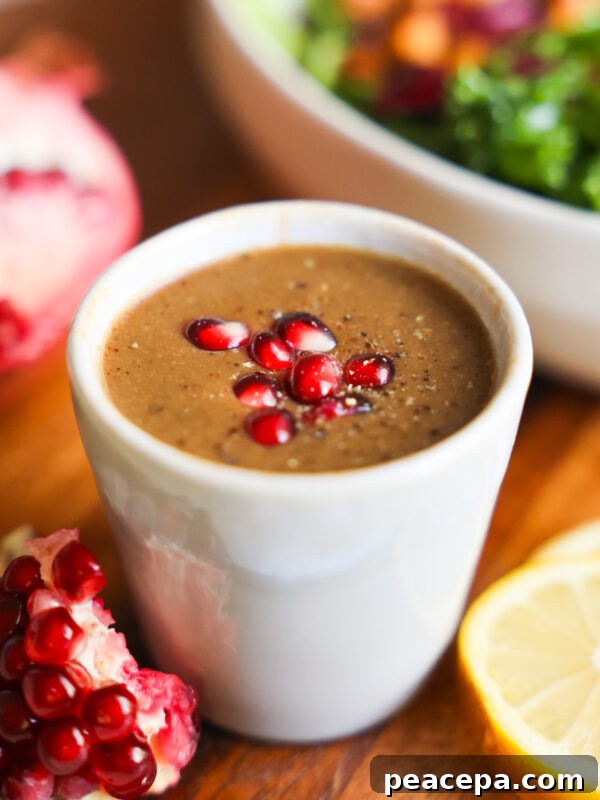
Vegan Sauces & Condiments
Perfect Pomegranate Vinaigrette
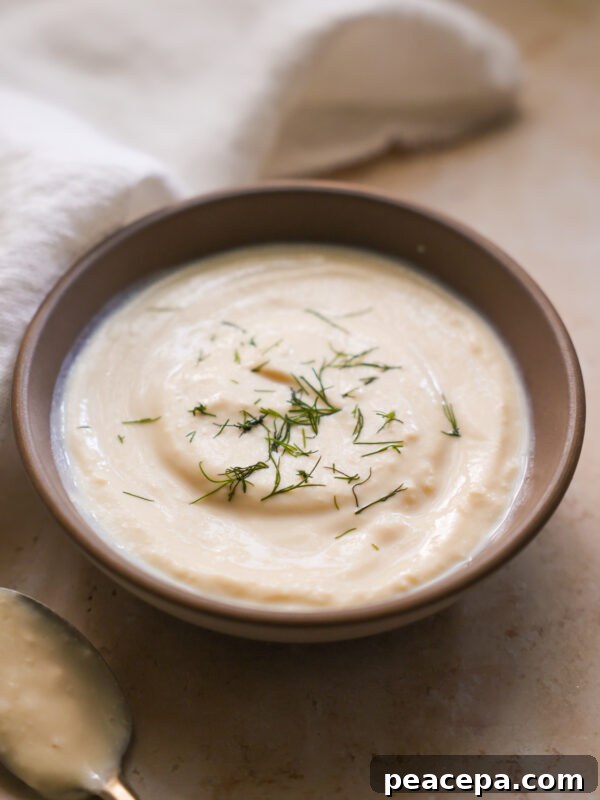
Vegan Sauces & Condiments
Vegan Sour Cream
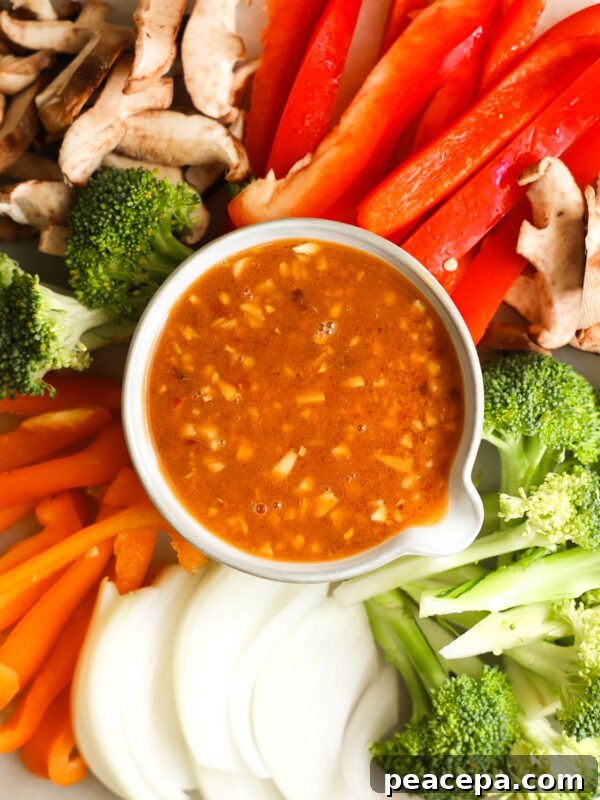
Recipe Round Up
11 Vegan Sauces That Transform Any Meal
If you try this gremolata or any recipe inspired by this page, please consider leaving a five-star rating and a comment to share how you used it. Thanks for reading!
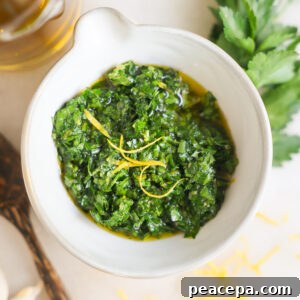
Gremolata
Ingredients
- ½ cup parsley, washed, dried, and finely chopped
- 2 cloves garlic, minced or grated
- 1 tbsp lemon zest (about 1 lemon)
- ½ tsp sea salt or Maldon salt
- ⅓ cup good quality extra virgin olive oil (optional)
Instructions
- Combine all ingredients in a bowl, stir to combine, and season to taste. Serve immediately.
Notes
- Use a sharp chef’s knife to mince the parsley to avoid bruising and bitterness.
- Dry the parsley thoroughly for best texture.
- Zesting without a microplane: Peel only the yellow skin, then finely mince the zest and add it to the gremolata.
- Make by hand: For the best texture and fresh flavor, avoid using a food processor.