Everything you need to know about egg substitutes and replacements. Recreate beloved meals and desserts without eggs, save money by using affordable alternatives, or add more plant-based dishes to your routine. These options are easy to find, nutritious, and work well in many recipes.
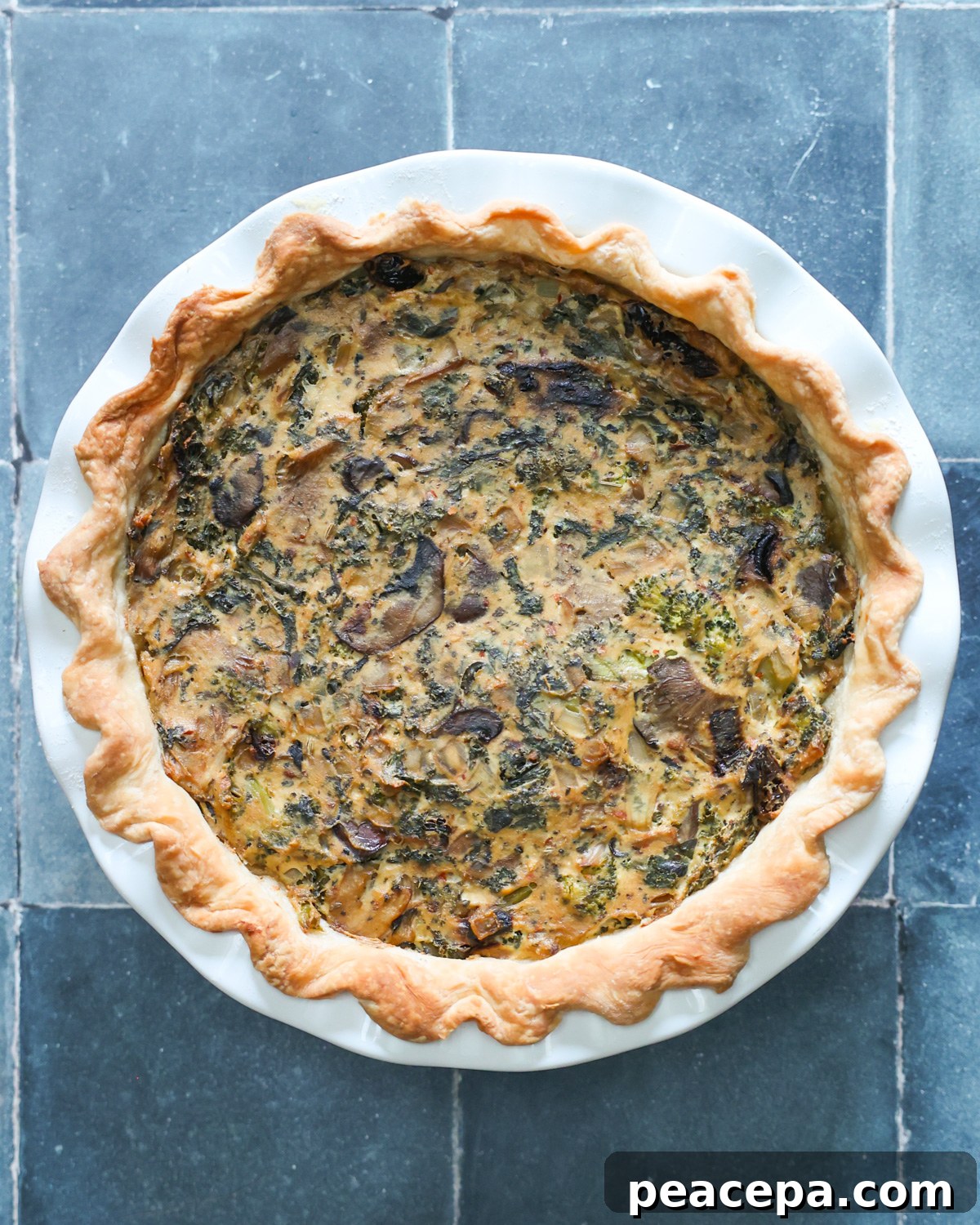
Vegan egg replacements once drew interest mainly from vegans and plant-based eaters, but today they’re useful to many more people—especially with rising egg prices and occasional shortages. In recent months, egg cartons that once cost a few dollars can now retail for much more, which has pushed many home cooks to look for alternatives.
Part of the price shift stems from outbreaks that have impacted commercial flocks, reducing supply. The concentration and conditions on large-scale farms can accelerate disease spread, and when birds are culled to control outbreaks, egg availability drops while demand remains steady.
Because of that, many cooks—vegans and omnivores alike—are asking for reliable egg substitutes: what they are, how to buy or make them, and how to use them in both baking and cooking. Below is a practical guide to the best plant-based egg alternatives, how to substitute them, and the types of dishes where they work best. I’ve also included recipe ideas so you can try the substitutes at home.
Why Egg Substitutes?
Egg substitutes are useful for many reasons: you might follow a vegan diet, be coping with high egg prices or shortages, or simply run out of eggs mid-recipe. Many plant-based alternatives are affordable, widely available, nutritious, and easy to use. They can help you achieve similar textures and binding properties in both baked goods and savory dishes.
Vegan Egg Substitutes for Baking
When baking, egg substitutes generally fall into two groups: replacements for leavened goods (muffins, pancakes, quick breads, cakes, and waffles) and options for custard-like fillings used in pies and tarts. Below are effective and commonly used swaps.
Egg Alternatives for Leavened Baked Goods
These substitutes help with binding and structure in leavened baked items.
Flaxseed “Eggs”
- What it is: Ground flaxseed mixed with water forms a gel that binds and helps baked goods rise. Flaxseed is also rich in omega-3s and fiber.
- How to make it: Mix 1 tablespoon ground flaxseed meal with 2 tablespoons water. Stir and let sit a few minutes until thickened.
- How to use it: Use one flax “egg” for each large egg in a recipe. It works well in pancakes, muffins, quick breads, and some savory recipes like meatloaf alternatives.
- Notes: Freshly ground flaxseed retains nutrients better; store ground flax in an airtight container in the refrigerator for up to three months.
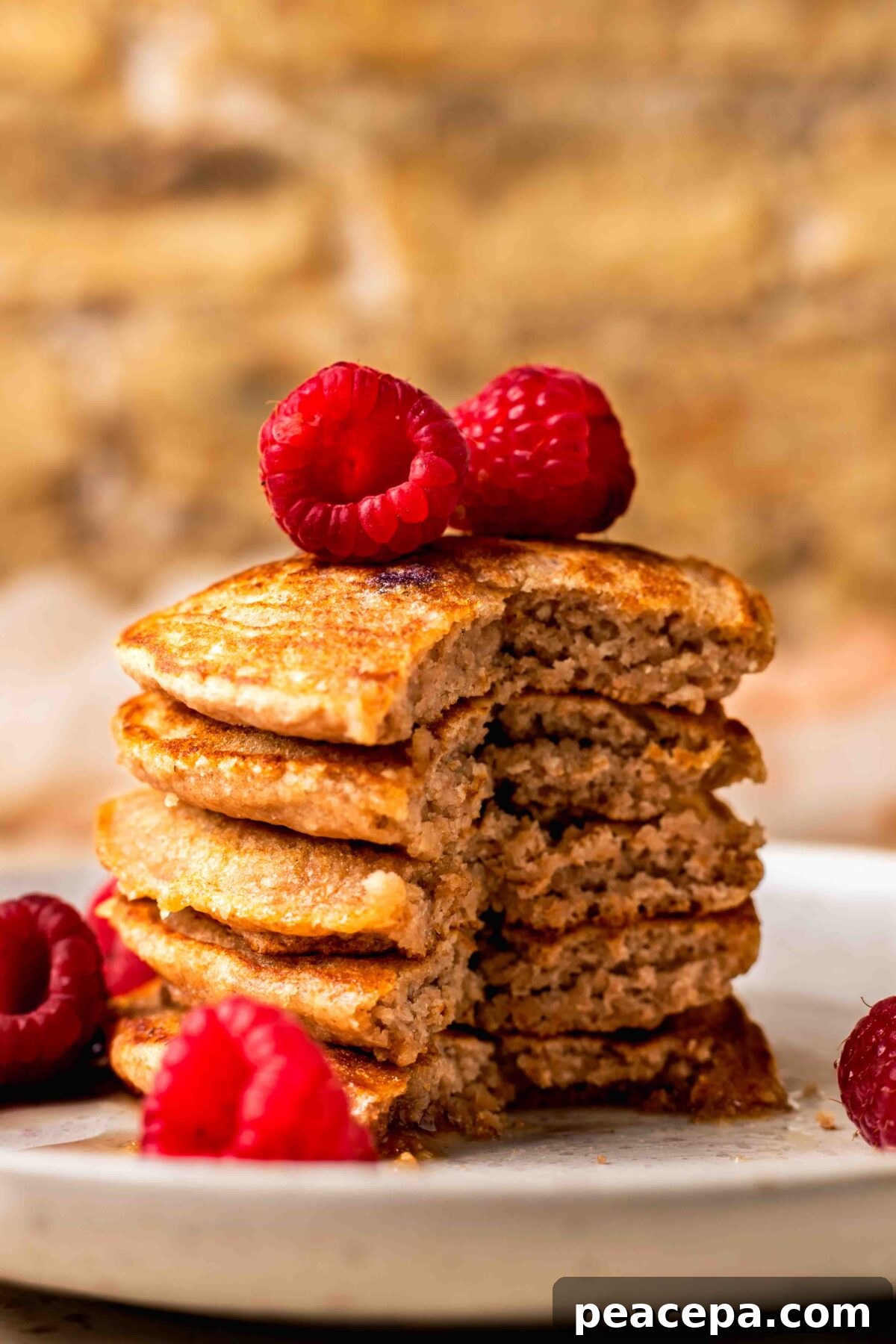
Recipe ideas: Sweet potato pancakes, blueberry pancakes, almond flour pancakes, spelt pancakes, and oat flour pancakes.
Vinegar
- What it is: Distilled white or apple cider vinegar used in small amounts to react with baking soda, tenderize the crumb, and help baked goods rise.
- How to use it: Add a teaspoon or two with the wet ingredients, especially when a baking soda reaction is needed. Mild vinegars are best to avoid altering flavor.
- Notes: Vinegar can be used alone or paired with flax or chia eggs for extra lift and tenderness.
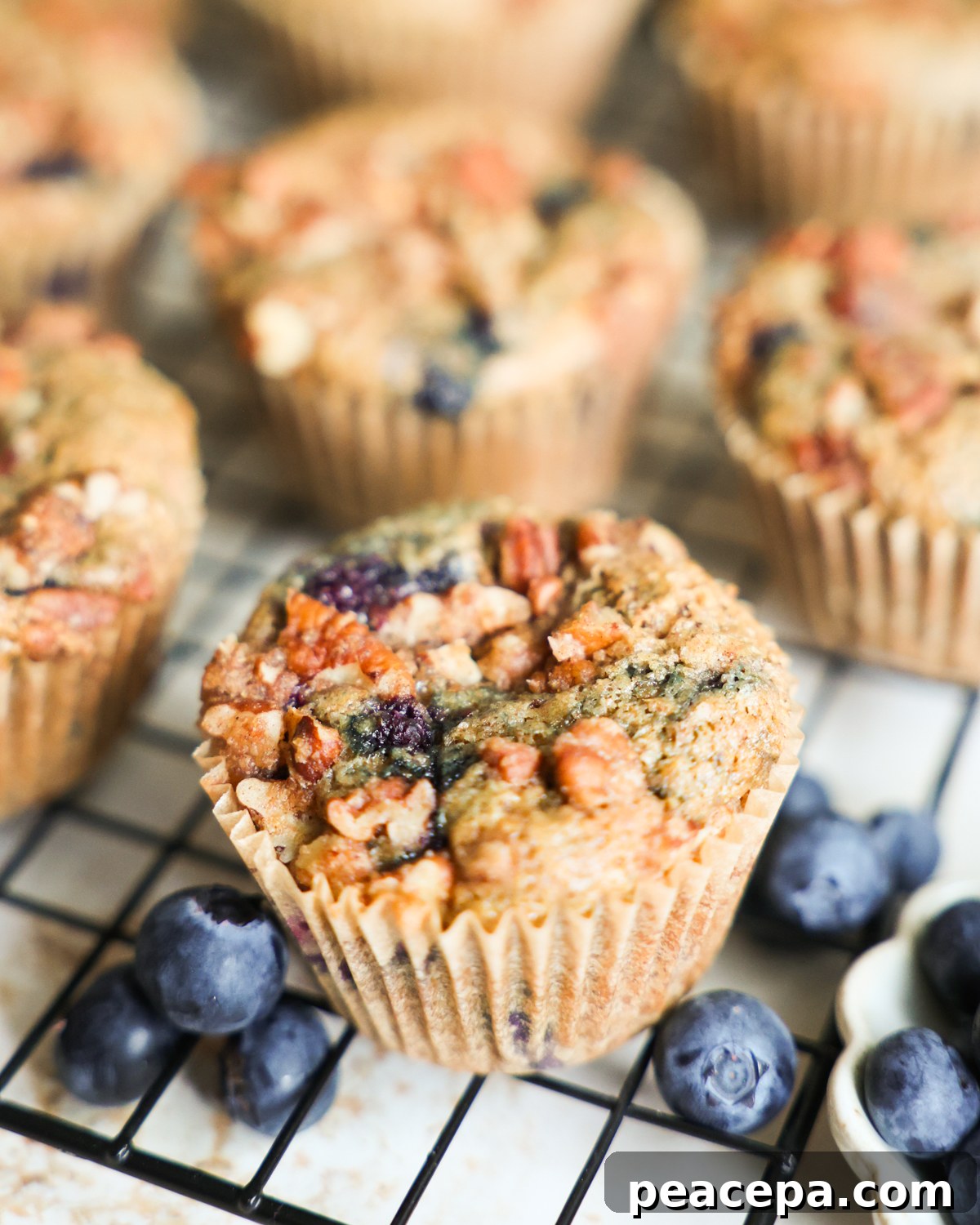
Recipe ideas: Waffles, muffins, and other quick breads that benefit from extra lift.
Chia Seed “Eggs”
- What it is: Crushed chia seeds mixed with water to form a gel that binds and adds moisture to baked goods.
- How to make it: Combine 2 teaspoons crushed chia seeds with 3 tablespoons water, mix, and let sit 5–10 minutes until gelled.
- How to use it: Substitute one chia “egg” for each large egg in a recipe.
- Notes: Whole chia seeds work too but may need a little longer to thicken.
Egg Substitutes for Pies and Tarts
For custard-like textures in pies and tarts, choose thickeners and purees that create a similar creamy consistency.
Cornstarch
- What it is: A natural thickener that absorbs moisture and produces a custard-like texture when cooked.
- How to use it: Dissolve cornstarch in a little cool water before adding to warm ingredients to avoid lumps. Tapioca or arrowroot can substitute in equal amounts.
Roasted Butternut Squash
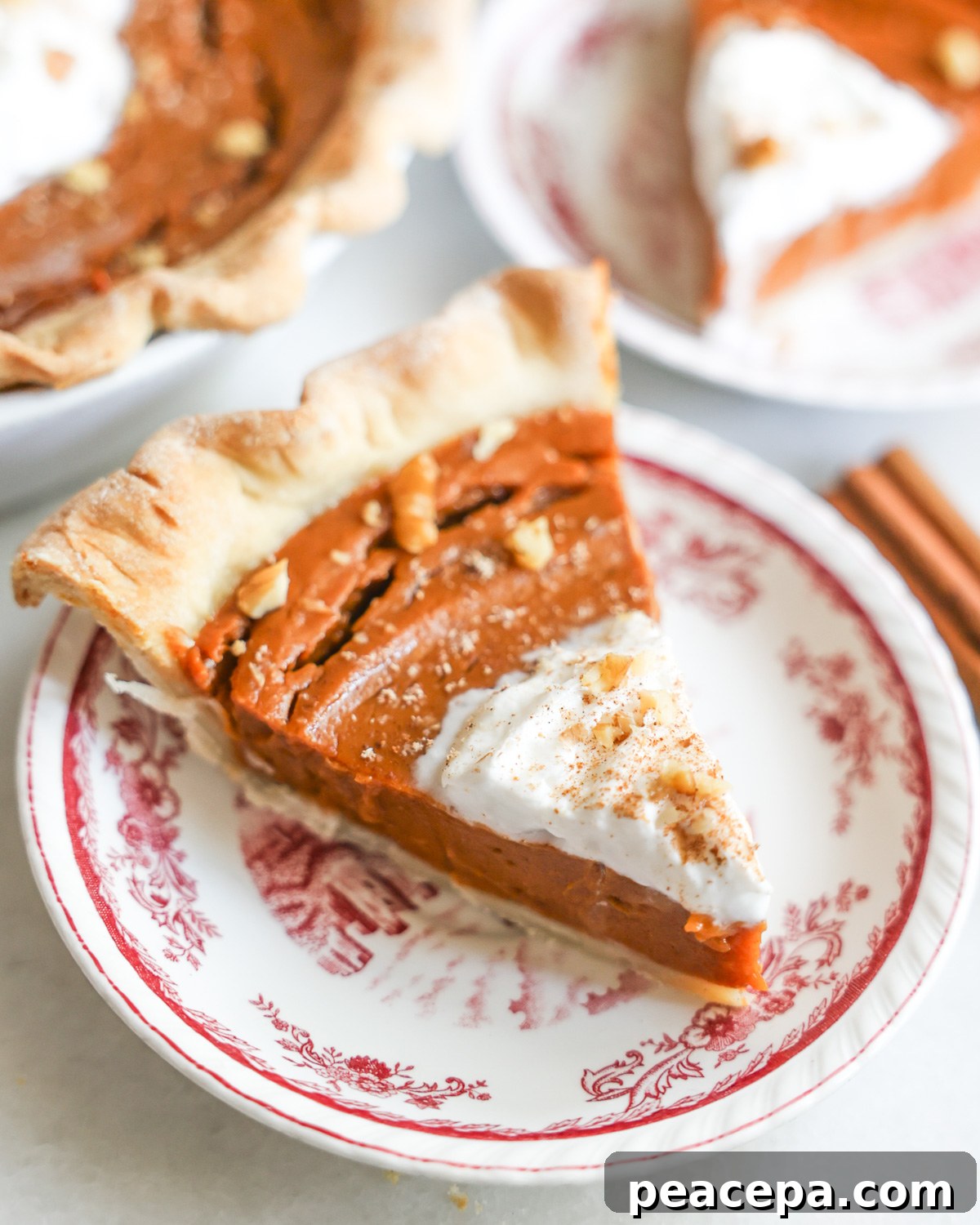
- What it is: Roasted squash purée creates a thick, silky filling suitable for pumpkin- or sweet potato-style pies and tarts.
- How to make it: Roast halved squash at about 400°F until tender (40–50 minutes), cool, and scoop out the flesh. Purée or mash to desired consistency.
- How to use it: Use measured purée in recipes that call for pumpkin or sweet potato filling to achieve a sliceable, custard-like result.
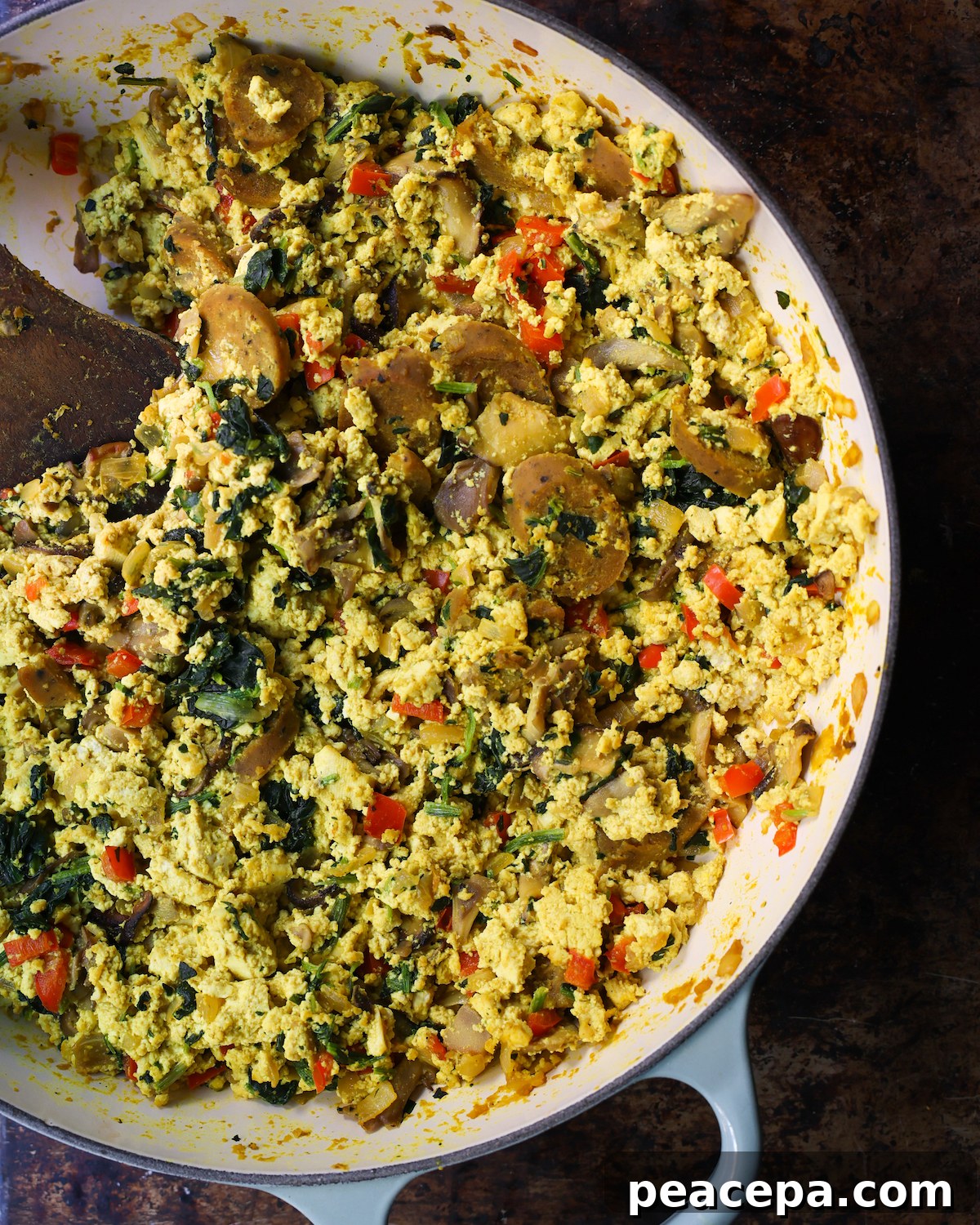
Vegan Egg Substitutes for Cooking
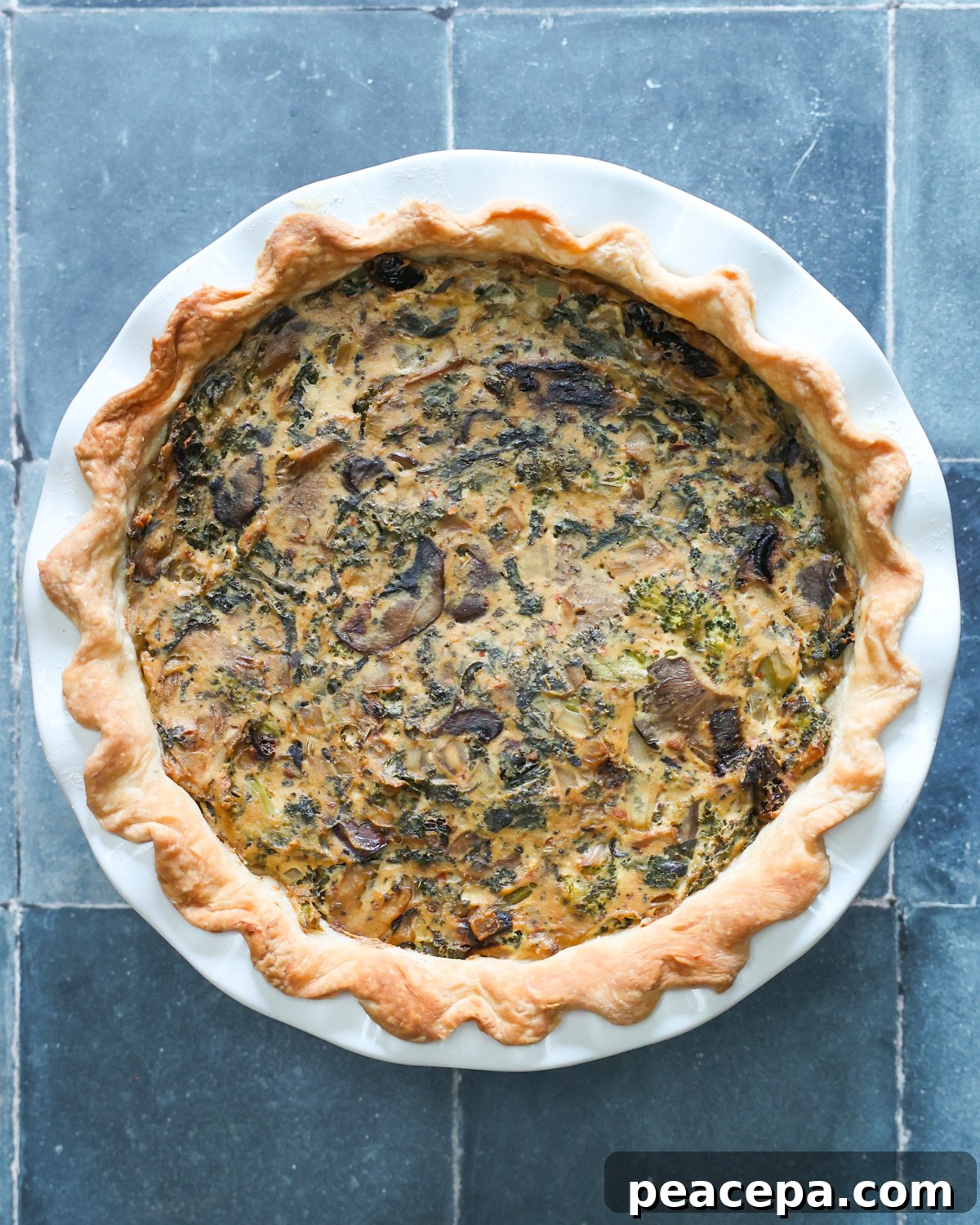
Egg substitutes are also excellent for savory cooking: scrambles, quiches, omelettes, and even vegan meringues or cocktail foams. Below are versatile options for cooked dishes.
Tofu
- What it is: Tofu is a versatile soy product that can be crumbled for scrambles, blended for quiches, or used in other recipes in place of eggs.
- How to use it: The form and preparation depend on the recipe: use firm tofu for slicing or quiches and silken tofu for smooth fillings. Follow recipe-specific directions for best results.
- Notes: Tofu adds complete plant protein, calcium (if fortified), and other nutrients, and it’s widely available and affordable.
Aquafaba
- What it is: The cooking liquid from chickpeas (or the liquid in canned chickpeas). It whips up like egg whites and is useful for meringues, mousses, and light foams.
- How to make it: Use aquafaba straight from the can or from homemade cooked chickpeas and beat it with an electric mixer until it forms soft or firm peaks as needed.
- How to use it: Follow your recipe for quantities; it’s commonly used for vegan omelettes, meringues, and as a binder in certain preparations.
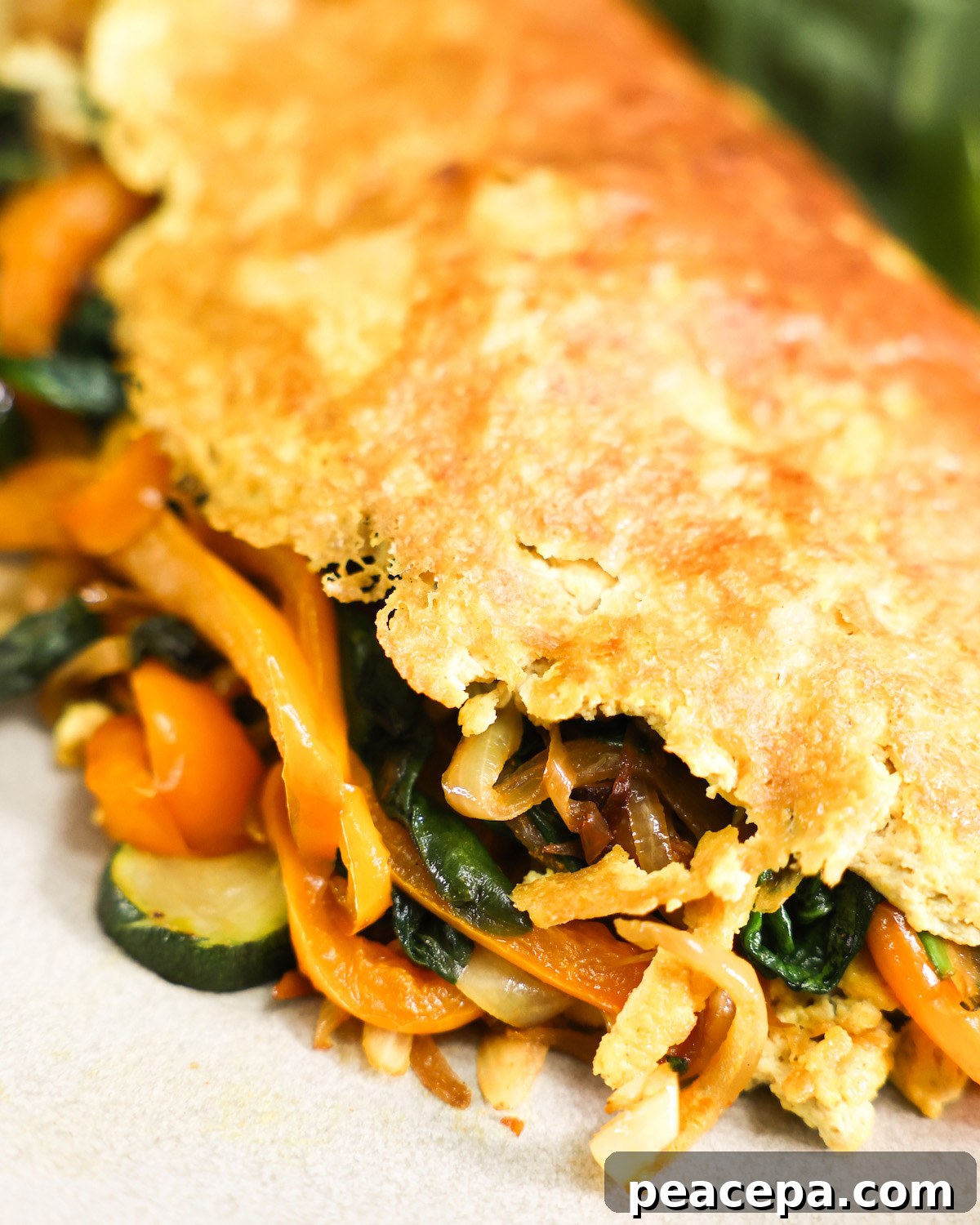
JUST Egg (Plant-Based Egg)
- What it is: JUST Egg is a ready-made, pourable plant-based egg alternative made from mung bean protein that scrambles and cooks similarly to chicken eggs.
- Where to find it: It’s typically sold in the refrigerated dairy or egg section of well-stocked grocery stores.
- How to use it: Cook it like scrambled eggs in a nonstick pan, or substitute about 3 tablespoons of JUST Egg for each large egg called for in recipes.
This guide covers many practical plant-based egg substitutes for baking and cooking. Each option has its strengths depending on texture, flavor, and purpose—whether you need binding, leavening, custard-like texture, or a scramble. Try a few of these substitutions to see which work best for your favorite recipes.
If you have favorite egg-free swaps or questions about using any of these alternatives, share them in the comments—practical tips from other cooks are always helpful.
More Resources About Becoming Vegan
- Vegan vs. Vegetarian: What’s the Difference?
- What the Health (film)
- Plant-Based Protein Sources
- Appliances You Need in a Vegan Kitchen
- Vegan Pantry Staples
- Favorite Vegan Spices