[Sponsored Post]
In New York City, the easiest way to carry a lot of groceries is with a sturdy rolling cart — not the flimsy metal kind that are awkward on subway stairs, but the fabric ones with city-ready wheels and pockets for your list and water bottle: the classic Grandma cart.
If you need to find me in a crowd, look for a brightly colored cart weaving through pedestrians. I only “zip” when it’s empty and I’m heading to fill it. Once it’s full, I usually take an expensive cab home — hauling a loaded cart up and down subway stairs risks injury (and sometimes tears). By the time I get home, some fruit is inevitably squashed and the receipt might show mistaken charges from a cashier who can’t tell chiogga beets from golden beets.
And that’s just after a quick grocery run. I haven’t even made it to the farmer’s market yet.
CSA
I considered joining the CSA at my yoga studio to cut down on shopping trips. Every Wednesday the lobby fills with boxes of freshly picked produce. But I bike to class, and I’ve had sketchy grocery spills riding over neglected Harlem speed bumps.
Such is life in New York: nothing worth having comes easily. Or at least that’s what I thought — until I had a box of farm-fresh produce delivered to my door by Fresh Direct. The delivery person rang the bell, I thanked her, did a little happy dance after she left, and put everything in the fridge. It was easy and absolutely worth it.
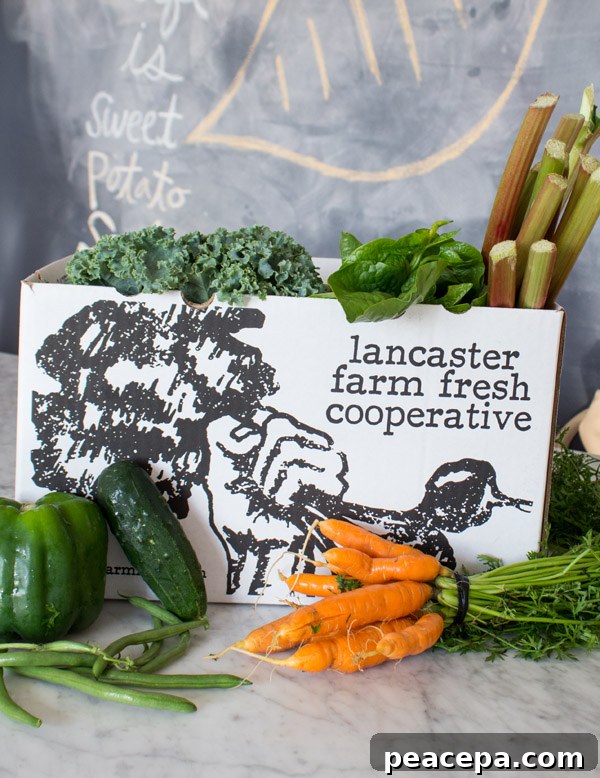
Fresh Direct offers a CSA box in NY, NJ, VT, and PA filled with produce from a Pennsylvania farm cooperative. Having produce delivered spared me schlepping boxes on my bike and kept everything intact.
“But what will I do with all of that produce?”
“I always let some of it go to waste because I don’t know how to use it all.”
That’s a common worry with CSAs: you get a selection you didn’t choose. My Fresh Direct box included:
- cucumbers
- green bell peppers
- rhubarb
- spinach
- kale
- cabbage
- green beans
- carrots
So what can you do with a box like that?
Here are some practical ideas:
- Search for recipes by ingredient. Use a recipe search site to look up the ingredient you want to use. Green peppers, for example, work in stuffed peppers, quesadillas, curries, salads, and stir-fries. Even if you aren’t a fan of a particular vegetable, many recipes showcase it well.
- Make jam with surplus fruit. Canning preserves fruit for months. If full-on canning feels intimidating, cook a quick jam and freeze it in small containers for future use — rhubarb jam is an excellent option.
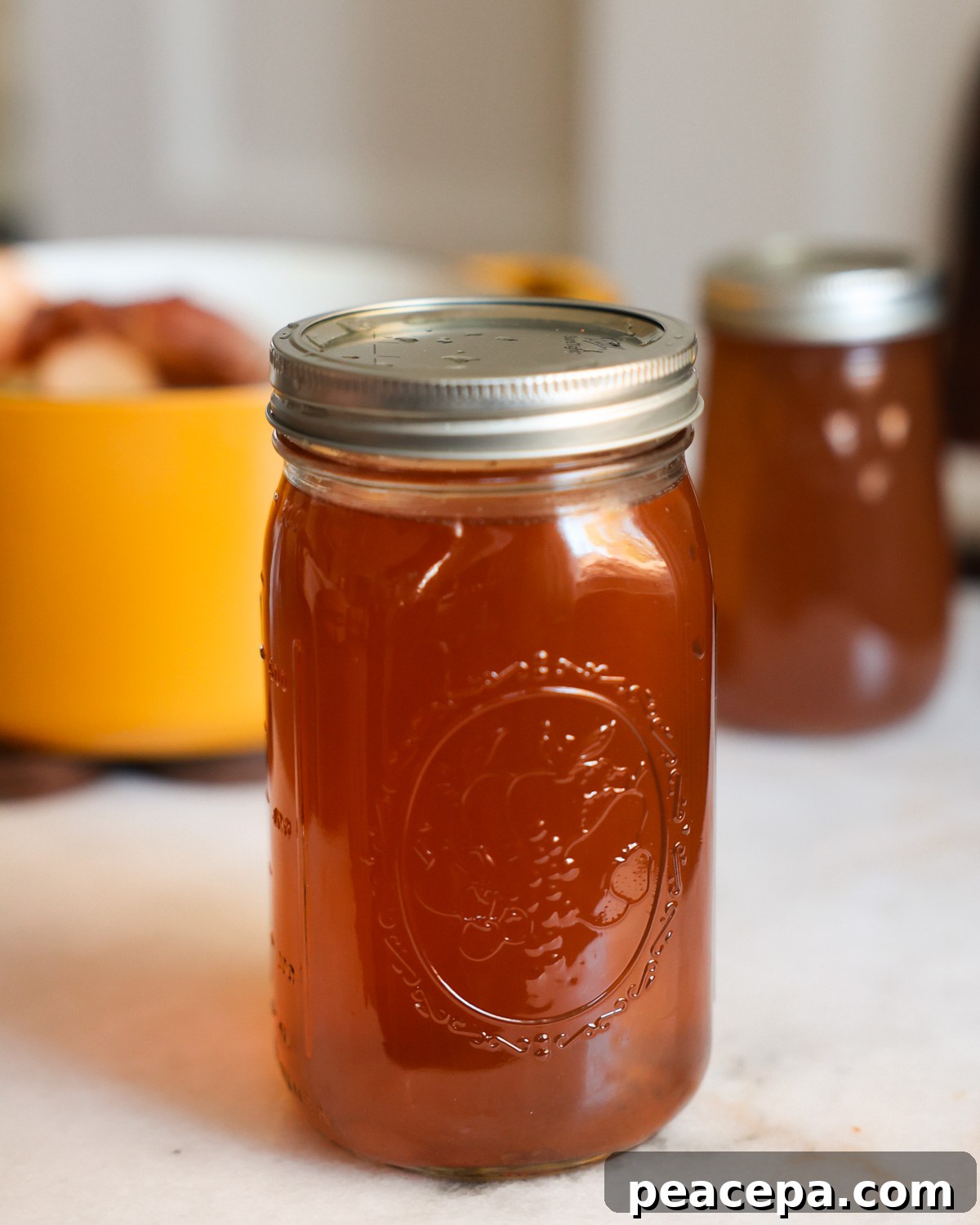
- Make vegetable stock from scraps. Save stalks, peels, and trim in a bag in the freezer. Boil the scraps for about an hour, strain, and freeze the broth for soups and stews. It’s an easy way to stretch produce and reduce waste.
- Blend or juice greens and vegetables. Cucumbers, spinach, kale, cabbage, and carrots all blend or juice well for quick, nutrient-dense drinks and smoothies.
- Store produce properly. Keep produce in separate produce bags in the fridge. If you wash greens before storing, dry them thoroughly and place a paper towel in the bag or container to absorb moisture; replace it if it gets damp. Remove tops from root vegetables like carrots and beets before storing. To freeze vegetables, blanch briefly, shock in ice water, dry, and pack into freezer-safe bags.
What can I make from a CSA box?
Fresh produce from a local CSA box can be delivered to your door for under $30, and with a little planning you can use everything before it goes bad. If you truly don’t have time to cook, eating vegetables raw is healthy and convenient.
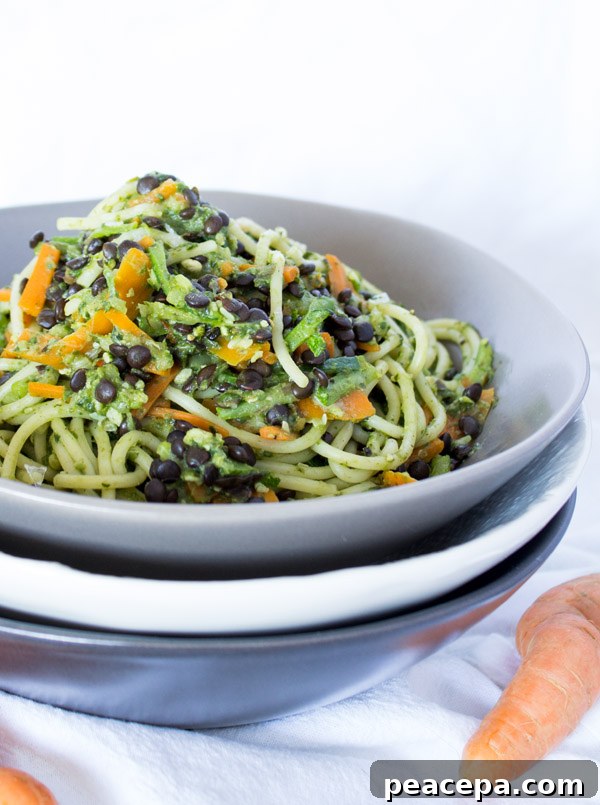
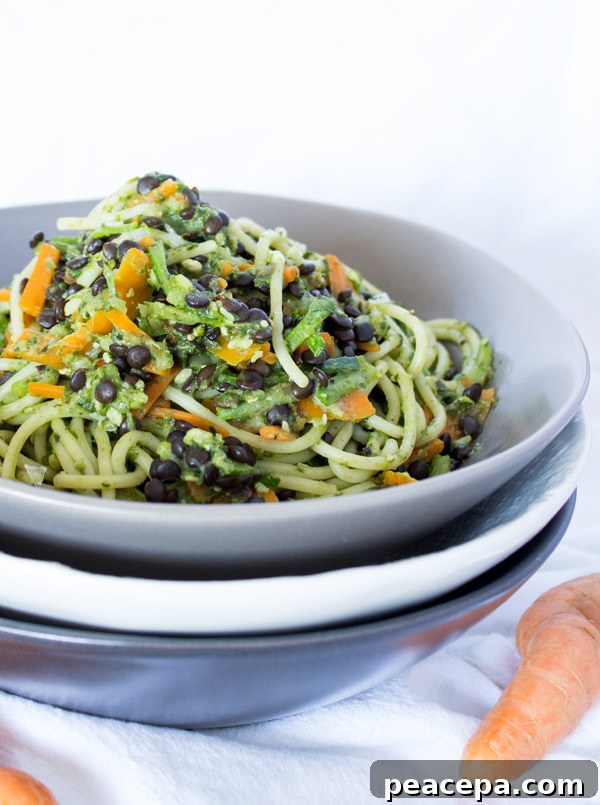
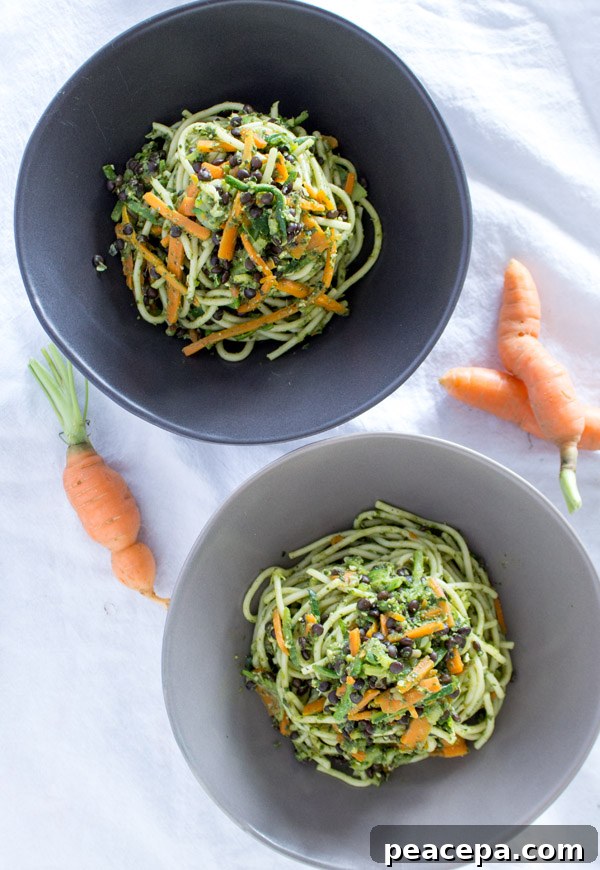
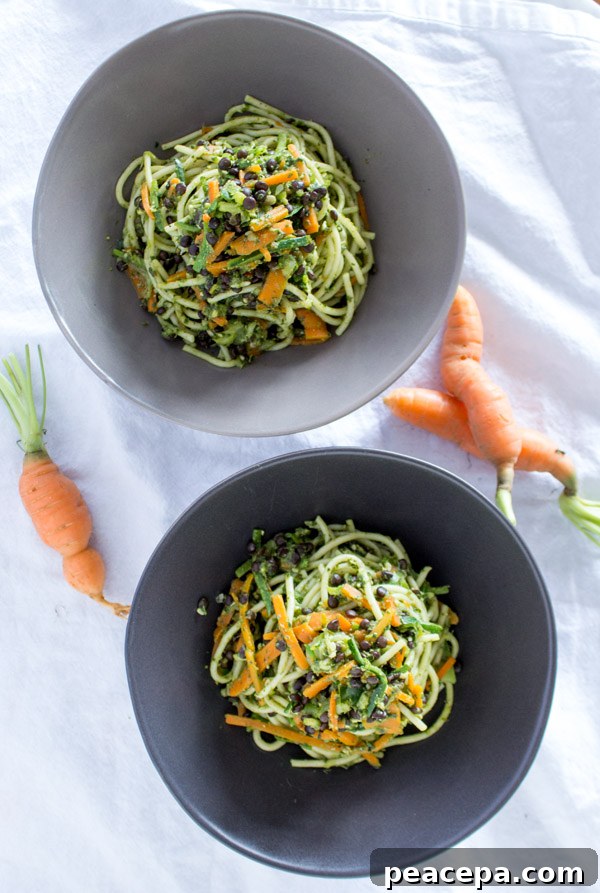
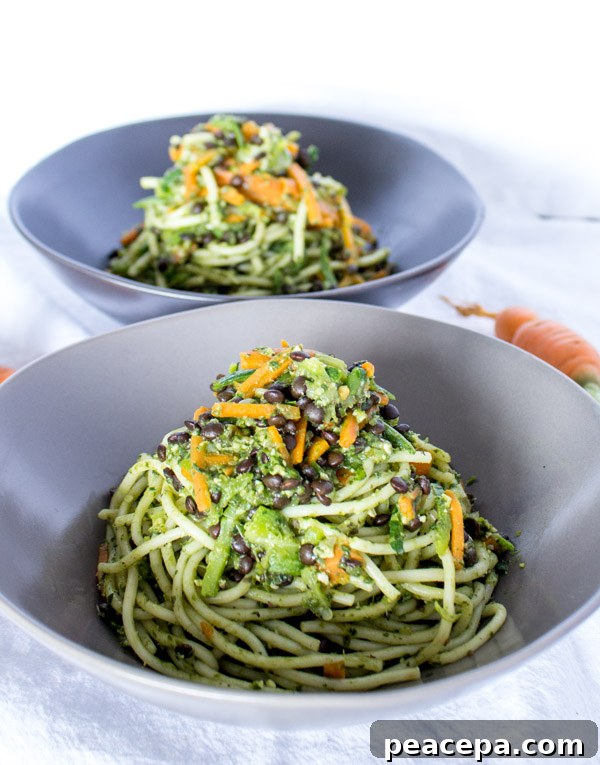
I’m a big pesto fan. I used carrot tops and spinach from my box to make a bright pesto tossed with carrot and zucchini “noodles,” black lentils, and pasta. It’s quick, vegan, and makes a perfect summer lunch or dinner.
Here’s the recipe I used. It’s flexible: most herbs (basil, mint, cilantro, parsley, dill) or greens (kale, beet greens, arugula) work well in pesto. Pine nuts are traditional, but toasted sunflower seeds, pumpkin seeds, pecans, walnuts, or almonds are great substitutes. If you avoid wheat, use gluten-free pasta.
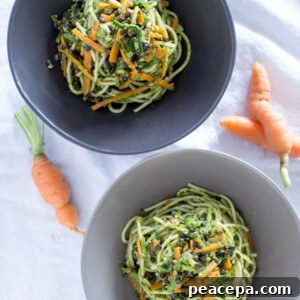
Vegan Spinach Pesto Pasta
Ingredients
Pasta
- 1/2 box spaghetti noodles
- 2 zucchinis, julienned with a peeler to make “noodles” (about 2 cups)
- 3 carrots, julienned with a peeler to make “noodles” (about 2 cups)
- sea salt
- black pepper
Pesto
- 4 cups spinach leaves
- 2 cups carrot tops, the greens
- 1 cup toasted sunflower seeds
- 1 clove garlic, roughly chopped
- juice of one lemon
- 1/4 cup olive oil, or water if you want to avoid oil
Additions
- 1-2 cups cooked lentils, I used black lentils that I had cooked already
- 1 tsp sea salt
- 1/2 tsp red chili flakes
Instructions
Pasta
- Bring 8 cups of water to a boil.
- Add the spaghetti and stir constantly for 30 seconds to release starch and prevent sticking.
- Cook the pasta for about 6 minutes.
- Add the zucchini and carrot noodles and cook another 2 minutes, until the pasta is al dente.
- Remove from heat and strain. While the pasta cooks, make the pesto.
Pesto
- Combine all pesto ingredients in a food processor or blender and blend until smooth or to your preferred texture. Taste and add more salt if needed.
- Toss the pesto with the cooked pasta and lentils. Season with additional salt, black pepper, and red chili flakes to taste.
Like this recipe? Rate and comment below!