Lately I’ve been reflecting on freedom. I just finished The Invention of Wings, a novel that follows two women from childhood into adulthood—one born into slavery and the other raised in a family of slave owners. Their early bond frays over time, but they remain connected through each woman’s determination to gain freedom: one fights for emancipation for herself and her mother, the other fights for a chance to pursue a professional life in a society that denies women basic rights.
The story is beautifully written and left me considering how fortunate I am to live with freedoms many people in history—and around the world today—do not enjoy. Had I been born in Atlanta two centuries ago, my life would have been dramatically different. That reality makes Independence Day feel especially meaningful to me: a holiday that celebrates freedom in a country that calls itself the land of the free.
Ethical Veganism
Independence Day has always been one of my favorite holidays after Christmas. It’s hot, there are fireworks, cookouts bring people together, and it’s a communal celebration of liberty. But as I think about freedom and the opportunity it provides, I also feel heartbroken for those who still lack it.
As an ethical vegan, animals are constantly in my thoughts. I see much of modern animal use—factory farming, vivisection, captive displays in zoos and marine parks, and blood sports—as a form of contemporary slavery. While many defend these practices as “the way of life,” that same argument was used to justify human slavery. The idea that tradition alone makes an action acceptable troubles me deeply.
People often ask why I’m vegan. I usually say it’s for ethical reasons, but I don’t always explain further. A passage from Eat Like You Care: An Examination of the Morality of Eating Animals captures my perspective:
“Animal foods taste good… We enjoy the taste of animal flesh and animal products. We find eating animal foods to be convenient. It’s a habit… There is no difference between getting pleasure from dog fighting and the palate pleasure we get from eating animal products. In both cases, there is great suffering. In both cases, there is no necessity.”
That conclusion challenges many people, but based on my experience and reading, it resonates with me.
Thoughts on animal freedom
Our sense of right and wrong evolves. As the environmental costs of animal agriculture become clearer, and as activists and researchers highlight the moral problems of keeping animals captive for entertainment or profit, I believe change will follow. Worldwide we kill tens of billions of land animals each year, and when you include marine life estimates rise even higher. These numbers are staggering and force us to reconsider our choices.
I don’t want to overly humanize animals, but they are living beings worthy of respect and, where possible, freedom. In my ideal future, people no longer eat animals. Fast food menus might look the same, but the “meat” would be plant-based. Products like Beyond Meat and Gardein are already convincing a lot of people and providing healthier protein options. I also imagine a world where marine parks and zoos that keep animals in confined conditions are no longer allowed—if you want to see wildlife, go to the wild.
What do you think about animal freedom? Does it matter to you? These are questions I ponder daily, and I’d love to hear your thoughts.
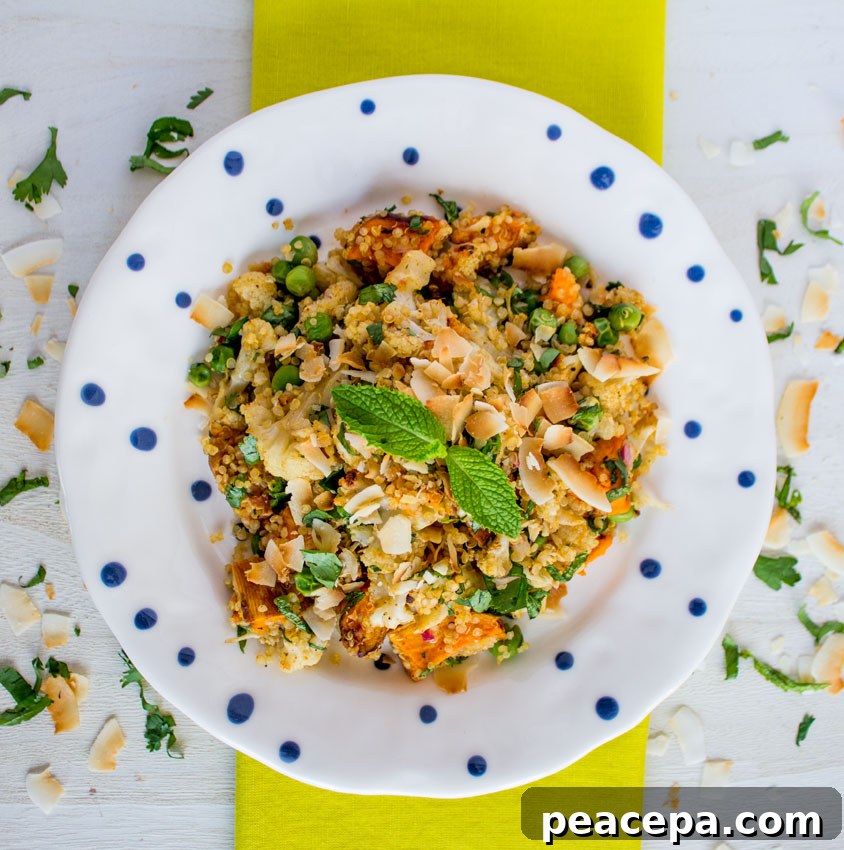
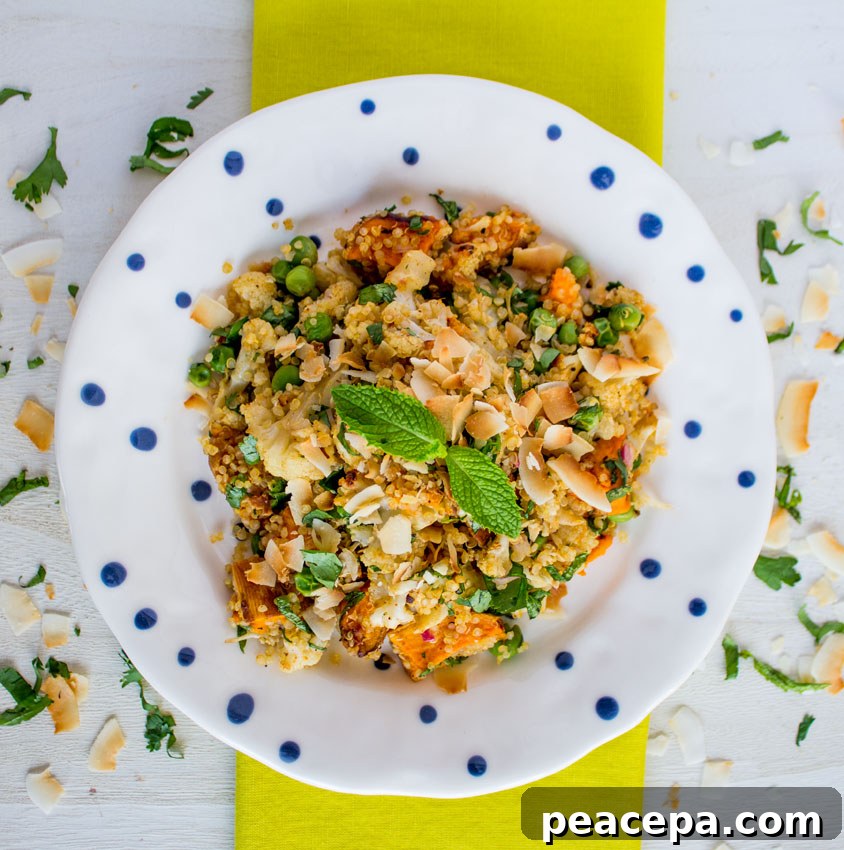
Happy 4th of July! Below is the Samosa Cauliflower Salad recipe.
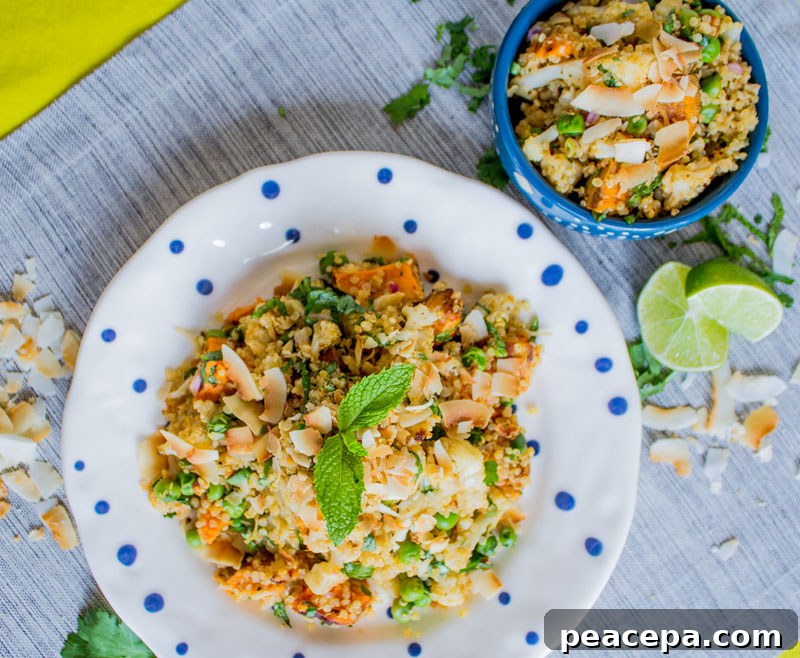
Cauliflower Samosa Salad
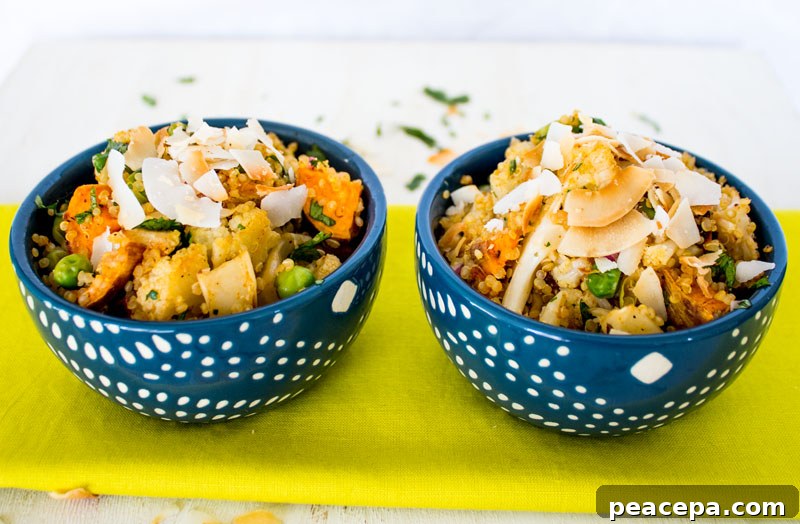
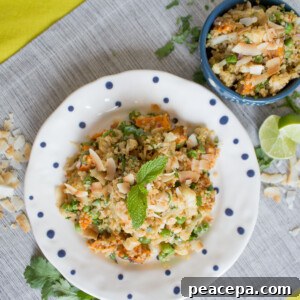
Cauliflower Samosa Salad
Ingredients
- 1 large head of cauliflower, chopped
- 2 small sweet potatoes, peeled & cubed
- 1½ cups cooked quinoa
- 1 cup peas, fresh or frozen/thawed
- ½ cup cilantro, chopped
- ¼ cup mint, minced or chiffonade
- ¼ cup red onion, minced
- About ¼ cup grapeseed oil
- 2 tsp sea salt
- 2 tsp black pepper
Sauce
- Juice of 2 limes, plus 1 sliced lime for garnish
- 1 tbsp maple syrup or coconut nectar
- 1 tbsp curry powder
- ½ tsp cayenne pepper, optional
- 2 tbsp grapeseed or olive oil
- ½ cup toasted coconut shreds to garnish
Instructions
- Preheat the oven to 400°F and line two baking sheets with parchment paper.
- Toss the chopped cauliflower with a drizzle of grapeseed oil and spread it evenly on a baking sheet. Season with salt and pepper.
- Repeat with the sweet potatoes on the second sheet.
- Roast for about 30 minutes, or until the vegetables are tender and slightly browned.
- While the vegetables roast, cook the quinoa, thaw the peas if needed, prep the herbs, and make the sauce.
- To prepare the sauce, combine the lime juice, maple syrup or coconut nectar, curry powder, cayenne (if using), and oil in a jar. Shake vigorously until emulsified.
- When the vegetables are done, toss them with the cooked quinoa, peas, cilantro, mint, red onion, and the sauce.
- Adjust seasoning with sea salt and black pepper to taste.
- Serve with lime slices and a sprinkle of toasted coconut on top.