Jenné’s note: I’m excited to share this guest post by my friend Isabelle Steichen from NYC. You may remember her from the Farmer’s Market Adventure video I posted last July. Isabelle recently launched her blog The Plantiful, and I thought it would be great to introduce her writing here. Let’s start with something sweet — is sugar good or bad? The piece below is reposted from Isabelle’s site.
Many people are afraid of sugar. With growing books, articles and films that criticize sugar and its effects on health, sugar has become a hot topic. So what’s behind the sugar debate?
Different types of sugar
To simplify, there are two main categories of sugar. The first is highly processed sugar often found in many packaged foods, commonly called white or refined sugar. This type of sugar provides sweetness but little to no nutritional value because it has been stripped of vitamins, minerals and other micronutrients during processing.
The second category includes more natural sugars. I like to separate those into processed natural sugars and unprocessed natural sugars. Processed natural sugars are options considered healthier than white sugar, such as agave nectar, maple syrup or coconut sugar. They are sometimes thought to be better because they retain small amounts of minerals or vitamins. Coconut sugar, for example, has a lower glycemic index than white sugar, so it tends to have a gentler effect on blood sugar and insulin.
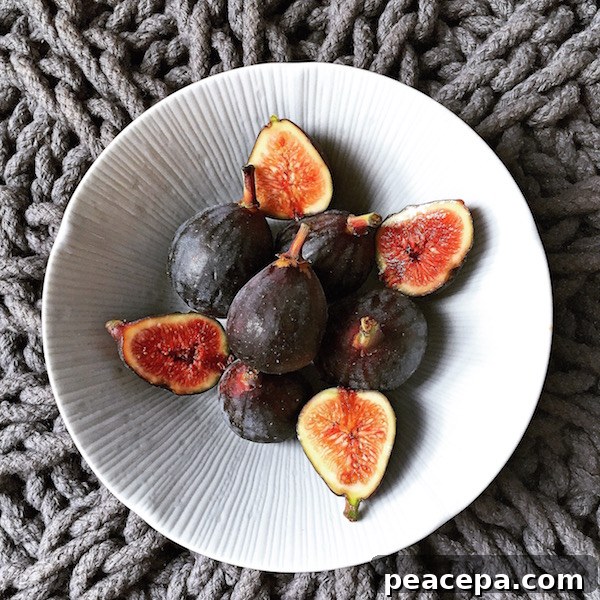
Unprocessed natural sugars are the sugars found in whole fruits and vegetables eaten as they are. These are genuinely the healthiest sources of sugar because they come with fiber, vitamins and minerals. The sugars in whole produce are digested more slowly, providing steady, long-lasting energy for the body and brain. In short, whole fruits and vegetables are an excellent choice.
 No more anti-carb please!
 No more anti-carb please!
I’m not a fan of the anti-carb movement. While low-carb trends are popular in some places, they can be misleading and even harmful when taken to extremes. Your body needs carbohydrates — the right kinds and the right amounts — to function well. Rather than eliminating carbs altogether, avoid processed fare like white bread, chips and sugary snacks. But don’t cut out fresh fruit, whole grains and root vegetables. These carbohydrate sources are nutrient-dense and support steady energy, helping to prevent cravings and energy crashes.
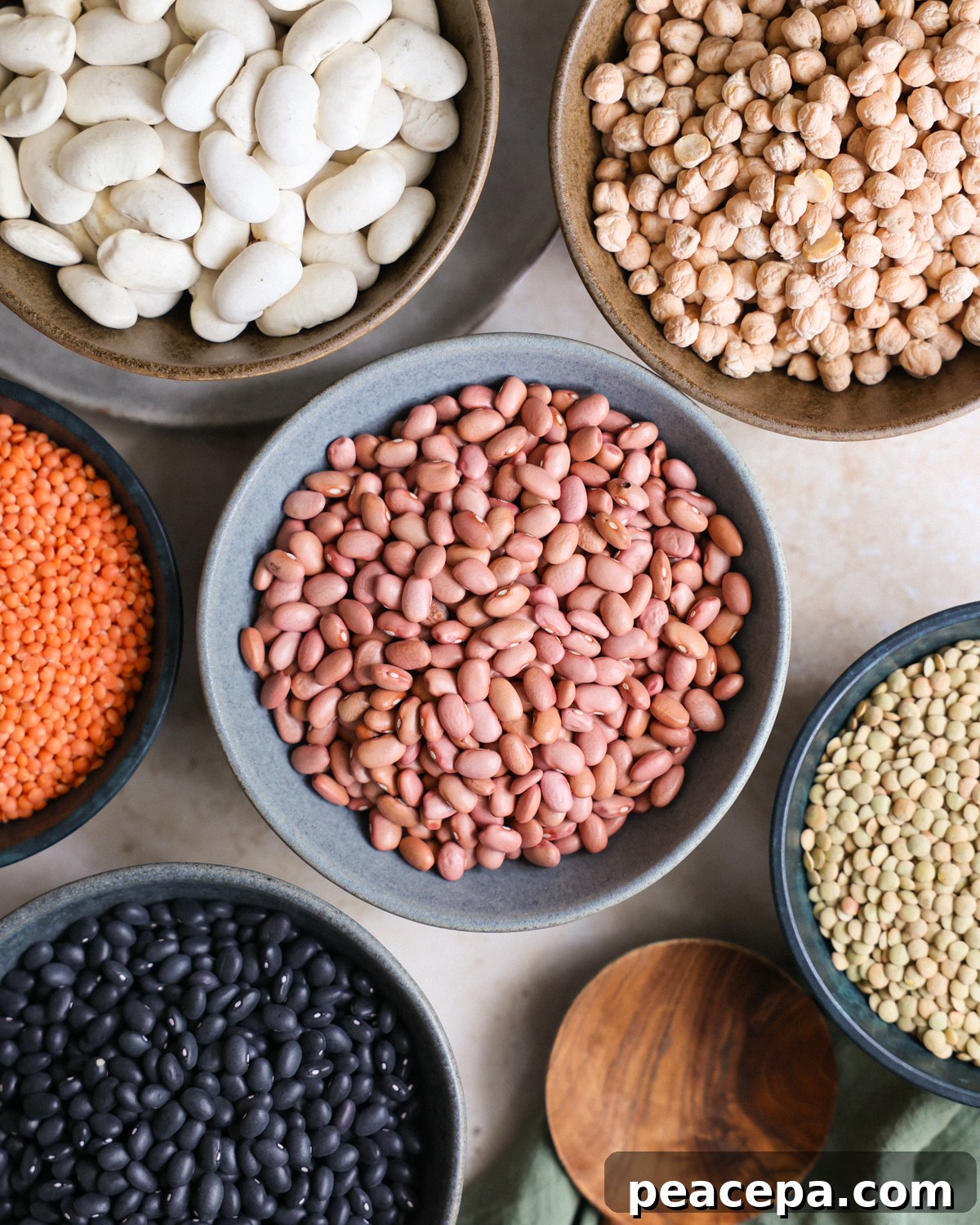
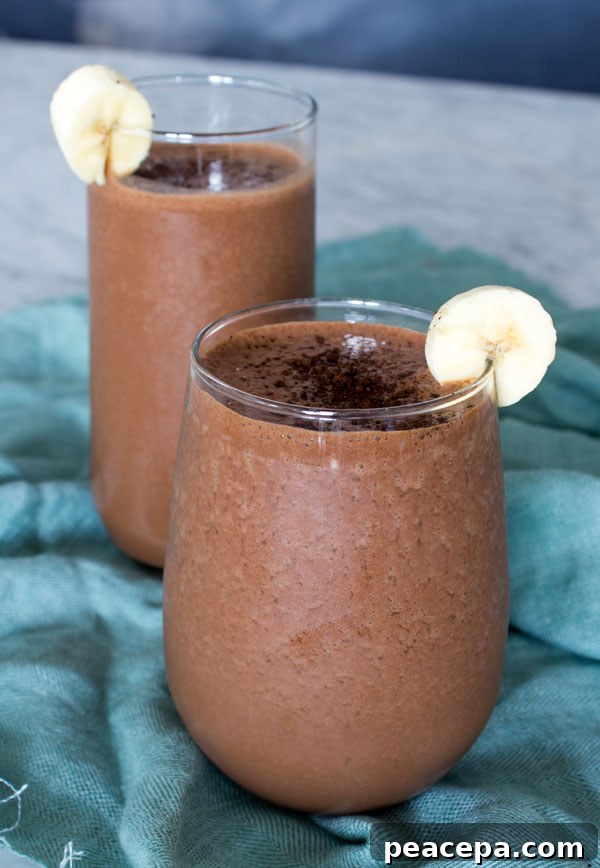
Some of my favorite carbohydrate-rich foods come from fruit. A fresh smoothie or a large fruit salad makes a nourishing breakfast that fuels my day. I also enjoy sweet potatoes, other root vegetables, whole grains and beans. These foods are generally easy to digest and provide sustained energy.
Nutrition experts who study plant-based diets, such as Professor T. Colin Campbell, recommend diets where a significant portion of calories comes from carbohydrates, alongside adequate plant-based protein and healthy plant fats. A common recommendation is roughly 80% carbohydrates, 8–10% protein and 10–12% fats, all from plant sources. I follow a similar approach and have noticed benefits: fewer energy dips and far fewer cravings for processed snacks.
— by Isabelle Steichen of The Plantiful blog