Note from Jenné: This post about why you should eat fat was written by my good friend and vegan sister Isabelle Steichen of The Plantiful. She generously shared her knowledge with us. Isabelle recently completed Cornell’s Plant-Based Nutrition course and is studying in a holistic health coaching program. Check out her blog and follow her on Instagram @theplantiful.
Misconceptions
One of the most persistent concerns about veganism is the fear that vegans and vegetarians don’t get enough protein, which people worry could cause weakness or health problems. That worry largely stems from misunderstandings about nutrients and how they work.
Protein is a macronutrient composed of amino acids. Historically, animal protein has been considered “higher quality” because its amino acid profile more closely resembles human proteins, and early studies suggested faster protein synthesis from animal sources. Experiments on animals in the early 20th century showed faster growth with animal protein compared to plant protein, which helped shape that belief.
However, later research makes it clear that plant foods contain all the essential amino acids. While those amino acids may not be present in the exact combinations found in animal products, the human body can combine amino acids from a varied plant-based diet to meet needs. In practice, a balanced plant-based diet easily supplies the essential amino acids and adequate total protein.
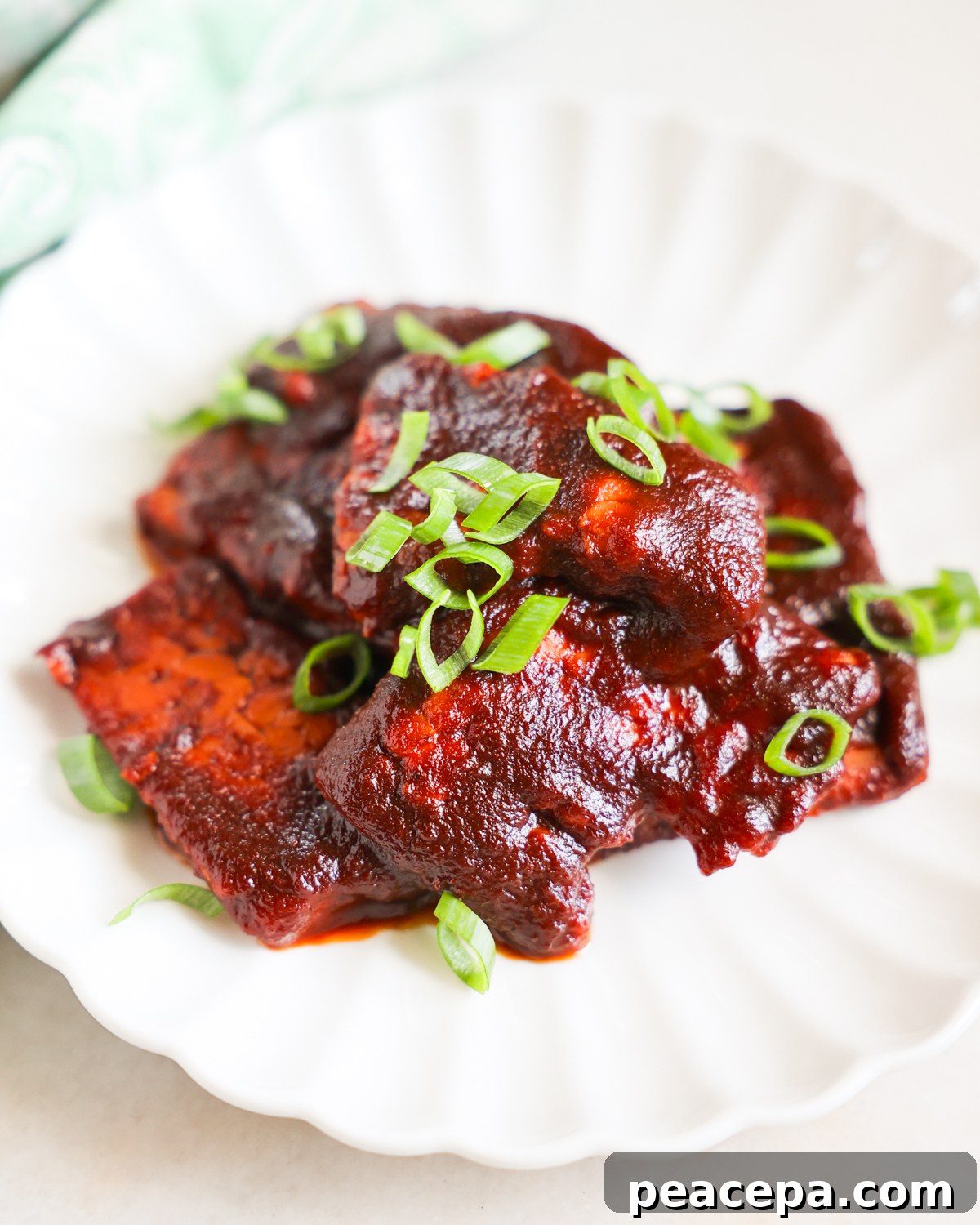
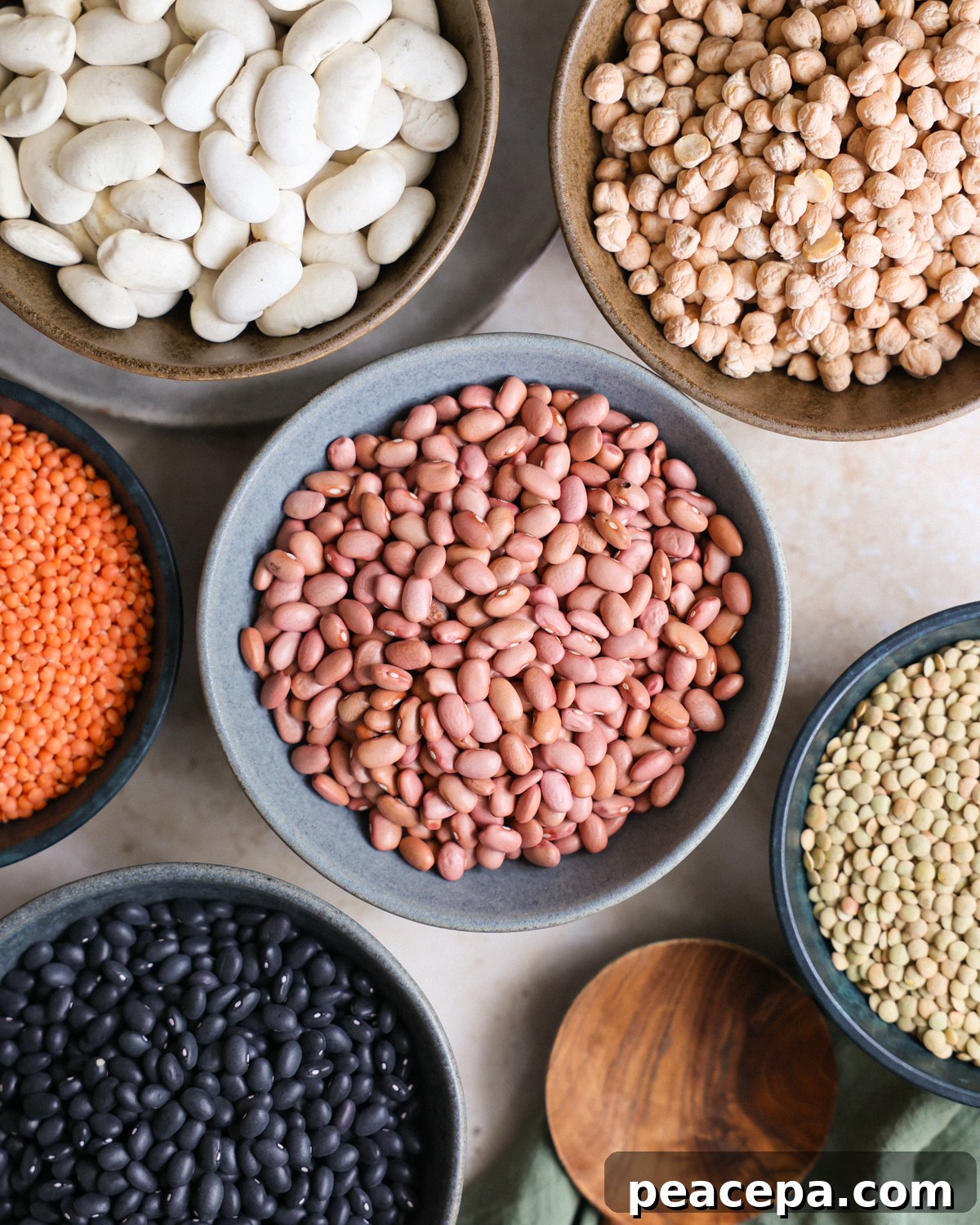
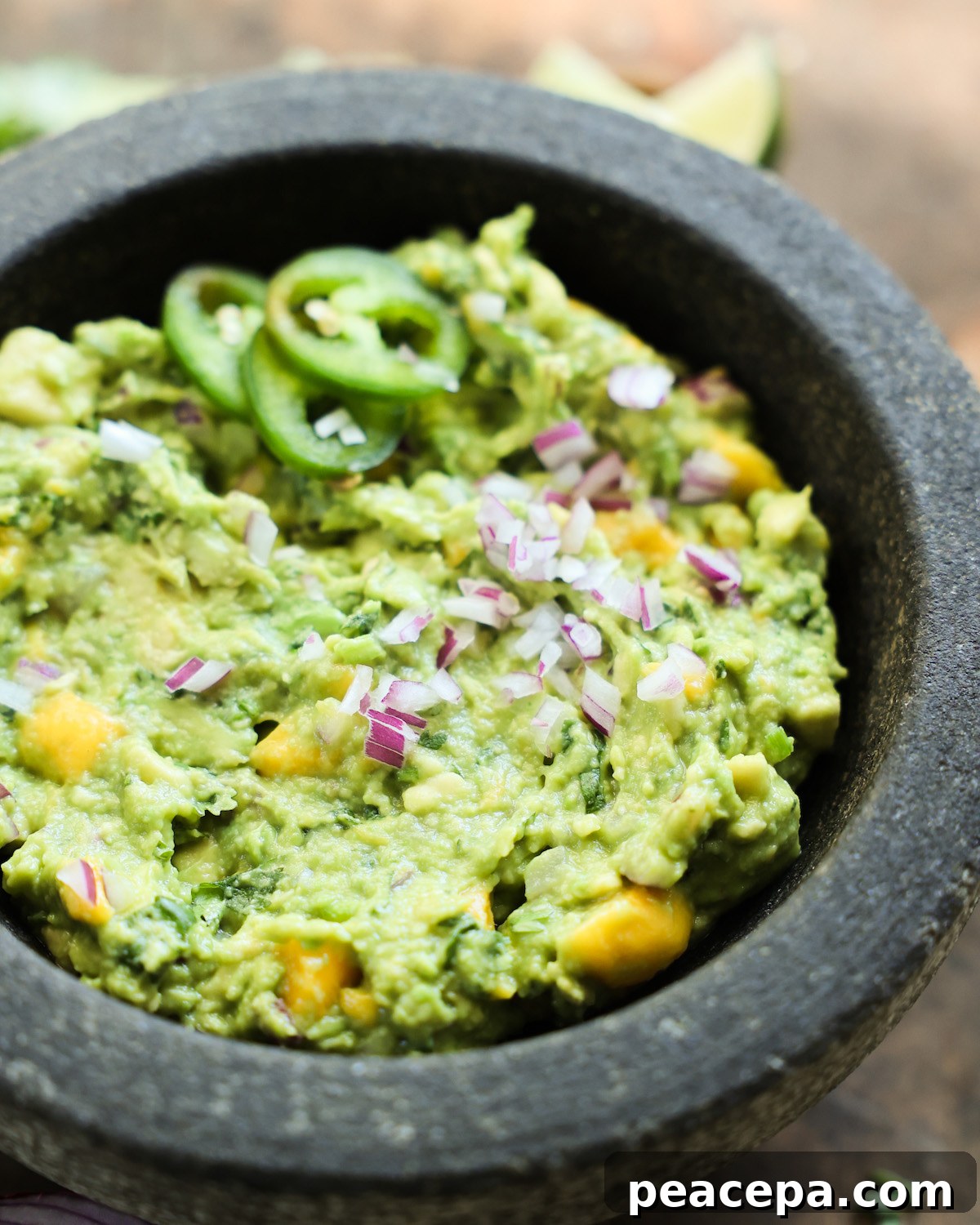
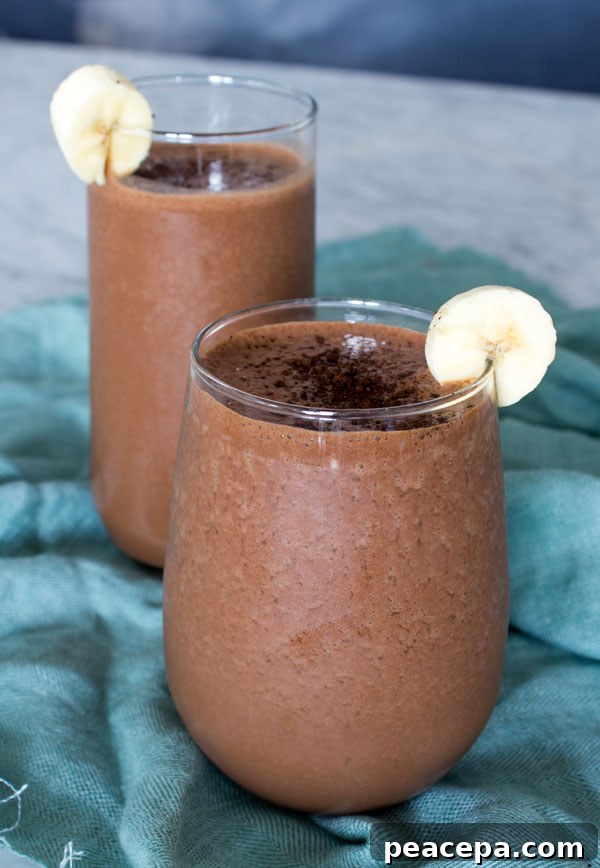
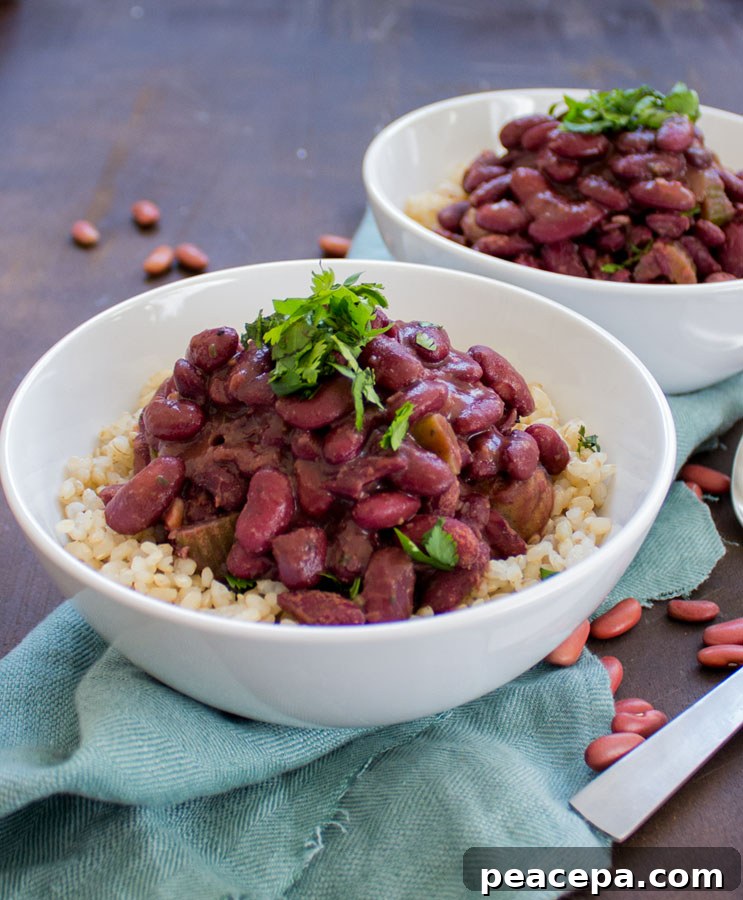
Common and convenient plant protein sources include lentils, chickpeas, beans, chia and hemp seeds, nuts, and soy products such as tofu and tempeh. These foods are simple to add into everyday meals—toss them into salads, blend them into smoothies, stir them into soups, or use them in dips and burgers.
The Protein Myth
Another important point often overlooked is that higher intake of animal protein has been associated in some studies with adverse health outcomes. Research by investigators such as Professor Colin Campbell examined links between animal protein and disease. Observations from populations and controlled studies have suggested that diets high in animal protein can promote unhealthy growth patterns and increase disease risk, whereas plant-based proteins do not show the same effects in these contexts.
The modern fitness movement and widespread marketing around protein have contributed to a tendency to consume very large amounts of protein, which isn’t necessary for most people and may have long-term health consequences. Rather than focusing on extreme protein intake, prioritizing whole, minimally processed plant foods offers a balanced approach that supports health and longevity.
Bottom line: If you avoid an exclusively processed-food diet, switching to a vegan or largely plant-based diet does not put you at risk for protein deficiency. A varied plant-based diet supplies all essential amino acids and provides protein in forms that support long-term health.