Note from Jenné: This post about why you should eat fat was written by my good friend and vegan sister Isabelle Steichen of The Plantiful. Isabelle recently completed Cornell’s Plant-Based Nutrition course and is enrolled in a holistic health coaching program. She generously shared her knowledge for this piece.
When I talk with friends and family who want to lose weight, a common thread is cutting oil and fat. Many believe fat is unhealthy and that eliminating it is the fastest route to weight loss.
Let’s step back to basics. Our diets need three macronutrients for health and survival: protein, carbohydrates and fat. Each plays a distinct role, and balance is the goal. As someone who follows a 100% plant-based diet and with training in plant-based nutrition, I recommend aiming roughly for 80% carbohydrates, 10–12% protein and 8–10% fat in daily calories. That level of fat supports essential body functions without excess.
Fats are necessary
Although we don’t need large amounts of fat, we do need some. Fat is essential for cell structure, brain and nervous system function, and hormone production. Several vitamins—A, D, E and K—are fat-soluble, meaning they require dietary fat to be absorbed and used by the body. Eating fruits and vegetables is important, but without some fat in the meal, your body won’t fully access those nutrients.
Fat also offers protection against certain health issues. For example, very low body fat increases risk for osteoporosis in women. A modest fat reserve influences hormone levels like estrogen and provides mechanical load that helps maintain bone strength. Those factors together reduce bone-loss risk compared with being extremely underweight.
Not all fats are equal
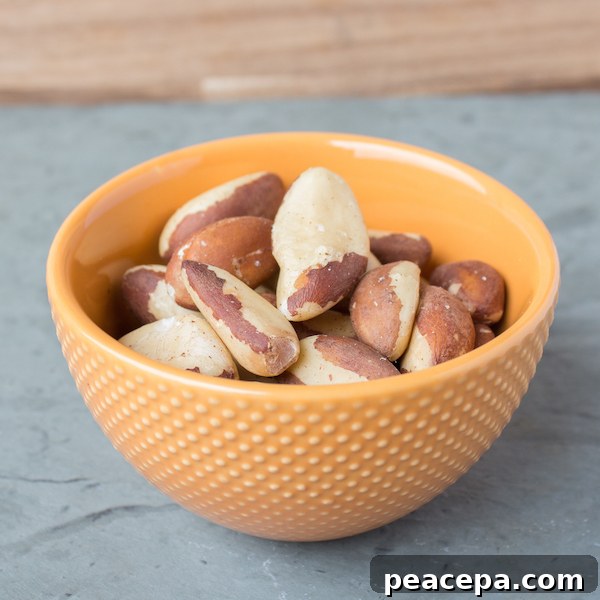
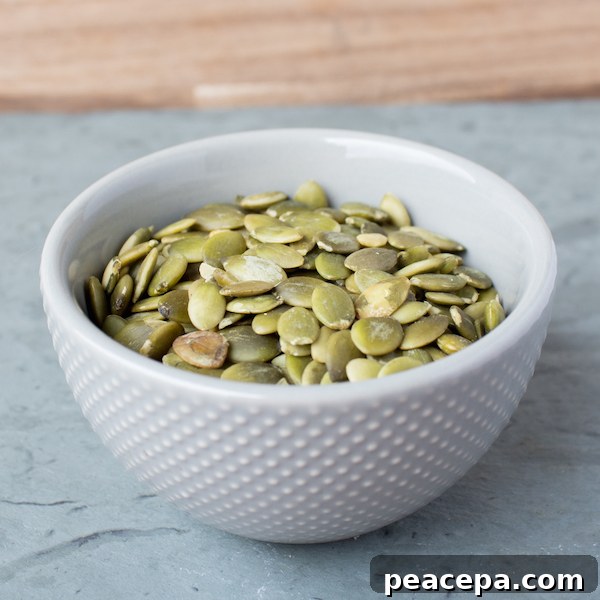
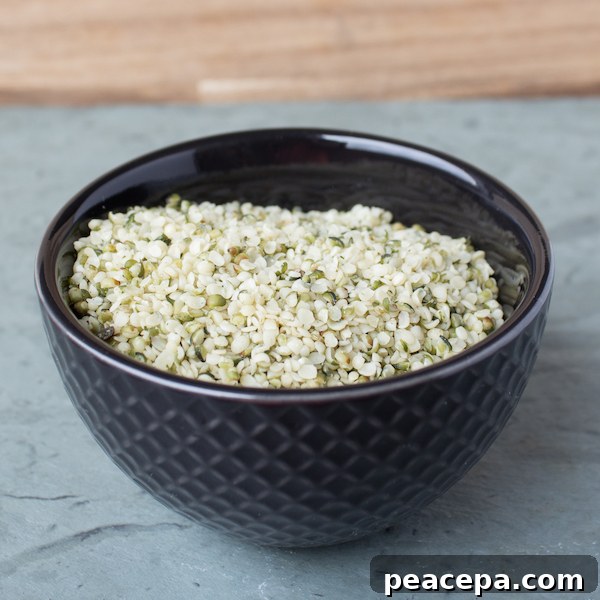
It’s important to distinguish healthy fats from less healthy ones. I recommend avoiding animal-based saturated fats, which are associated with higher risk of heart disease and other chronic conditions. Among plant-based fats, prefer minimally processed sources. Highly refined oils—whether coconut, olive or others—can lose many of the nutrients naturally present in whole foods. Instead, choose whole-food fat sources like nuts, seeds and avocados. They deliver healthy unsaturated fats along with fiber, vitamins and minerals, which improves nutrition and satiety.
Whole-food fats are also easier to use in everyday cooking: a handful of chopped nuts or a scoop of mashed avocado can become a dressing, spread or garnish. They add texture and flavor while contributing beneficial nutrients that refined oils lack.
Leaving fat out entirely can backfire. Fat contributes to flavor and satisfaction; without it, cravings for sweet or highly processed foods often increase. Including modest amounts of healthy fats helps meals feel more satisfying and can prevent overeating other less-nutritious options.
In short: be deliberate about the fats you eat. Avoid animal saturated fats and heavily processed oils, and favor whole-plant sources like nuts, seeds and avocados. Don’t eliminate fat completely—your body needs it to function, to absorb key vitamins, and to help you enjoy and stick with a nutritious diet.
– Isabelle Steichen
Subscribe to Isabelle’s newsletter, and follow her on Instagram @theplantiful.