Now is an excellent time to go vegan. If you’re reading this, you and I share the same interest. Use the tips below and the video to guide your start with a vegan diet. Transitioning can feel challenging at first, but it becomes easier over time and eventually feels natural. While one person alone may not change everything, choosing to stop consuming animal products has significant positive effects on animals, the environment, and personal health.
After more than a decade as a vegan member of this growing movement, I’m constantly inspired by how far veganism has come. When I transitioned in 2011 the word “vegan” was unfamiliar to many, vegan resources were scarce, and vegan-friendly products and restaurants were rare. Today there are far more cookbooks, blogs, restaurants, and products available, and the movement is gaining momentum. This is important because billions of animals are bred and killed for food each year, often under cruel conditions. Animal agriculture also contributes heavily to greenhouse gas emissions and climate change, making dietary choices relevant to environmental action. In addition to ethical and environmental motivations, a well-planned vegan diet offers tangible health benefits: those who follow nutritious plant-based diets can lower their risk of heart disease, type 2 diabetes, and some cancers.
It Starts with One Meal
Adding structure to your transition helps you plan meals and measure progress more easily.
- Swap one meal a day for a vegan meal, or start by eating fully vegan one day per week and add more days each week. For example, begin with one vegan day the first week, then two the second week, and continue until you reach seven vegan days. Alternatively, replace one meal daily the first week, two meals the second week, and three meals by the third week. This gradual approach makes the change manageable.
- Follow the 80/20 or 90/10 guideline: Make 80–90% of your diet whole, unprocessed foods — vegetables, beans, whole grains, fruits, nuts, and seeds — and limit processed vegan products to 10–20%. Removing animal products is the first step; the real benefits come from eating nutrient-dense, whole foods.
Read Food Ingredient Labels
- Animal-derived ingredients show up in packaged foods more often than you might expect. Get in the habit of reading ingredient lists and asking what’s in a product. Watch for eggs, milk, casein, gelatin, rennet, whey, and other milk byproducts. Many brands produce both vegan and non-vegan versions, so check labels carefully even when packaging looks plant-based. Many products now label themselves clearly as “VEGAN,” which helps with navigation.
- When dining out, ask servers to confirm that menu items contain no dairy, eggs, or meat. It may require a brief explanation, but it ensures your meal is truly vegan.

Veganize Your Favorite Meals
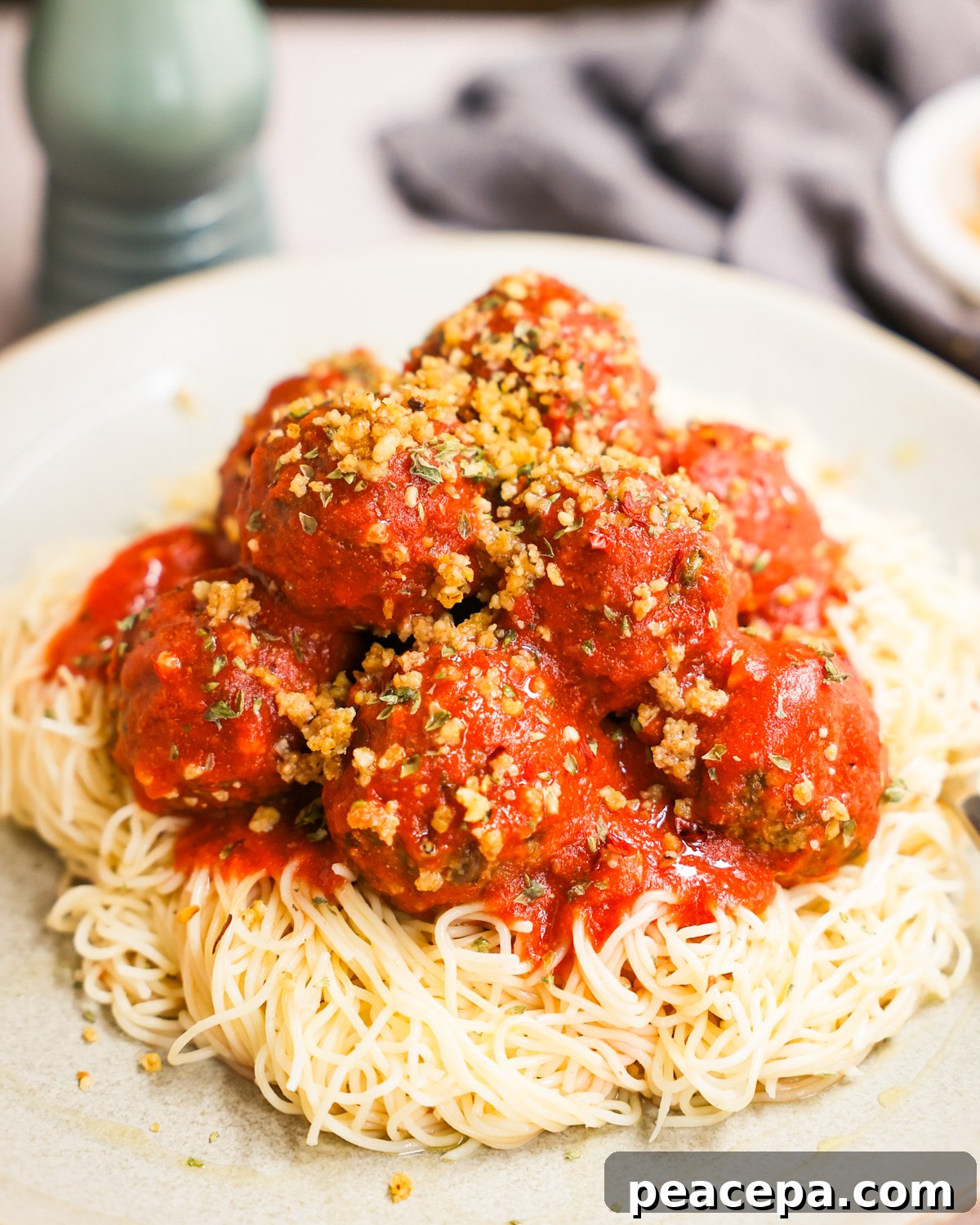
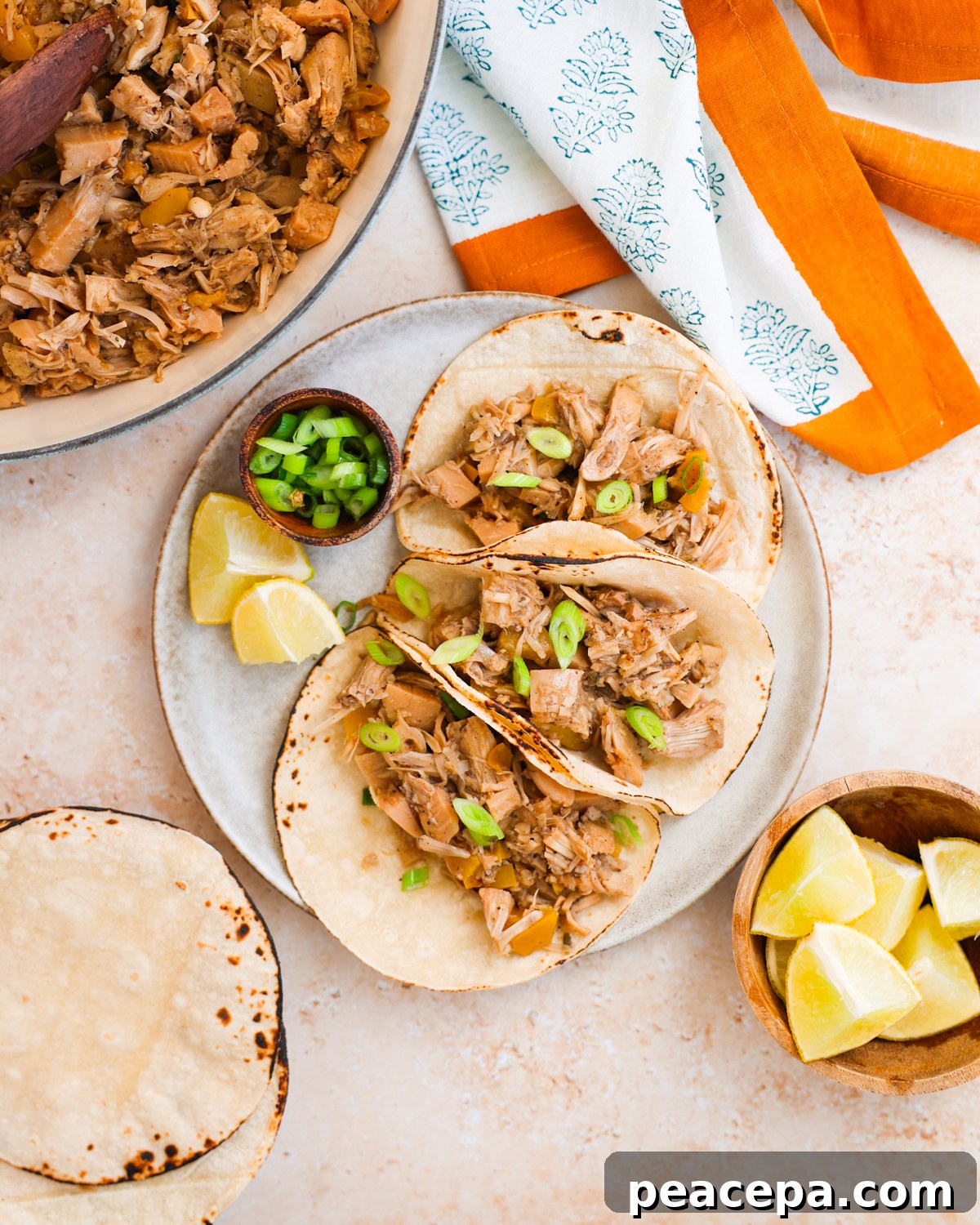
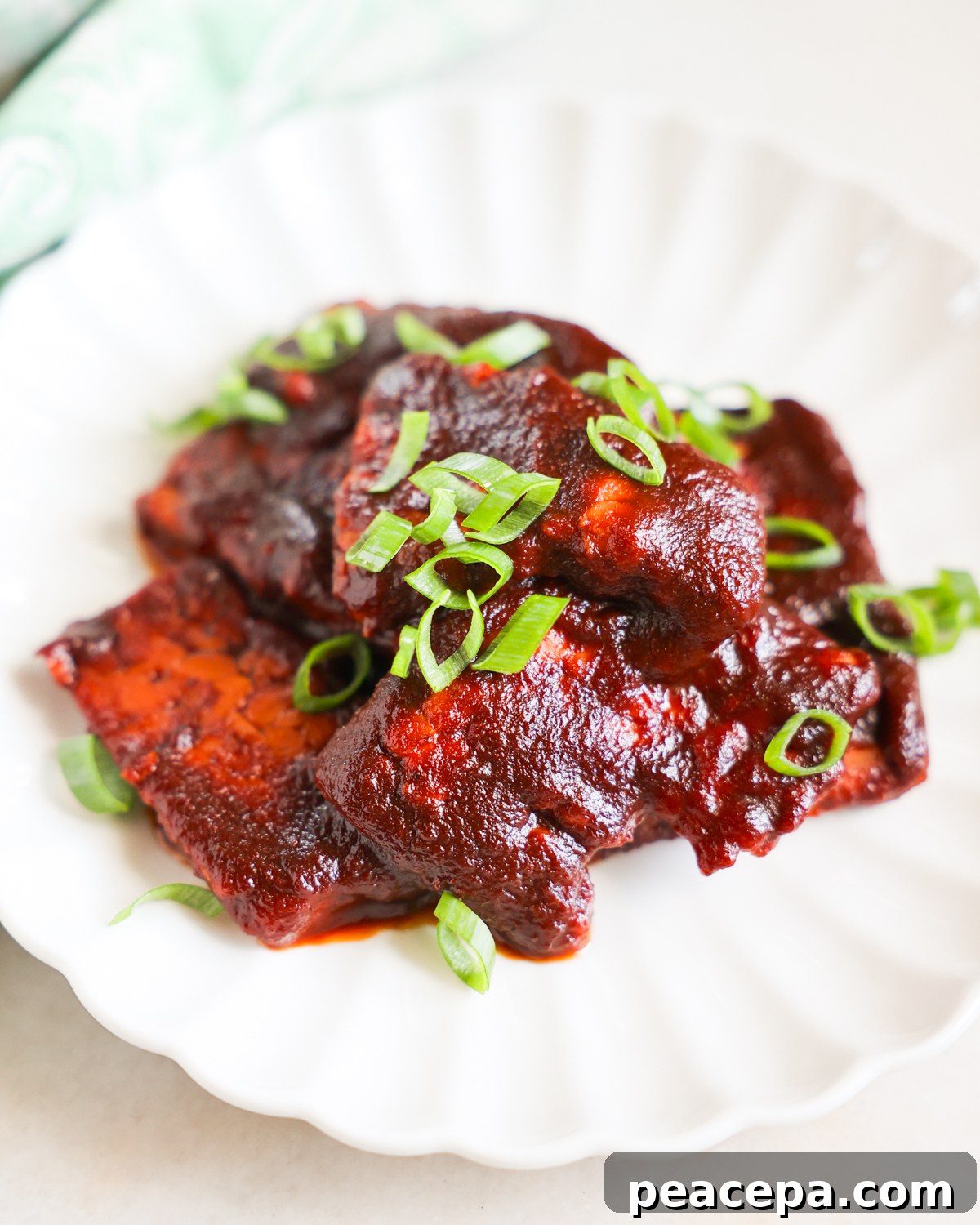
- Giving up animal products doesn’t mean losing your favorite flavors. Many seasonings and cooking methods commonly used for meat are inherently vegan. You can recreate familiar tastes using plant-based ingredients and techniques like smoking, grilling, and frying. With a few adjustments, classic dishes can be made vegan without sacrificing flavor.
- If you expect to crave certain dishes, search for vegan recipes that replicate those flavors. There are plant-based versions of almost everything now. Try multiple recipes if the first attempt isn’t perfect — experimenting helps you find dishes you love.
Meal Prep
- Meal prepping makes it easier to stick with healthy vegan eating. Preparing staples once a week saves time and reduces the temptation to rely on convenience foods. Cook a batch of grains, beans, roasted vegetables, and sauces you can combine into quick meals during the week.
- Look for meal plans and weekly prep guides that fit your schedule. Preparing components in advance keeps you consistent and helps you enjoy a variety of nutritious meals without daily stress.
Expect Discomfort at First
- Increasing fiber intake quickly can cause temporary digestive changes. Fiber is vital for digestion, weight management, and reducing risk of certain cancers and heart disease. Aim to get fiber from whole foods like beans, vegetables, leafy greens, fruits, and whole grains rather than supplements, and increase fiber gradually as you transition.
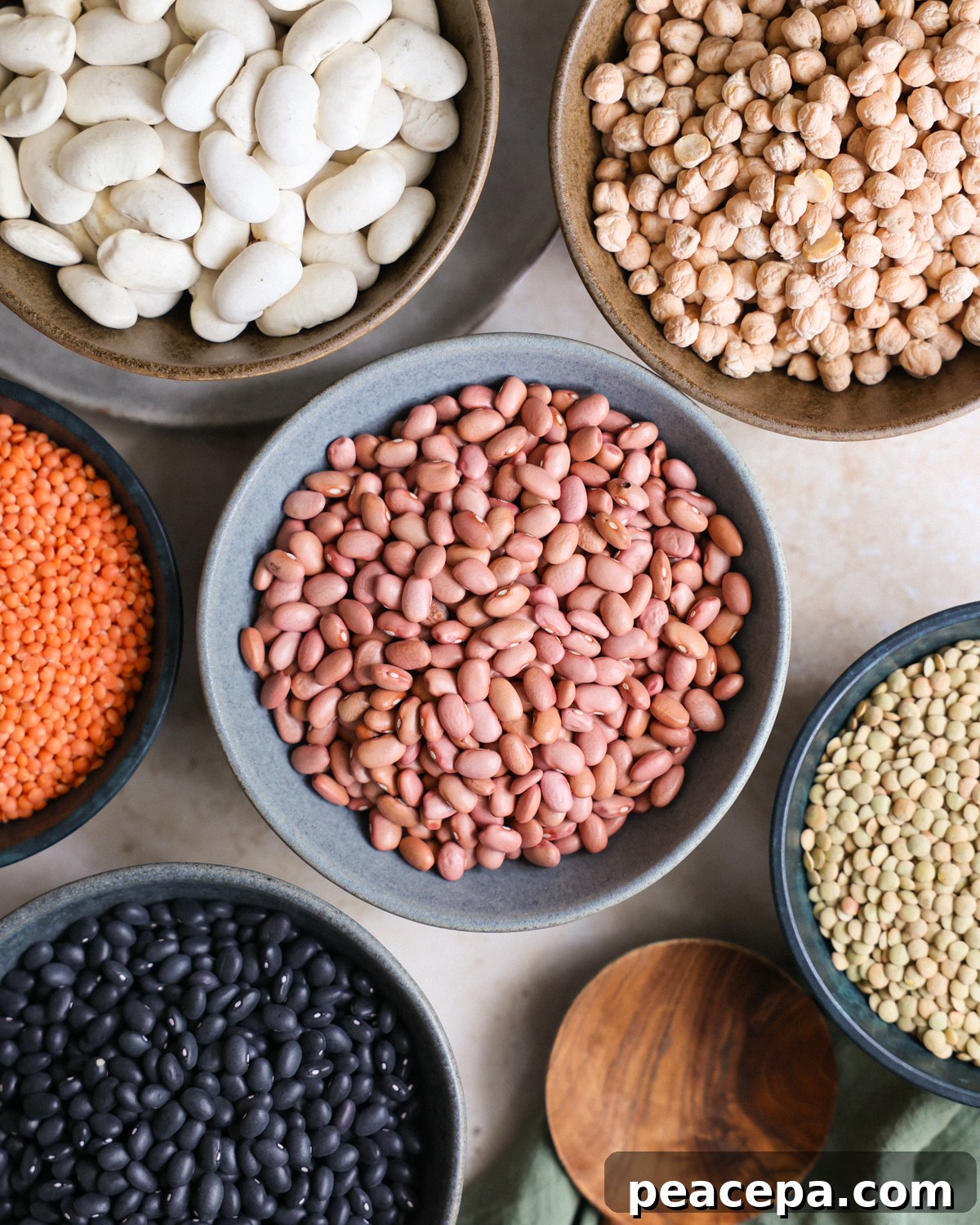
- If beans feel hard to digest at first, introduce them slowly. Beans are highly nutritious — rich in protein, fiber, vitamins, minerals, and phytonutrients — and your digestive system typically adapts over time. Make them a regular, growing part of your diet.

Take Certain Supplements
- Vitamin B12 is an essential supplement for those on a vegan diet. B12 can be taken as a pill, chewable, spray, or injection — choose the form that suits you. For other nutrients, have your doctor test levels of iron, vitamin D, calcium, and others before starting supplements so you know what, if anything, you need to add.
Stick with It
Pick a clear approach — for example, a whole-food, plant-based diet — and commit to it. There will always be competing opinions about diet, but consistency helps you form lasting habits. Over time, the changes become easier and more natural.
This site is here to help with recipes, meal planning, and practical tips as you build a sustainable vegan lifestyle. If you have questions, feel free to leave a comment.