Save money, reduce waste, and help the planet with these tasty vegan recipes that make the most of food scraps. Many parts of fruits and vegetables that we typically discard are perfectly edible, nutritious, and full of flavor. If you’ve been wondering what to do with leftovers and peelings, this guide offers practical, creative ideas you can use today.
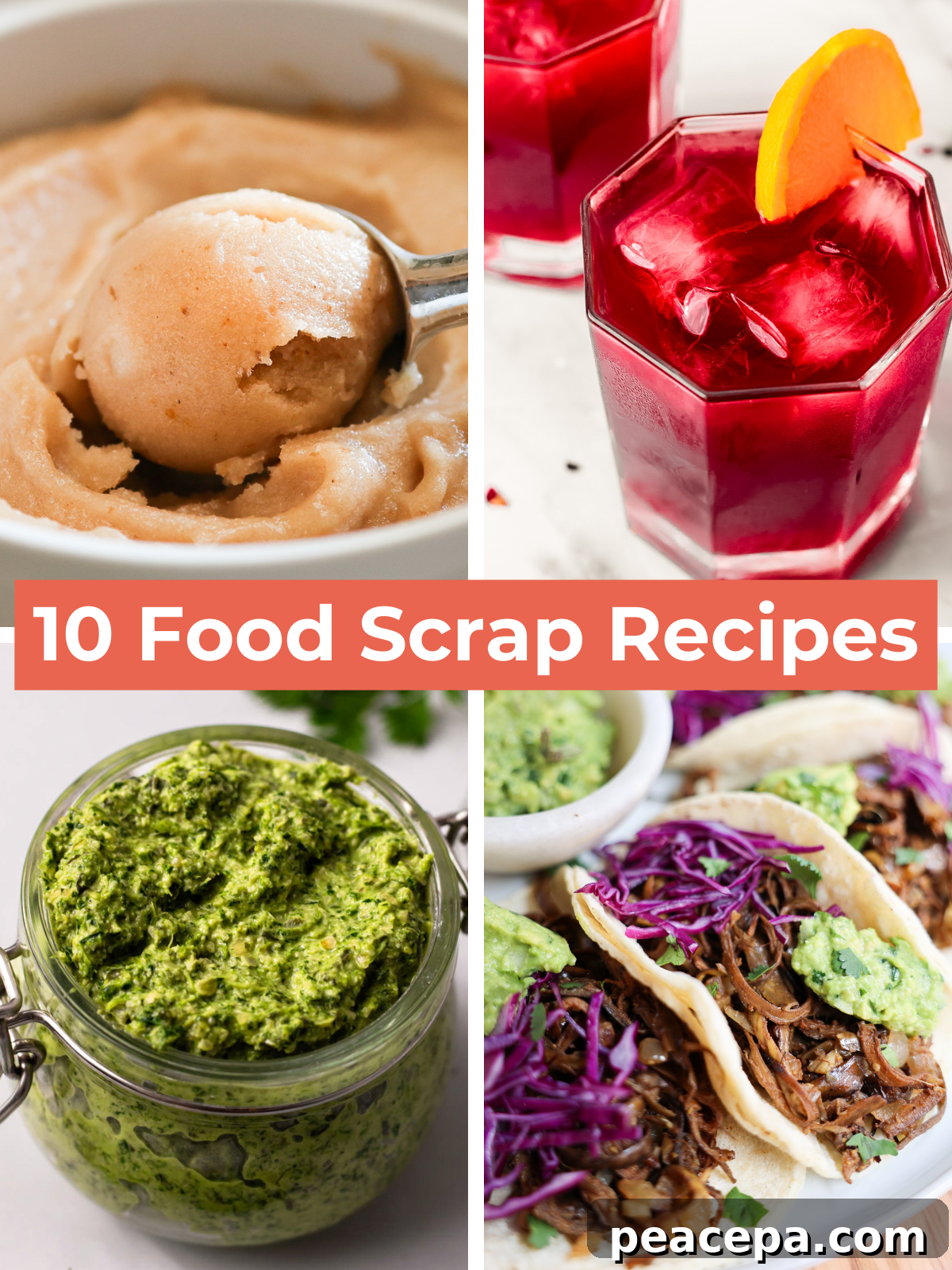
Happy Earth Month! Our planet provides abundant resources, and Earth Day is a great reminder to take extra care of it. The mantra “reduce, reuse, recycle” applies well to food too. By repurposing food scraps into meals, drinks, or household products, you lower your environmental impact and get more value from every grocery purchase.
Food waste is a major problem: in the United States alone, roughly 90 billion pounds of food are wasted every year—nearly 40% of the total food supply. Much of that waste happens in the food industry, but households also play a role. Small changes in how we handle scraps in our kitchens can add up to meaningful reductions in waste.
Reducing household food waste has several benefits beyond helping the environment. You’ll save money, make fewer trips to the store, produce less trash, and develop more mindful eating habits. It also encourages culinary creativity and helps you explore new flavors and techniques—think banana peel carnitas instead of tossing peels!
How to use food scraps
Along with the recipes below, here are everyday strategies to reuse food scraps:
- Pause before you toss. Ask if a peel, stem, or core can be used in another dish. For example, kale stems can be chopped and sautéed with garlic or added to soups. If you’re unsure, search for ideas online or on recipe sites.
- Save peels and mushroom stems for stock. Carrot peels, onion skins, and other vegetable trimmings add a lot of flavor and nutrients to homemade vegetable broth. Freezing scraps until you have enough makes this easy and economical.
- Use scraps beyond the kitchen. Coffee grounds can become a skin scrub, orange peels can infuse a natural cleaning spray, and overripe avocados can be turned into a hydrating hair or face mask.
- Compost what you can’t use. Composting transforms food waste into nutrient-rich soil. You can compost at home or use community drop-off bins and paid pickup services. Keep a small bin—many people store it in the freezer to avoid odors and pests—then empty it into your compost pile or collection container regularly.
Ten food-scrap recipes and ideas

Pineapple Skin Tea
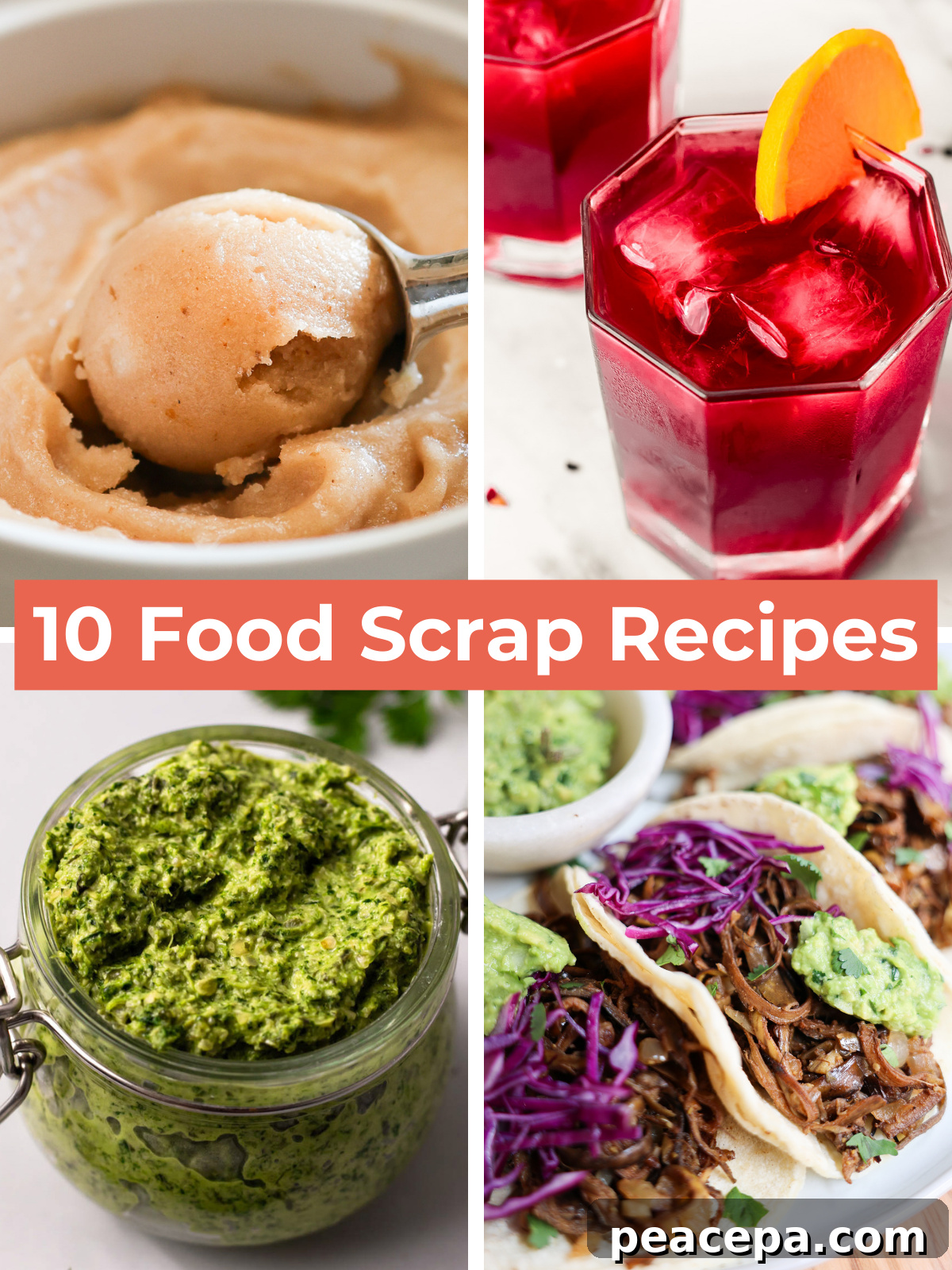
Pineapple skins make a bright, tangy tea that’s packed with flavor and nutrients. Brew the peels with water and optional spices like ginger or hibiscus, then chill for a refreshing iced drink or enjoy it warm on cool days. The tea keeps in the refrigerator for up to a week.

Banana Peel Carnitas
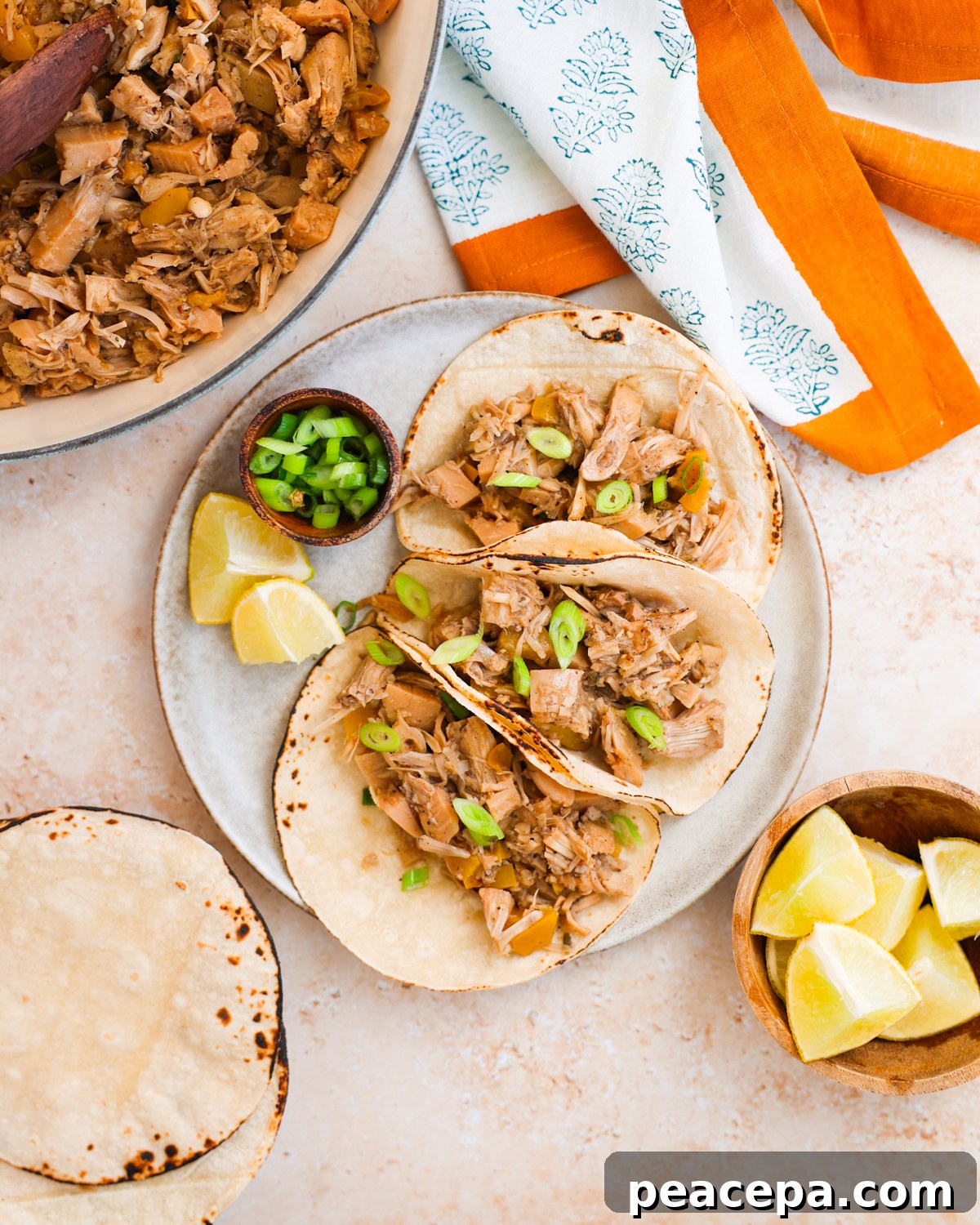
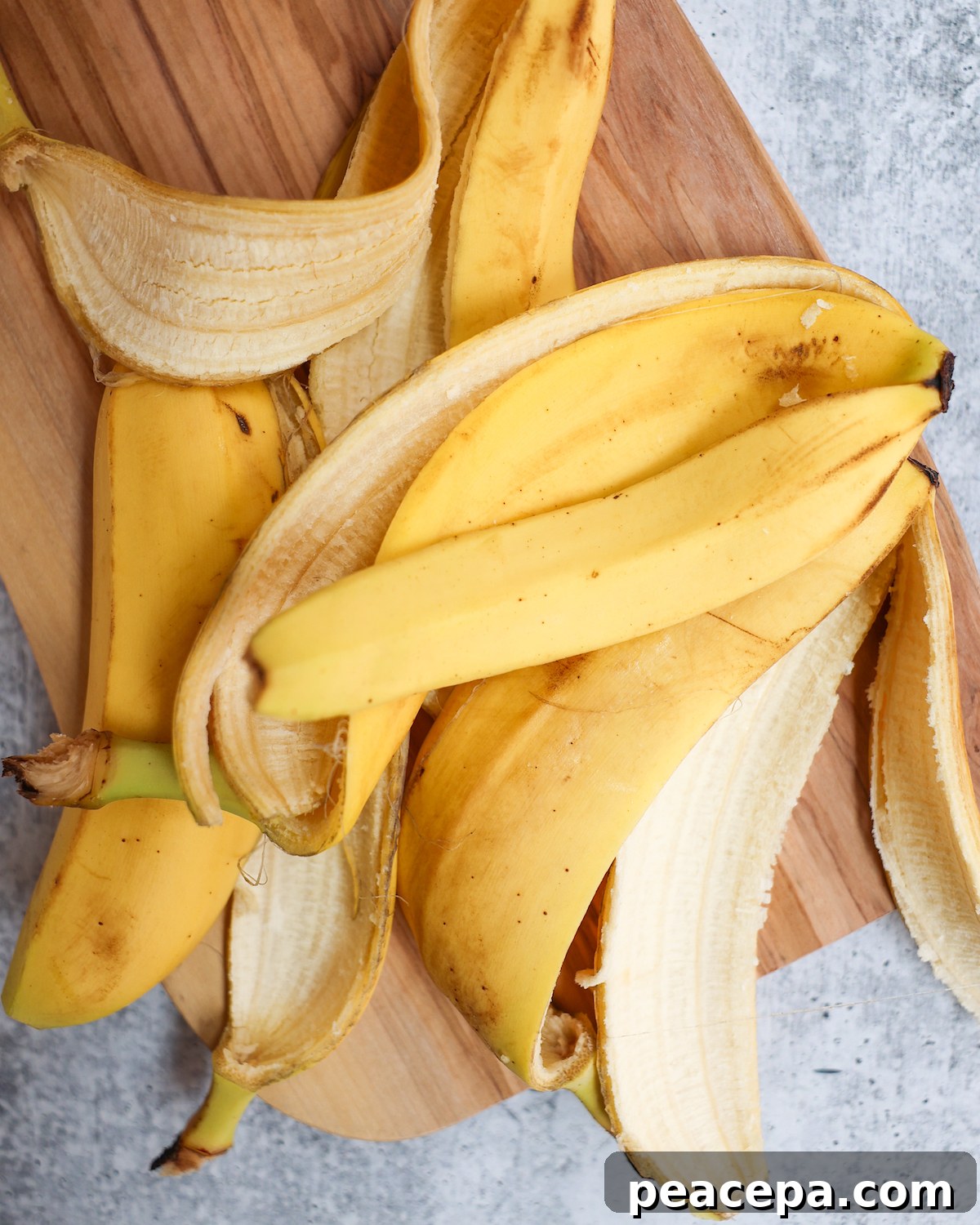
Surprisingly savory, shredded banana peels develop a meaty texture when cooked down with spices and sauce. They make excellent taco filling and are a great way to transform a common kitchen discard into a satisfying plant-based protein.
Homemade Vegetable Broth
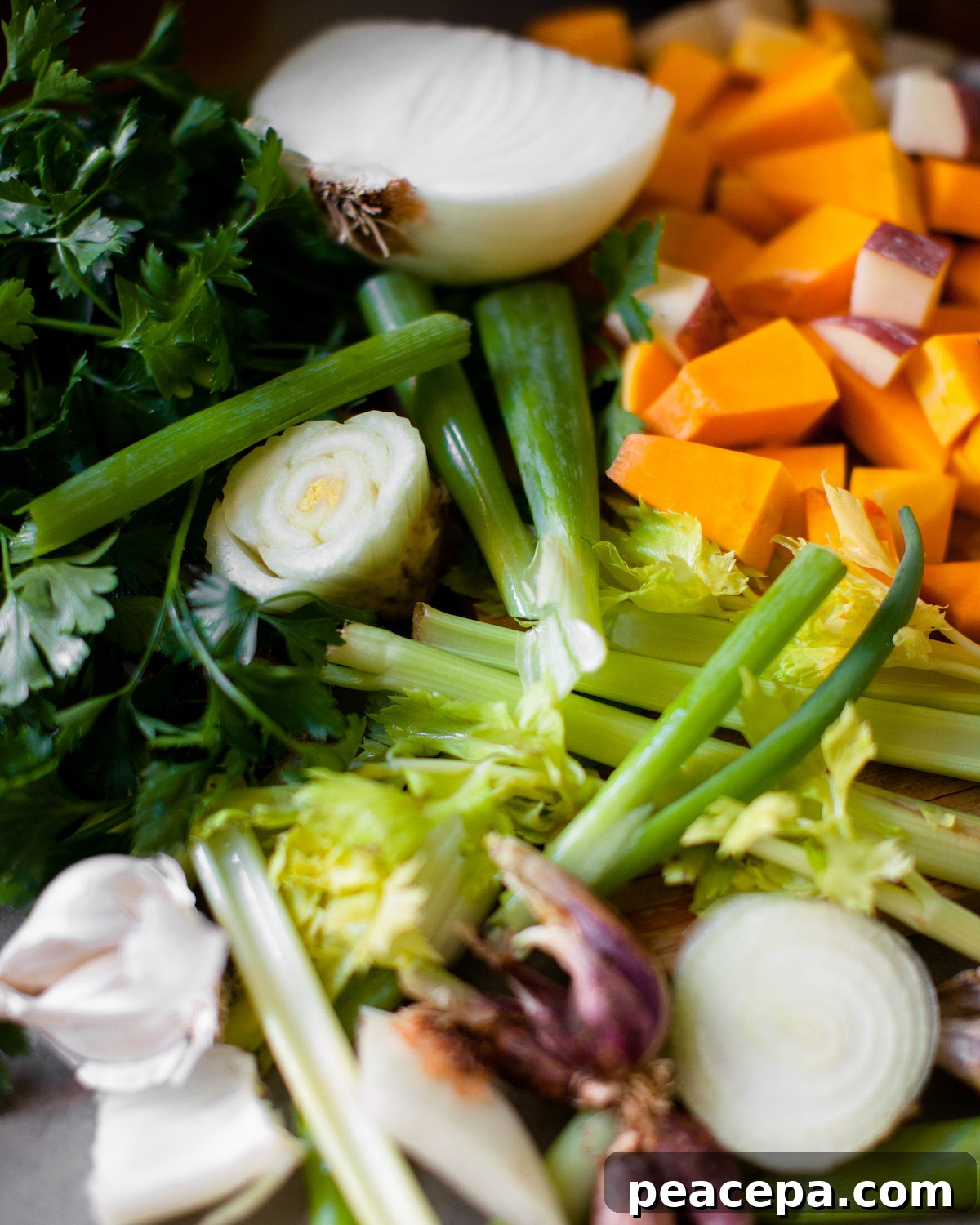
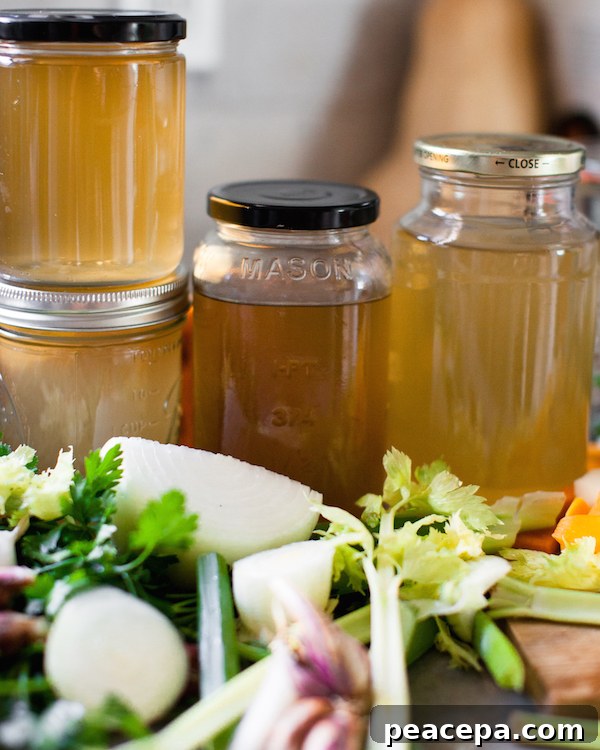
Collect carrot peels, onion skins, mushroom stems, and other vegetable trimmings in a bag in the freezer. When you have enough, simmer them for a savory homemade broth, strain, and use as the base for soups, stews, and sauces. It’s flavorful, economical, and reduces waste.
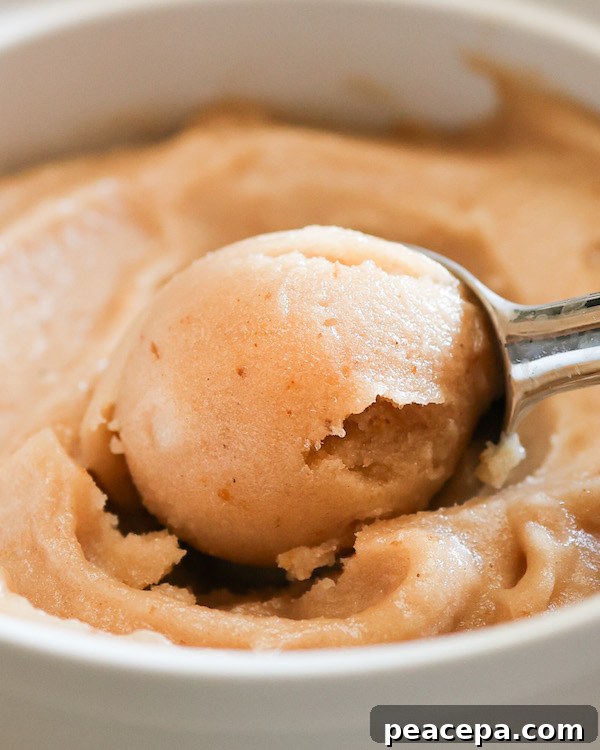
Overripe Pear Sorbet
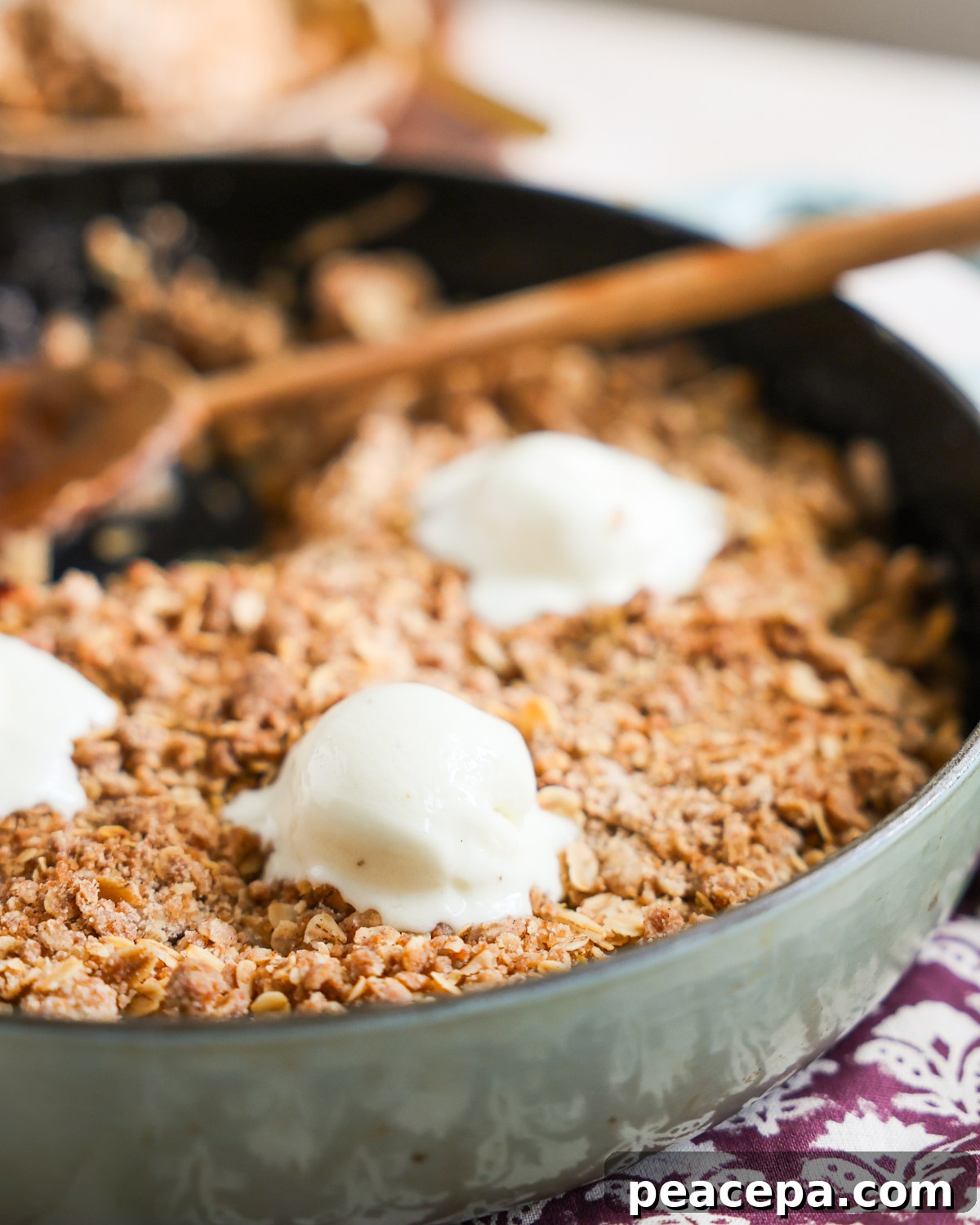
Soft, overripe fruit can be transformed into a simple no-churn sorbet. Blend overripe pears (or bananas, mangoes, etc.) with a splash of maple syrup, lemon juice, and a pinch of cinnamon, then freeze until firm for a refreshing dessert.
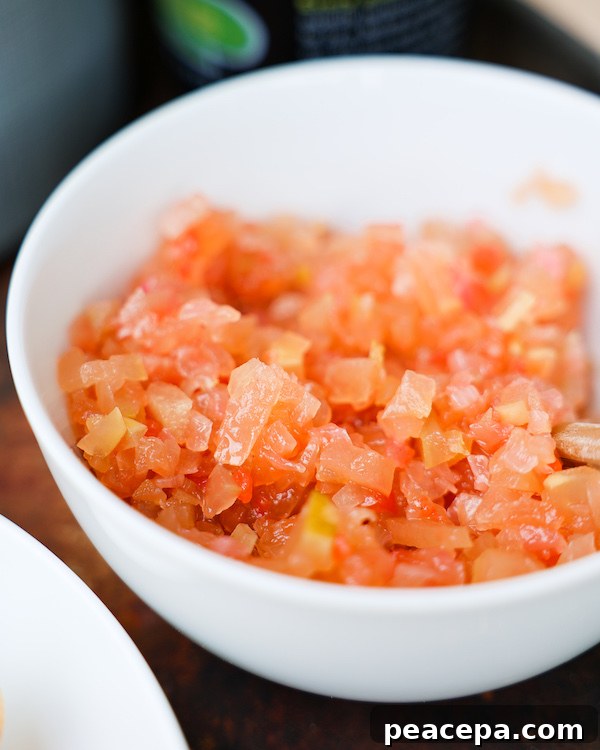
Watermelon Rind Relish
Instead of discarding the rind, peel and cook it down into a tangy relish or chutney. It pairs well with grilled dishes, burgers, or salads and adds a crunchy, bright element to summer meals.
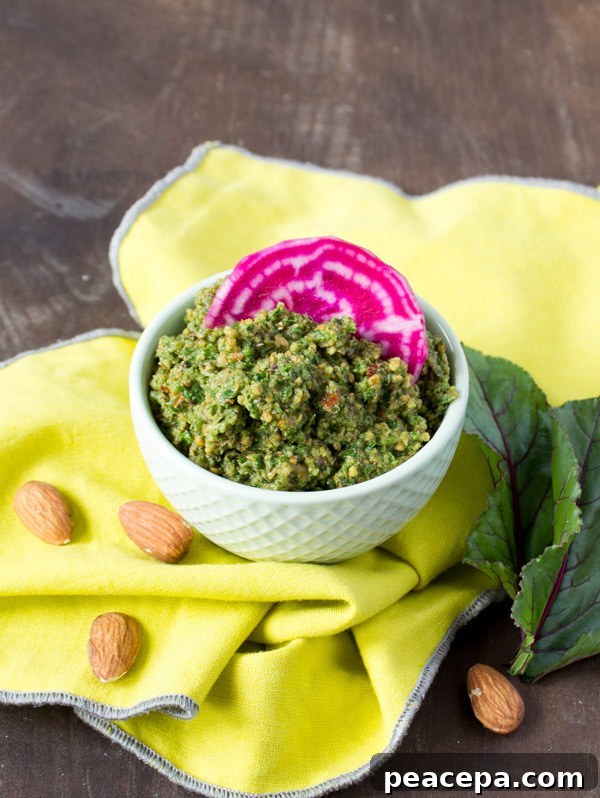
Beet Green Almond Pesto
Beet greens are often overlooked but taste similar to spinach or chard. Blend them with nuts, garlic, oil, and lemon for a vibrant pesto to toss with pasta, grains, or roasted vegetables.
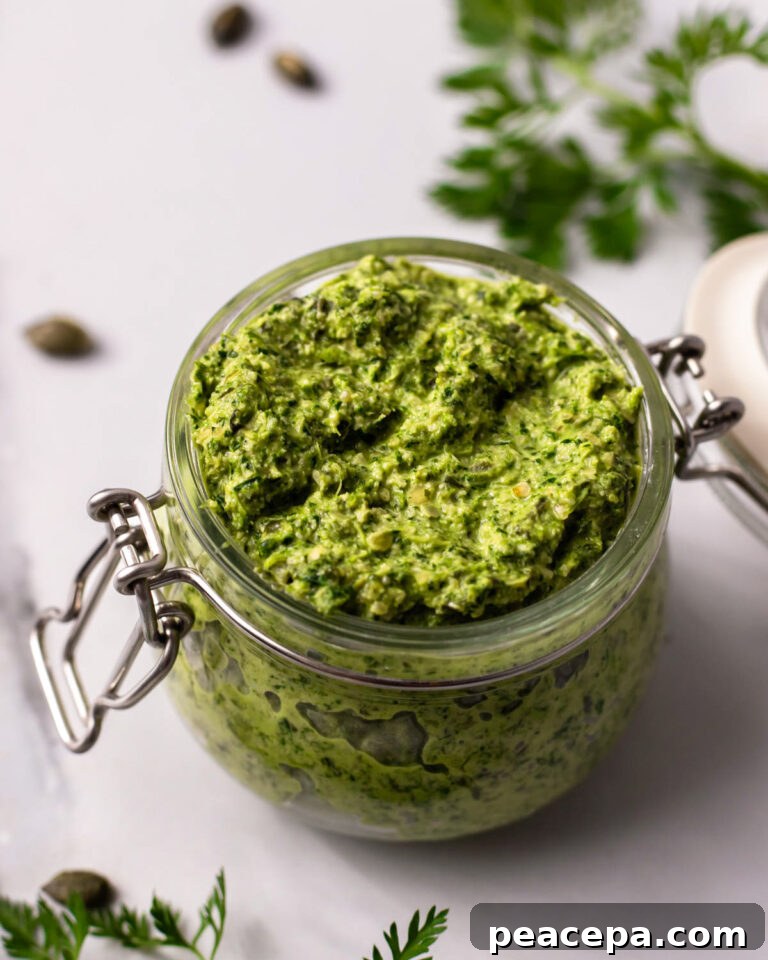
Carrot Top Pesto
Turn carrot greens into a flavorful pesto with garlic, oil, lemon, and nuts or seeds. It works as a spread, sauce, or dip and brings new life to what many people throw away.
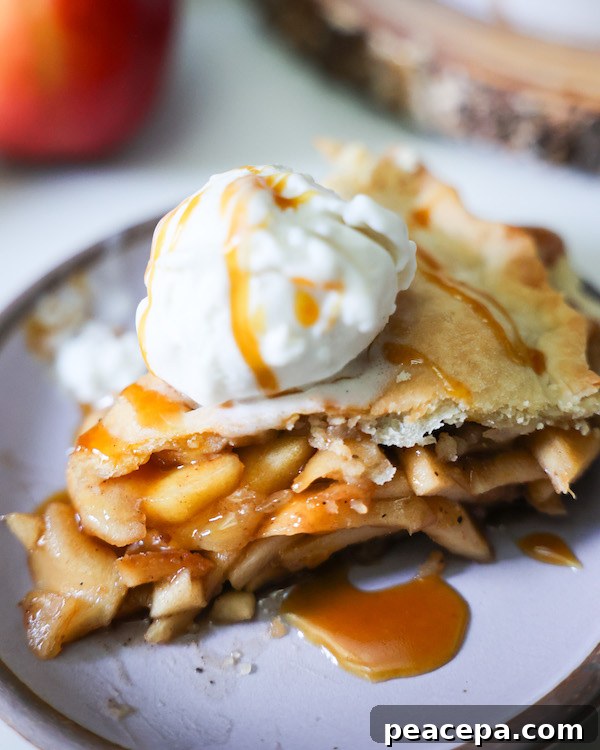
Apple Peel Caramel
Save apple peels and cores to simmer into a concentrated syrup or caramel. This sweet reduction is excellent on desserts, stirred into beverages, or mixed into yogurt for a warming apple spice flavor.
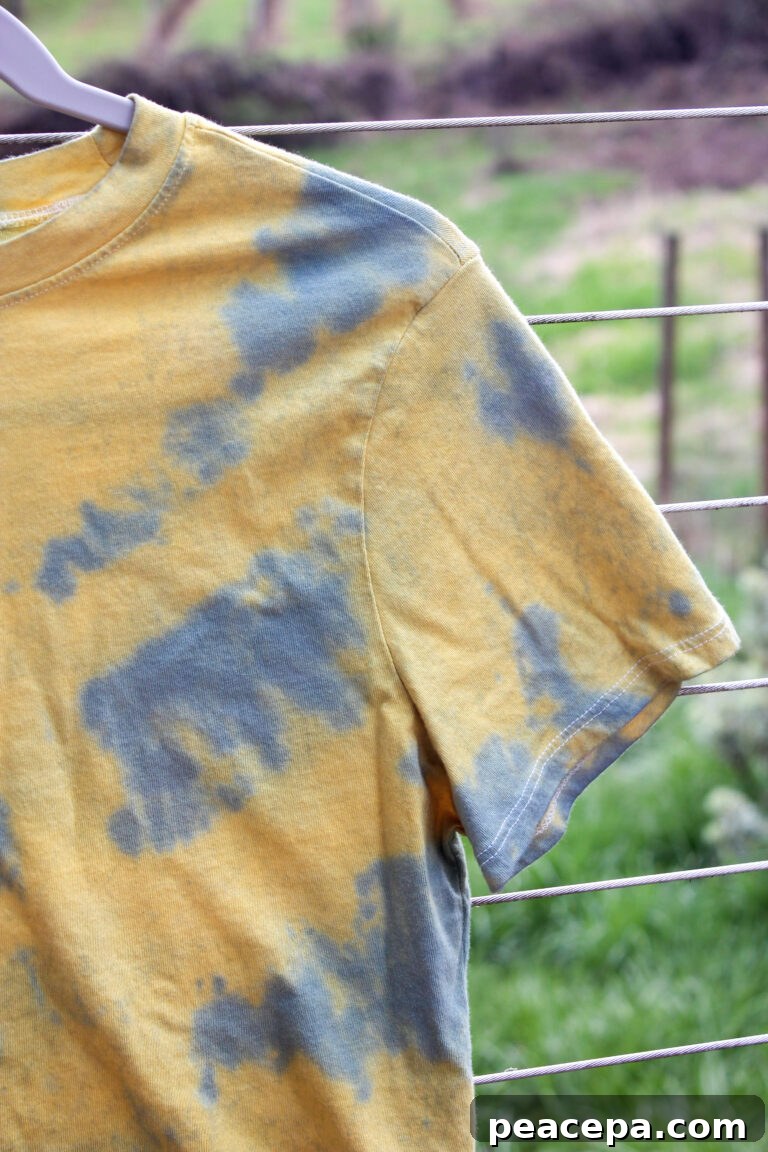
Natural Fabric Dye
Not all scraps need to be eaten. Avocado pits and skins, onion skins, and certain fruit peels can be simmered to create natural dyes for fabric. Upcycle faded clothing by dyeing it with plant-based colors for a fresh, sustainable look.
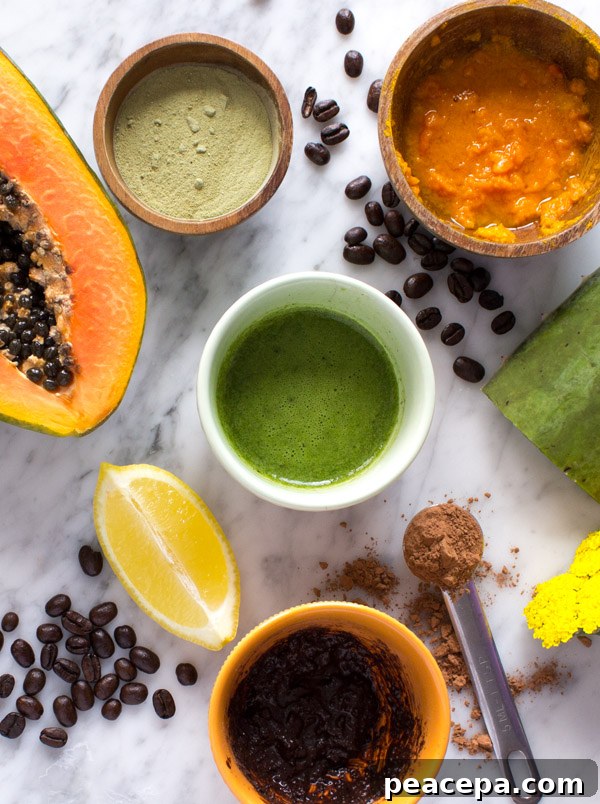
Coffee Grounds Scrub
Used coffee grounds make an excellent exfoliating scrub. Mixed with a bit of oil and sweetener, they remove dead skin cells and may help brighten the skin. It’s a fragrant, low-waste body treatment you can make at home.