Want to improve your digestion? I can help!
I don’t like to dwell on the details of the digestive issues I once dealt with, but anyone who has suffered with poor digestion and elimination knows how disruptive it can be. Problems with digestion can cause embarrassment, pain, bloating, fatigue, low mood, a weakened immune system, and general discomfort that affects daily life.
Even now, after making big changes to my lifestyle and diet, I sometimes worry the symptoms will return. But I’ve learned a lot about what helps—and what makes things worse.
From a young age my stomach gave me trouble: pain, cramping, loud gurgles, bloating, and slow elimination. I visited many doctors and was diagnosed with conditions like IBS and a hiatal hernia, and was told my gut flora was imbalanced. I tried medications and over-the-counter probiotics, but nothing helped for long.
Then everything changed when I stopped eating dairy.
I adopted a vegan lifestyle about three years ago, primarily for ethical reasons. Before going fully vegan, the last animal products I consumed were yogurt and the occasional slice of cheese pizza. For years I had tried yogurt because it’s often promoted as a digestive aid, but it never solved my problems. Two weeks after giving up dairy, my digestion and elimination improved dramatically. That relief has continued—three years later I still feel much better.
It feels wonderful to feel well.
So my first tip for improving digestion: consider eliminating dairy and observe how your body responds.
My other tips for improving and supporting digestion
1. Reduce stress. Stress affects every part of life, including digestion. A cycle can develop where stress worsens digestion, and poor digestion increases stress. Break that loop by prioritizing sleep, simplifying commitments, practicing yoga or gentle exercise, and spending time with people and activities that restore you.
2. Support healthy gut bacteria. Eat naturally fermented, unpasteurized probiotic foods such as kimchi, sauerkraut, and kombucha. Pasteurization kills bacteria, including beneficial strains, so choose live-fermented products when possible to help maintain a balanced microbiome.
3. Try removing gluten temporarily. Gluten sensitivity can contribute to digestive issues for some people. Eliminate gluten for a couple of weeks and then reintroduce it to see whether it affects your symptoms. This simple experiment can reveal whether gluten is a trigger for you.
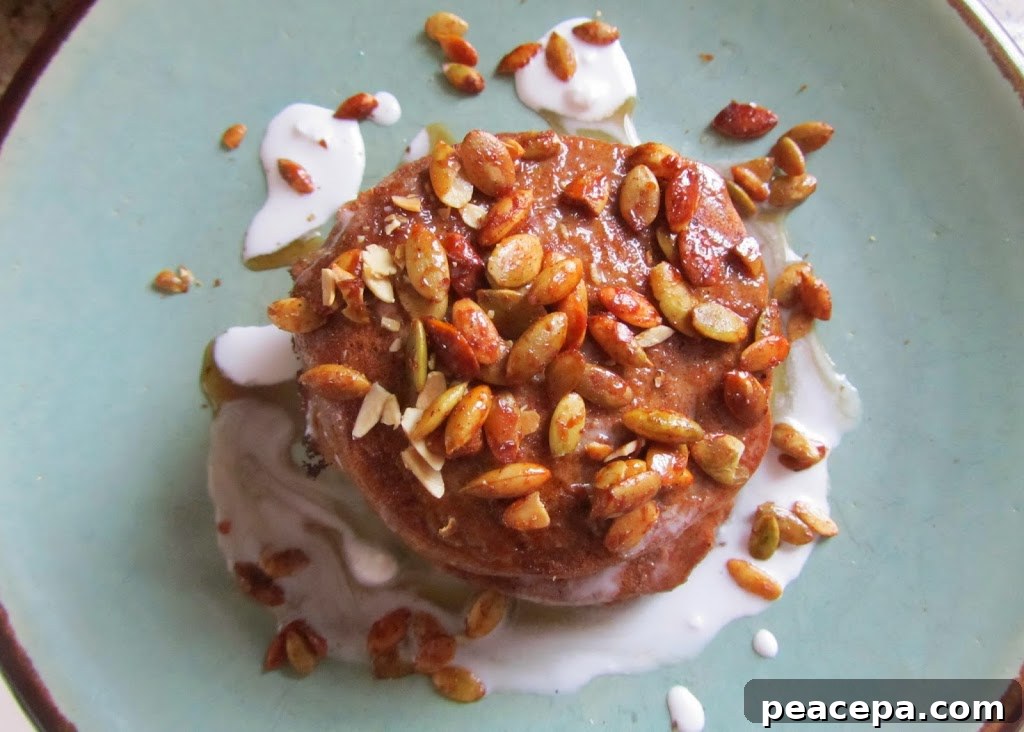
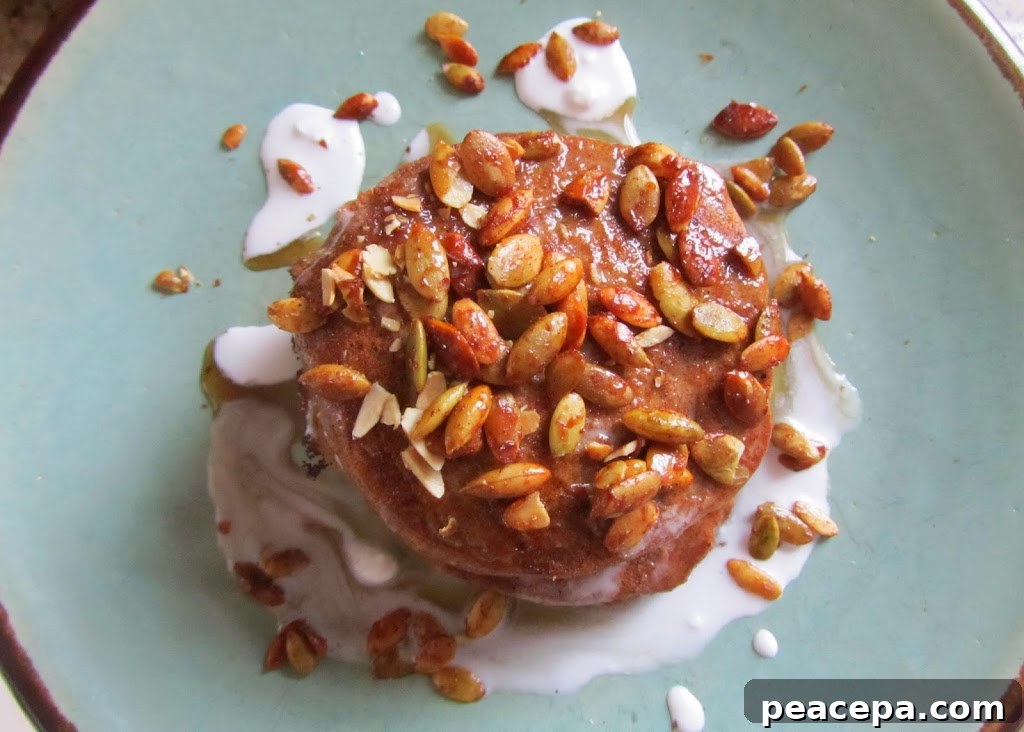 |
| Gluten-free pumpkin pancakes — a gentle, belly-friendly breakfast option. |
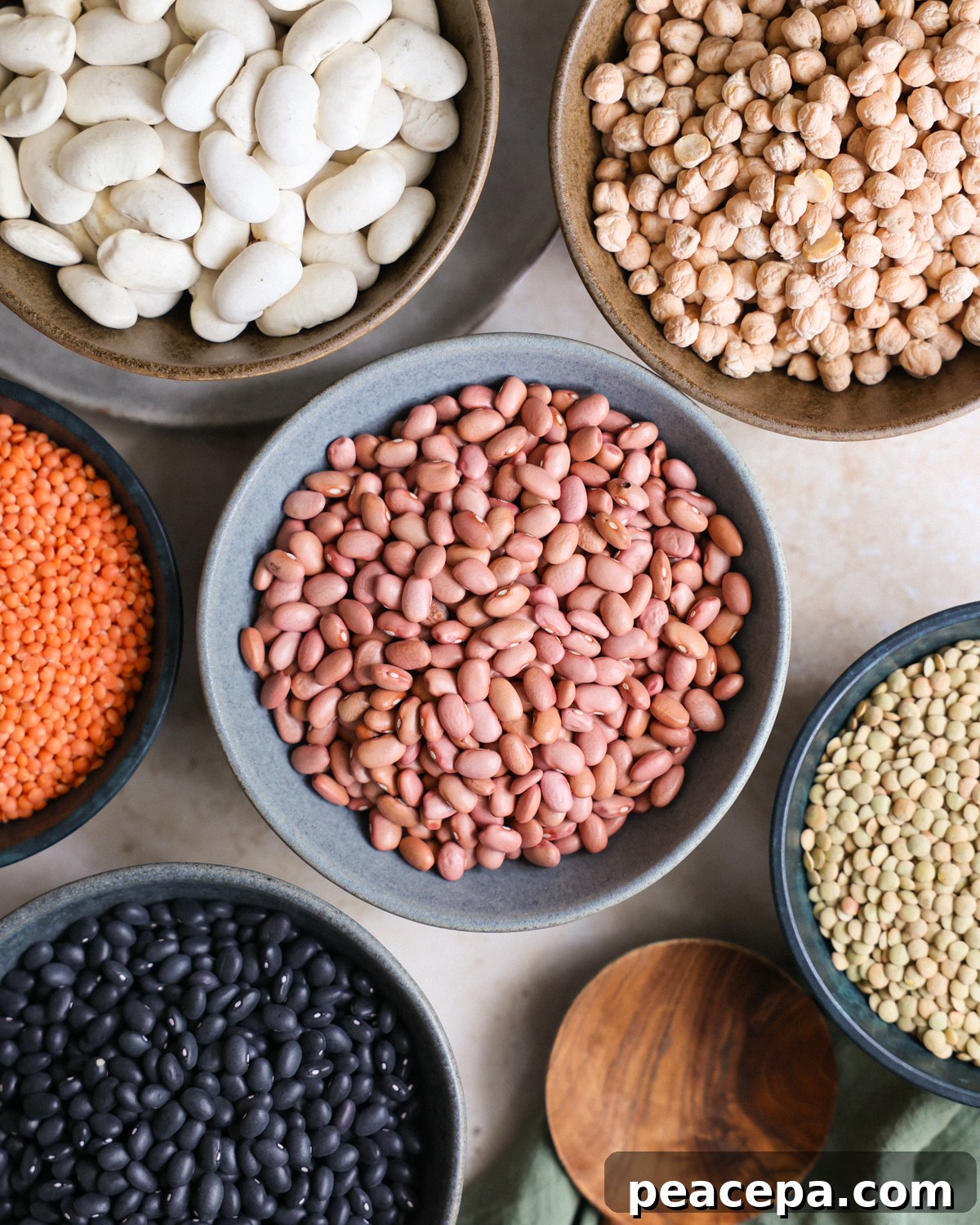
4. Eat plenty of fiber. A diet rich in whole, plant-based foods naturally provides fiber, which supports regular elimination and a healthy gut environment. Include a variety of fruits, vegetables, legumes, whole grains, nuts, and seeds daily.
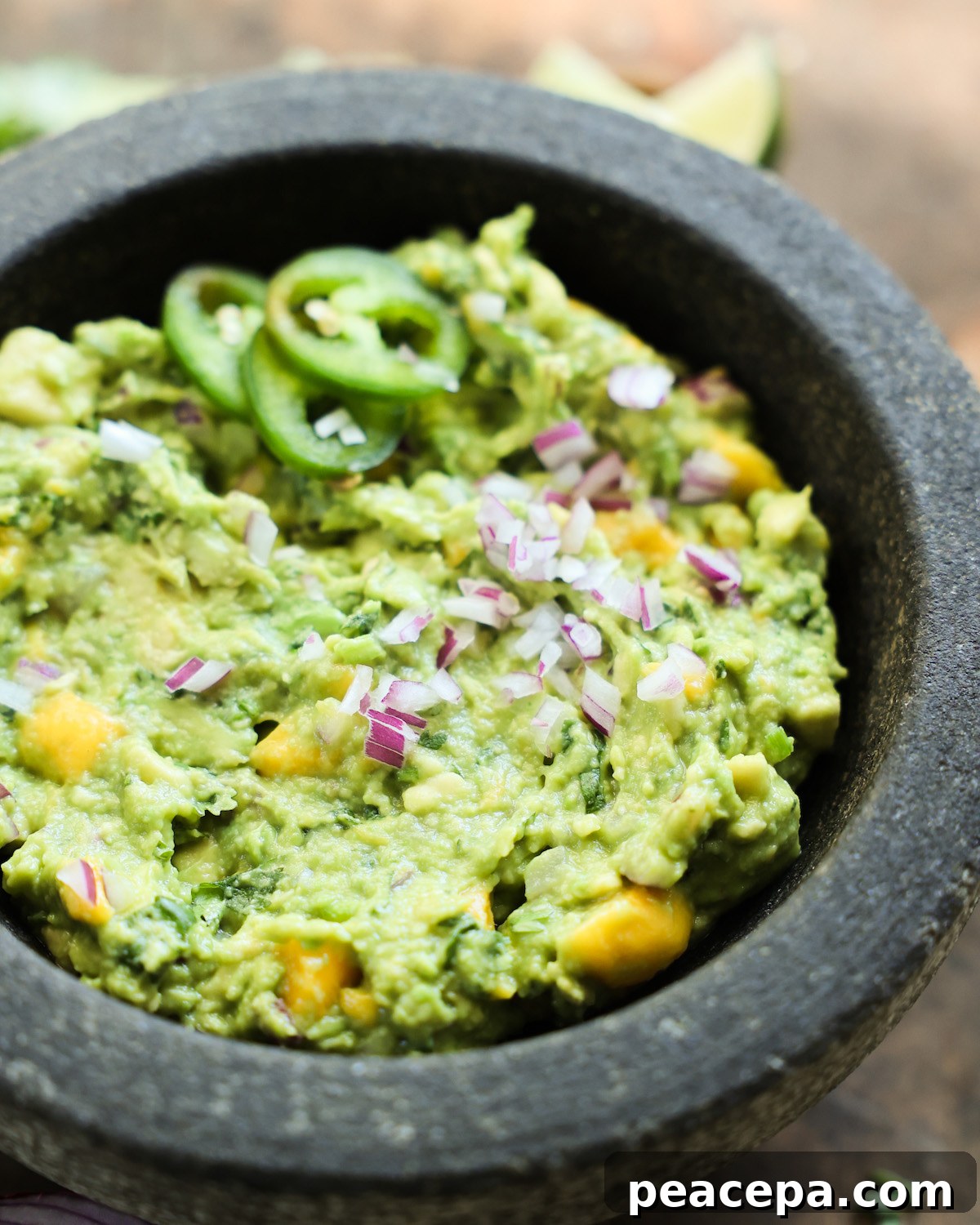
5. Embrace a whole-food, plant-centered diet. This style of eating supplies essential vitamins, minerals, fiber, healthy fats, and plant-based protein while minimizing highly processed foods. Focus on recognizable whole foods—fruits, vegetables, nuts, and legumes—and limit processed items. Small, sustainable changes are often more effective than strict rules.