I love animals. Dogs have been part of my life since childhood—growing up as an only child, they were the siblings I needed. They never argued for attention; they gave their love freely, and I returned it. In my teens, my dog Jewel was my closest companion. When I was sad she’d sit with me and let me rest my head on her.
Today my mom cares for six lively dogs in Atlanta. The oldest, Bertucci, has been with our family since 1999. While I could tell dog stories all day, this post is meant to inspire you to extend love to all animals—not just pets—this Valentine’s Day and beyond.

|
| Me & calves at Catskill Animal Sanctuary |
We dote on our pets every day and give them extra attention on holidays. Love is not limited, though, and on a day devoted to love there are many non-pet animals that could use our compassion. Below are meaningful ways you can help improve the lives of animals.
1. Support an animal sanctuary, shelter, or welfare group.
Dedicated people work daily to improve animal welfare and they need support. Donating money is one option, but outreach and volunteering are equally valuable. You can promote causes you care about, recruit others to help, or donate time to care for animals. My partner once spent two months at a wild animal sanctuary in Bolivia looking after a brown bear, and it was an amazing experience.
Many organizations conduct important advocacy and rescue work. Whether you want to help wild animals, companion animals, farmed animals, or marine life, there are groups that welcome support. If you have favorite organizations, consider mentioning them in the comments.

|
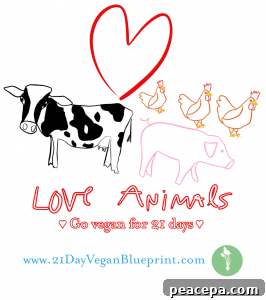
| Image I found online |
2. Think twice about supporting zoos, aquariums, circuses, or other businesses that keep animals in captivity for entertainment.
My family has always questioned zoos. While some facilities mimic natural habitats, many places keep animals in unnatural conditions for profit. Observing animals in captivity does not replace studying them in the wild, and these attractions often prioritize entertainment and revenue over animal welfare.
Recent controversies surrounding marine parks have drawn attention to the harm caused when intelligent animals are confined and trained for shows. Consider choosing experiences that do not rely on captive wildlife.

|
| My dog Peaches as a puppy (2007). Found with her brother alongside a busy road in Atlanta. |
3. Rescue an animal.
Every year many healthy, adoptable pets are euthanized in shelters. Millions of animals enter shelters annually and a large percentage are perfectly adoptable. Instead of buying from breeders or pet shops, consider adopting from rescues or no-kill shelters. If you prefer a particular breed, there are breed-specific rescue groups as well.
If you can’t adopt, volunteering or donating to local rescues and national organizations is another effective way to help. These groups rely on community support to care for animals and find them homes.

|
| Photo from Animal Place Sanctuary in California |
4. Become a conscious consumer.
Many everyday products contain animal-derived ingredients or are tested on animals. Leather, fur, wool, silk, down, and some cosmetics and personal care products come from animals or use animal by-products. Choosing cruelty-free and animal-free alternatives reduces demand for products that rely on animal exploitation.
Personally, I still use a few items from before I changed my habits, like a down coat and cashmere sweaters, but I’ve decided not to buy these in the future. There are excellent plant-based and synthetic alternatives available that avoid harming animals.

|
| My VEGAN sweet potato bars! |
5. Go vegan.
One of the most impactful steps you can take for animals is to stop eating them and their by-products. Industrial animal agriculture often subjects animals to crowded, unsanitary conditions and routine medical interventions to keep them alive until slaughter. In dairy production, mother animals are repeatedly impregnated, their offspring removed, and the mothers used for milk production—practices many find inhumane.
The idea of “humane” farming is often misleading: even when conditions are improved, animals are still exploited and eventually killed for food. Recognizing the sentience of farmed animals challenges the double standard we apply between companion animals and animals raised for food.
Adopting a vegan diet benefits animals, personal health, and the environment. It can also be enjoyable and flavorful—plant-based cooking offers a wide range of delicious options, which I share across my blog.
How can we show more love to the planet and its animals? I’d love to hear your ideas—please share them in the comments.
xo