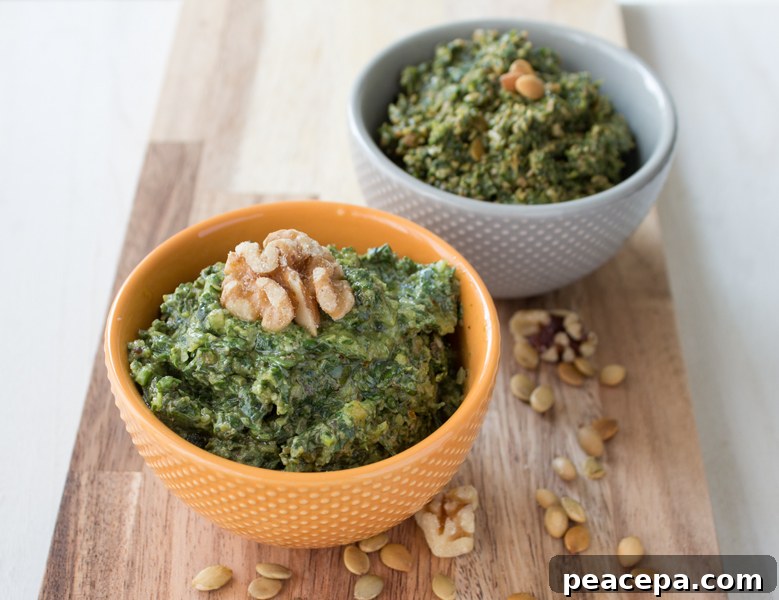
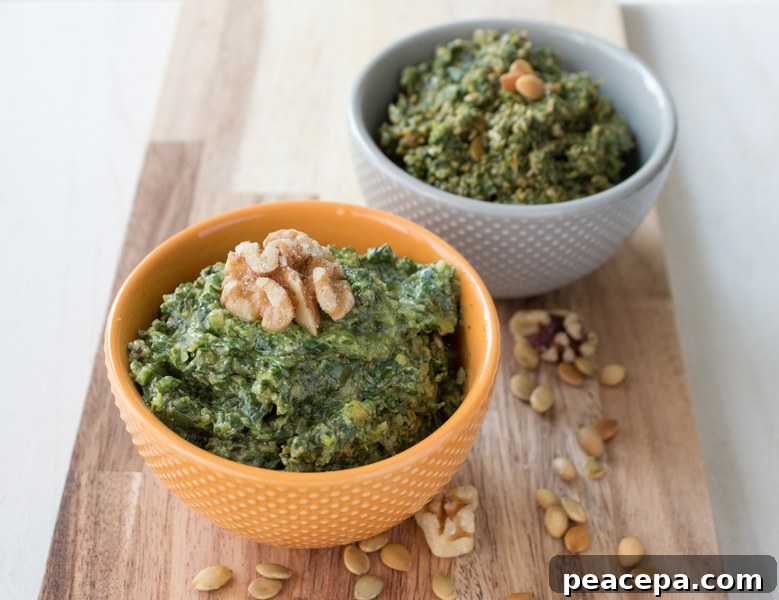
 Next to green juice and hearty kale salads, my favorite way to get raw greens into my meals is to blend them into a bright, garlicky pesto. I love a bold vegan pesto—sometimes overloaded with garlic—and it pairs beautifully with any herb and any nut or seed. Pesto is wonderful because it’s fast to make and endlessly adaptable: swap the greens or the nuts and you get a completely different flavor every time.
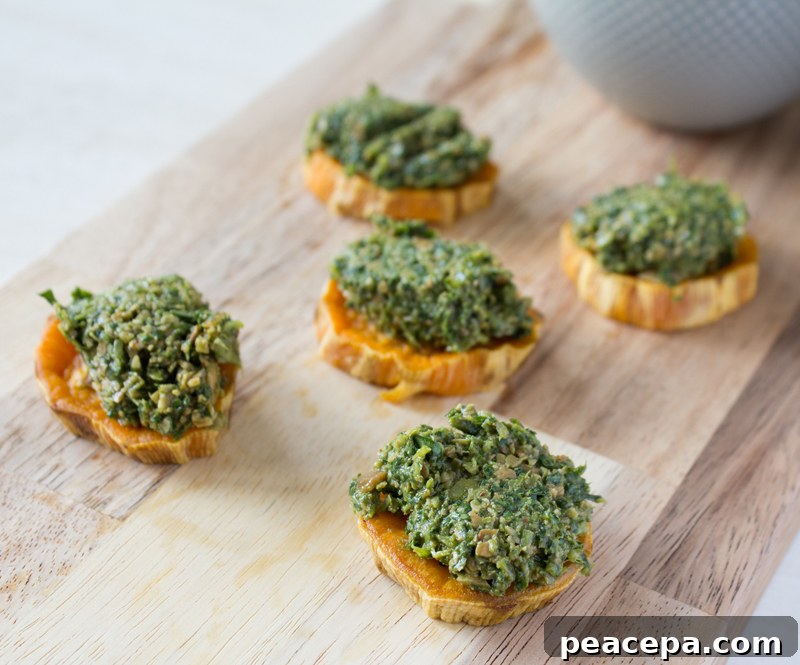
I recently invited my friend Shanequa over to make a couple of my favorite vegan pestos. I chose pesto for our kitchen date to show how simple and versatile these sauces are. With just a food processor (or blender), a handful of greens, nuts or seeds, some acid, oil and salt, you can transform raw ingredients into something vibrant and satisfying.
Popular ways to use pesto:
- Massaged into salad greens
- Stirred into pasta or zucchini noodles
- Smeared on toast or crostini
- Added to sandwiches
- Served with roasted or baked vegetables like sweet potatoes or cauliflower
- Blended into hummus
- Used in wraps with beans and veggies
- Tossed with whole grains like quinoa or farro
- Mixed into lentil or bean salads
- Enjoyed straight from the spoon as a satisfying, healthy fat snack
See how one simple condiment can be used in so many delicious ways? Vegan pesto is not only versatile but also nutritious.
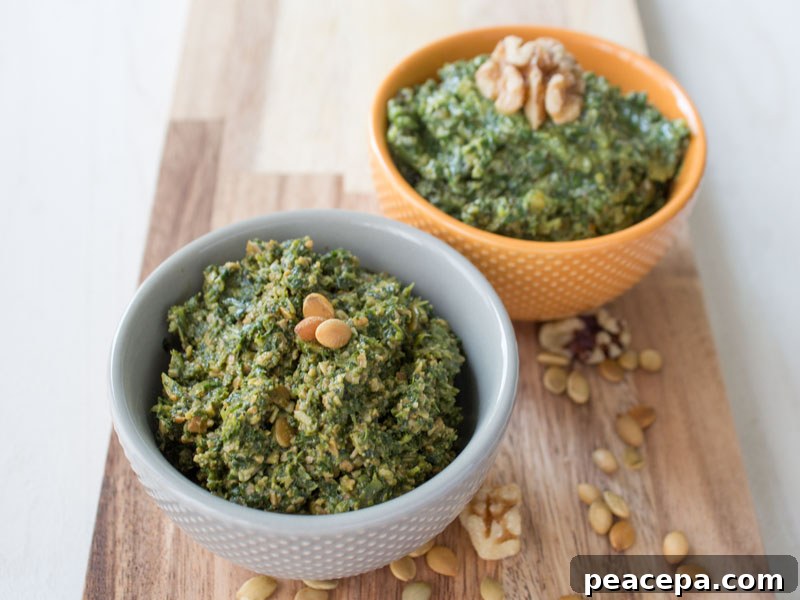 I love the dandelion pesto for its ability to tame and celebrate bitter, earthy dandelion greens. In some regions people cook dandelions for a long time to soften the bitterness, which works well. In warmer months I prefer them raw for their freshness. Olive oil and toasted pumpkin seeds help balance the bitterness and create a pleasing texture and flavor. Dandelion greens are valued for their diuretic and digestive-support properties, and they’re a good source of vitamin A, vitamin K, calcium, and iron.
Basil is another powerhouse herb. It’s an excellent source of vitamin K, which supports healthy blood clotting and bone health, and it has antibacterial and anti-inflammatory properties. Fun fact: the name basil comes from the ancient Greek word basilikohn, meaning “royal”—a fittingly elegant name for this aromatic herb.
What’s your favorite vegan pesto? How do you most often enjoy it?
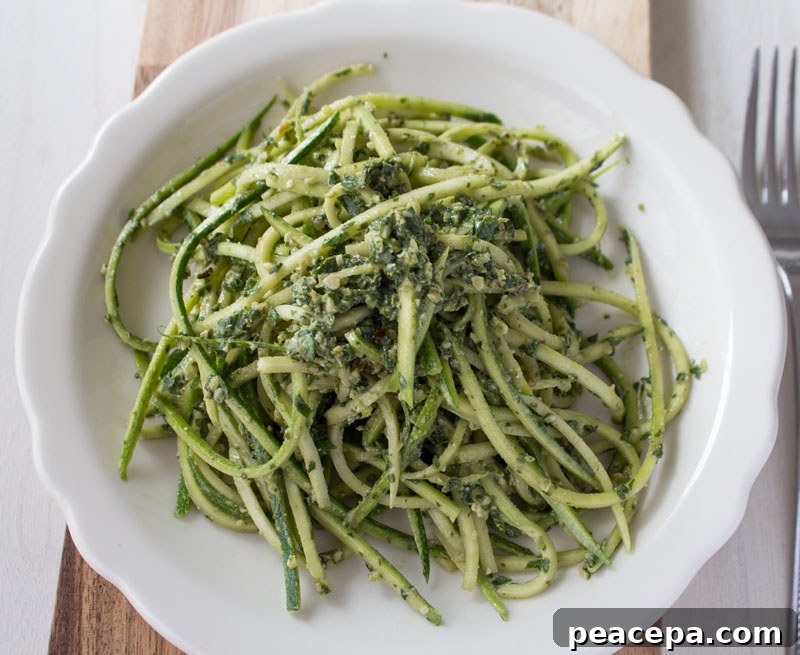
Dandelion Pepita Pesto
Ingredients
- 3 cups dandelion greens
- 2 large cloves of garlic
- 3/4 cup toasted pumpkin seeds (toast at 350°F for about 8 minutes)
- 1/4 cup olive oil
- juice from half a lime
- 1 tsp sea salt
- 1/2 tsp chili powder
Instructions
- Place all ingredients except the olive oil into a food processor and blend until combined. With the processor running, drizzle in the olive oil and blend an additional 30 seconds or until you reach your desired texture. For a thinner pesto, add 1–2 tablespoons of water or extra olive oil.
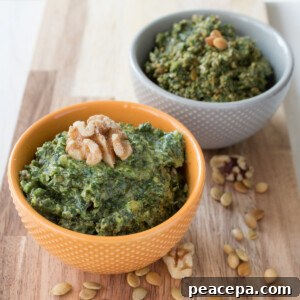
Basil Walnut Pesto
Ingredients
- 3 cups basil
- 1/2 cup walnuts
- 2 large cloves of garlic
- 1 tsp sea salt
- juice of 1/2 a lemon
- 1/2 tsp black pepper
- 1/4 cup olive oil
Instructions
- Place all ingredients except the olive oil into a food processor and blend until combined. With the processor running, drizzle in the olive oil and blend another 30 seconds or until the pesto reaches your preferred texture. If you want a thinner sauce, add 1–2 tablespoons of water or extra olive oil.