Sometimes I catch myself thinking, “Oh my God—I haven’t had any vegetables today!” If you know me as someone who eats a plant-based diet, you might wonder what I mean. I eat plenty of plants, but when I say vegetables I mean non-starchy, green and nutrient-dense choices—not starchy foods like sweet potatoes. If you want to eat more non-starchy vegetables, this guide will help you make them a regular, satisfying part of your meals.
Starchy vegetables such as sweet potatoes are nutritious, but non-starchy vegetables deliver more nutrients per calorie. Nutrient density refers to how many vitamins, minerals, antioxidants and fiber a food provides relative to its caloric content. Foods like leafy greens, broccoli, Brussels sprouts, and carrots offer a high concentration of beneficial nutrients for fewer calories. While nuts and seeds are calorie-dense and offer important nutrients, non-starchy vegetables are among the most nutrient-packed options available—and those are the ones worth prioritizing.
Eating more of these vegetables is associated with a lower risk of chronic diseases such as certain cancers, heart disease, type II diabetes, and age-related degenerative conditions. They provide antioxidants, essential and trace minerals (calcium, iron, magnesium, potassium), vitamins, and fiber, all of which support energy, immune function, and overall health.
Maybe you already understand the importance of vegetables but struggle to include enough of them. Below are practical, easy-to-follow tips to help you make non-starchy vegetables the foundation of your meals. These suggestions come from personal experience and are simple to implement.
1. Make non-starchy vegetables the largest portion of your plate.
Think of your plate as a pie chart: at least half should be filled with vegetables. Right now I’m loving roasted Brussels sprouts, broccoli, and cauliflower. They’re satisfying, easy to prepare, and flavorful. To roast, chop into bite-sized pieces, toss with a bit of oil (olive, grapeseed, or coconut), and roast at 400°F (about 200°C) for 15–20 minutes depending on how tender you like them.
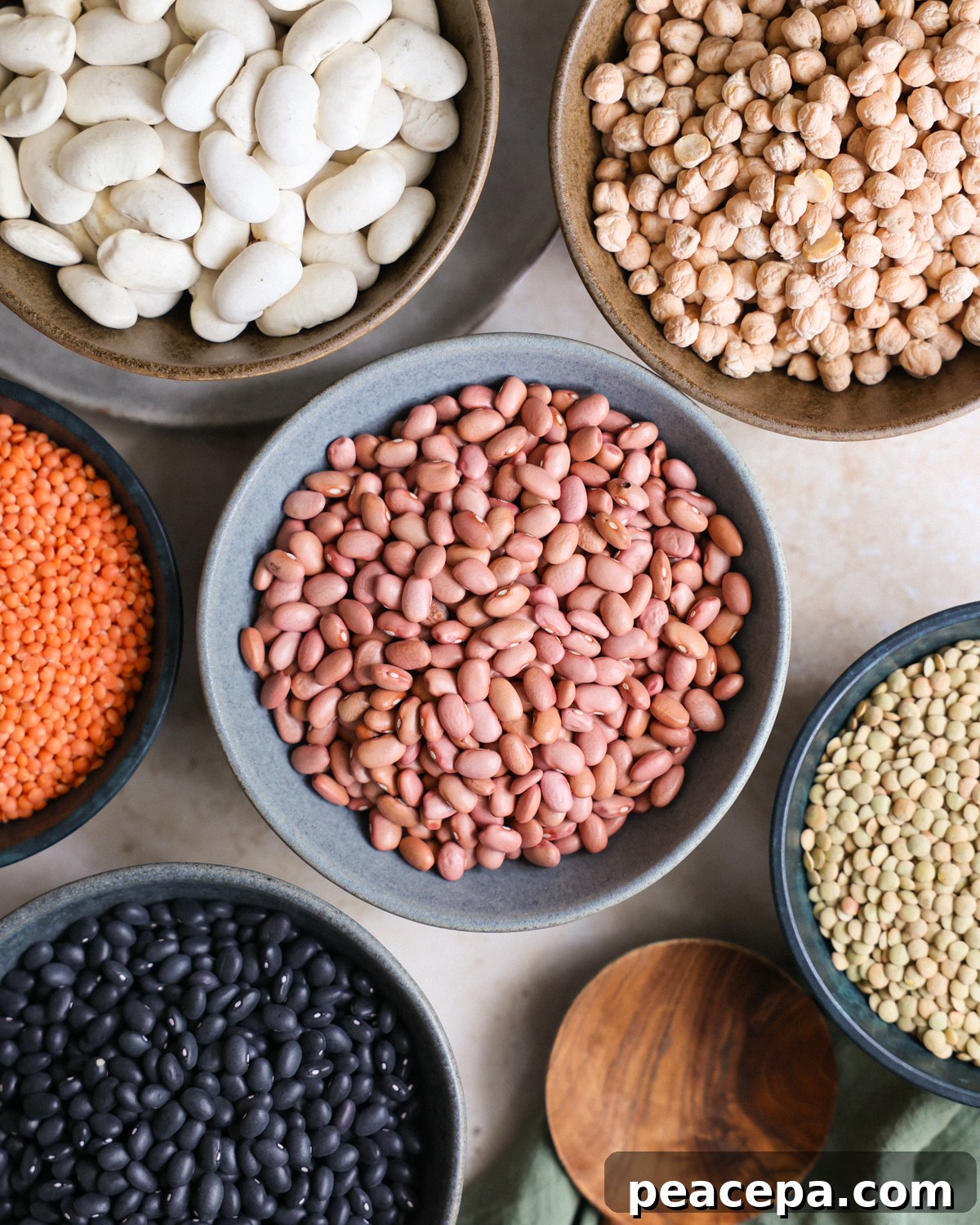
If you worry about protein, don’t. Many non-starchy vegetables contain protein—broccoli delivers about 3 grams per cup—and when combined with legumes and whole grains like lentils and quinoa, you’ll meet your needs easily. Protein deficiency is unlikely on a balanced, vegetable-forward diet.
2. Start with what you already know how to cook.
Use the techniques you’re comfortable with: stir-frying, roasting, grilling, steaming, or sautéing. If you make stir-fries, add extra vegetables. If salads are your thing, make larger, more varied salads. If you love roasted asparagus, eat more of it. Once you’ve increased your intake using familiar methods, you can experiment with new techniques and recipes.
3. Use spices and sauces to boost flavor.
Vegetables are delicious on their own, but spices and sauces make them even more inviting. For example, steamed cauliflower becomes a standout when mixed with a couple of tablespoons of tahini and a sprinkle of berbere spice. Toss with lentils, roasted carrots, and fresh parsley for an easy, flavorful meal.
Keep a well-stocked spice shelf: curry powders, dried herbs, nutritional yeast (for a cheesy note), cumin, coriander, chili powder, Cajun seasoning, and blends from different cuisines. Sauces and condiments can add variety—try balsamic vinegar, tahini, miso, harissa, or simple healthy dressings.
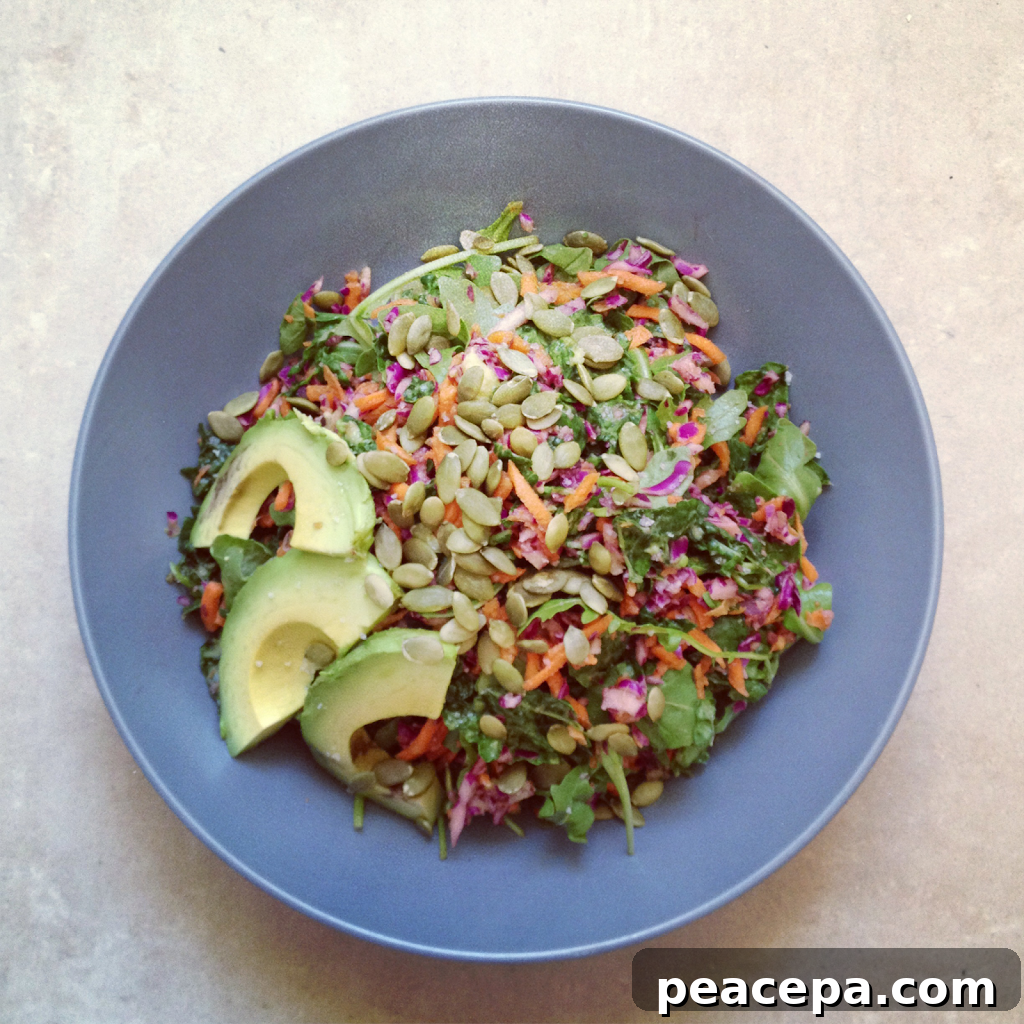
Need recipe ideas? Try these recipes for inspiration: Jenné’s “Daily Salad”, Miso Tahini Broccoli Salad, Collard Green Miso Soup, Kale & Dulse Salad, and Bali-Inspired Brussels Sprouts. These dishes showcase simple ways to make vegetables the star of your meals while staying flavorful and satisfying.