I love fashion as much as I love food. I created this Fall Fashion Lookbook and video to show that you can look stylish, express your personal style, and stay on-trend while choosing ethical options. As I learn more about the fashion world, I increasingly see the importance of stepping away from the mainstream want-buy-discard cycle and embracing a sustainable approach: reduce, repurpose, respect.
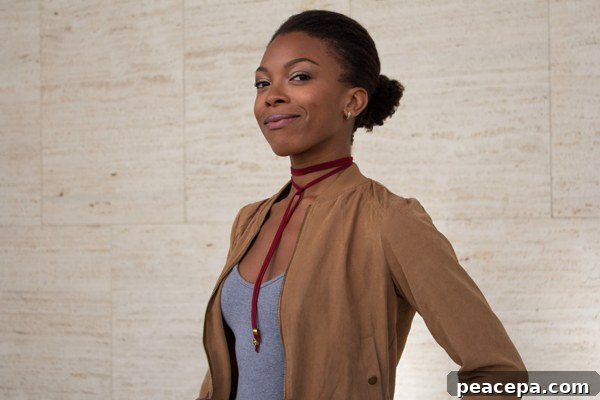
Press play to watch my Fall Fashion Lookbook. Below the video you’ll find details about each outfit and practical tips on how to shop ethically while staying fashionable.
 LOOK #1
 LOOK #1
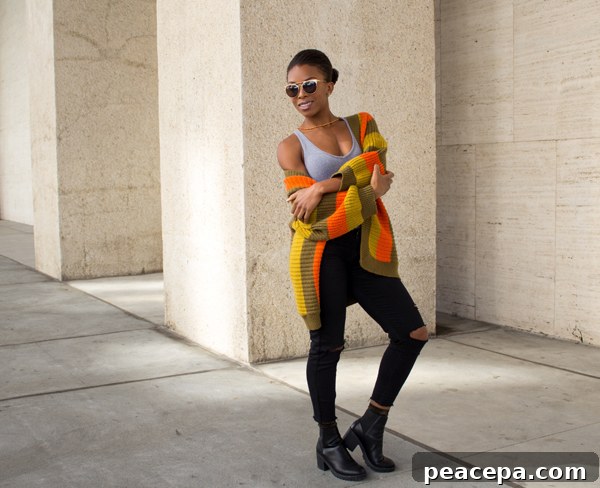
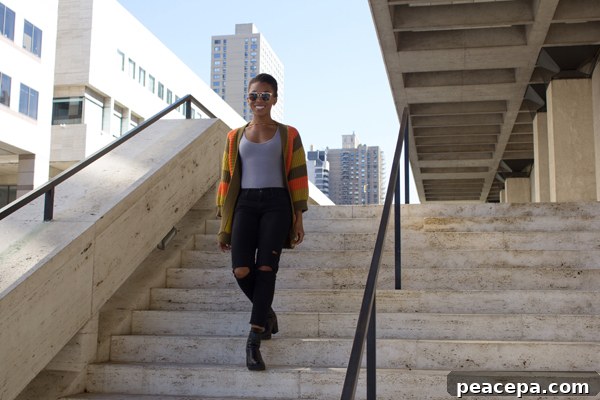
My boots are from MATT & NAT’s fall/winter shoe collection — comfortable, versatile, and sturdy. The chunky sweater is likely from Rag-O-Rama in Atlanta’s Little Five Points; I bought it in college and only started wearing it years later. My jeans are old Levi’s that I distressed myself for a current, un-seamed look. I plan to make a choker from the fabric I cut. The grey bodysuit and glittery black-and-gold socks are from American Apparel.
LOOK #2
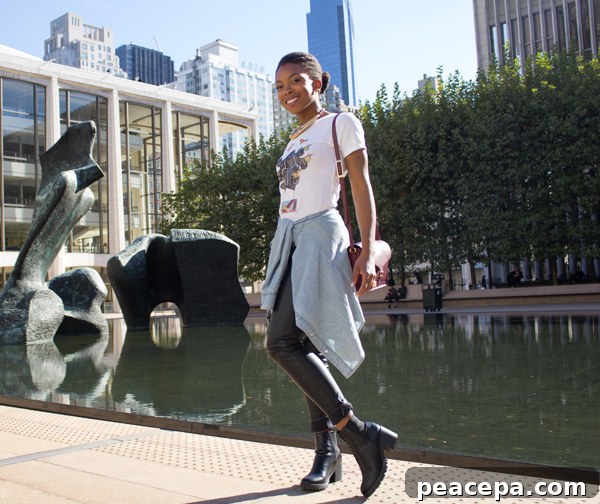
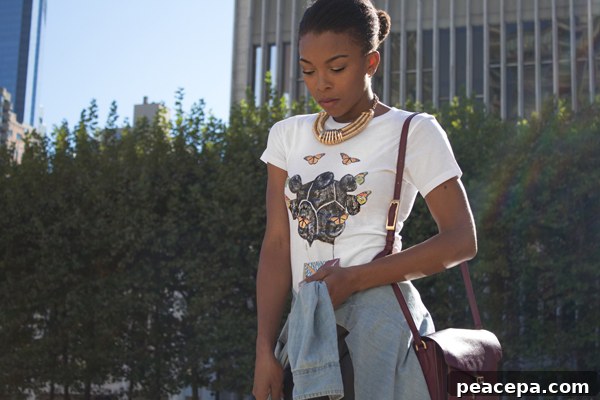
The standout in this outfit is the Pop Caven t-shirt featuring a bantu knot and butterfly graphic; they offer many tees celebrating African hairstyles. I paired it with faux leather pants I’ve had for years. Because there’s a hole in the back, I wrapped a denim shirt around my waist to cover it — a simple reuse trick. Old pants can also be repurposed into accessories like faux leather chokers.
LOOK #3
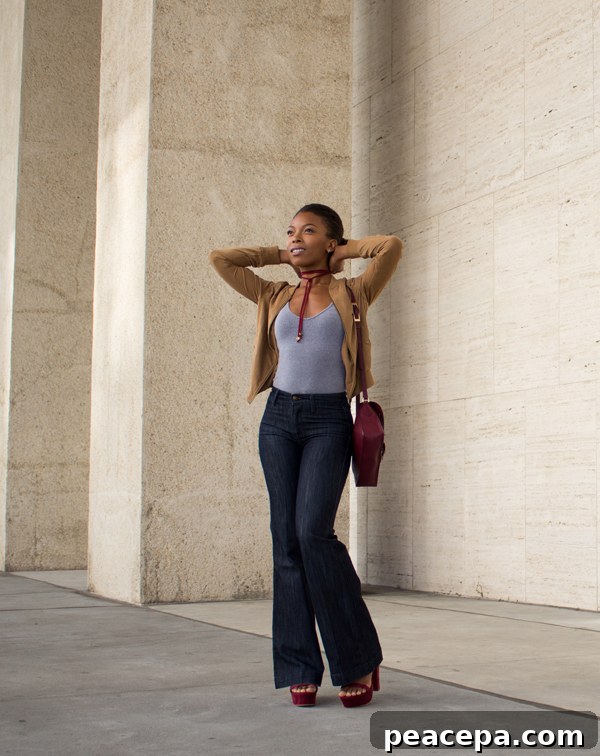
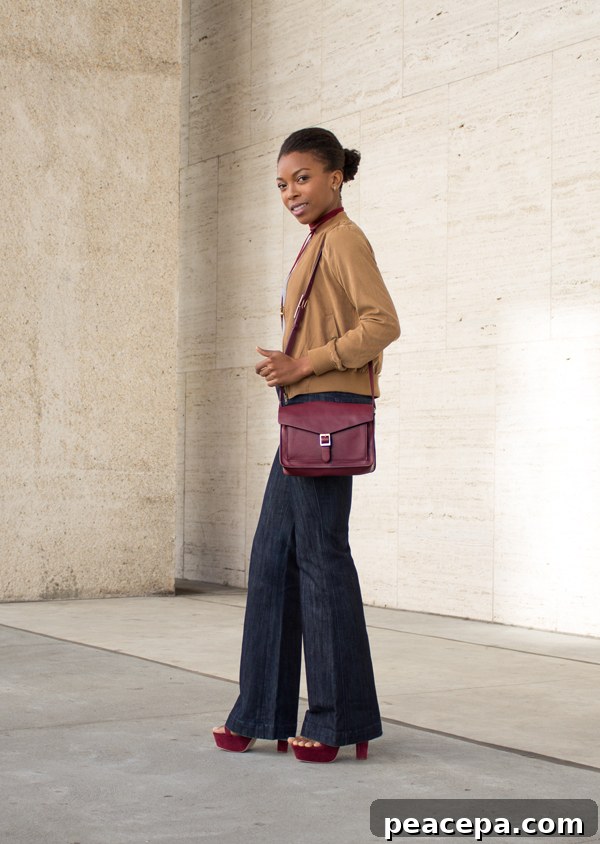
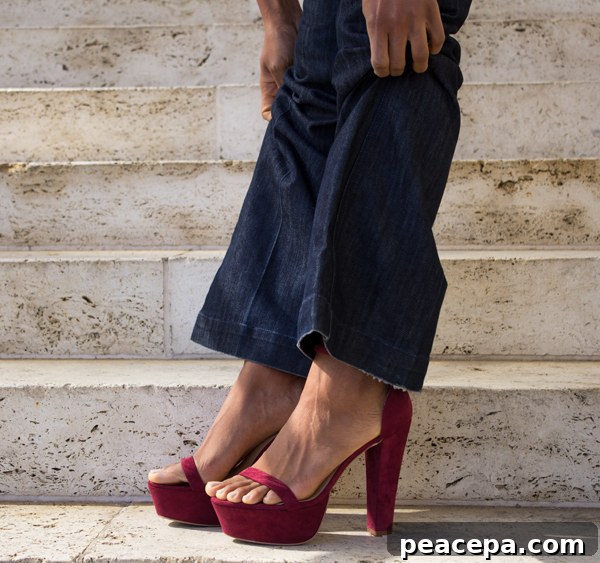
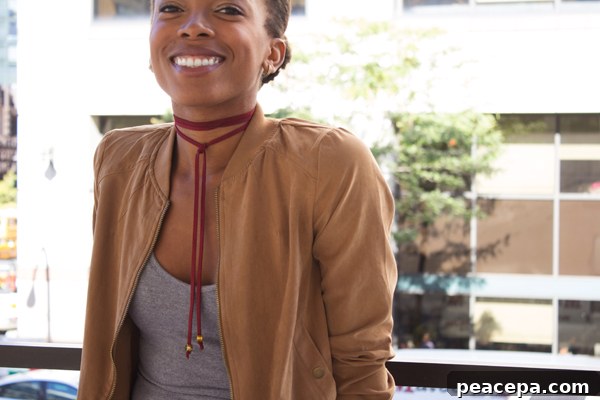
This is my favorite look. The petite bordeaux crossbody bag from Angela Roi is so functional and stylish that I reach for it constantly. The handmade choker from Love, Beatrice was lovingly made and pairs perfectly with the outfit. The bomber jacket came from Buffalo Exchange consignment in Philadelphia. My burgundy pumps are from Susi Studio, a brand known for feminine designs and shoes named after strong women.
I adore these bell-bottom Rich & Skinny jeans I bought a decade ago. Although they no longer fit perfectly, I plan to have a seamstress adjust them rather than discard them — a small alteration can extend the life of beloved pieces.
LOOK #4 aka Edgy Mom Look
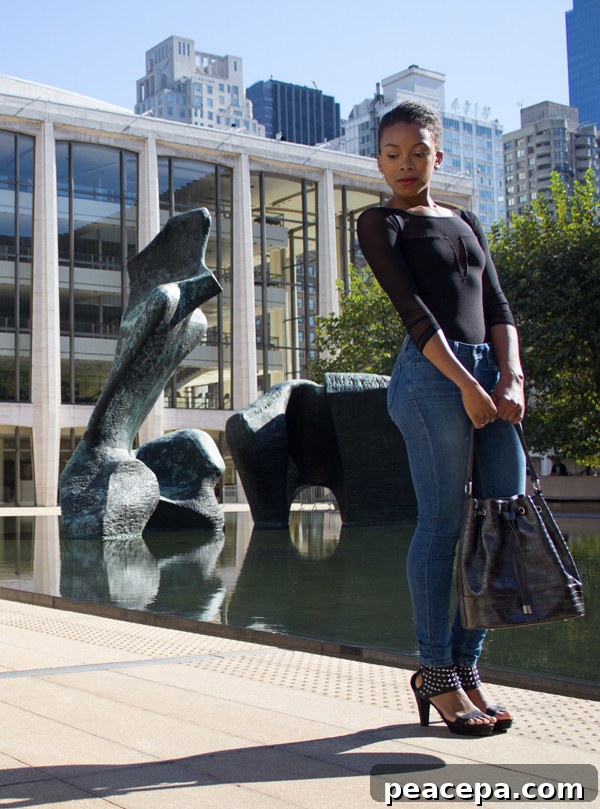
I call this the edgy mom look because it reminds me of my own mom — the bodysuit even reads as classic Bebe. I found this bodysuit at a thrift store in Savannah. The centerpiece is a faux crocodile bucket bag from Denise Roobol, which I often wear with the short strap though it also includes a long strap for crossbody wear. The shoes are from Cri de coeur.
WHY & HOW TO SHOP FOR ETHICAL FASHION
When I became vegan nearly six years ago, it began with food and compassion for animals. Over time I expanded that compassion to how clothing is made and who it affects. Ethical fashion is not just about avoiding animal products — it’s about considering the human and environmental cost behind every garment.
Exploitation of workers
Fast fashion’s human cost is real. The Rana Plaza collapse in 2013 killed over a thousand garment workers and exposed dangerous factory conditions driven by pressure from major retailers. Many garment workers in developing countries are young women earning far below a living wage. Supporting brands that prioritize profit at the expense of worker safety is something I refuse to do.
Waste
The fashion industry is one of the most wasteful sectors globally. Cheap, disposable clothing fuels overconsumption and significant environmental harm — from wasted materials and energy to toxic dyes. When garments are discarded, the waste burden often lands on communities and landfills far from where the clothes were made.
Disruption of local economies
Second-hand clothing donations from wealthy countries can overwhelm local markets in developing nations, undermining local garment industries and prolonging poverty. Some countries are responding by restricting imports of second-hand clothing to protect local production.

There’s a misconception that only the wealthy can be ethical consumers. That’s not true. Regardless of budget, we can all make choices that reduce harm and support fairer systems. Here are practical strategies I use.
SHOP SECOND-HAND
Some of my favorite finds come from thrift and consignment stores. Read local reviews before you go so you have a sense of what to expect. If you’re short on time, online marketplaces like eBay, ThredUp, Etsy, and ASOS Marketplace help you search for specific brands or vintage pieces. Shopping second-hand reduces waste and yields unique items you won’t find on a rack.
FIND ETHICAL BRANDS
Smaller brands often maintain closer relationships with the factories they use and can provide transparency about working conditions. Made-in-country labels are useful, but production location alone doesn’t guarantee ethics. Do your research: look for brands that publish clear information about sourcing and labor practices and avoid companies with opaque policies or known ties to unfair labor.
UPCYCLE IT
Upcycling — transforming old garments or fabric into new pieces — reduces waste and creates unique clothing. If you’re handy with a needle, thrift-store finds become personal projects. If not, many brands and platforms focus on upcycled fashion, offering one-of-a-kind pieces without the effort of making them yourself.
REALITY CHECK
Ask yourself: do I really need that new skirt, bag, or pair of shoes? I’ve often rediscovered items I’d forgotten in the back of my closet and given them new life. Rather than buying new, consider selling items you no longer use and finding a pre-owned replacement. Remember that the true cost of clothing goes beyond the price tag — it includes environmental impact, labor, and the resources used to produce it.
I’m not perfect, but I aim to make better choices and encourage others to do the same. Small changes add up, and ethical shopping can be accessible to everyone.
Please share your thoughts and tips for shopping ethically — I’d love to hear them.
This post is dedicated to my best friend, Maxx, who helped me see that veganism extends beyond the food on my plate.