Could the benefits of dietary fiber really be that impressive? Imagine a natural way to help manage weight, improve insulin sensitivity, support gut and mental health, and lower disease risk—without the side effects of medications. That solution already exists in the plant kingdom: dietary fiber.
Fiber is the structural component unique to plants and plays a vital role in human health. As Dr. Michael Greger says: “Animals have bones to hold them up, but plants—and only plants—have fiber.”

What is Fiber
Fiber is a type of carbohydrate in plant foods that the body cannot fully digest. Instead of breaking down into sugar for absorption, fiber travels through the digestive tract and supports many aspects of health. It’s not just bulk for stool—fiber helps regulate digestion, hormone balance, insulin response, the gut microbiome, and cardiovascular health.
How Much Fiber Do You Need Every Day?
Humans in ancestral diets likely consumed far more fiber than most people eat today. Modern diets, especially those high in animal products and ultra-processed foods, tend to be very low in fiber. Current recommendations suggest aiming for about 25–35 grams of fiber per day. That goal is easily achievable by eating plenty of fruits, vegetables, legumes, whole grains, nuts and seeds. The more whole plants you include, the more fiber and health benefits you’ll receive.
Watch The Video
In this video the author demonstrates a typical day of meals designed to deliver a high fiber intake.
Adding Fiber to Your Diet
If you want to increase fiber, do it gradually so your digestive system can adapt. Aim for roughly 8–10 grams per meal and about 5 grams per snack. After consistently meeting the recommended daily amount for a couple of weeks, assess how you feel. Some people need more fiber for regularity, while others only need to add more fluids and movement. Adjust slowly and find the balance that suits your body. A sample high-fiber menu is provided below.
The Benefits of Dietary Fiber
- Weight management without drugs. Fiber increases satiety, helps control appetite, improves digestion and supports healthy elimination and hormones—helping with weight control naturally.
- Feeds the gut microbiome. Fiber is the primary food source for beneficial gut bacteria, which play essential roles in digestion, immune function, insulin sensitivity and overall health. Low-fiber diets favor less healthy microbial communities and higher disease risk.
- Supports mental health. Much of the body’s serotonin is produced in the gut; a healthy microbiome supported by fiber is associated with better mood and mental well-being. Feeling physically better also positively influences mental health.
- Promotes regular elimination. Soluble fiber adds bulk to stool, while insoluble fiber helps move waste through the intestines. Adequate fiber helps prevent buildup of toxins that might otherwise be reabsorbed.
- Improves blood sugar control. Fiber slows sugar absorption from the intestines, smoothing blood glucose levels and supporting insulin sensitivity.
- Heart health. Higher-fiber diets are associated with lower LDL cholesterol and lower blood pressure, healthier body weight, and reduced cardiovascular risk.
- Lower risk of certain cancers. High-fiber foods also contain antioxidants and anti-inflammatory compounds. Fiber helps remove excess hormones and toxins, which may reduce risks for colon and other cancers.

Types of Fiber
There are two primary categories of fiber—soluble and insoluble—and both are important. Most high-fiber plant foods contain a mix of the two, so eating a variety of plants ensures you get both types daily.
Soluble Fiber
Soluble fiber absorbs water and forms a gel in the intestine. It slows sugar absorption, supports steady energy and contributes to stool bulk and regularity.
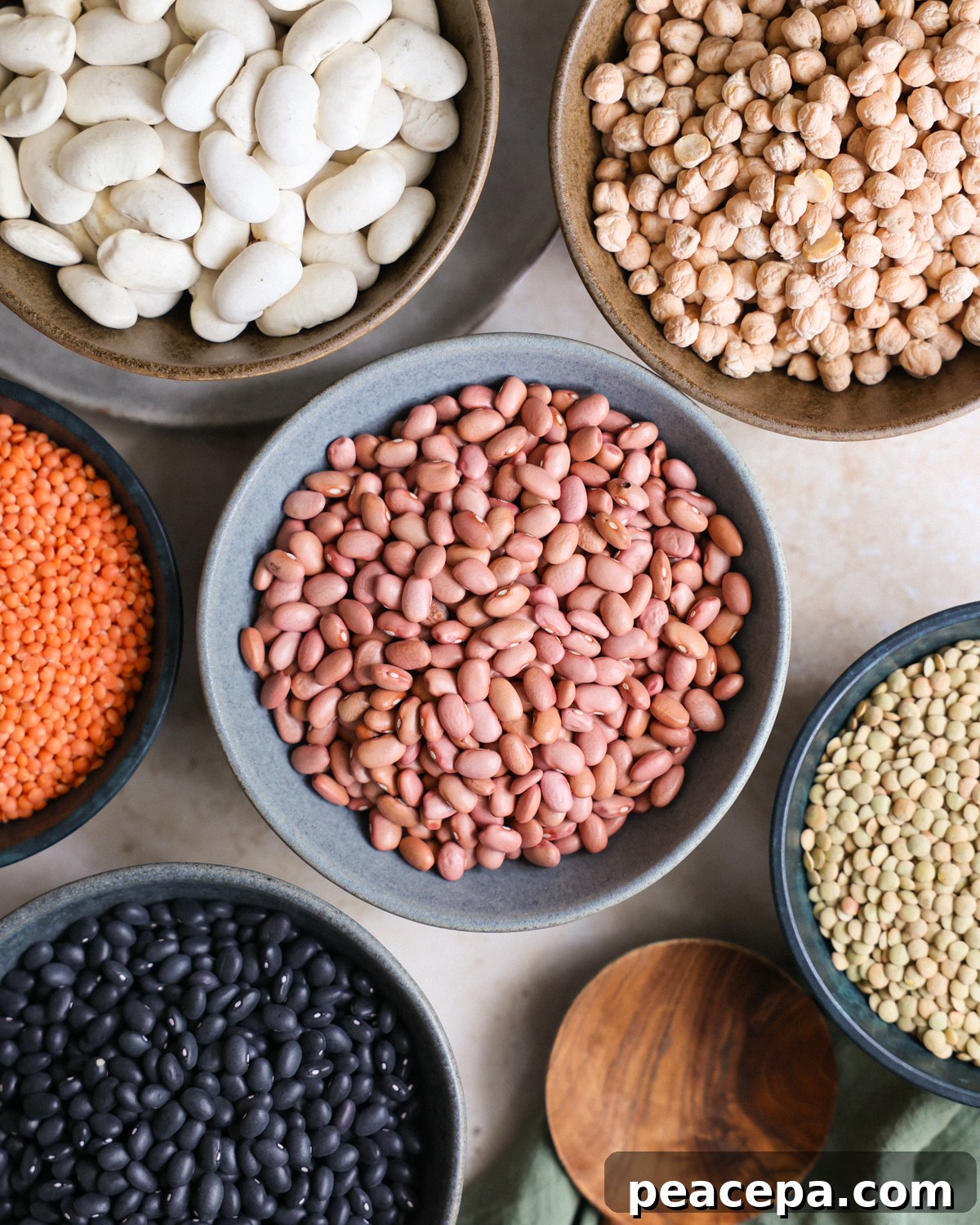
- High soluble fiber foods: Apples, avocados, bananas, berries, beans, eggplant, soaked chia seeds, cooked oats, brown rice, potatoes.
Insoluble Fiber
Insoluble fiber does not dissolve in water but attracts it, helping materials move through the digestive tract and adding bulk to stool—acting like a broom to keep things moving.
- High insoluble fiber foods: Leafy greens, cauliflower, broccoli, pumpkin seeds, whole grain pasta, almonds, lentils.
Tip to Know the Difference
A simple way to distinguish them is texture: softer, squishy foods (like banana) tend to be higher in soluble fiber; firmer, fibrous greens (like kale) are richer in insoluble fiber.

How Do You Reduce Fiber-Related Gas?
Gas and bloating can occur when increasing insoluble fiber too quickly or not drinking enough fluids. Increase water intake as you add fiber. If bloating occurs when switching to a plant-based diet, focus first on softer, soluble-fiber foods and gradually introduce harder, insoluble-fiber foods.
High Fiber Foods
Fiber exists only in plant foods. To maximize fiber intake, prioritize minimally processed fruits, vegetables, legumes, whole grains, nuts and seeds. Limit refined and highly processed products—even vegan versions—as they are often low in fiber and high in refined ingredients.
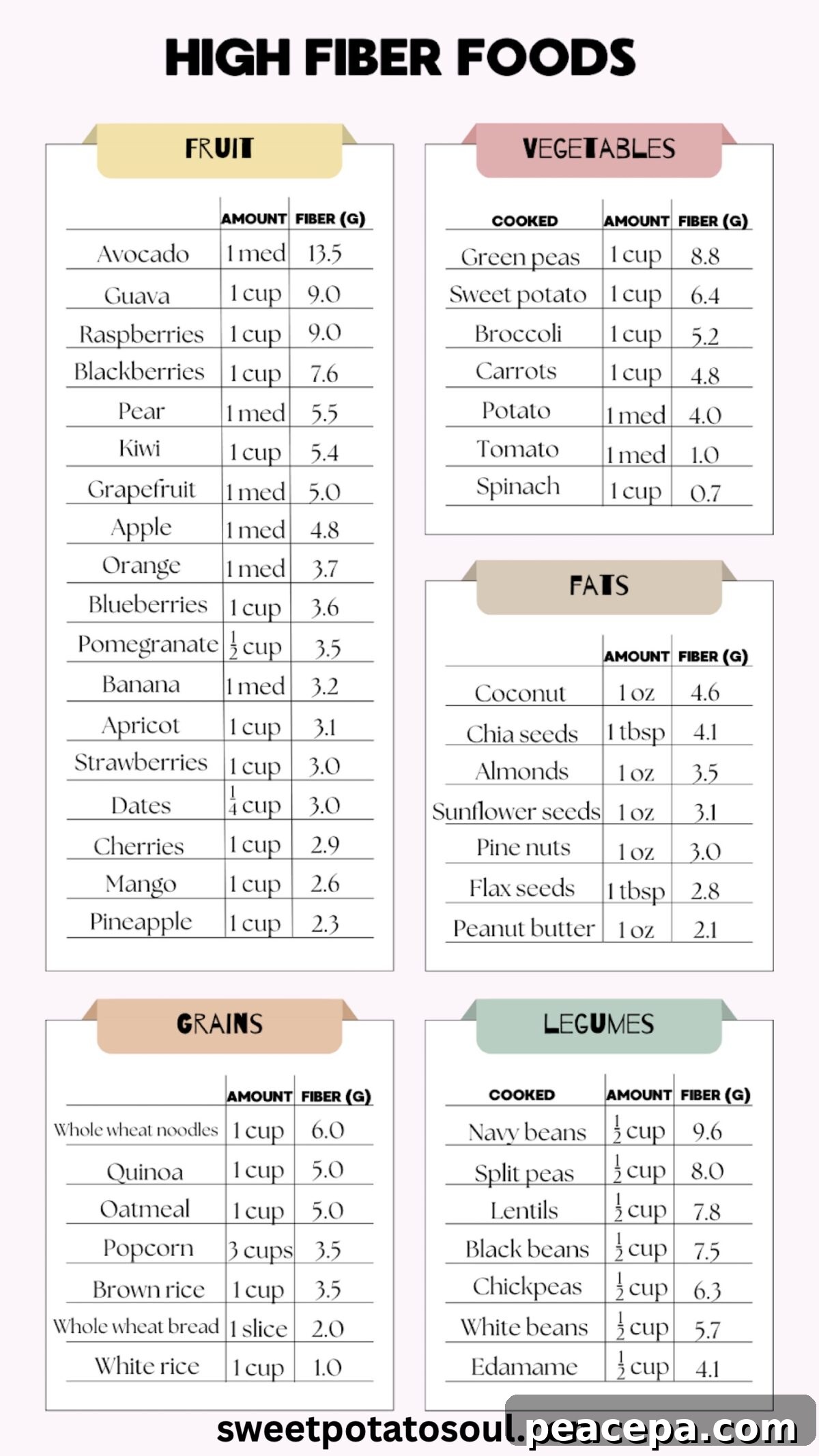
Eating whole plant foods makes it simple to reach high fiber totals each day. The chart below illustrates several fiber-rich options and their fiber content per serving.
High Fiber Sample Menu
Example High-Fiber Day: 54.7g Fiber
Breakfast: 11.5g fiber
- Steel-cut oats, 1 cup cooked – 6g
- Almond butter, 1 tbsp – 1.5g
- Raspberries, 1/2 cup – 4g
Lunch: 15.1g
- Quinoa, 1 cup – 5g
- Baked tofu, 1 cup – 2.9g
- Roasted cabbage, 2 cups – 4.4g
- Tahini sauce, 2 tbsp – 2.8g
Snacks: 12.8g
- Avocado 1/2 – 6.8g
- Ezekiel toast, 1 slice – 3g
- Banana – 3g
Dinner: 15.3g
- Lentil soup, 1 cup – 8g
- Sweet potato wedges, 1 potato – 3.8g
- Brown rice, 1 cup – 3.5g
Things to Remember About Fiber
- Refined white foods have had most of their fiber removed; choose whole-grain options to benefit from the fiber they naturally contain.
- Increase fiber slowly to minimize discomfort.
- Drink more water as you add fiber to your diet.
- Include both soluble (softer) and insoluble (firmer) fiber sources for balanced digestive health.
Good luck! Sweet Potato Soul features many high-fiber vegan recipes to support your journey to better health.