After graduating with a degree in theater arts, I moved to New York City to pursue acting. Like many aspiring actors, I waited tables and went on auditions. I was vegetarian at the time and uncomfortable serving meat, so finding a job at a vegan restaurant—Peacefood Cafe—solved that problem.
Working at Peacefood turned out to be more transformative than I expected. Co-workers gently encouraged me to consider giving up dairy as well. For a while I felt conflicted: I was learning reasons to stop consuming dairy but struggled to change my habits. Over time I quit cheese and yogurt, and felt significantly better. Today I enjoy non-dairy alternatives and continue to learn about the dairy industry and its effects on health.
Last month I attended the New York City launch of Dr. Neal Barnard’s book, The Cheese Trap. It was an important moment in my ongoing education on dairy and health.

Dr. Neal Barnard has been a leading advocate for animals and plant-based nutrition for decades. His passion and deep knowledge of the issues are impressive. I had the opportunity to sit down with him and discuss why giving up dairy is important, why it’s so difficult, and how people can overcome the challenge.
Part of why the book is called The Cheese Trap is because cheese can act on the brain in a way similar to some addictive drugs. When we digest dairy, opiate-like compounds called casomorphins form and bind to receptors in the brain. While cheese is not as addictive as substances such as heroin, this biochemical effect helps explain why so many people find it hard to stop eating cheese.
Beyond addictive qualities, Dr. Barnard emphasized the ethical concerns surrounding modern dairy production. In his presentation he described how dairy cows are repeatedly impregnated and separated from their calves so they will continuously produce milk. These practices cause distress for the animals and are a major reason some people choose to stop consuming dairy.
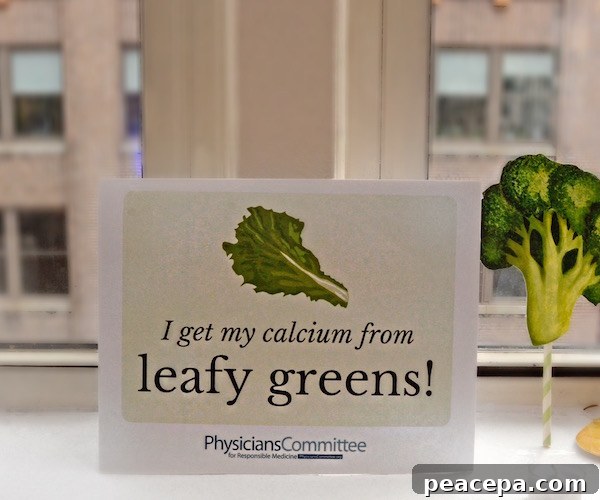
Health is another major concern. Dr. Barnard, president of the Physicians Committee for Responsible Medicine, discussed multiple health issues linked to dairy. Dairy contains hormones such as estrogen; high dairy consumption has been associated with fertility issues in men and linked to certain cancers. Cheese is also high in saturated fat and sodium, contributing to heart disease risk and to the nation’s rising rates of overweight and obesity. Per USDA data, average American cheese consumption has tripled since 1970, reaching about 33 pounds per person per year. A typical ounce of cheddar contains more sodium than an ounce of potato chips.
Because cheese can have addictive qualities and carries health and ethical concerns, Dr. Barnard recommends quitting rather than relying on moderation. He points out that truly addictive habits are usually best addressed by stopping completely. Every time dairy is consumed, it reinforces demand for an industry that exploits animals.
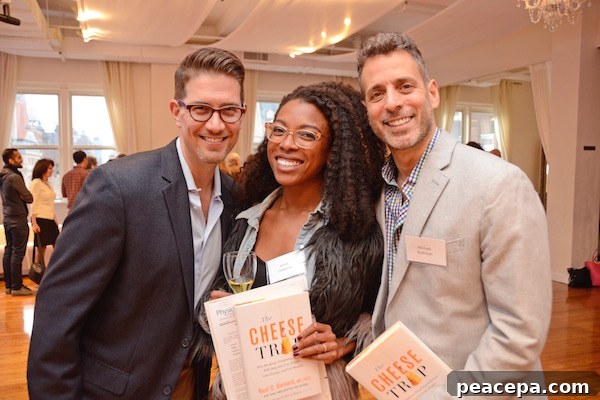
The Cheese Trap also offers practical strategies for breaking cheese dependence. Dr. Barnard suggests identifying satisfying dairy alternatives ahead of time, such as:
- plant-based cheeses made from aged cashew cultures (Treeline is one recommended brand)
- rich coconut-based yogurts or homemade versions
- sunflower seed cheese made at home
- macaroni and cheese prepared with butternut squash or other vegetables
- using avocado to add creaminess to salads instead of cheese
- vegan creamers for coffee, or warmed and frothed soy milk to create a rich texture
He also recommends trying a dedicated trial period—three weeks without cheese. With suitable substitutes in place, this is an achievable goal that lets you experience changes in taste and how you feel. Many people find a short, focused challenge can lead to longer-term habits.
Support is another key to success. Joining friends, family, or online communities can make giving up cheese easier and more sustainable. Today’s abundance of plant-based products and recipes makes the transition far more accessible than in the past.
Dr. Barnard’s book and the available resources provide clear, compassionate guidance for anyone considering giving up dairy. For me, moving beyond meat to a dairy-free diet felt like a natural extension of caring about animal welfare, personal health, and the broader impact of food choices. The journey can be challenging, but it’s supported by practical tools, alternatives, and a growing community of people making the same change.