Is it hard to find fresh, affordable fruits and vegetables near your home? You may be living in a food desert. These areas—especially common in low-income neighborhoods—often lack grocery stores that sell whole, nutritious foods. Instead, residents frequently rely on corner stores and bodegas that stock mostly processed, packaged items. When fresh produce is available, it can be prohibitively expensive or of poor quality. Limited access to healthy food contributes to higher rates of diet-related illness and creates barriers for anyone trying to eat well. Below are practical suggestions for coping with and changing food access in your neighborhood.
If you live in a food desert, here are useful tips to help you eat better and work toward improving your community’s food options:
1. Find a store that carries the basics.
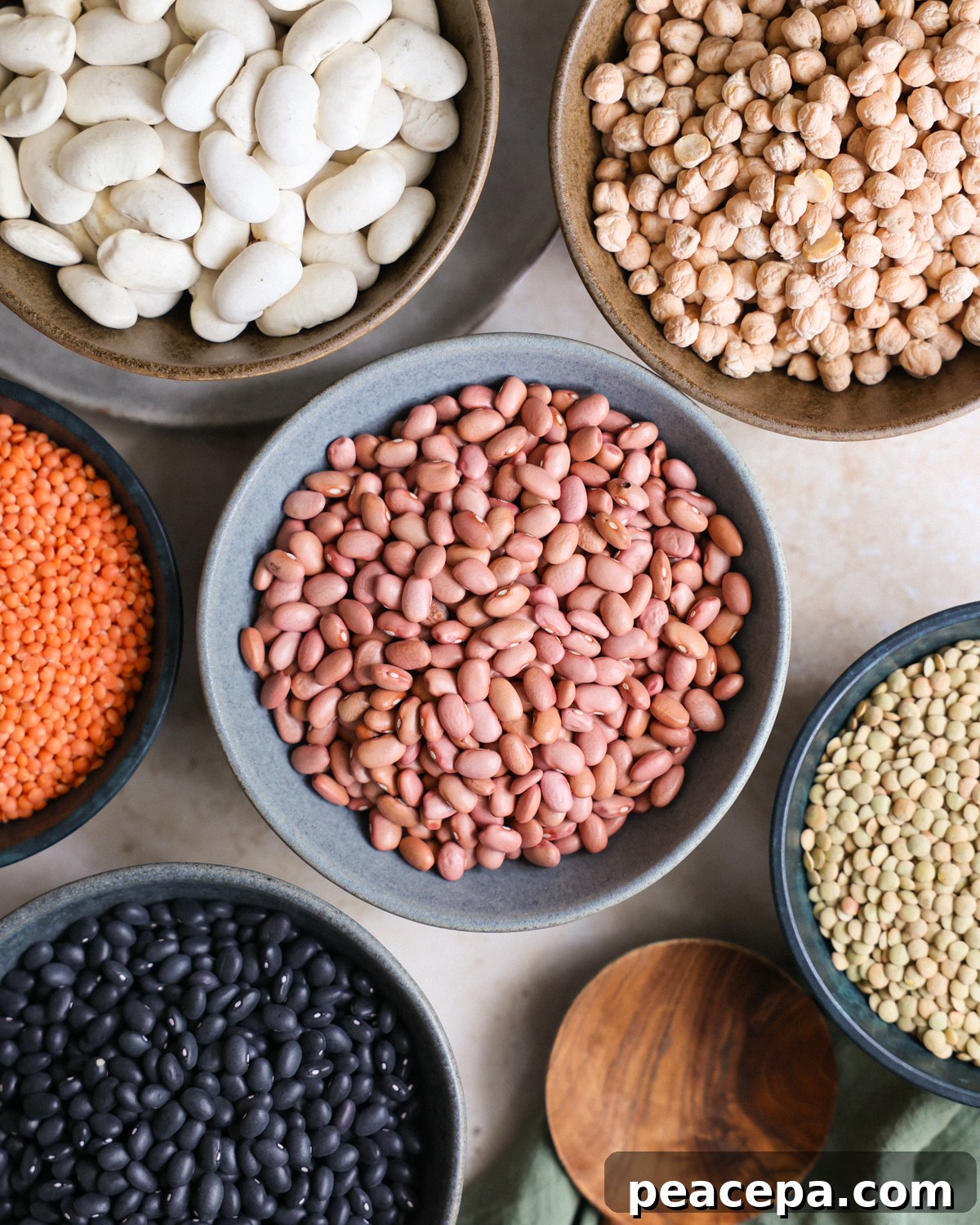
Even small stores often have a few versatile, nutritious staples. Look for cabbage, collards, carrots, broccoli and other hardy vegetables that keep well and can be prepared in many ways. Beans and lentils are highly nutritious, affordable, and often available in corner stores. Prioritizing these basics allows you to prepare balanced meals without relying on expensive specialty produce.
2. Make occasional trips to a full grocery store and stock up.
When you can reach a larger supermarket, buy nonperishables and long-lasting items in bulk. Frozen fruits and vegetables, canned goods, whole grains, legumes, spices, nuts and seeds store well and expand your cooking options. If travel is difficult, consider online shopping for staples such as rice, beans, lentils, and canned tomatoes—many nonperishable essentials are available through general online retailers and delivery services.
3. Grow some of your own food.
Growing food, even in a small space, adds fresh ingredients to your meals and can reduce grocery costs. In rural or suburban areas you may have room for a backyard garden. In cities, try container gardening on a balcony, a window box, or indoor herb pots. Sprouts and microgreens are easy to grow indoors with minimal space and supply a concentrated source of nutrients. Community gardens and shared plots are another option if personal space is limited.
4. Organize with neighbors to increase local supply.
Talk with people in your neighborhood who want better food access. A group effort makes it easier to show demand to retailers and local officials. Together you can encourage existing stores to stock fresher items at fair prices, organize a community-supported agriculture (CSA) pickup, form a cooperative grocery, or start a weekly farmers’ market. Building clear, local demand helps attract suppliers and encourages long-term change.
Practical shopping and cooking ideas
Plan simple meals based on affordable staples: soups and stews built from canned tomatoes, lentils, and root vegetables; stir-fries using cabbage, carrots, and frozen greens; hearty salads with beans, grains, and a basic vinaigrette. Use spices and condiments to add flavor without increasing cost. Batch-cook and freeze portions to save time and reduce waste.
Getting involved and finding resources
Local community organizations, food policy councils, and neighborhood groups often run programs to address food access. Reach out to community leaders or local government representatives to learn about grants, mobile markets, or programs that support food retail in underserved areas. Cooperative efforts and volunteer-led initiatives can make a measurable difference.
Have you lived in a food desert? What strategies helped you eat well despite limited access to fresh food?