When a reader asked me for advice on achieving healthy, glowing skin and strong hair, I was surprised and deeply flattered. I grew up with persistent acne that continued into my early twenties. It wasn’t until I changed my diet that my skin began to clear and the severe breakouts finally subsided. I still get the occasional pimple, but nothing like the chronic acne I experienced for so many years.
I’ve had my own struggles with hair, too. I went natural for the first time at 16 and remember showing up on the last day of junior year with a massive blown-out afro. For nearly a decade I rode a rollercoaster of loving and then resenting my natural texture. Like my approach to acne, I once searched for a magic solution that would instantly change how I looked.
Eventually I found an approach that worked for me—and it started with what I put into my body.
So what made the difference?
Diet and hydration are the foundation. Genetics influence your skin and hair, but how those genes are expressed can be shaped by nutrition, water intake, digestion, and stress management. When I eat processed or low-quality foods and neglect hydration, it shows in my complexion and hair. When I focus on leafy greens, plenty of water, good digestion, and lower stress, my skin and hair look their healthiest.
Below are practical tips I follow for healthier skin and hair:
1. Eat healthy fats every day
Healthy fats support every cell in your body. They help maintain skin elasticity, prevent premature aging, and keep hair and skin properly moisturized—reducing breakage and dullness. Omega-3 fatty acids found in walnuts, chia, flax, and algae-based supplements reduce inflammation, which can help minimize redness, hyperpigmentation, and age spots.
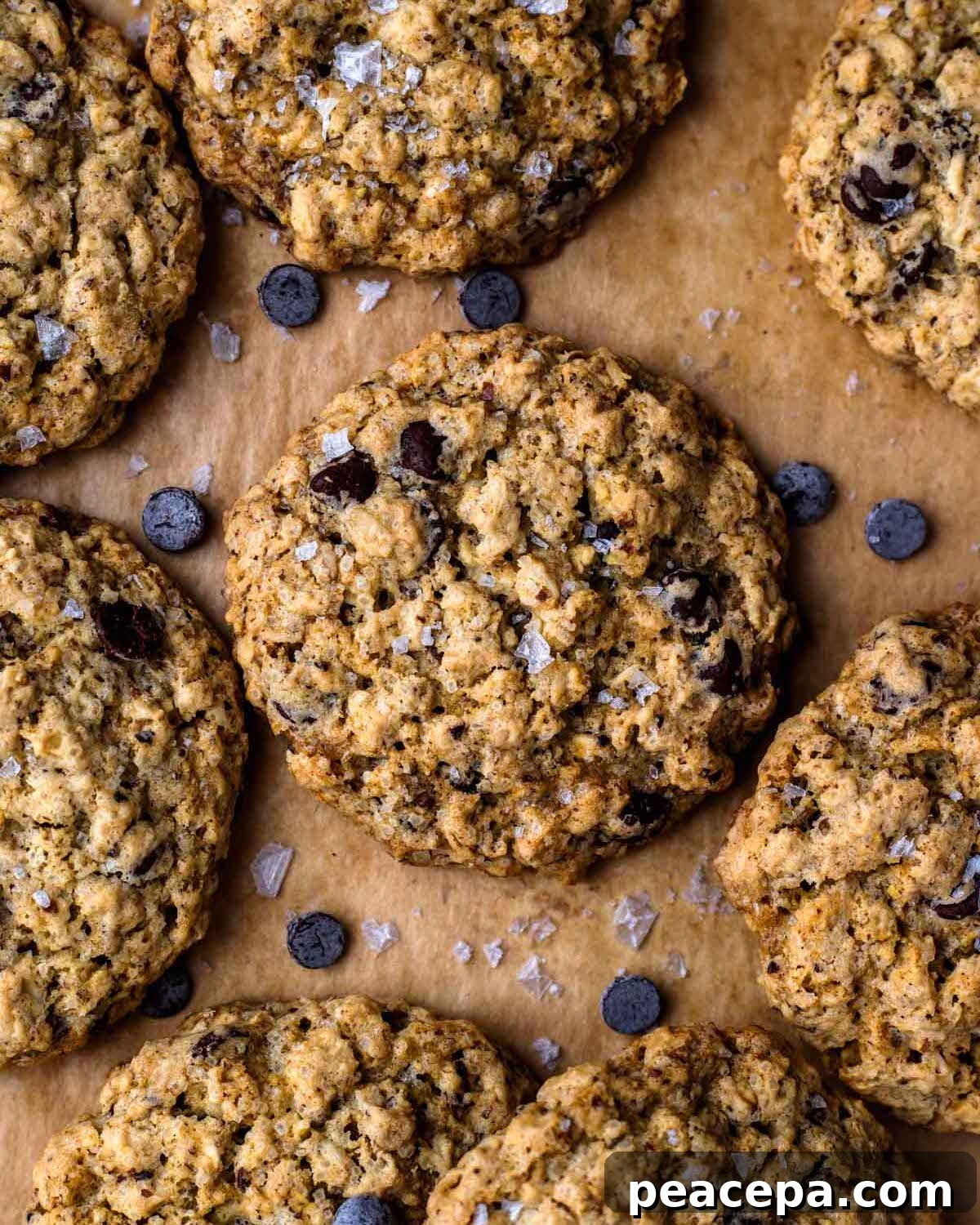
Choose whole-food sources of healthy fats like olives, nuts, seeds, coconut, and avocados. These foods also provide vitamins, minerals, and antioxidants that support skin and hair health.
2. Include beta-carotene
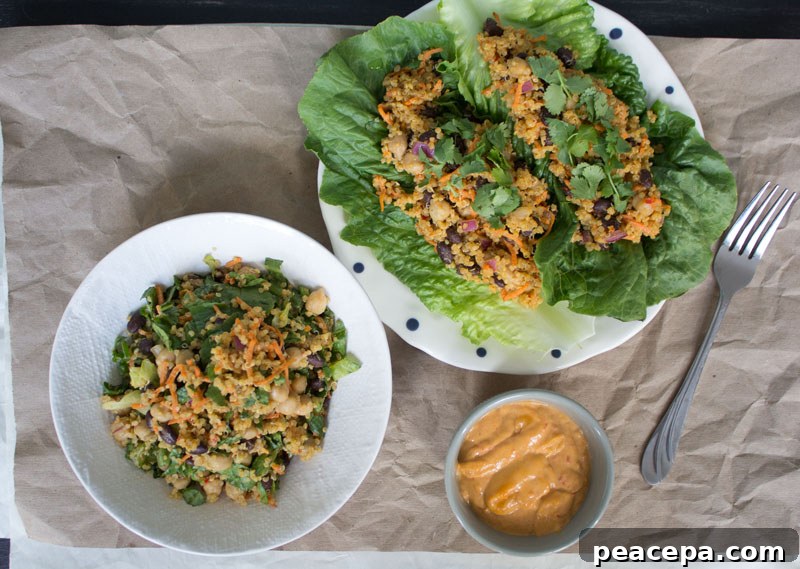
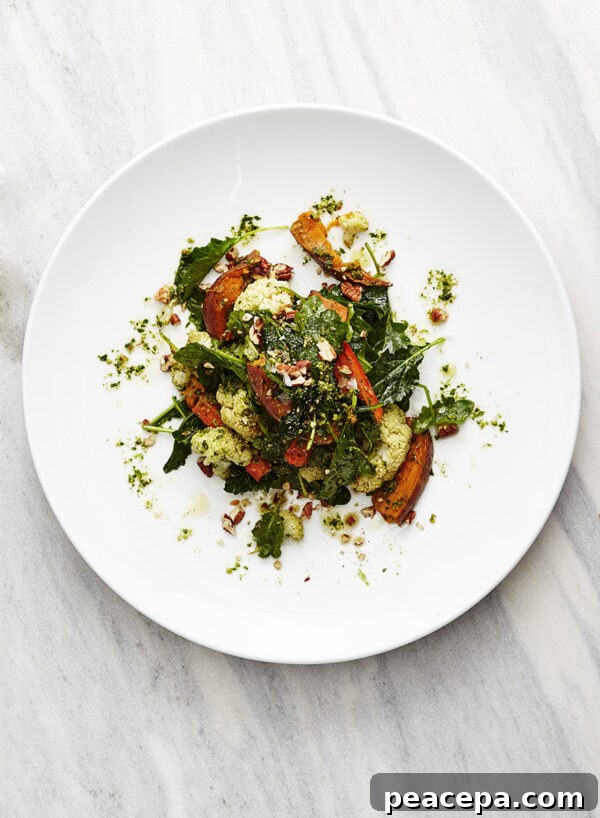
Beta-carotene is an important antioxidant that helps protect skin from damage. Orange-fleshed vegetables like sweet potatoes, pumpkin, and carrots are rich sources, and dark leafy greens also provide significant amounts. Aim for a colorful, plant-heavy plate to get plenty of beta-carotene and other nutrients that support skin tone and resilience.
3. Support digestion and elimination
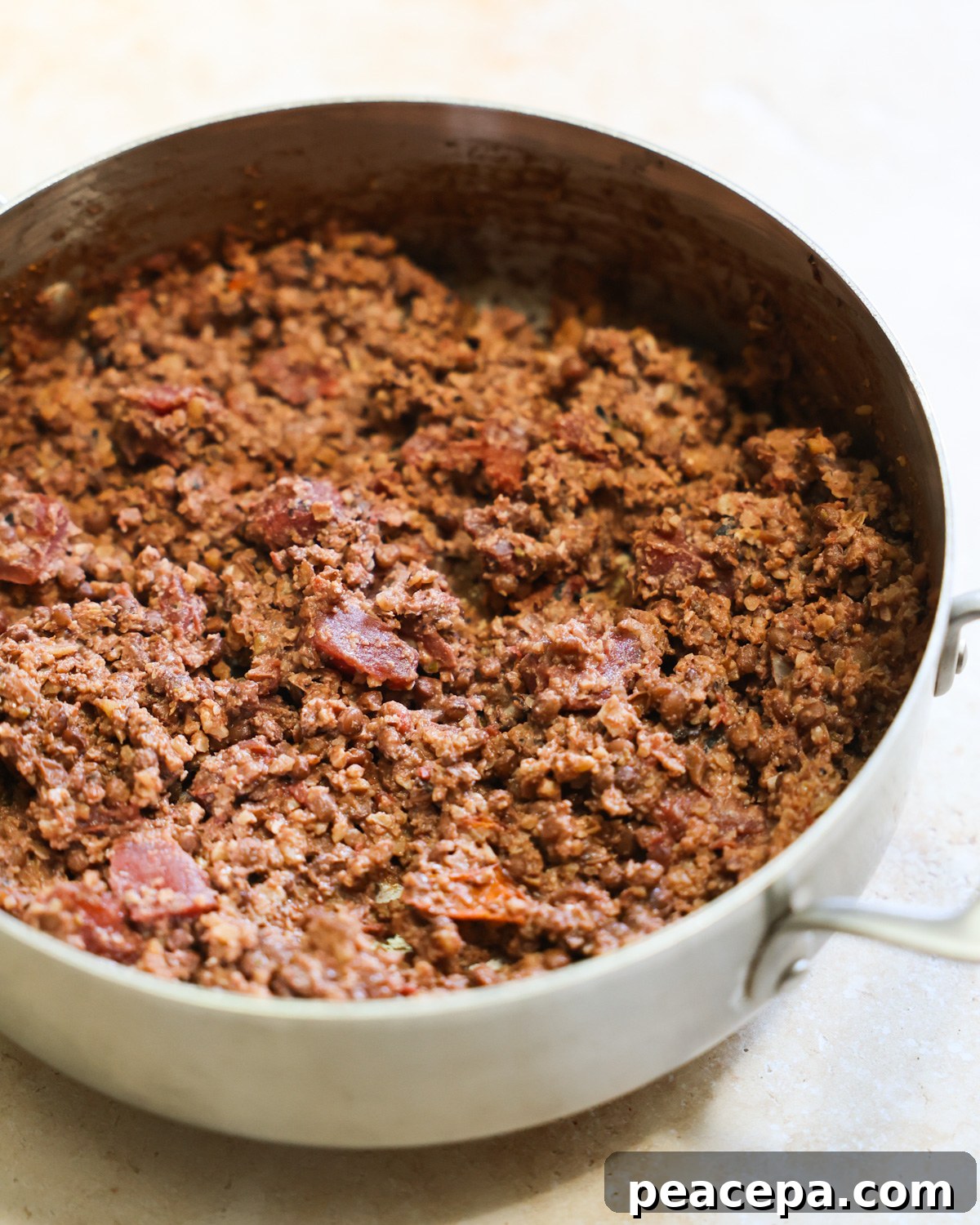
Good digestion is essential for absorbing nutrients. Poor digestion can limit how much your body benefits from healthy foods. Improve digestion by minimizing dairy if it causes issues, and by eating plenty of fiber from whole foods to support regular elimination and natural detoxification. Fiber also nourishes beneficial gut bacteria.
Probiotics—found in fermented foods like sauerkraut, kimchi (vegan versions), miso, natto, tempeh, and vegan yogurt—help maintain a healthy gut microbiome, which is important for overall skin and hair health.
4. Get enough zinc
Zinc plays a role in hormone balance and immune function, both of which affect skin and hair. Good sources include seeds, beans, grains, and nuts, especially the seed hulls of pumpkin and hemp seeds. Because phytates in some plant foods can reduce zinc absorption, soaking beans, grains, and seeds before cooking can help. I also take a zinc supplement when my immune system feels weak or during breakouts.
5. Prioritize vitamin C
Vitamin C is a powerful antioxidant that protects skin from free radicals, supports collagen production, and helps guard against sun-related damage. It’s abundant in fruits and many vegetables. Eating a wide variety of colorful produce and leafy greens will provide ample vitamin C, and I sometimes supplement during winter months or when dealing with a blemish.
These simple dietary and lifestyle shifts made a meaningful difference in my skin and hair. If you have other tips that have worked for you, I’d love to hear them!