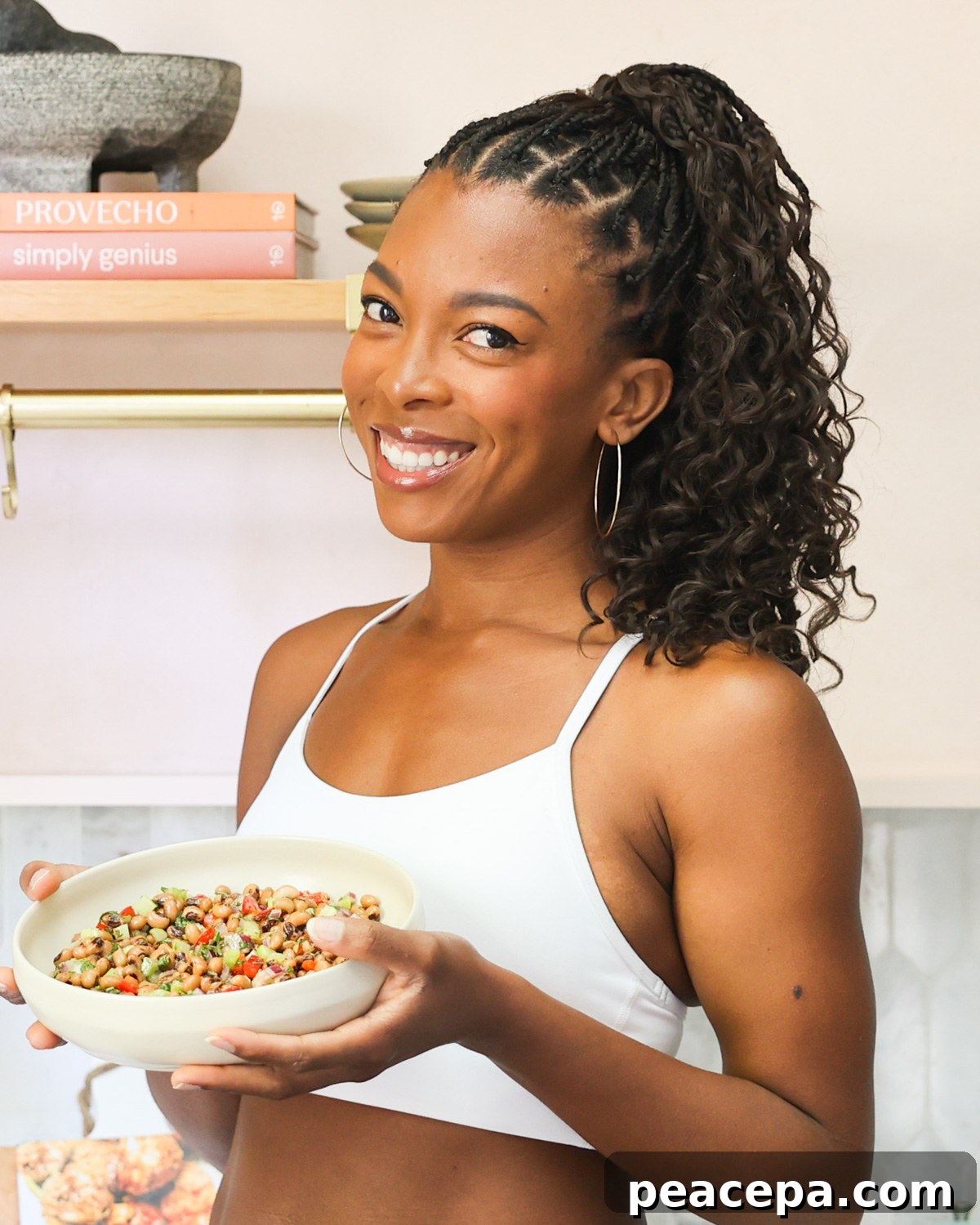
In 2026 I’m devoted to helping you embrace the vegan lifestyle and feel those positive vegan vibes. I even titled my cookbook Vegan Vibes because this way of living is truly a vibe: it can empower, energize, and enlighten. Eating whole plant foods reduces stress on your body and helps you feel your best. For me, adopting a vegan lifestyle transformed how I feel, think, and show up—and I’ve been thriving for the past 15 years. If you’re committed to going vegan in 2026, this guide will help you get started with intention and confidence.
My Vegan Journey
When I went vegan in 2011 the landscape was very different: vegan restaurants were rare and grocery shelves had few vegan options. Conversations about veganism were often confused or misinformed. I didn’t have all the answers when I committed to this lifestyle—my early experience came from a handful of people and the first vegan restaurant I ever worked in. Over time I explored many approaches—raw, cleanse cycles, food-combining—and learned through experimentation.
After 15 years of living and cooking plant-based, I discovered a simple truth: eat mostly wholesome, minimally processed foods, and eat enough to feel nourished. It sounds obvious, but modern food marketing and social media make things seem complicated. Ultra-processed vegan products can muddy the waters. The food industry benefits when we believe we need to buy special products to be healthy. Cut through the noise—focus on whole plants, and you’ll be on the right track. Below are practical steps I would follow if I were starting a vegan journey today.
“People eat meat and think they will become as strong as an ox, forgetting that the ox eats grass.”
Find Your Why
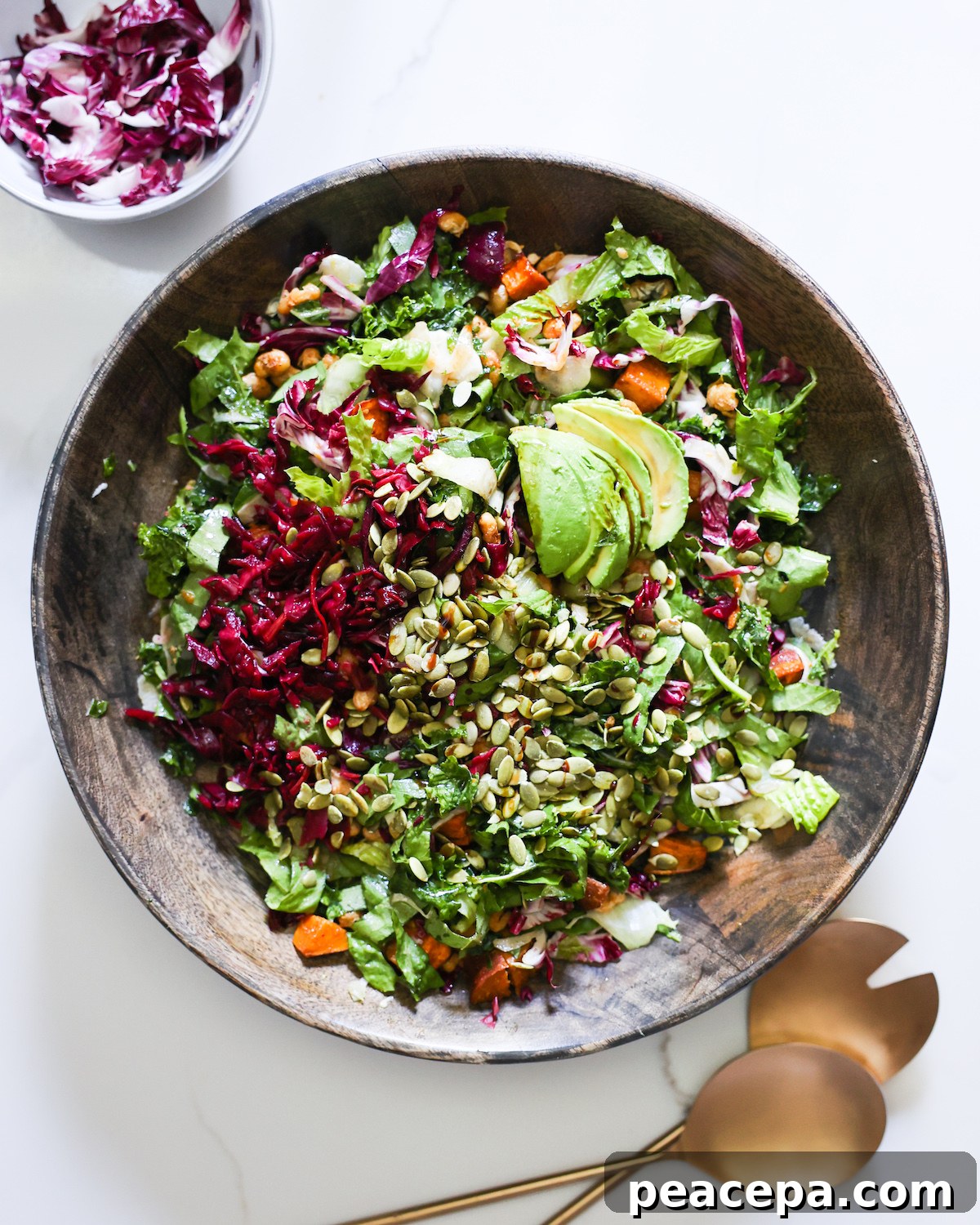
Knowing your motivation is essential. Be honest and clear about why you want to be vegan. This reason doesn’t need to be broadcast to everyone—it’s for you to return to when things get challenging. A clear why makes the early bumps easier to navigate and helps you stay committed.
How to Transition to a Vegan Diet
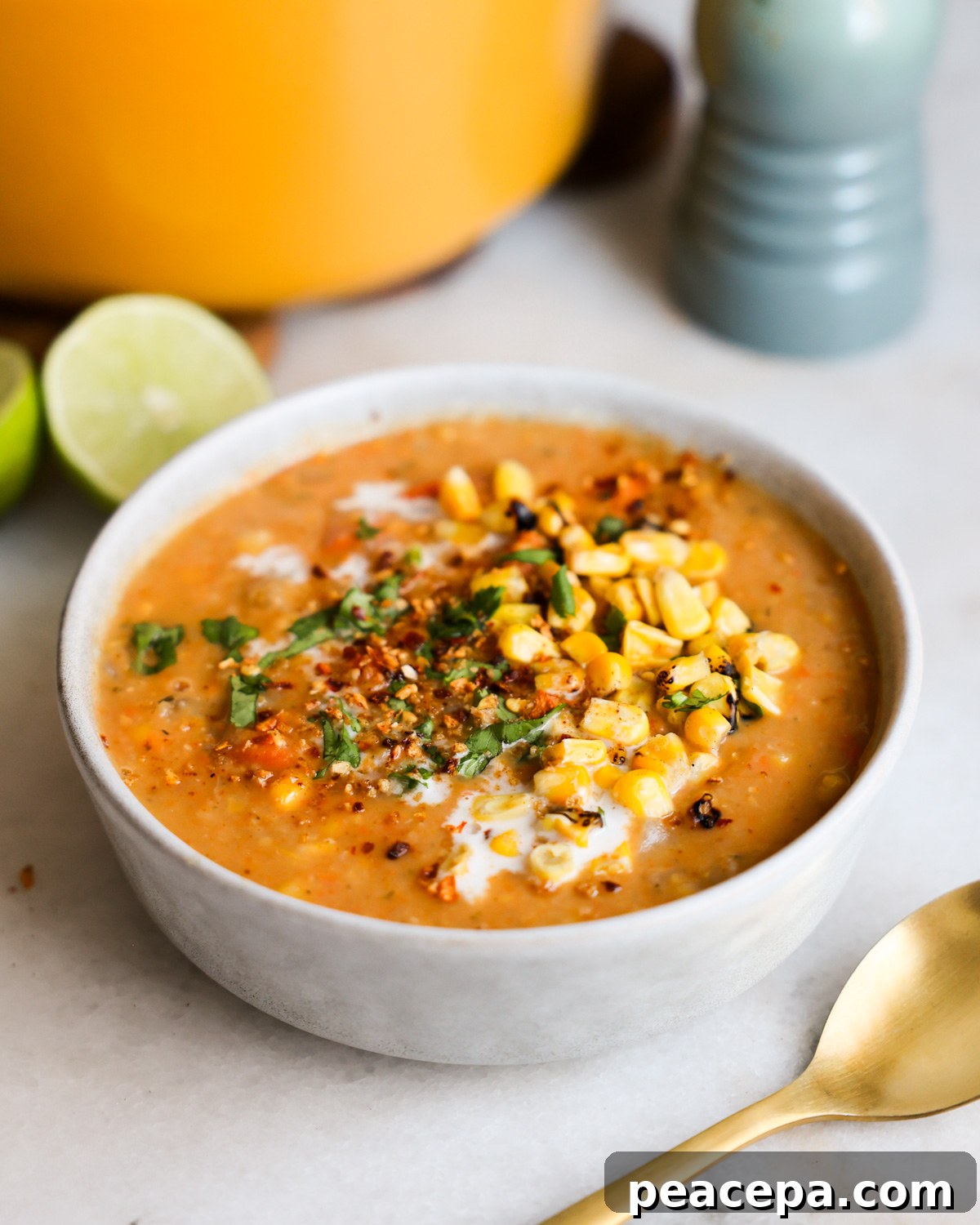
Transitioning to a vegan diet can be simple and sustainable if you take small, practical steps:
- Make a list of meals and foods you already eat that are vegan—oatmeal, smoothies, soups, or other staples—and keep enjoying them.
- Identify dishes you regularly eat that can be made vegan with easy swaps: use tofu in chili, choose a dairy-free dressing for salads, or replace chicken stock with vegetable stock. Small swaps add up.
- Collect a handful of vegan recipes to try each week. Experimenting with new recipes keeps meals interesting and builds confidence in the kitchen.
These steps naturally lead into meal planning and meal prep, which make plant-based eating more manageable.
Meal Prep & Plan
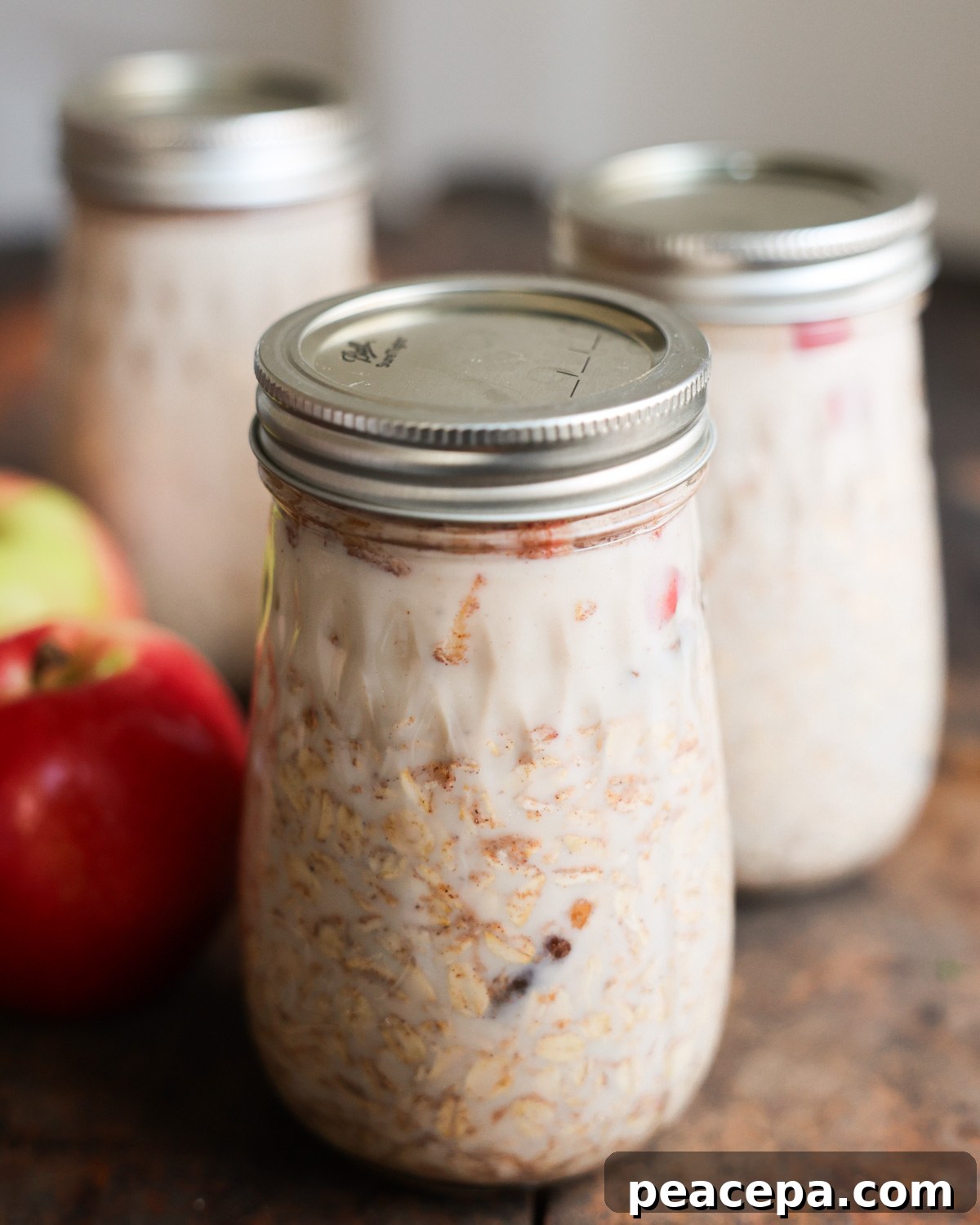
Meal planning and prep save time and reduce decision fatigue. Spend an hour planning the week’s meals and commit a couple of hours once or twice weekly to batch-cook or prep components. If you prefer, cook daily, but either way a plan helps you stay consistent with nutritious plant-based meals. If you need ideas, there are many free meal plans and recipe collections you can use as a starting point.
Eat 80/20
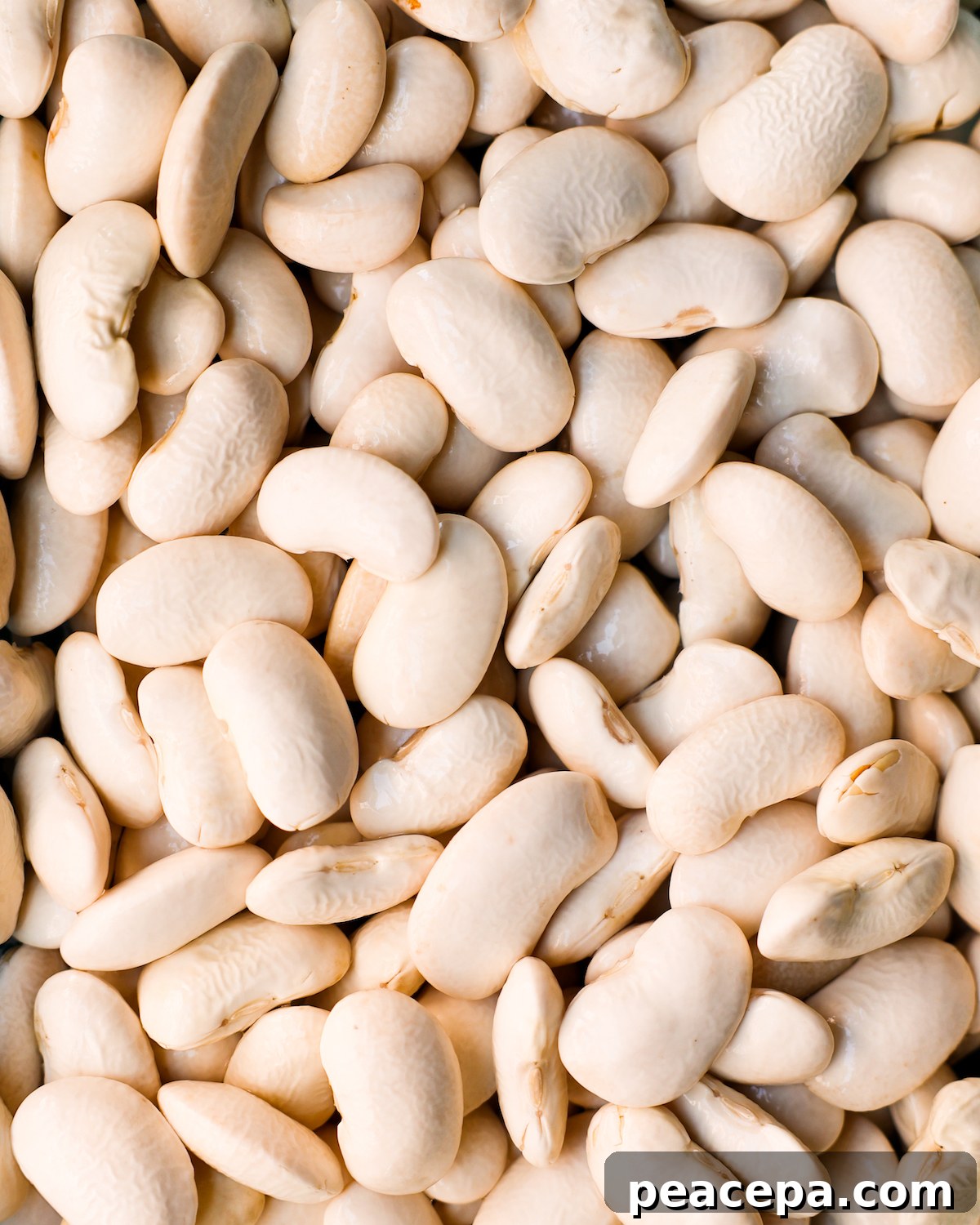
A practical guideline is to aim for at least 80% of your food to be whole, minimally processed plant foods—vegetables, fruits, whole grains, beans, legumes, nuts, and seeds. The remaining 20% can include more processed items. Consider ingredient labels as alerts: products with long lists of refined sugars, isolates, preservatives, and refined oils are often less supportive of health.
Dining out generally falls into the 20% category because you can’t always control ingredients. When possible, cook at home using simple recipes and whole ingredients. Focusing on getting the majority of calories from healthy foods makes good eating become second nature. Over time, your 80% may naturally become 90%, and that’s when you’ll likely feel your best.
Limit Vegan Junk Food
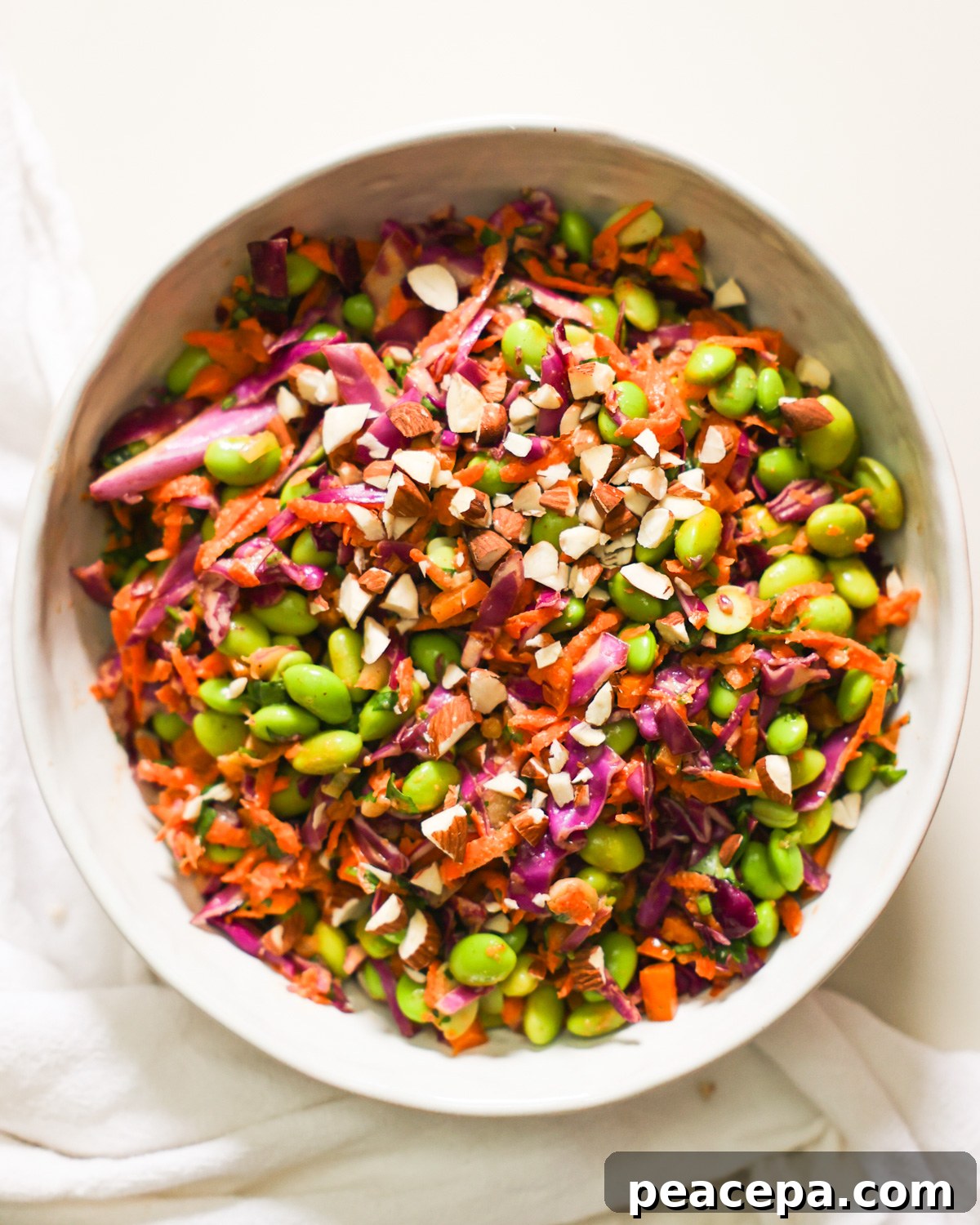
Vegan does not automatically mean healthy. The ingredients that make the Standard American Diet unhealthy—refined sugars, refined grains, and oils—are often vegan. As vegan options have expanded, ultra-processed vegan products have become widely available. Enjoy these foods in moderation and keep your focus on whole, nutrient-dense plants.
Invest in Tools to Help
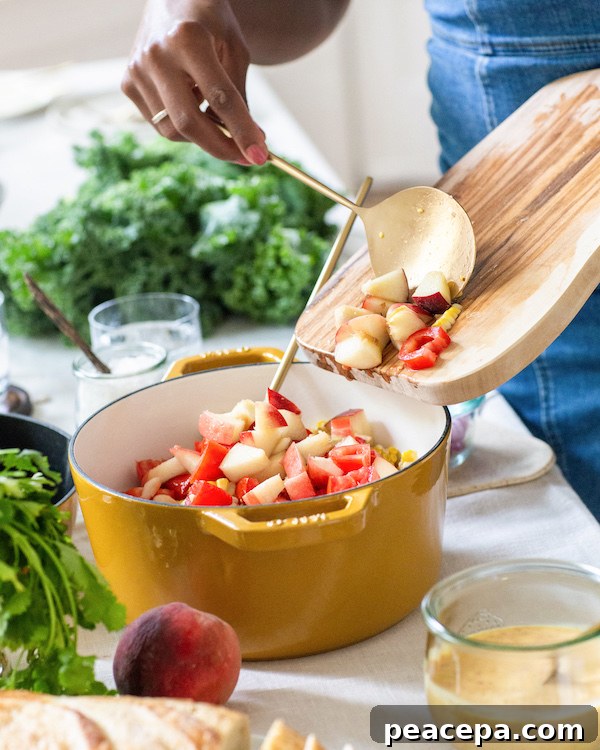
Good tools make cooking easier and more enjoyable. Start with a reliable chef’s knife and a sturdy cutting board. As you build your kitchen, add a few essential items that fit your cooking style. Having the right tools reduces frustration and speeds up meal prep—making it more likely you’ll stick with home cooking.
Don’t Sweat The Small Stuff
Slip-ups happen, whether accidental or intentional. If you have a clear motivation for being vegan, a single lapse won’t derail your progress. Learn from it, recommit, and move forward without guilt.
Extra Resources To Help You Go Vegan
- Explore articles and guides on vegan nutrition to learn how to meet your nutritional needs and plan balanced meals.
- Sign up for practical email tips and recipe suggestions to support your transition.
- Volunteer with animal welfare or farm sanctuary organizations to connect with like-minded people and deepen your commitment.
- Borrow or buy vegan cookbooks to expand your recipe collection and inspire new meals.
If you have questions, I’d love to help. I hope this guide and the recipes you find along the way make Sweet Potato Soul a helpful resource on your vegan journey. Best of luck!