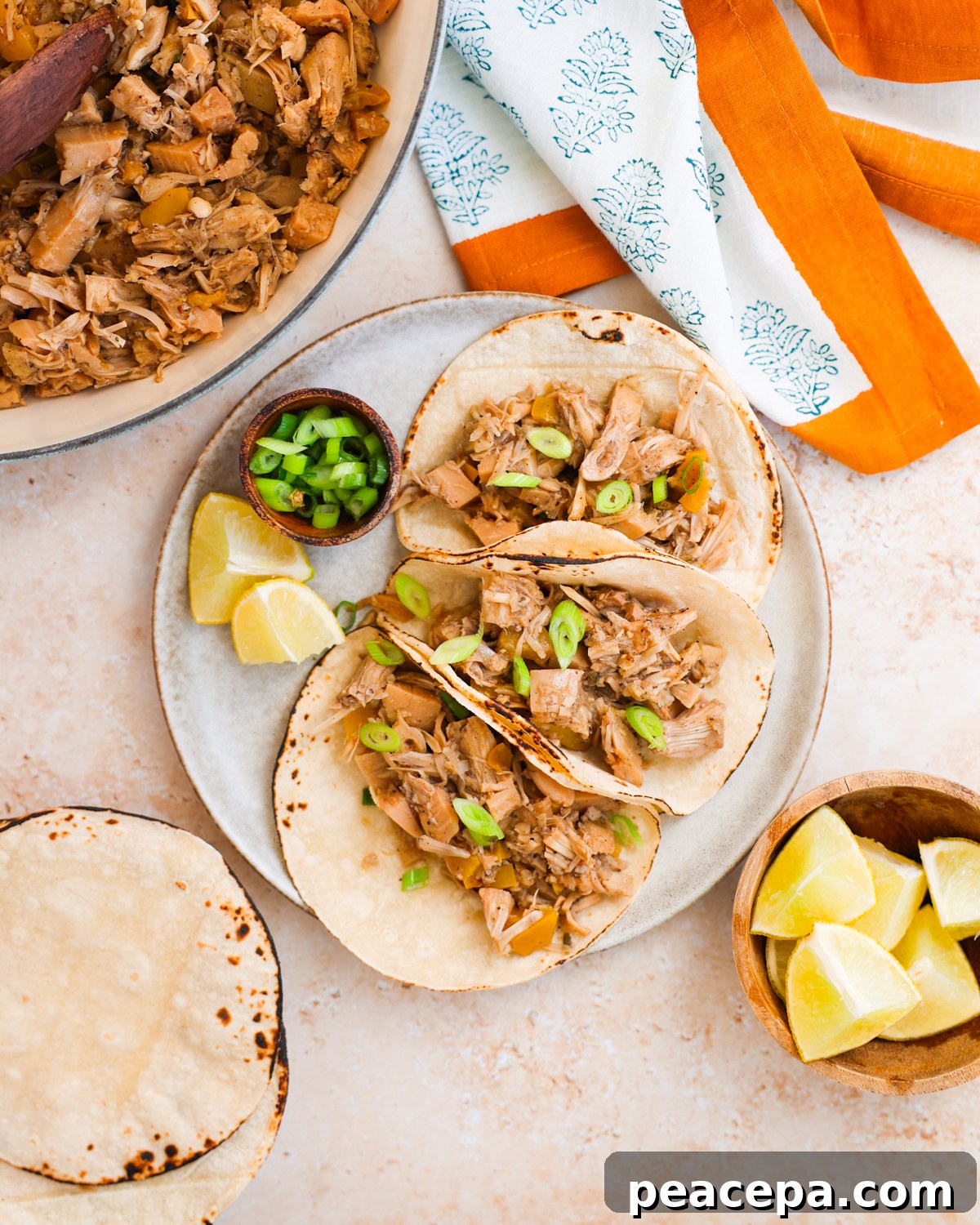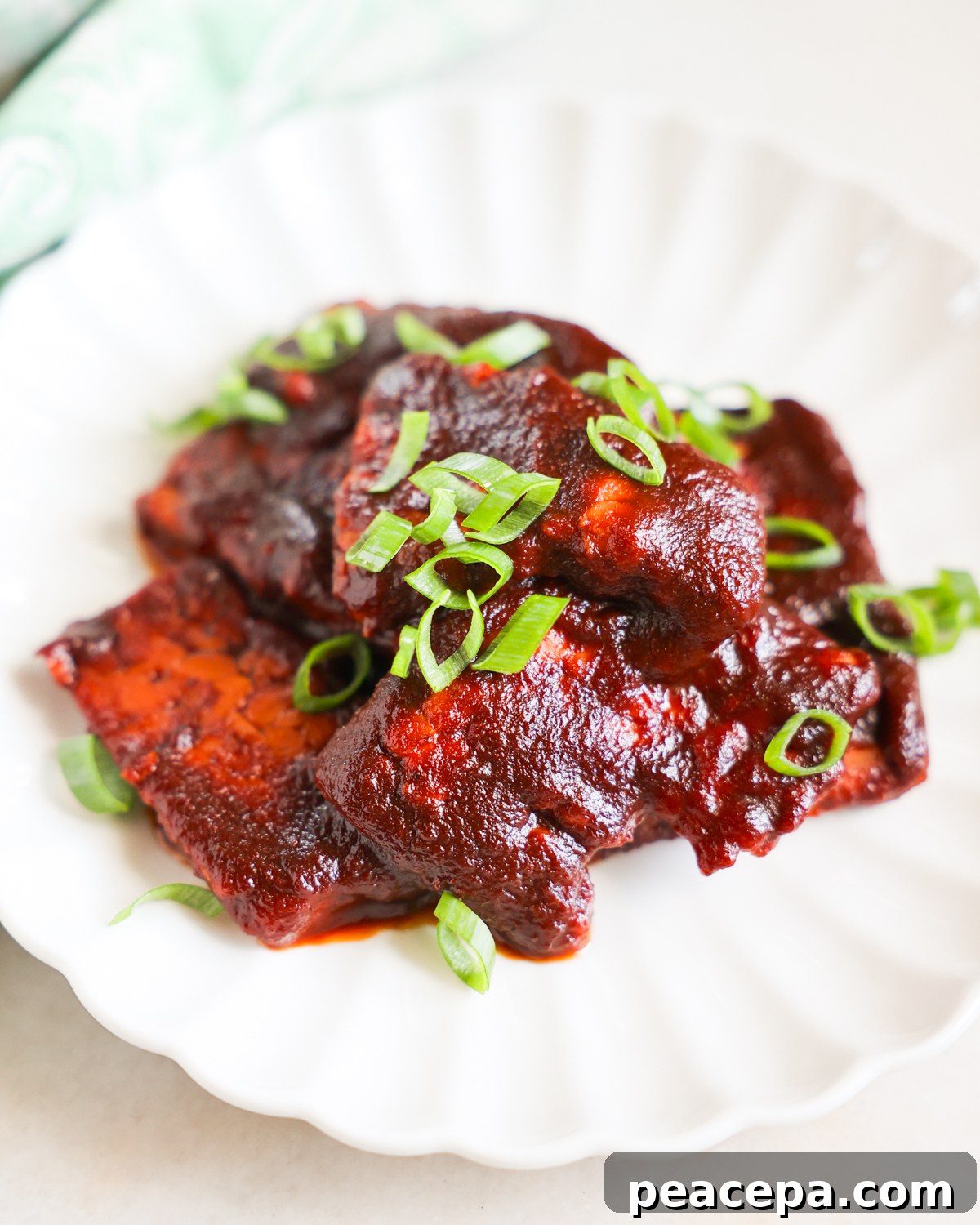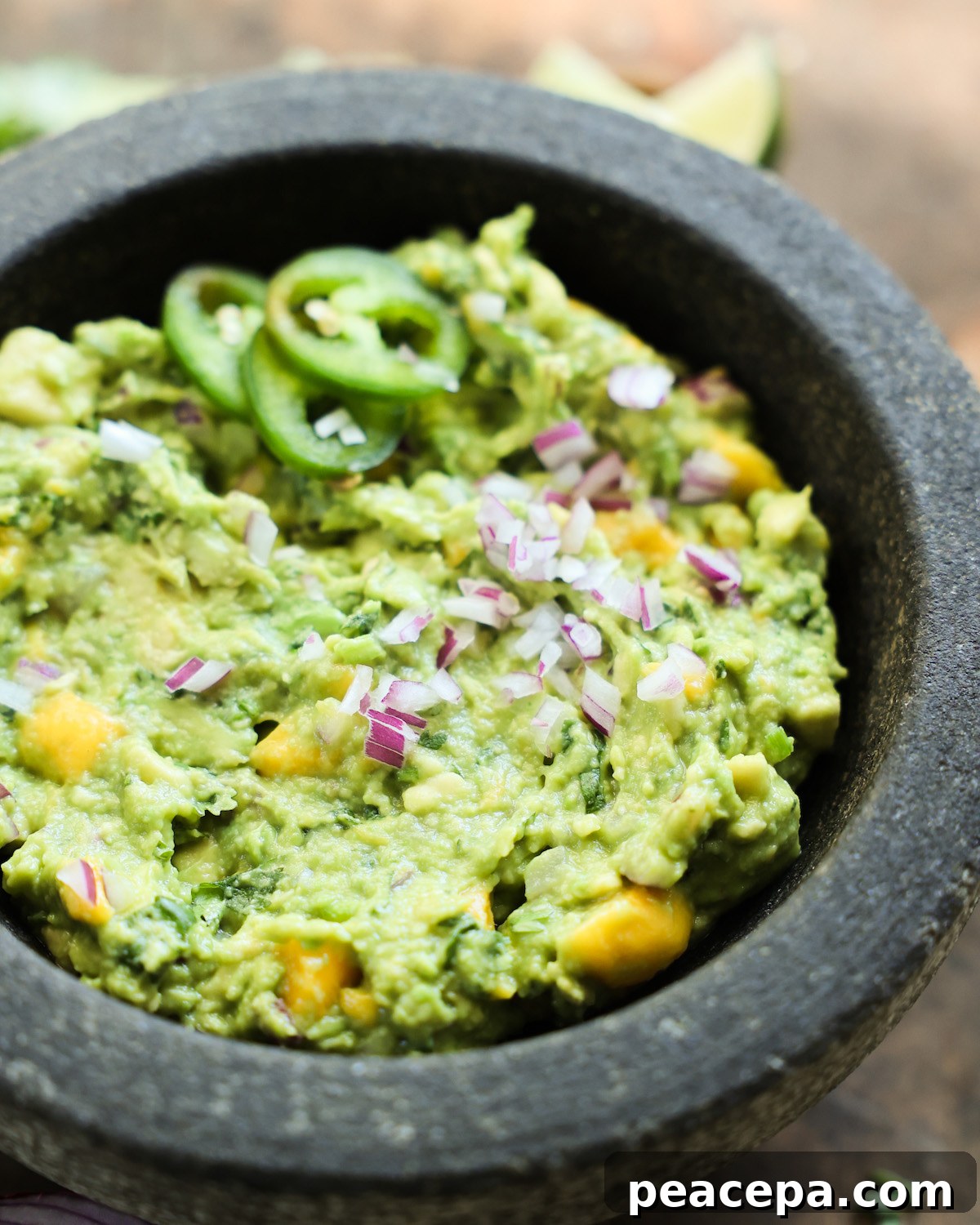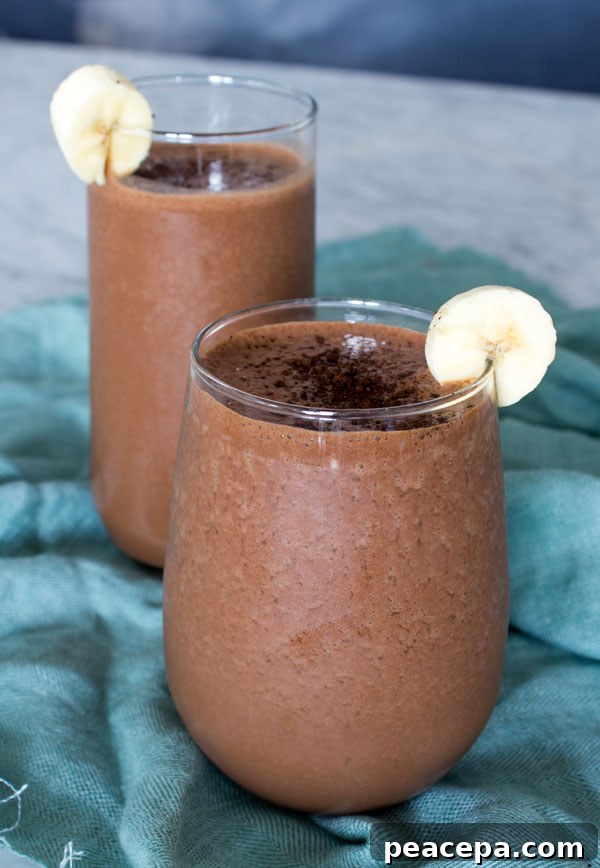
Iron is a vital mineral for health, yet iron deficiency remains one of the most common nutrient shortfalls worldwide. For people following a plant-based diet, iron can be a particular concern because plant foods contain non-heme iron, which is not absorbed as efficiently as heme iron found in animal products. Fortunately, many vegan foods are rich in iron, and simple meal strategies can help your body absorb it more effectively.
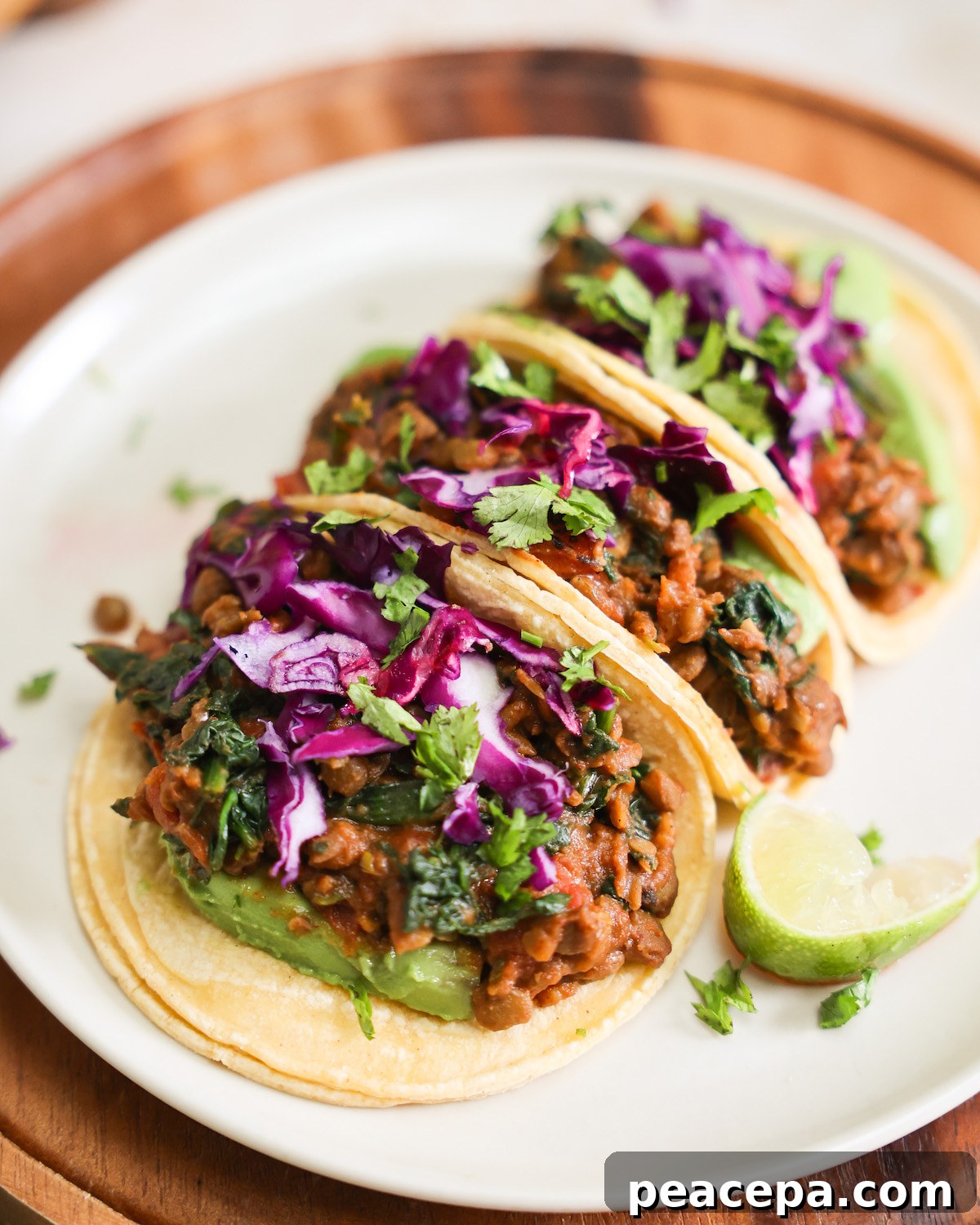
Table of Contents
- Why do we need iron?
- If you suspect you have an iron deficiency
- Heme vs Non-Heme Iron
- How much iron do vegans need?
- Eat these Vegan Iron Rich Foods (+ Recipes)
- How to improve iron absorption?
- Vegan Iron Sample Day of Eating
- The Takeaway
- More Vegan Nutrition Tips
Why do we need iron?
Iron is an essential mineral involved in producing hemoglobin, the red blood cell protein that carries oxygen from the lungs to tissues. When dietary iron is insufficient, iron deficiency anemia (IDA) can develop, causing fatigue, shortness of breath, heart palpitations, pale skin, and headaches. Globally, around 30% of people are affected by low iron status. Since diet is a major contributor to iron levels, paying attention to iron-rich foods and absorption strategies can help prevent deficiency.
If you suspect you have an iron deficiency
If you suspect low iron or symptoms of anemia, consult a healthcare professional for testing and diagnosis. This article offers practical nutrition information and ideas, but it does not substitute for medical advice. Speak with your doctor before starting supplements or making significant dietary changes to treat a suspected deficiency.
Heme vs Non-Heme Iron
Dietary iron comes in two forms: heme iron (from animal sources) and non-heme iron (from plants). Heme iron is absorbed more efficiently, while non-heme iron has a lower and more variable absorption rate. Certain plant compounds—phytates, oxalates, polyphenols, and tannins—can further reduce non-heme iron absorption. For example, drinking coffee or tea with meals can inhibit iron uptake. In contrast, vitamin C substantially enhances absorption of non-heme iron. With thoughtful food combinations and preparation methods, plant-based eaters can meet their iron needs. Vegans are not inherently more likely to develop anemia than other groups, possibly because many plant foods provide both iron and vitamin C, helping absorption. The body also naturally limits excess absorption of non-heme iron, reducing the risk of iron overload from plant sources.
How much iron do vegans need?
Recommended intakes vary by age, sex, and life stage. Women typically need more iron than men, and pregnant people need the most. Because non-heme iron from plants is less well absorbed, planning for a higher intake is advisable on a vegan diet. Aiming for roughly 14–32 mg of iron per day from plant sources is a reasonable target for many adults following a plant-based lifestyle. Many common vegan foods already contribute substantially toward that goal.
Eat these Vegan Iron Rich Foods (+ Recipes)
Legumes
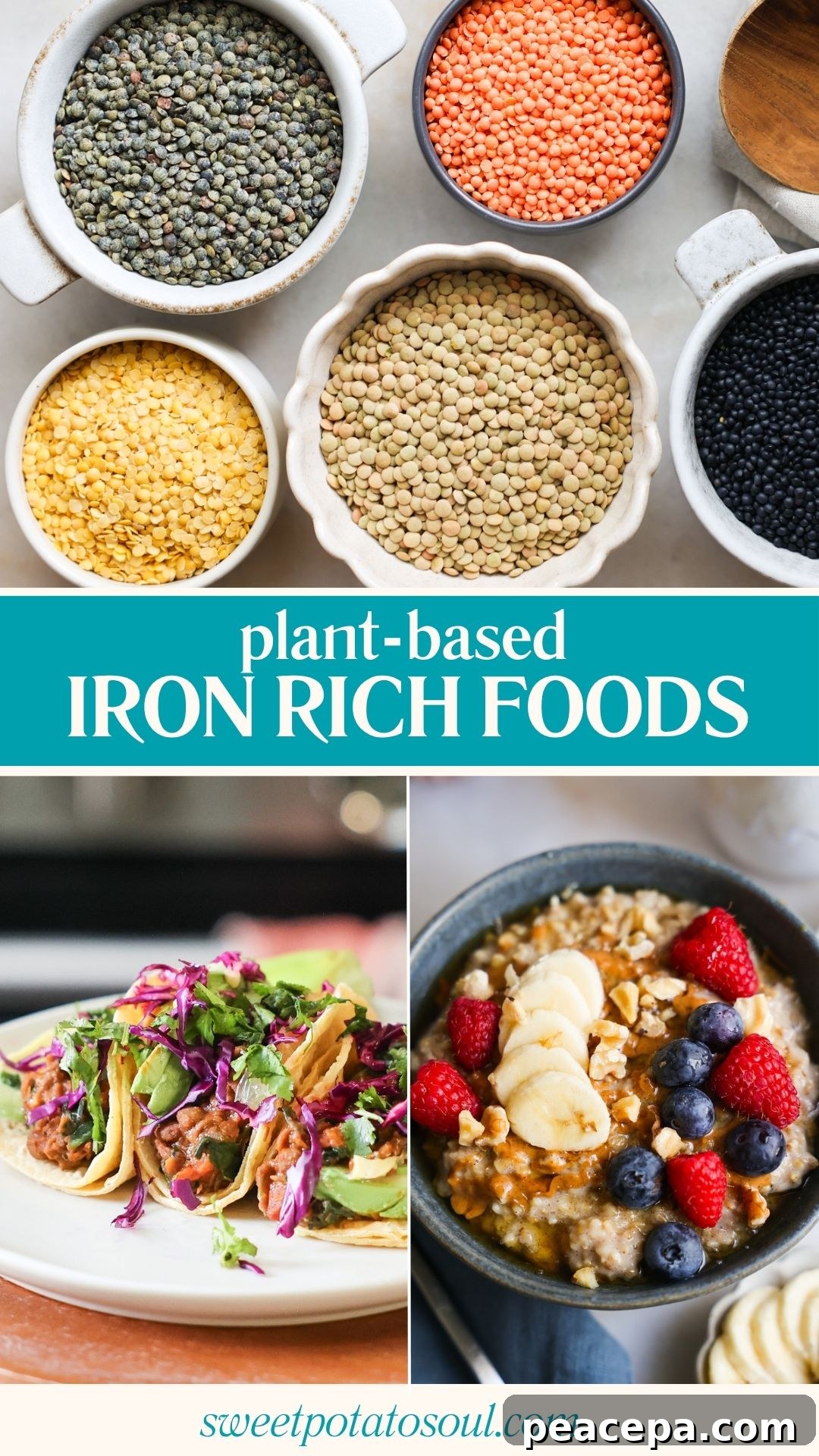
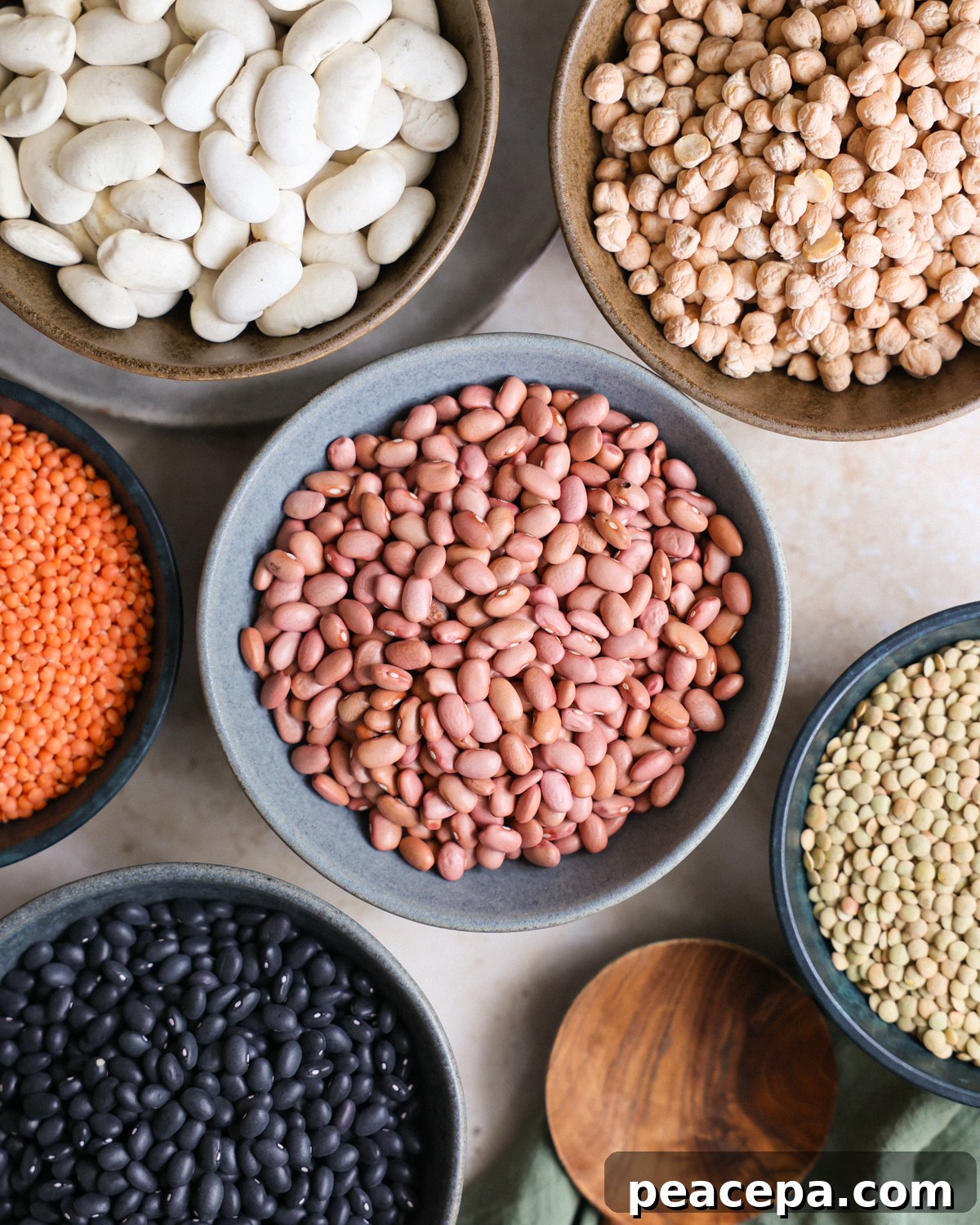
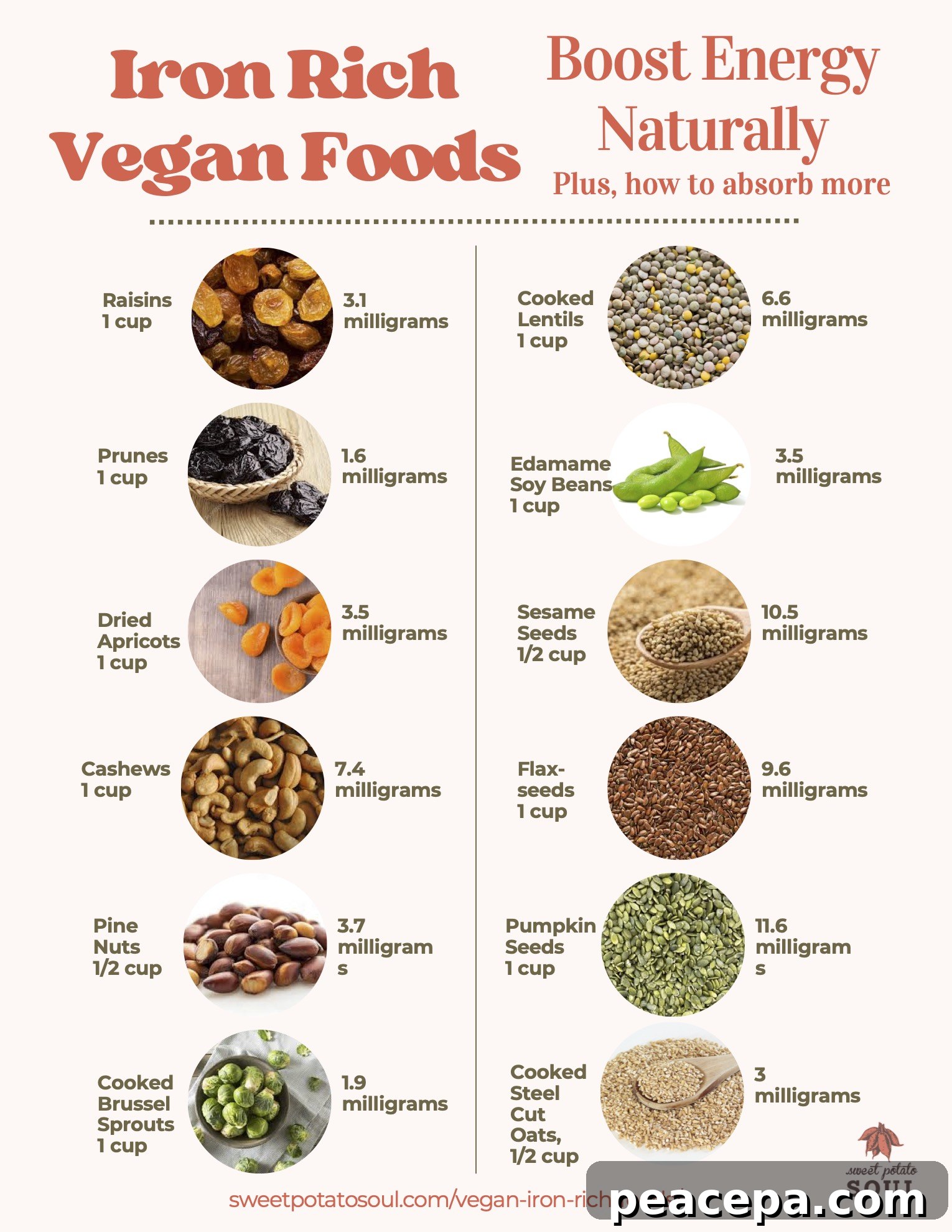
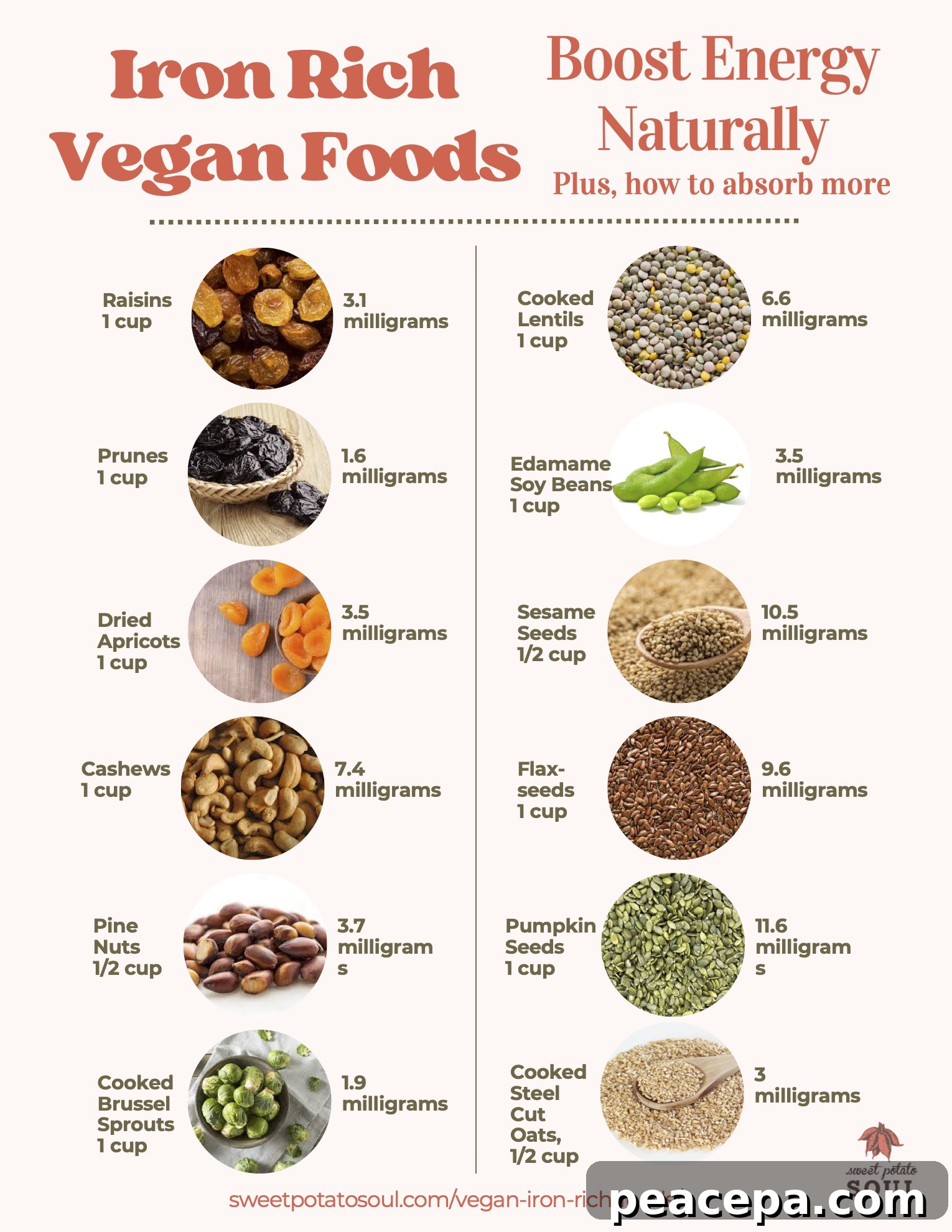
Beans, lentils, tofu, and peas are excellent plant sources of iron. For example, soybeans and edamame are iron-rich; cooked lentils also provide meaningful iron per serving. Including legumes regularly—such as lentil soups, bean stews, or tofu bowls—boosts daily iron intake and supplies protein and fiber as well.
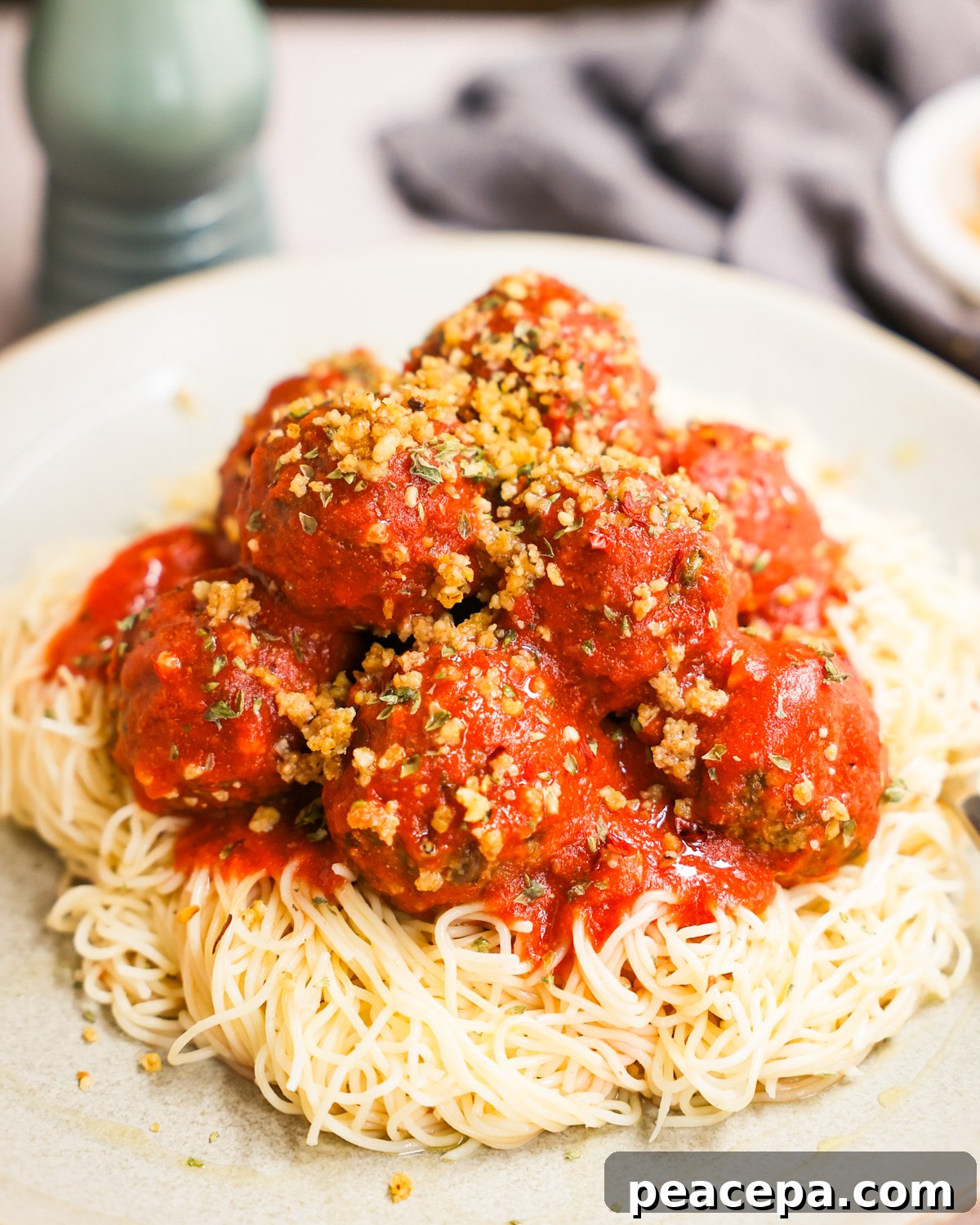
Iron-rich bean recipe ideas: edamame salads, lentil salads, lentil meatballs, white bean dishes, black bean soups, chickpea curries, and marinated bean salads.
Seeds & Nuts
Nuts and seeds are convenient, iron-dense snacks and toppings. Pumpkin seeds, flaxseeds, sesame seeds, and nuts like almonds and cashews contain notable amounts of iron. Add ground flax to smoothies or oats, sprinkle pumpkin seeds on salads, or use tahini in dressings and baked goods to increase iron intake.
Iron-rich nut and seed ideas: roasted almonds, pumpkin seed crackers, sesame-tofu dishes, and iron-boosting smoothies or cookies using tahini.
Vegetables
Dark leafy greens, dried tomatoes, and potatoes (with skin) are good plant sources of iron. Cooking concentrated forms like tomato paste or layering cooked greens into meals can help. Because iron in these vegetables is non-heme, pair them with vitamin C-rich foods—bell peppers, citrus, or sweet potatoes—to improve absorption.
Iron-rich vegetable ideas: sautéed greens, broccolini, roasted Brussels sprouts, and hearty bean-and-corn salads.
Dried Fruits
Dried fruits concentrate nutrients and can be a handy iron boost. Prunes, apricots, and raisins provide concentrated iron and fiber. Toss them into porridge, grain bowls, or snack mixes with nuts for added iron and natural sweetness.
Iron-rich dried fruit ideas: tagines with dried fruit, freekeh porridge, and energy balls made with dates.
Whole Grains
Choose whole grains instead of refined options to retain more iron and other nutrients. Brown rice, quinoa, oats, spelt, farro, and teff all contribute iron. Teff, in particular, is a nutrient-dense grain with a relatively high iron content and works well in porridges, pancakes, and breads.
Iron-rich whole grain ideas: grain pilafs, quinoa burgers, steel-cut oats, spelt pancakes, and teff porridge.
How to improve iron absorption?
Pair vitamin C rich foods with iron
Vitamin C (ascorbic acid) significantly enhances the absorption of non-heme iron. Many iron-rich plant foods also contain vitamin C—think broccoli, kale, potatoes, Brussels sprouts, bell peppers, and citrus. Combine iron sources with vitamin C-rich fruits or vegetables at the same meal or snack to maximize uptake.
Separate coffee and tea from meals
Coffee and black tea contain compounds that can inhibit non-heme iron absorption. If you have low iron or are trying to raise your iron status, avoid drinking these beverages with iron-rich meals or wait an hour or two after eating before consuming them.
Increase soaked, sprouted and fermented foods
Soaking, sprouting, and fermenting grains, legumes, and seeds reduce phytate levels—compounds that inhibit iron absorption. Soak and cook beans thoroughly, choose sprouted-grain breads, and include fermented sides like sauerkraut or kimchi to improve mineral availability.
Prioritize lysine rich foods
Legumes and soy foods provide lysine, an essential amino acid that supports collagen production and may help with iron uptake from the gut into the bloodstream. Including a variety of lysine-rich plant proteins can support both iron status and overall nutrition.
Cast iron skillet for iron deficiency
Cooking in a cast-iron pan can transfer a small amount of iron into foods, especially with newer pans or when cooking acidic dishes for longer periods. While not a primary strategy for meeting needs, it can modestly increase iron content in meals.
Vegan Iron Sample Day of Eating
Breakfast
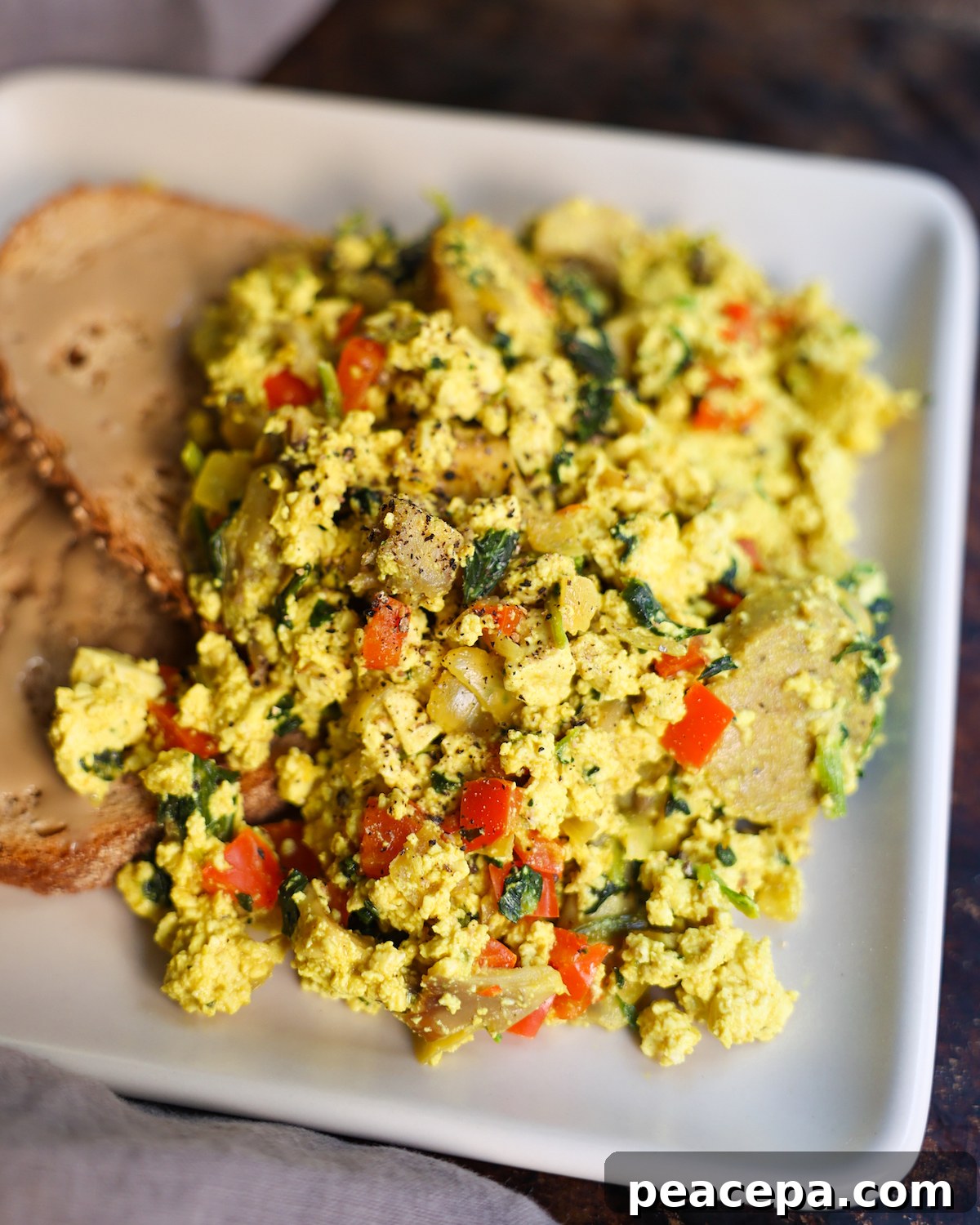
Tofu scramble – estimated iron: 9.45 mg
- 1 cup tofu (about 250 g)
- 1 cup cooked spinach
- 1 orange to boost vitamin C and absorption
Snack
¼ cup roasted pumpkin seeds
Lunch
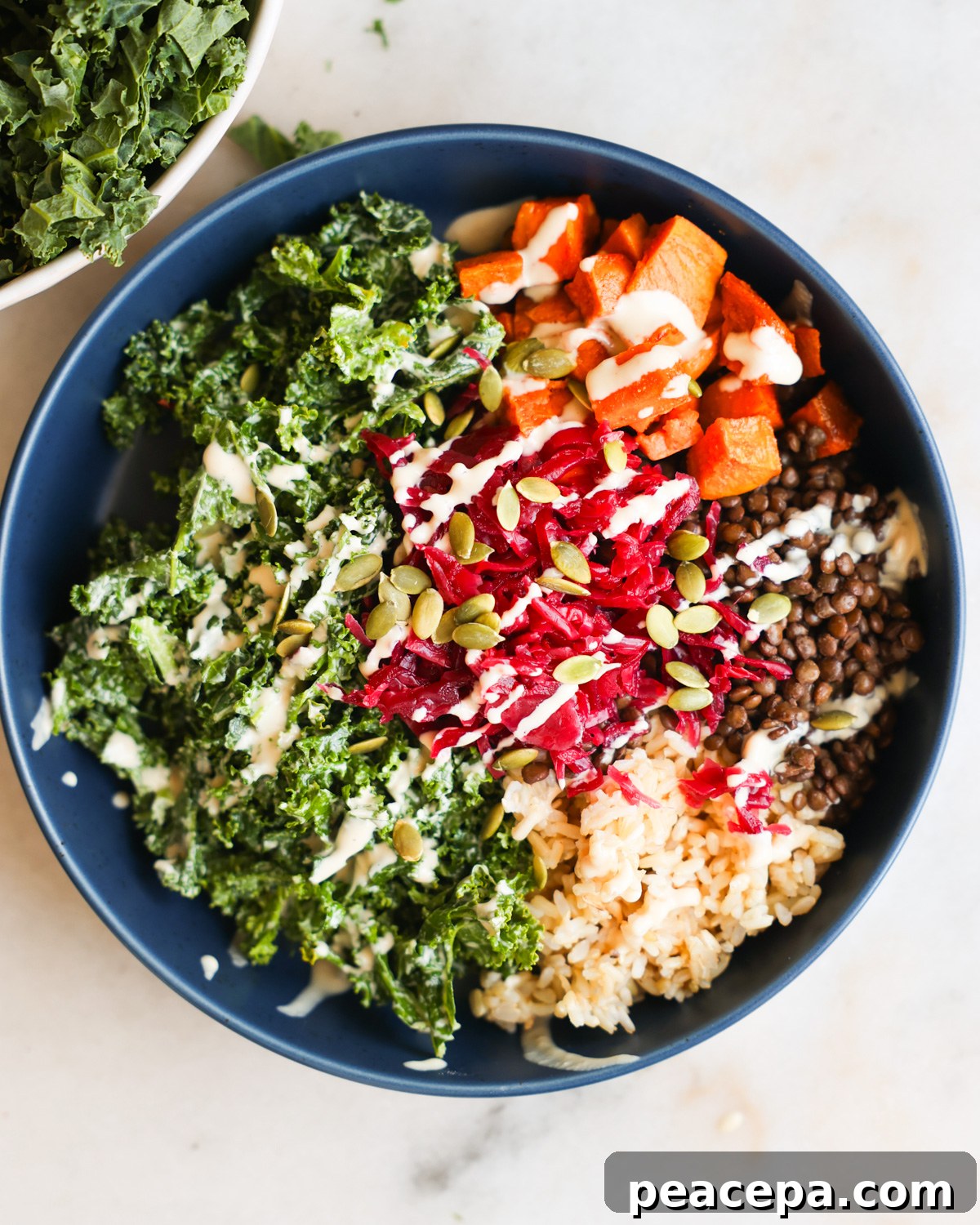
Veggie bowl – estimated iron: 11.8 mg
- ½ cup edamame
- 1 cup quinoa
- 1 cup cooked broccoli
- 1 baked sweet potato
- 2 tbsp tahini
- 1 bell pepper for vitamin C
Snack
¼ cup almonds and a cup of strawberries to aid absorption
Dinner
Lentil soup with sauerkraut – estimated iron: 8.4 mg
- Soaked and cooked lentils
- 1 cup brown rice
- ½ cup sauerkraut for fermented benefits
Dessert
A small piece of dark chocolate
Estimated total non-heme iron: around 30–35 mg (absorption varies but is enhanced by vitamin C and preparation methods)
The Takeaway
- Aim for roughly 14–32 mg of non-heme iron daily when following a plant-based diet, adjusting for personal needs and life stage.
- Boost absorption by pairing iron-rich foods with vitamin C sources and by using soaking, sprouting, and fermentation techniques.
- Avoid consuming coffee and black tea with iron-rich meals if you are concerned about iron status.
More Vegan Nutrition Tips
- Explore a variety of plant-based protein sources.
- Plan balanced meals to cover macronutrients and micronutrients.
- Include fiber-rich foods for overall digestive and metabolic health.
- Consider consulting a registered dietitian or healthcare provider for personalized guidance.
If you have questions or personal experiences about iron on a plant-based diet, share them in the comments below to start a conversation.