 Before I left for Japan, many people warned me it would be hard to find vegan food and that I might go hungry. I knew Japanese cuisine often uses fish products, but I hadn’t expected such gloomy predictions. I had bought my ticket to the country at the top of my list, yet I worried about traveling somewhere I’d been told was vegan-unfriendly. I pictured myself walking past busy restaurants, buying sweet potatoes and brown rice at the grocery store and cooking in tiny Airbnbs, lost in translation and lonely.
Then I searched the web and found HappyCow.net.
Happy Cow is a user-driven directory I rely on to find vegan and vegetarian restaurants worldwide. It’s like a veggie Yelp—complete with photos, reviews, directions, hours, and notes about language or menu availability. With the app on my phone, I discovered many strictly vegan spots in Tokyo and Kyoto and realized the warnings I’d heard were exaggerated. Japan’s Buddhist heritage makes plant-based cuisine part of the culinary fabric, and there are compassionate chefs and restaurants beyond the temples. Perhaps locals aren’t using Happy Cow, or vegan travelers just don’t know about these places yet. I was relieved—and excited.
What I found using Happy Cow
Happy Cow, combined with TripAdvisor and on-the-ground exploration, revealed a variety of vegan options. I found shojin ryori–inspired takeout in Akihabara, world-fusion dining in Ikebukuro, and noodle options at Tokyo Station (T’s Tan Tan). And of course there are many kinds of mochi to discover.
Yes, some dishes include fish-based ingredients like bonito, and once I accidentally ate a kelp jelly containing bonito and scallop extract. Not knowing Japanese makes checking ingredients harder, so use Google Translate or ask before you buy. Even with occasional surprises, I didn’t starve—I ate very well and brought home a suitcase full of goodies. Japanese food has long been a favorite of mine, and this trip deepened that love.
Here are the places and experiences that made my trip delicious.
TOKYO EATS
Ain Soph Soar
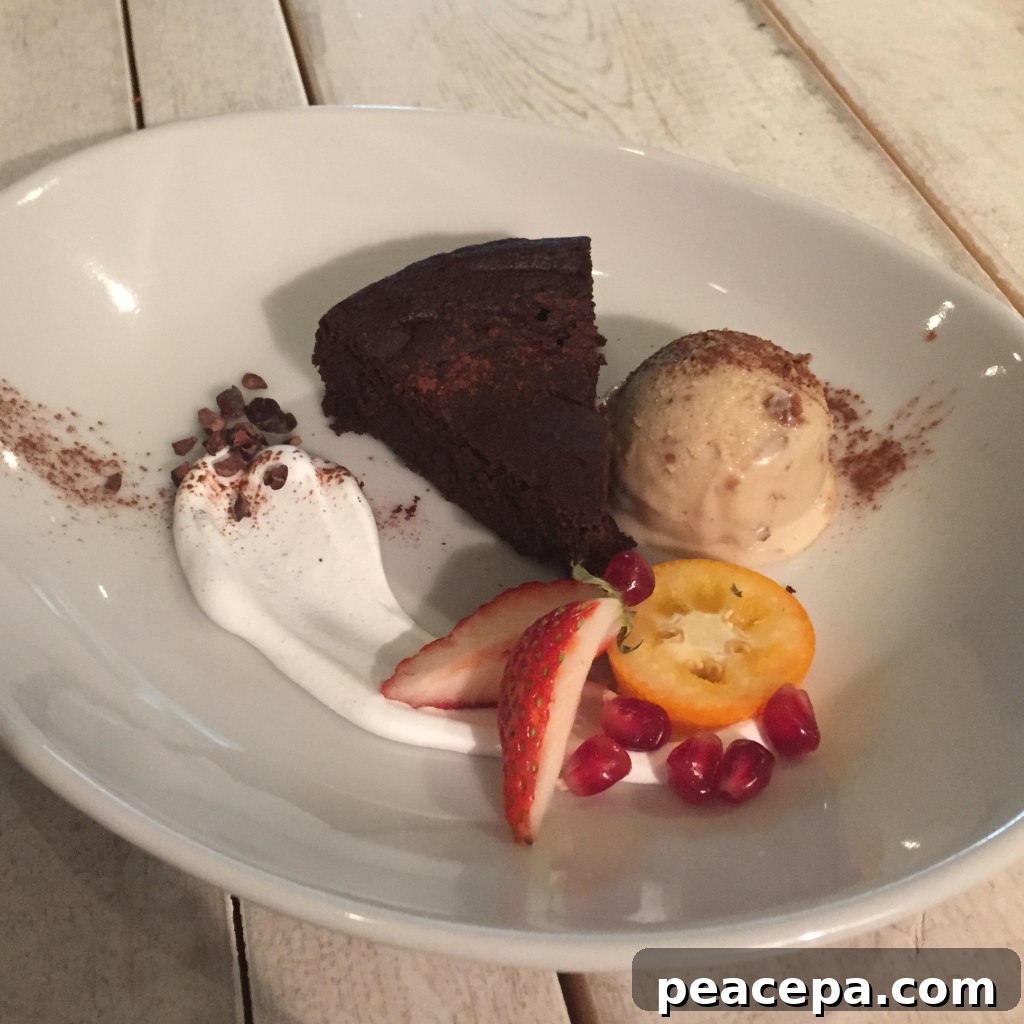 Located in Ikebukuro, Ain Soph Soar is a calm oasis amid a bustling neighborhood full of arcades, bars, and shops. The restaurant is clean, charming, and romantic. I went for dinner and enjoyed tomato soup, hambāgu with a rich miso sauce, and chocolate cake with ice cream. The food wasn’t strictly Japanese in style, but it was comforting, satisfying, and memorable.
T’s Restaurant
 My Airbnb hosts showed me around Ikebukuro and took me to T’s Restaurant. The pasta special with a creamy soy-based sauce and vegetables was flavorful and delicious; I finished every bite. For dessert I had a chocolate scone and took home a kabocha scone because it was so good. T’s is in Jiyugaoka, a quieter neighborhood that’s a pleasant escape from central Tokyo.
Mochi from Asadaya in Akasaka
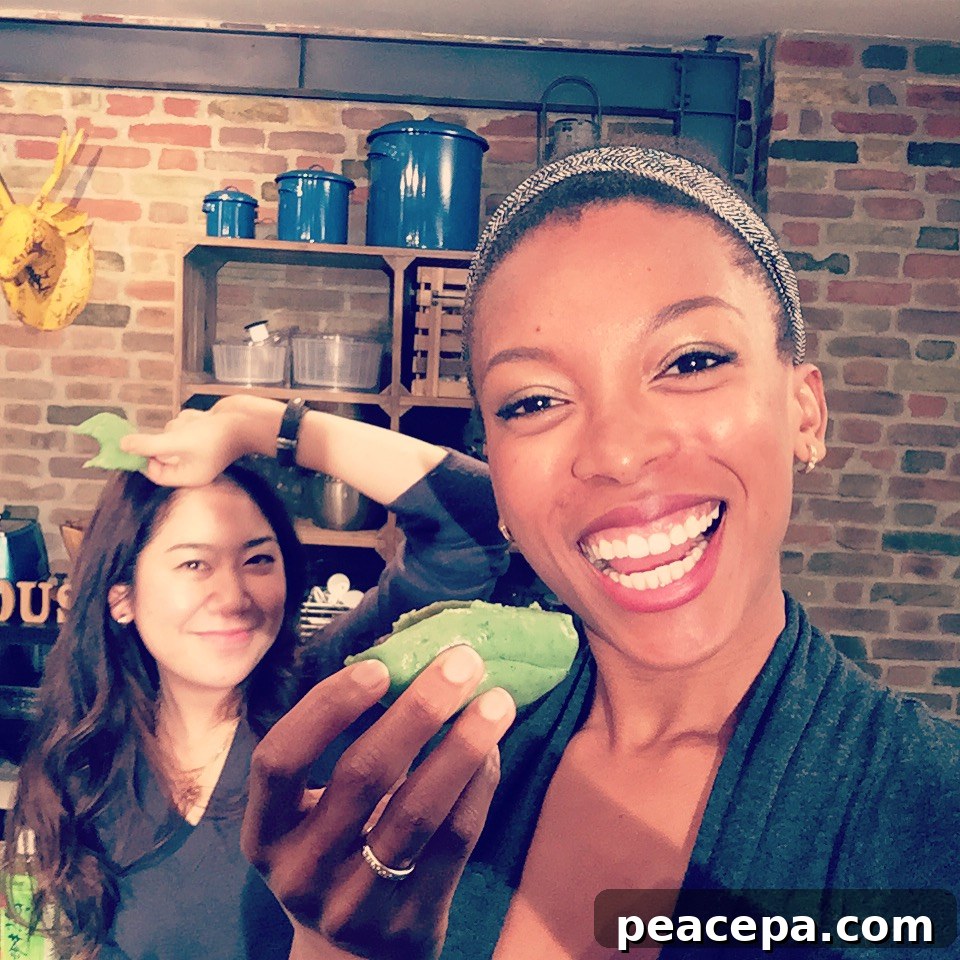
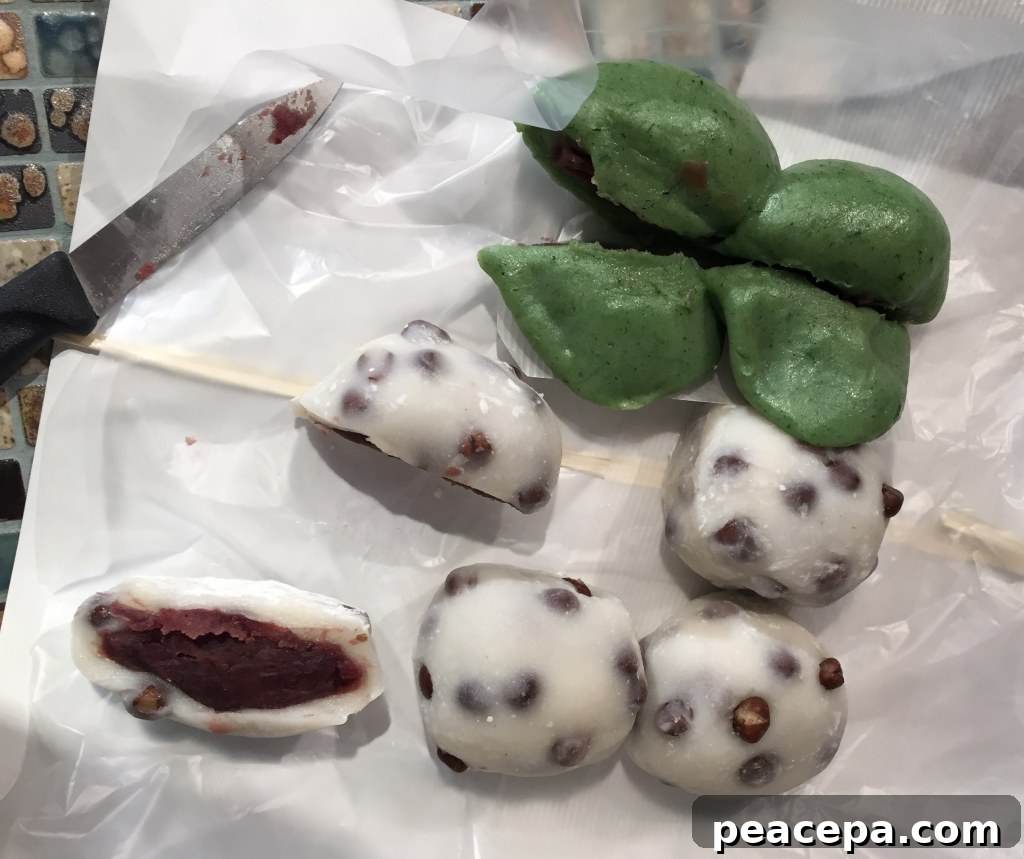 I’m obsessed with mochi—the soft, chewy rice cakes are often vegan and come in many varieties. My favorites included grilled mugwort mochi (yomogi daifuku), found in Kyoto, and several delightful mochi I tried in Tokyo. I even brought mochi to set on the cooking show I filmed with Japanese host Ryoya of Peaceful Cuisine. Be careful—mochi is so good people sometimes choke on it if they rush.
Japanese sweets frequently use rice and adzuki beans, avoiding eggs or dairy. If you encounter chocolate or a questionable ingredient, ask whether it contains milk or eggs—Google Translate can help.
Brown Rice Café
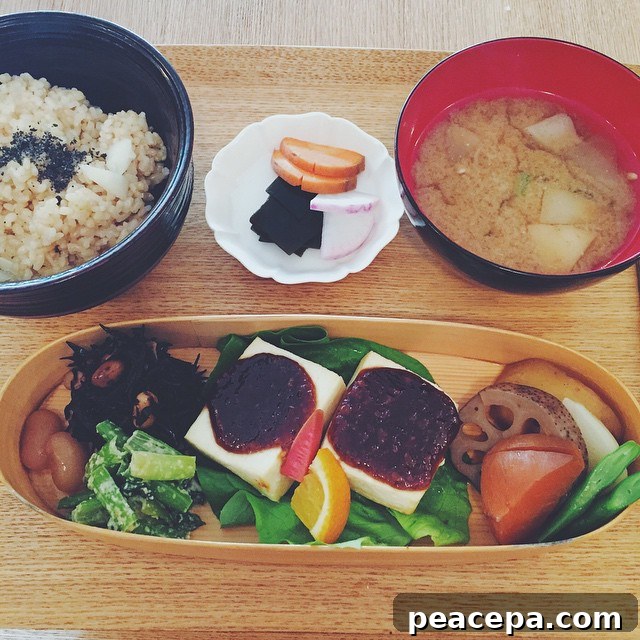 Recommended by an Instagram follower, Brown Rice Café is near Shibuya and a short walk from Harajuku. The restaurant is modern and elegant. I had a balanced lunch set featuring miso soup, pickles, crave-worthy tofu, and steamed vegetables. It left me feeling nourished and energized—next time I’ll try the curry.
Komaki Syokudo & attached market
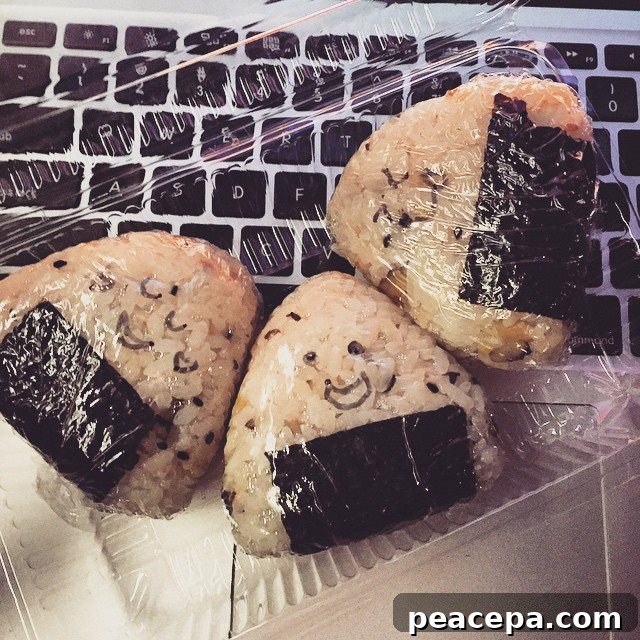
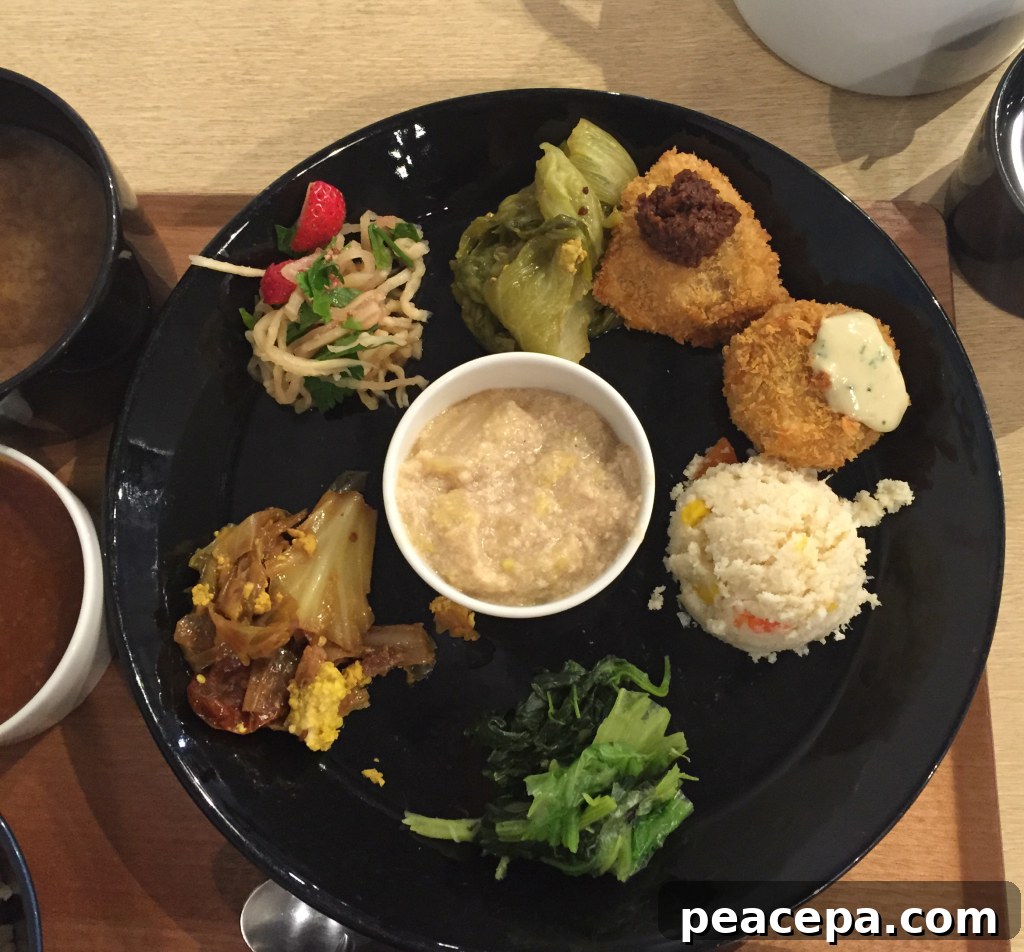 Komaki Syokudo offers shojin ryori, the Buddhist temple cuisine that is strictly vegan. Located in a gourmet grocery near Akihabara station, it’s simple but fascinating. Shojin cooks aim to waste nothing and use ingredients like tofu pulp and seasonal vegetables. My favorites were tofu pulp, rice balls, and the curry. The attached market is worth exploring after your meal.
KYOTO
In Kyoto I cooked for myself a lot. Breakfasts were oats or rice with kabocha, and lunches and dinners often used fresh greens and noodles I found at markets. Kitchens in Japan are tiny—my Airbnbs had just one burner—so I cooked larger batches of rice and soba and stored them in the fridge. Staying in an Airbnb can be a great option if you like to cook and experiment with local ingredients.
Vegan’s Café
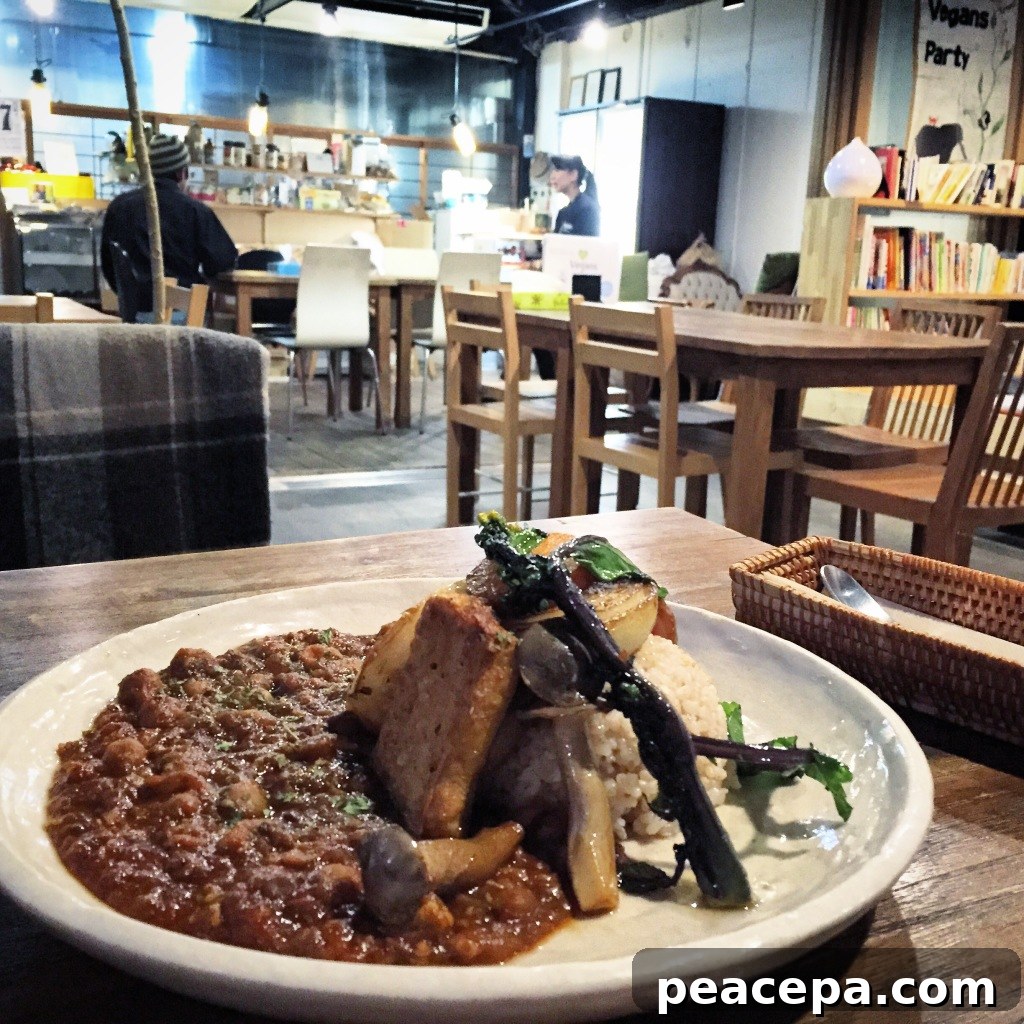 Vegan’s Café was a delightful first-night stop in Kyoto. It’s a short train ride and walk from central areas, and worth the trip. The chickpea curry was rich and bold, served with rice, fried tofu, and vegetables. Above the café is a mini grocery selling produce, teas, beans, sauces and more—remove your shoes before entering and enjoy the local hospitality.
Shigetsu: Tenryu-ji Shojin Ryori
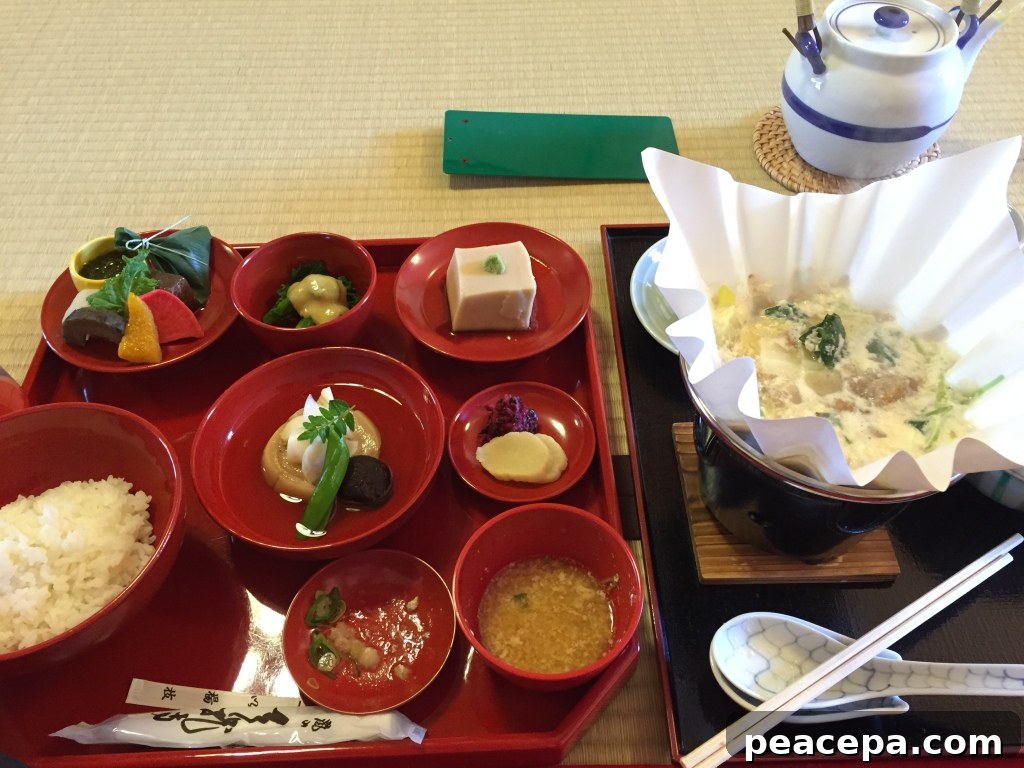 One of my most memorable meals was shojin ryori at Shigetsu, located next to Tenryu-ji temple in Arashiyama. Guests sit on the floor in communal rooms (alternative seating available) and remove their shoes. Shojin ryori emphasizes balance—sweet, sour, bitter, salty, light, and hot—served in many small dishes. My favorites were pickles, mochi, and greens with creamy miso. The lunch set felt like a special, restorative experience worth the price.
Sake Bar Yoramu
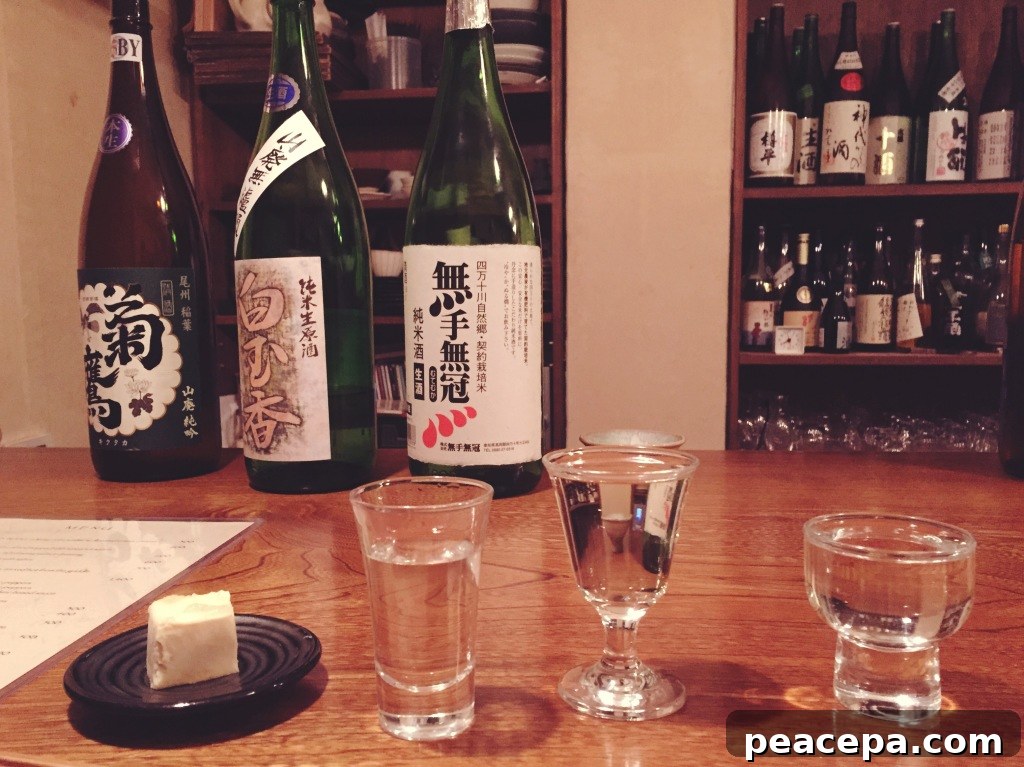 Sake Bar Yoramu is run by Yoram, an Israeli owner who speaks English and knows sake well. The bar offers tasting sets of three sakes and simple vegetarian nibbles that pair perfectly with the drinks. I enjoyed tofu aged in miso and several excellent sakes—this is a great place to expand your sake knowledge in a relaxed setting.
Kyoto Yaoichi Gourmet Grocery Store
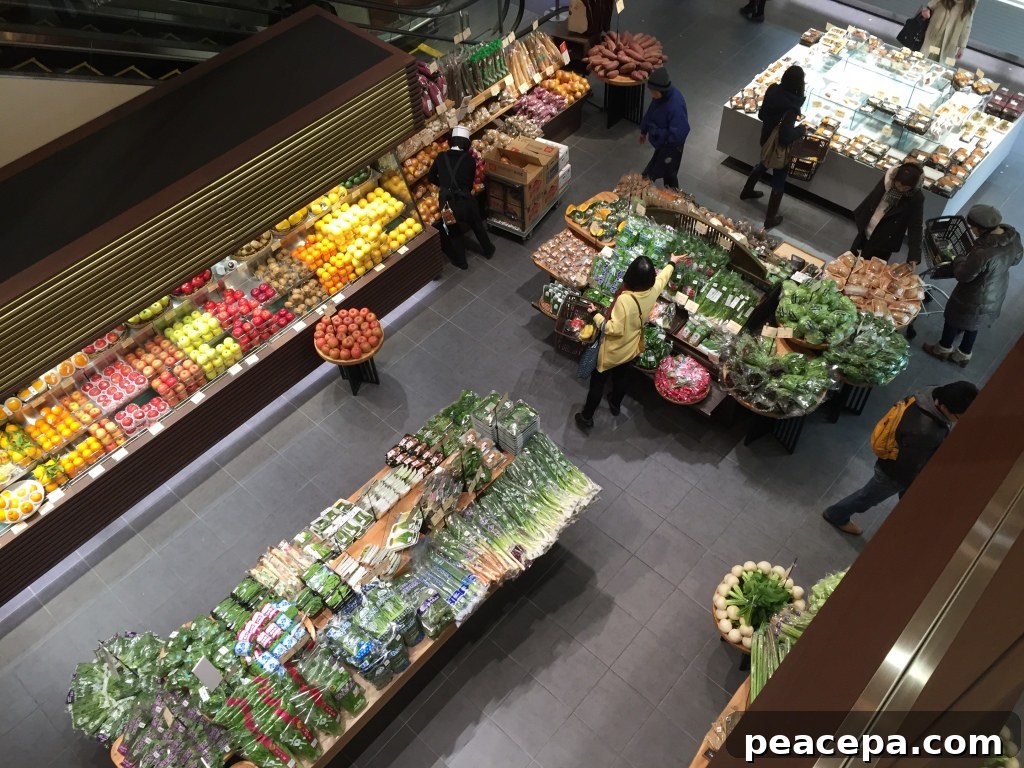 Yaoichi is a gorgeous store full of green vegetables, fruits, roots, herbs, prepared foods, bulk goods, and imported items. Prices vary—fruit can be pricey to protect local farmers—but for anyone who wants to cook this is an excellent stop. The store also carries bread, teas, coffee, and kitchenware. The lively staff frequently call out to each other, which can feel exuberant and surprising to visitors.
Mochikiya in Nishiki Market
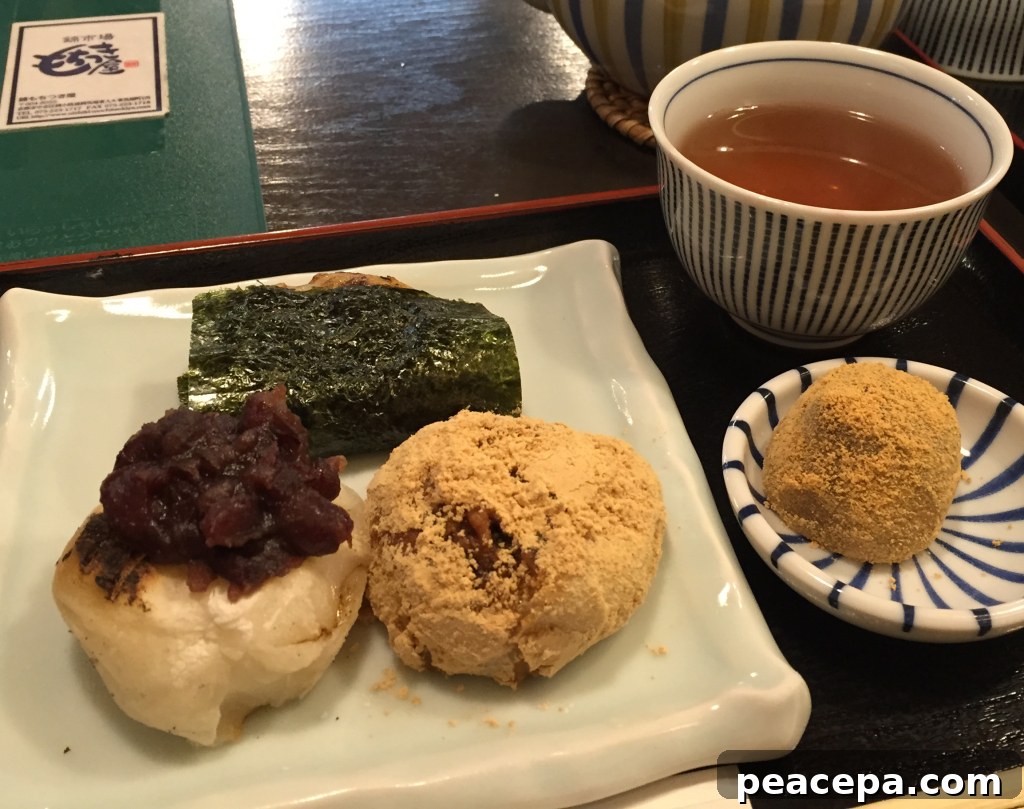
Mochikiya specializes in mochi and is located about halfway through Nishiki Market. You’ll see mochi grilled out front. I ordered a three-mochi combo—one dusted with soy powder, one wrapped in seaweed, and one topped with red beans—plus a cold jelly with red bean paste. These sweets are perfect for vegans and make a fun stop while exploring the market.
Nishiki Market
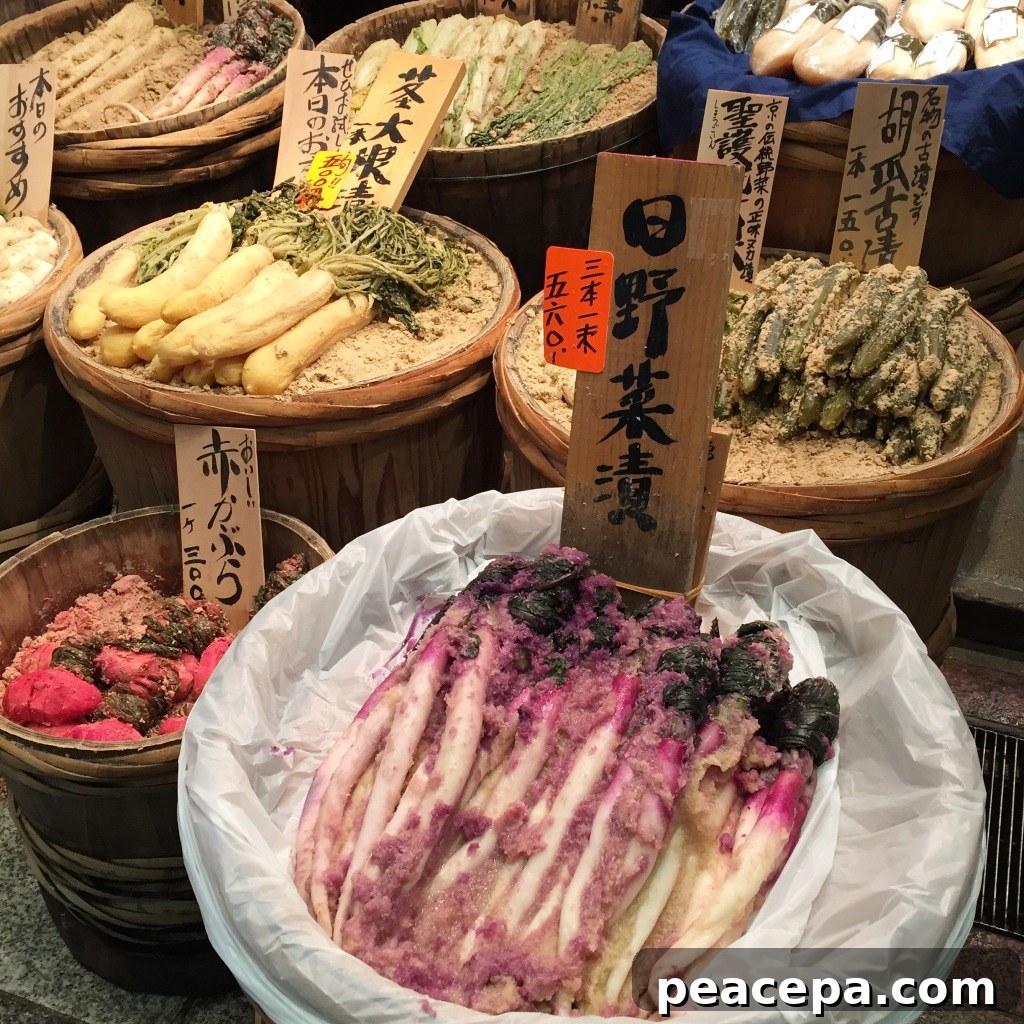
Nishiki Market has operated for centuries and is full of pickles, sweets like mochi, produce, kitchenware, and regional specialties. While there is a lot of fish and seafood for sale, the market is tidy and focused on fresh ingredients rather than the open displays found elsewhere. It’s a wonderful place to explore Japanese food culture and find vegan treats.
Camellia Tea Ceremony in Higashiyama
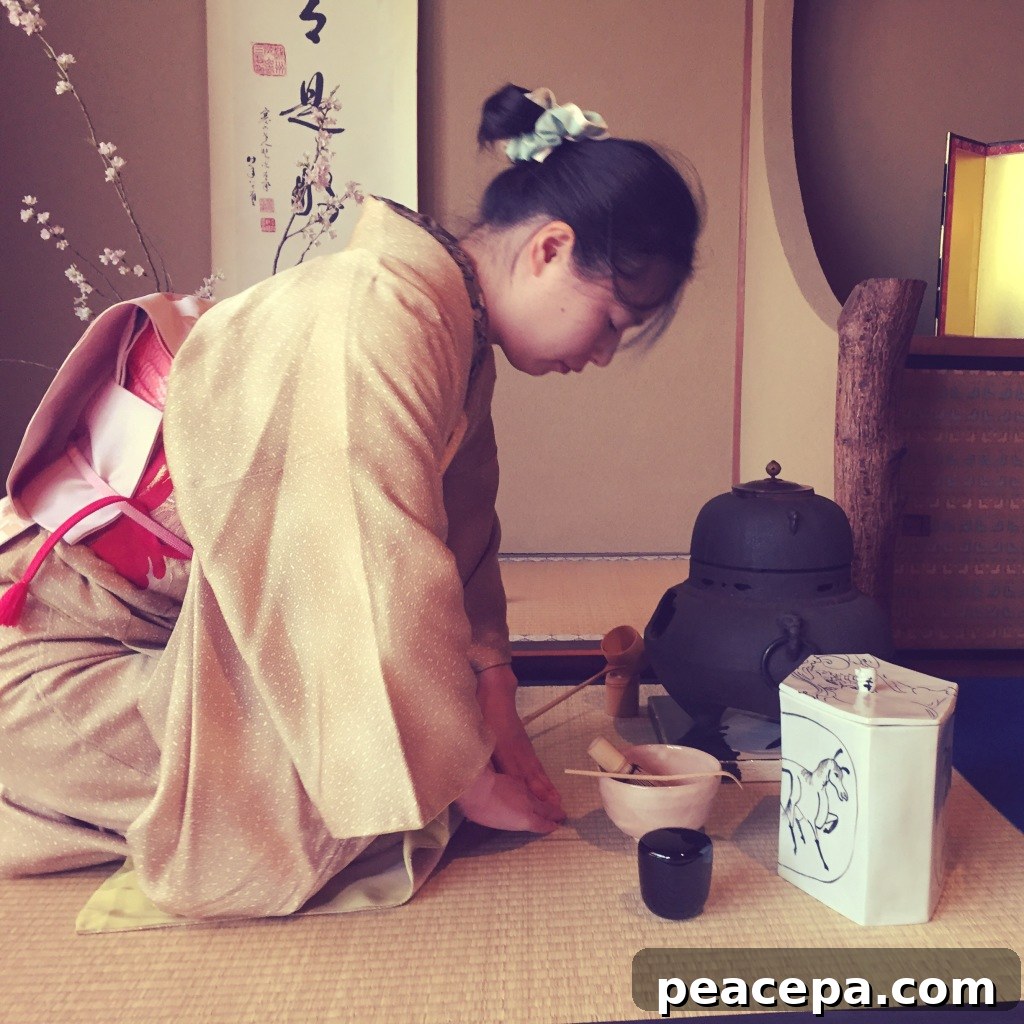
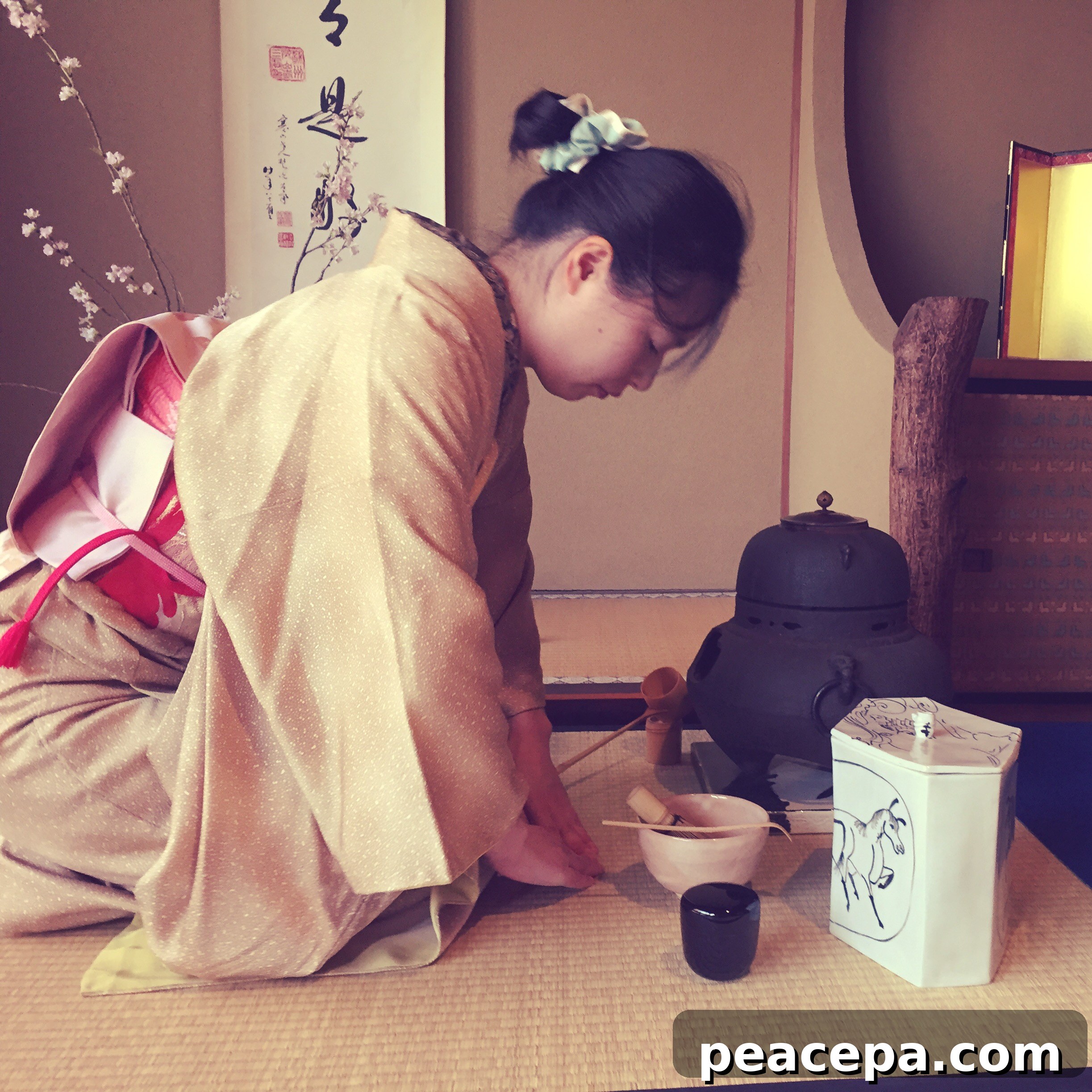
Attending a tea ceremony is a beautiful complement to shojin ryori. Camellia is set in a 100-year-old geisha ryokan on a picturesque street in Higashiyama. Kyoto’s Uji matcha is considered the finest green tea, and the ceremony demonstrates the careful steps to prepare matcha properly. I brought home Uji matcha to try my own tea moments in NYC.
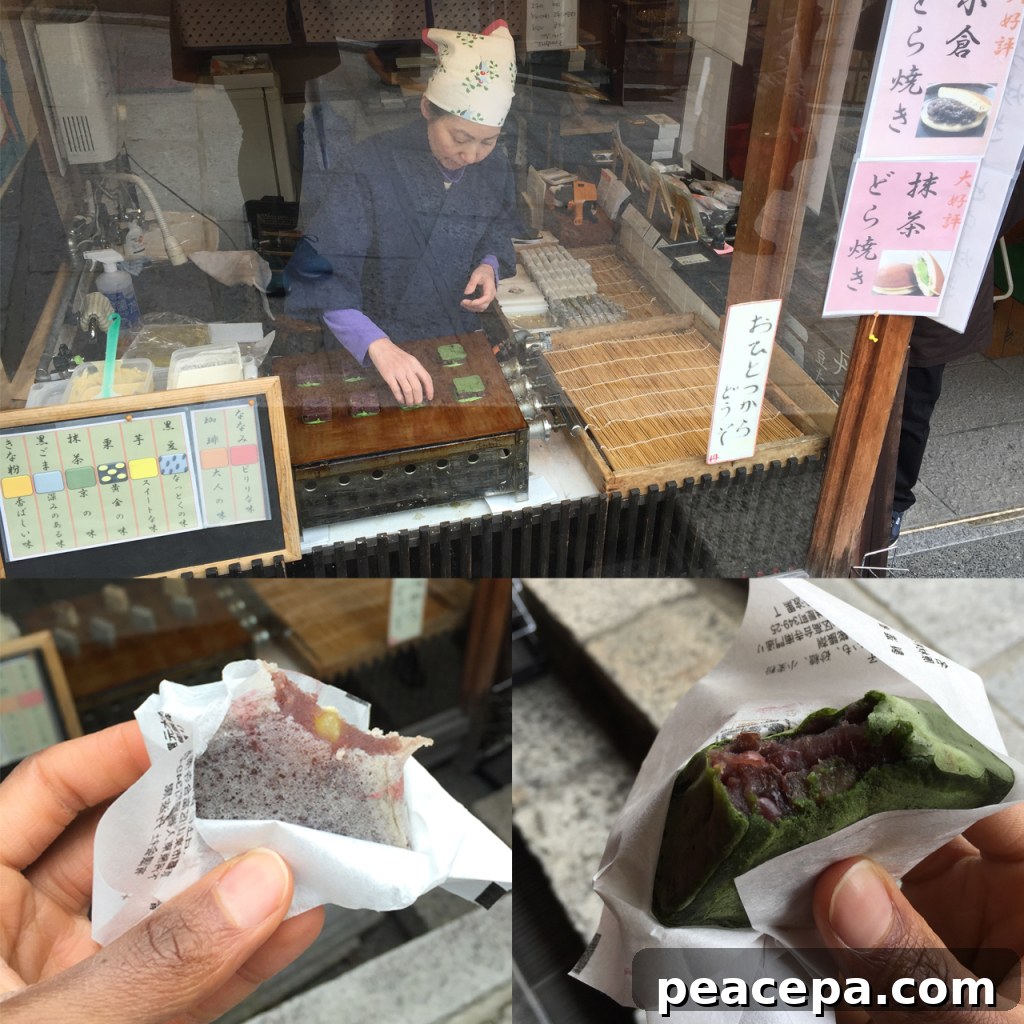
Outside Camellia you’ll find mochi vendors and kintsuba makers—another vegan-friendly sweet I loved. Try mochi on a stick dipped in sweet soy sauce, crepe-like mochi, or red bean and sweet potato squares wrapped in mochi.
In short, being vegan in Japan was easier and more rewarding than I expected. I returned home energized and eager to go back in the spring. I hope these recommendations help you plan your own trip—Japan has a vibrant vegan scene waiting to be explored.
I’d love to hear your recommendations too. Please share any favorite vegan spots in the comments so we can show the world that Japan’s vegan community is alive and thriving!