
How do you elevate a simple meal? Flavorful, aromatic spices are an easy and effective way. If you’ve been reaching for the same three tired seasonings for years, this guide will introduce you to ten of my favorite spices and how I use them to transform everyday dishes.
One of the joys of a plant-based diet is the variety of flavors, textures, and colors available. Exploring different spices and herbs opens a whole new level of culinary creativity. These dried spices are versatile, long-lasting, and can turn simple ingredients into something memorable.
What are spices?
Spices are concentrated flavorings derived from plants—roots, bark, seeds, flowers, leaves, or fruits. They enhance the natural flavors of vegetables, legumes, grains, and plant-based proteins and are especially valuable for crafting bold, savory dishes. Spices can be single ingredients (like cinnamon or cumin) or blends (such as garam masala). For this article I focus on dried spices rather than sauces or fresh herb pastes.
Can you add too much spice?
Yes. Spices are concentrated, and a little goes a long way. If you’re new to using them, follow recipes and start with small amounts—you can always add more, but you can’t take it out once it’s in the pot.
Are spices healthy?
Many spices contain vitamins, antioxidants, and other beneficial phytochemicals. Because they’re used in small amounts, their direct nutritional impact can be modest, but they contribute flavor and complexity that can help you enjoy more plant-based foods.
How to Store Spices & Keep Them Fresh
Spices are an investment—preserve their flavor with good storage habits:
- Use airtight containers and replace lids after use. If you buy in bulk, transfer to sealed jars.
- Keep spices out of direct sunlight to protect color and aroma. A drawer or opaque jars work well.
- Refrigeration or freezing is usually unnecessary.
- Add a few grains of rice to powders that clump (like onion powder) to absorb moisture.
- Measure spices on the counter rather than over a steaming pot to avoid introducing moisture back into the jar.
- Store frequently used spices in small jars to avoid repeatedly opening bulk packages.
Whole Spices or Ground?
Whole spices retain flavor longer than ground. If possible, buy whole (for example, cumin or cardamom seeds) and grind when needed with a spice grinder. Whole spices can also be used whole in recipes for added texture and aroma—many traditional cuisines use them this way.
Stock your Kitchen with my Favorite Spices
Below are ten essential dried spices and blends I reach for most, with notes on flavor and suggested uses. Try a few and see how they change your cooking.
SMOKED PAPRIKA
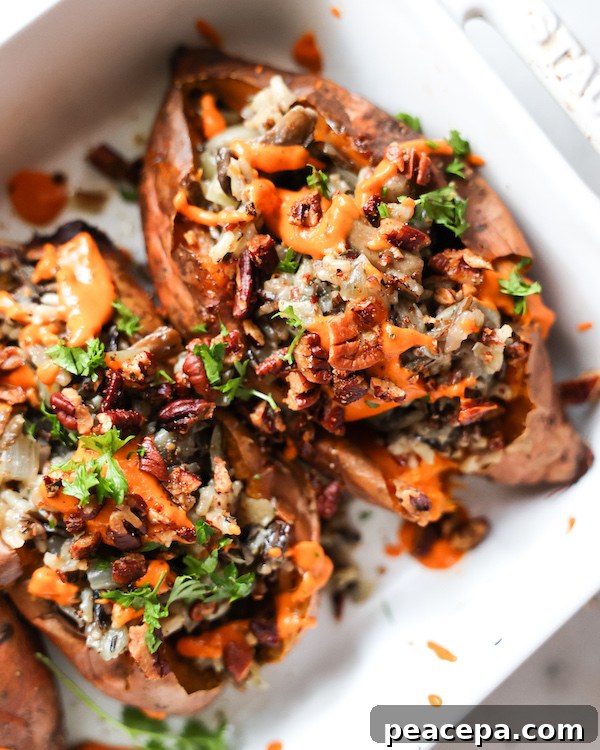
Smoked paprika is made from pimentón peppers dried over oak, giving it a rich smoky, slightly earthy flavor. It’s one of my most-used spices and adds depth to beans, roasted vegetables, stews, and sauces.
Smoked paprika recipes:
- Southern Collard Greens
- Wild Rice Stuffed Sweet Potatoes
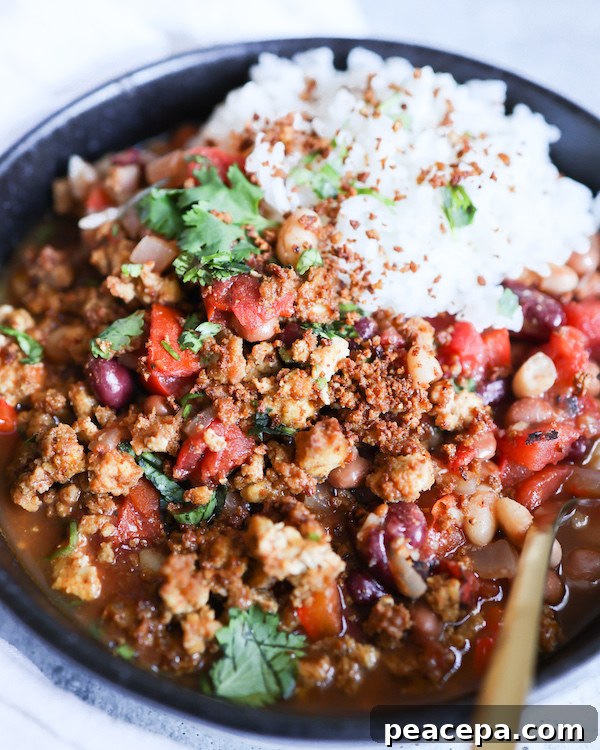
- Tofu Chili
GARLIC POWDER
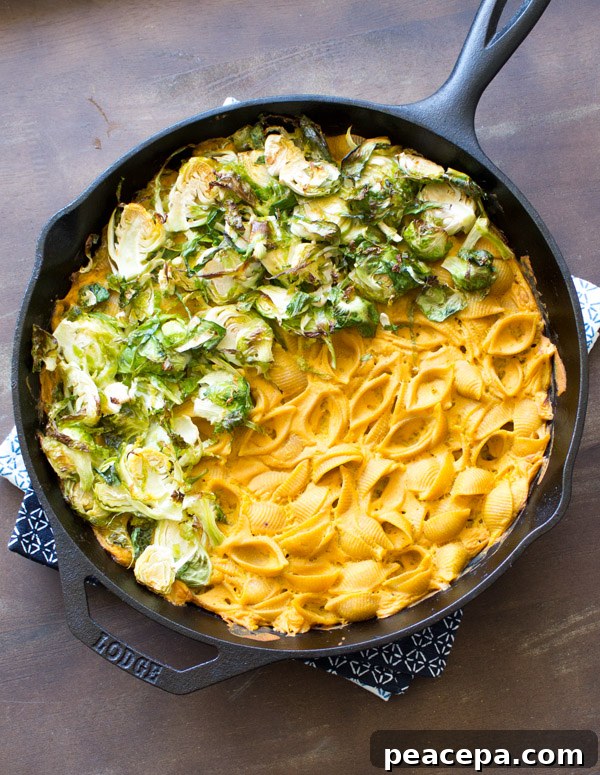
Garlic powder delivers concentrated, mellow garlic flavor without the pungency of fresh garlic. It’s perfect for roasted vegetables, beans, dressings, and any time you want consistent garlic taste throughout a dish.
Garlic powder recipes:
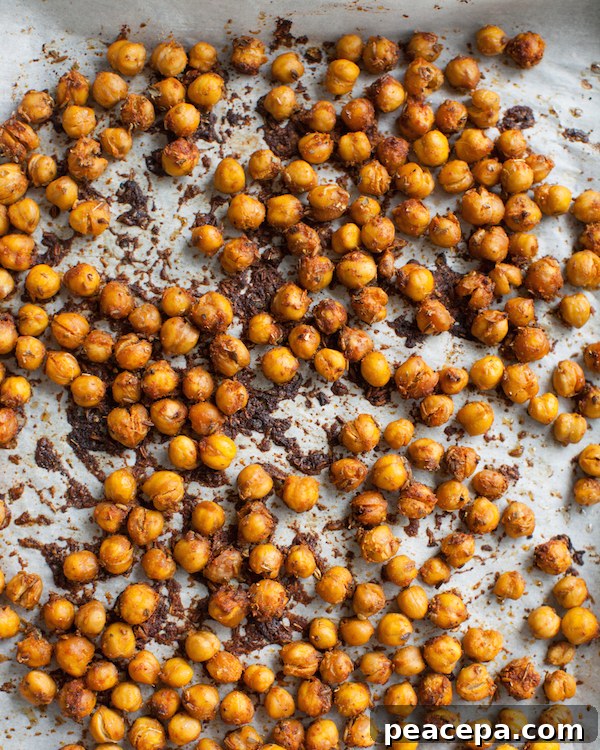
- Crispy Spiced Chickpeas
- Butternut Mac & Cheese
- Winter Burrito Bowl
NUTRITIONAL YEAST
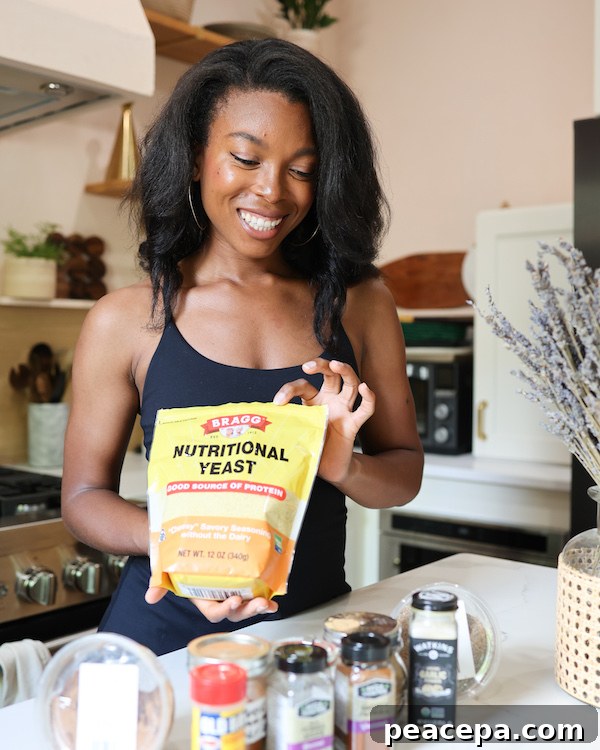
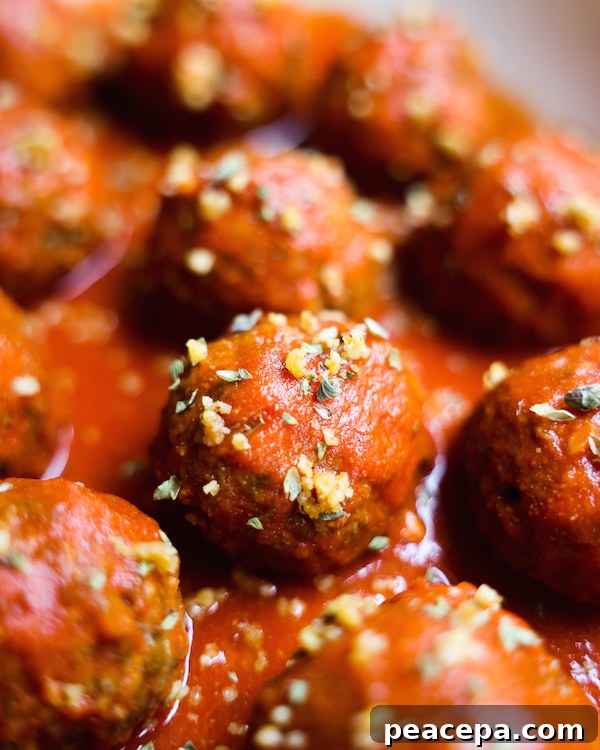
Nutritional yeast is an inactive yeast with a savory, nutty, cheesy flavor. It’s a reliable dairy-free cheese substitute for sauces, dressings, and as a finishing sprinkle on vegetables and grains.
Nutritional yeast recipes:
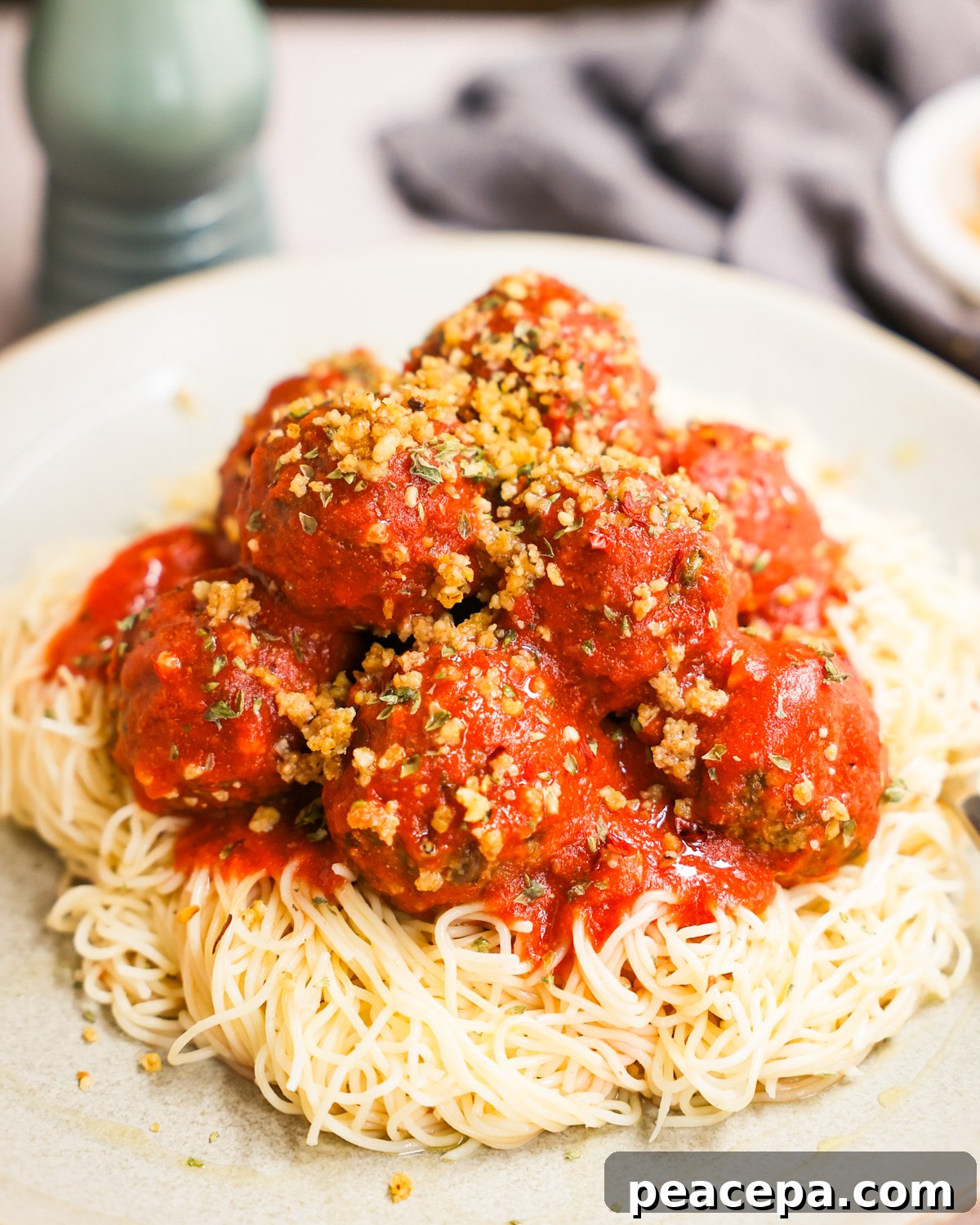
- Best Vegan Meatballs
- Sunflower Caesar Salad
- Nut-free Mac & Cheese
FENNEL SEEDS
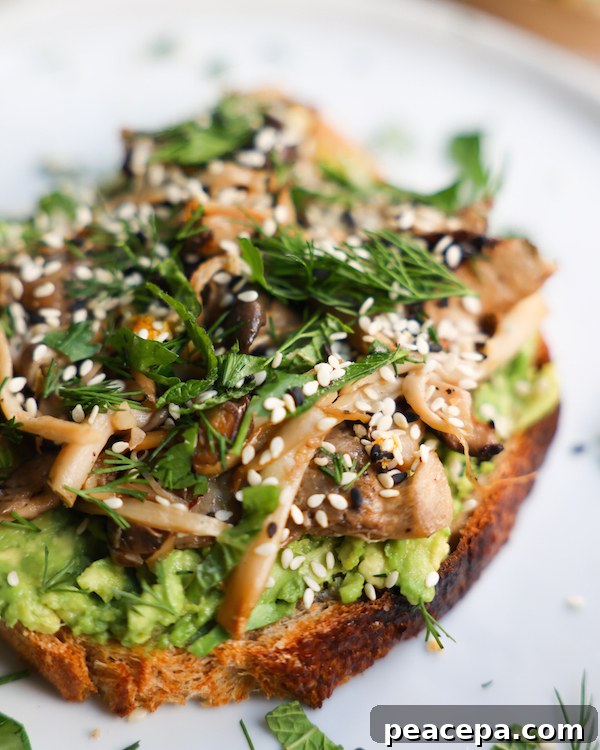
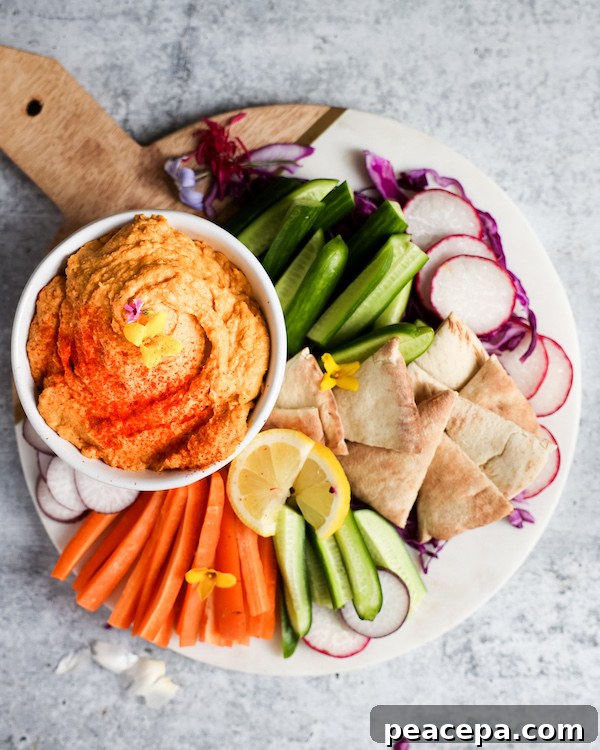
Fennel seeds have a licorice-like, slightly sweet flavor that pairs surprisingly well with roasted vegetables, breads, and savory dishes. Toast them to deepen the aroma and sprinkle on avocado toast or grain bowls.
Fennel seeds also offer vitamin C and can aid digestion; chewing a few after a meal can freshen breath and reduce gas.
Fennel seed recipes:
- Sweet Potato Hummus
- White Bean Sausages
- Sweet Potato Hash
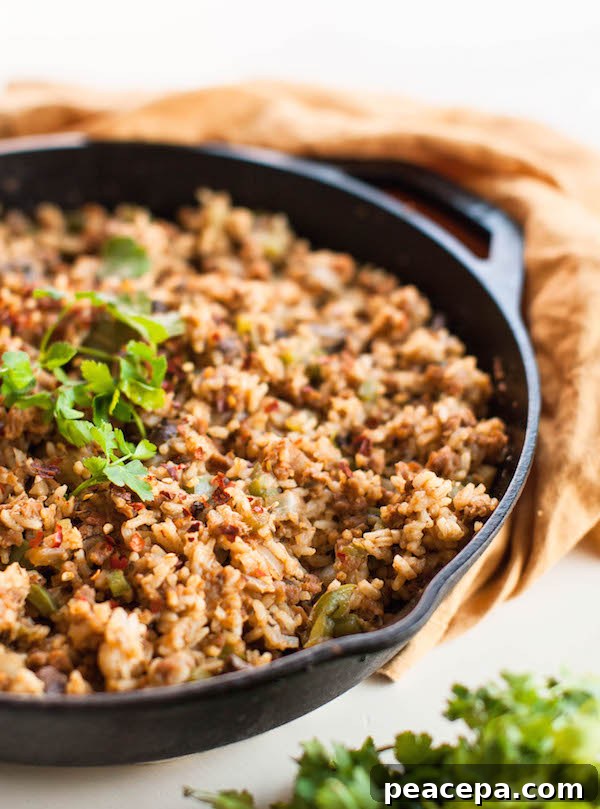
PORCINI MUSHROOM POWDER
Porcini powder is an ideal umami booster—simply powdered dried porcini mushrooms. It adds savory depth and rounds out flavors in gravies, stews, broths, and vegan “meat” dishes.
Porcini mushroom powder recipes:
- Vegan Dirty Rice
- Mushroom Gravy
- Vegan Green Gumbo

CARDAMOM
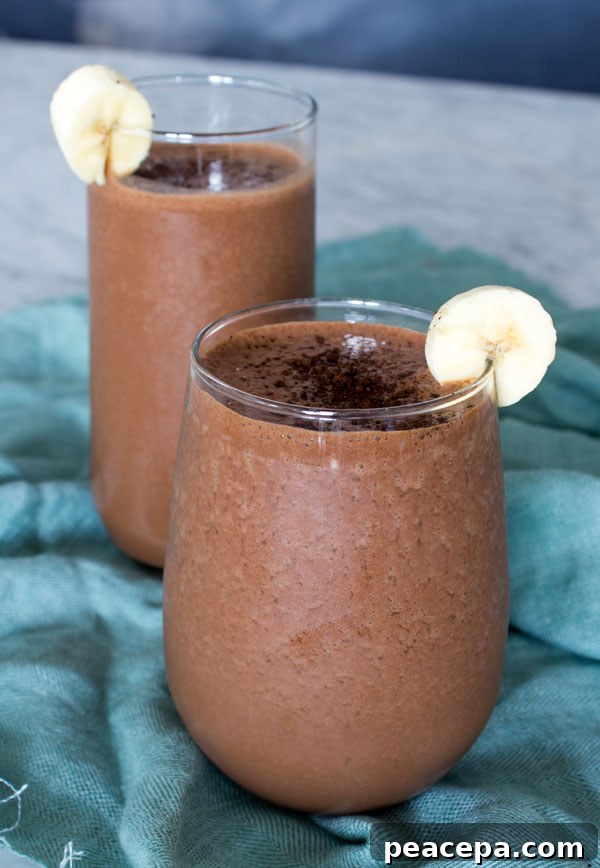
Cardamom is an aromatic, floral spice with sweet and earthy notes. Common in Indian and Middle Eastern sweets and drinks, it’s wonderful in baked goods, coffee, and unexpected places like fruit-based desserts.
Cardamom recipes:
- Vegan Chocolate Chip Cookies
- Banana Cardamom Smoothie
- Perfect Peach Pie
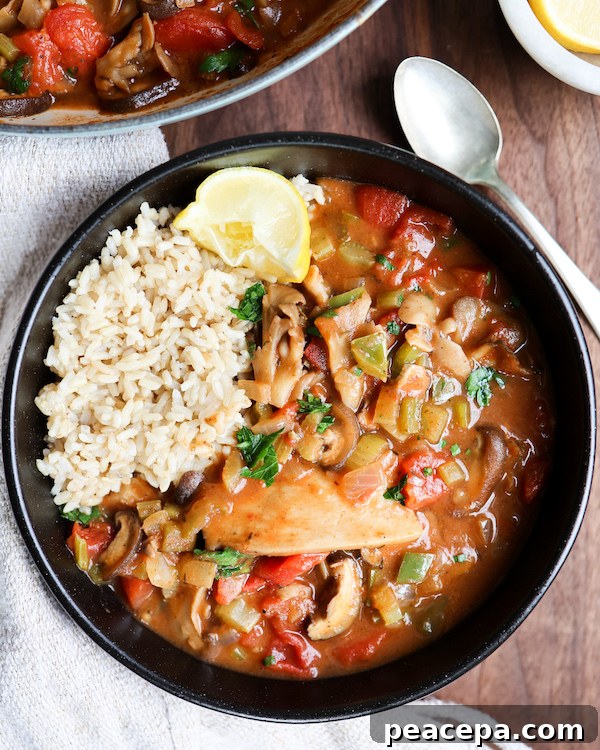
DULSE
Dulse is a briny seaweed with a salty, oceanic flavor that’s useful in vegan seafood recipes and broths. Pan-fried dulse develops a smoky, bacon-like quality and works well as a condiment or seasoning.
Dulse recipes:
- Mushroom Étouffée
- Carrot Chickpea “Tuna” Melt
- Mushroom Seaweed Broth
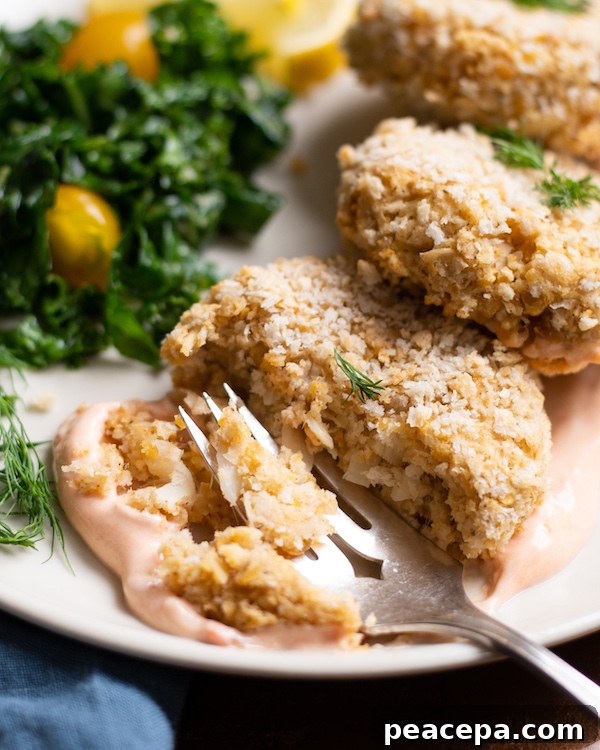
OLD BAY
Old Bay is a classic Chesapeake blend—salty, spicy, and aromatic. It’s essential for seafood-style vegan dishes and adds a familiar savory profile to crab cakes, fries, and stews.
Old Bay recipes:
- Best Vegan Crab Cakes
- Vegan Hot Chicken Biscuits
- Mushroom Étouffée
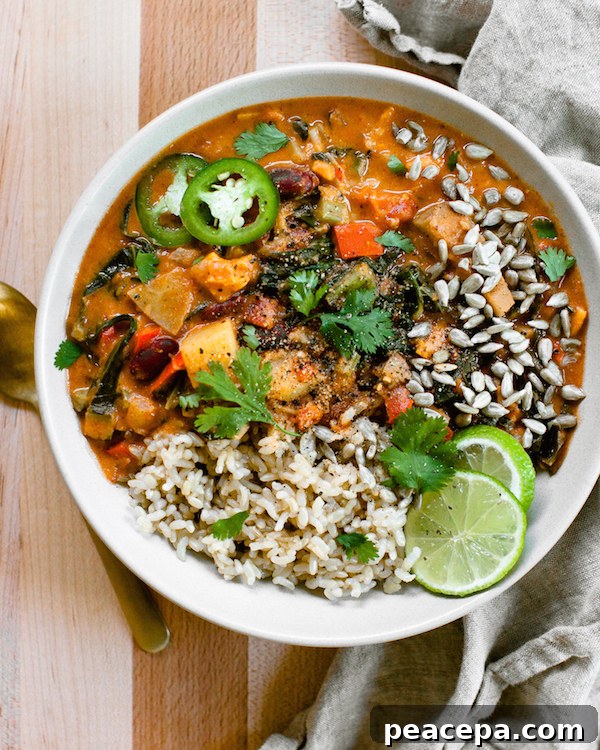
BERBERE
Berbere is an Ethiopian spice blend of chili pepper, ginger, coriander, fenugreek, cardamom, paprika, cinnamon, and more. It’s warm, complex, and slightly sweet—excellent on roasted vegetables, in stews, and anywhere you want bold, layered heat.
Berbere recipes:
- Kabocha & Carrot Soup
- West African Peanut Stew
- Crispy Spiced Chickpeas
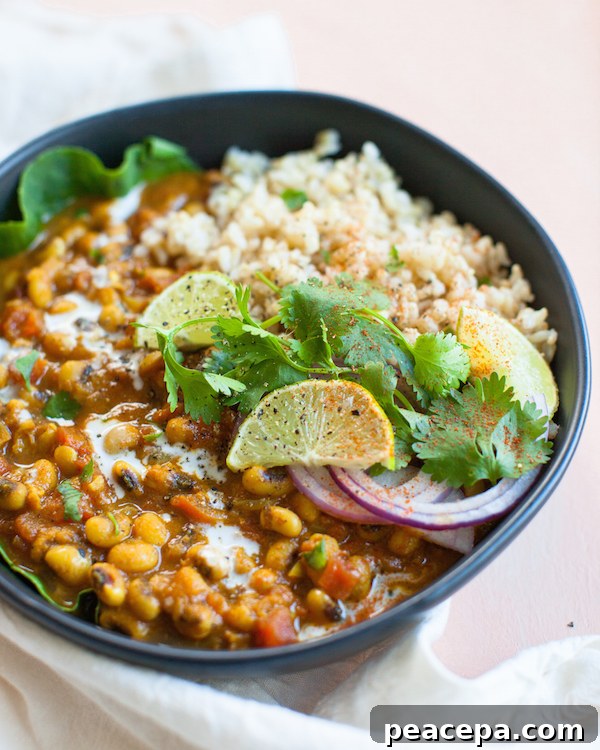
GARAM MASALA
Garam masala is a warming Indian blend—coriander, cinnamon, cumin, cardamom, and other spices. It’s a final-flavoring spice that brightens curries, stews, and roasted vegetables. The blend offers digestive and anti-inflammatory benefits associated with some of its components.
Garam masala recipes:
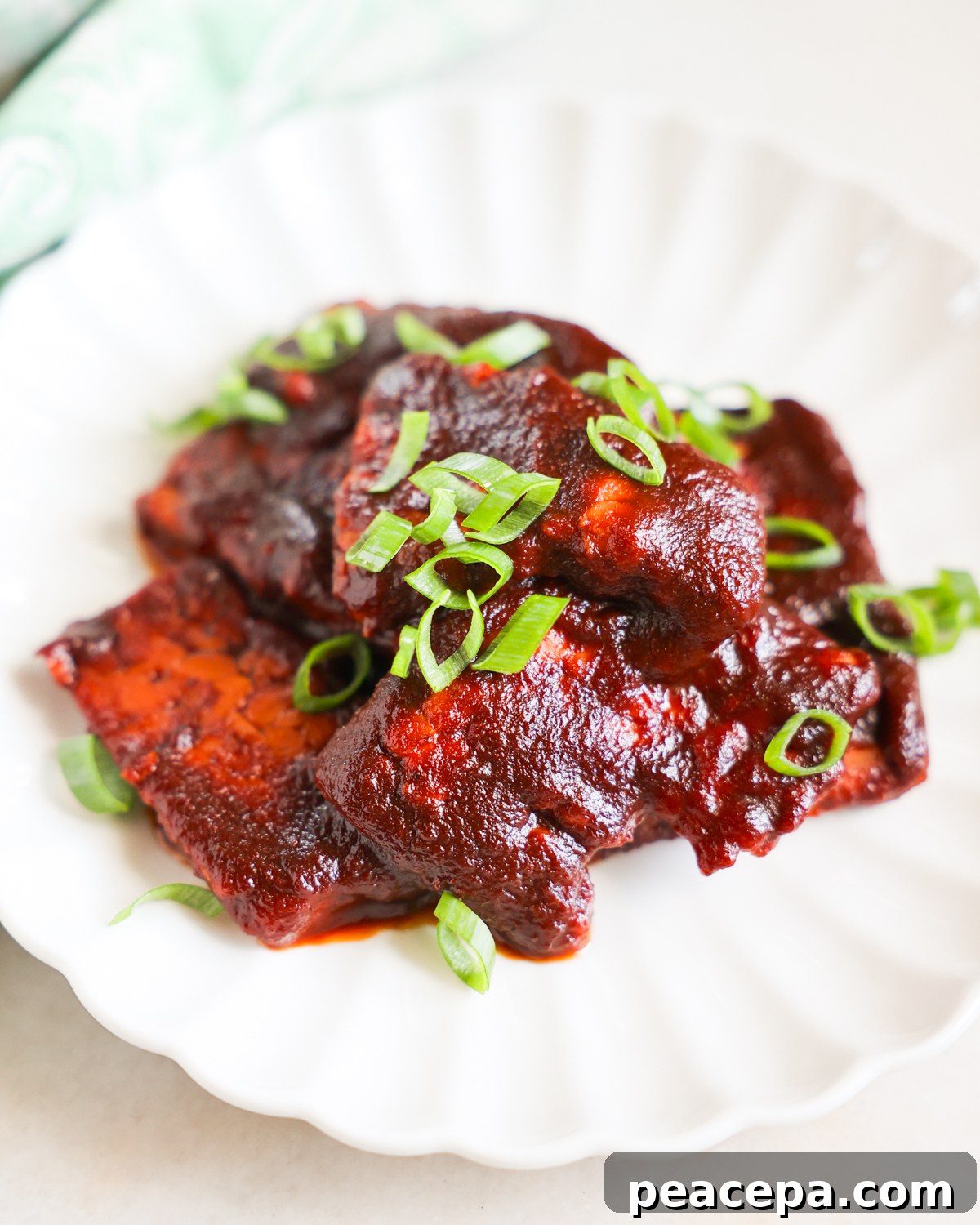
- Tempeh Tikka Masala
- Black-eyed Pea Curry
- Sweet Potato Red Lentil Curry
What are your favorite spices?