This flaky vegan pie crust is a tender, buttery-feeling base that works beautifully for both sweet and savory pies. Made from simple plant-based ingredients, it yields a reliable, flaky shell that’s easy to roll, shape, and bake.
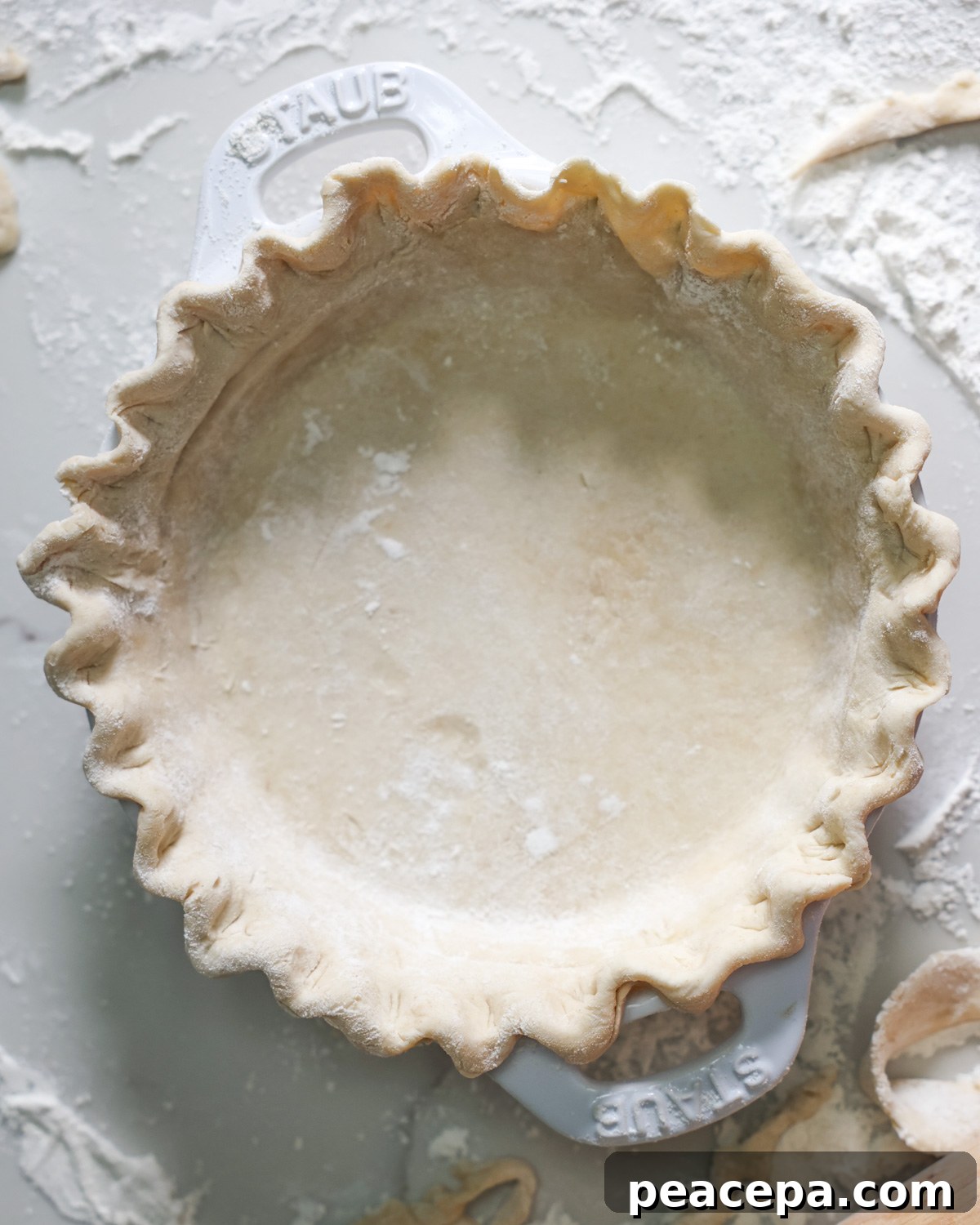
Skip the store-bought shells and make this homemade vegan pie crust instead. With just five basic ingredients—flour, sugar, salt, vegan butter, and ice water—you’ll get a consistent texture and golden finish every time. The dough is straightforward to prepare, forgiving for beginners, and adaptable for many fillings.
Ingredients
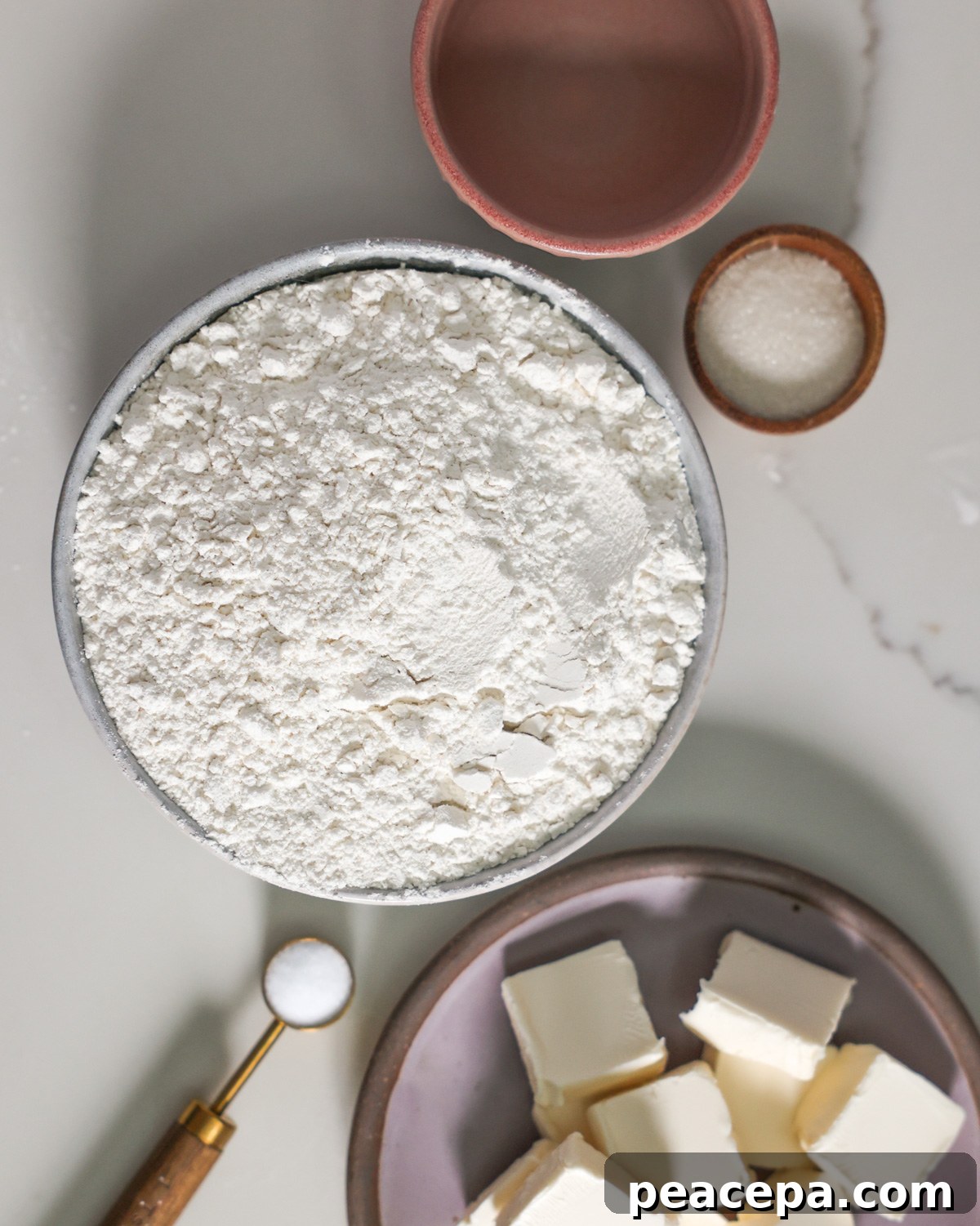
All-Purpose Flour: Provides the structure for a flaky crust. Sift to remove lumps. For a gluten-free option, use a 1:1 gluten-free all-purpose blend.
Granulated Cane Sugar: Adds a subtle sweetness and helps the crust brown. Substitute coconut sugar for a different flavor, or omit for savory pies.
Vegan Butter: Use a high-fat plant butter (stick form is ideal) or vegan shortening. Keep it cold so the fat stays solid in the dough—this creates layers and flakiness.
Ice Water: Very cold water prevents the fat from melting while you mix the dough, which is essential for a flaky result.
Salt: Fine sea salt or kosher salt to enhance the crust’s flavor.
How to Make Flaky Vegan Pie Crust
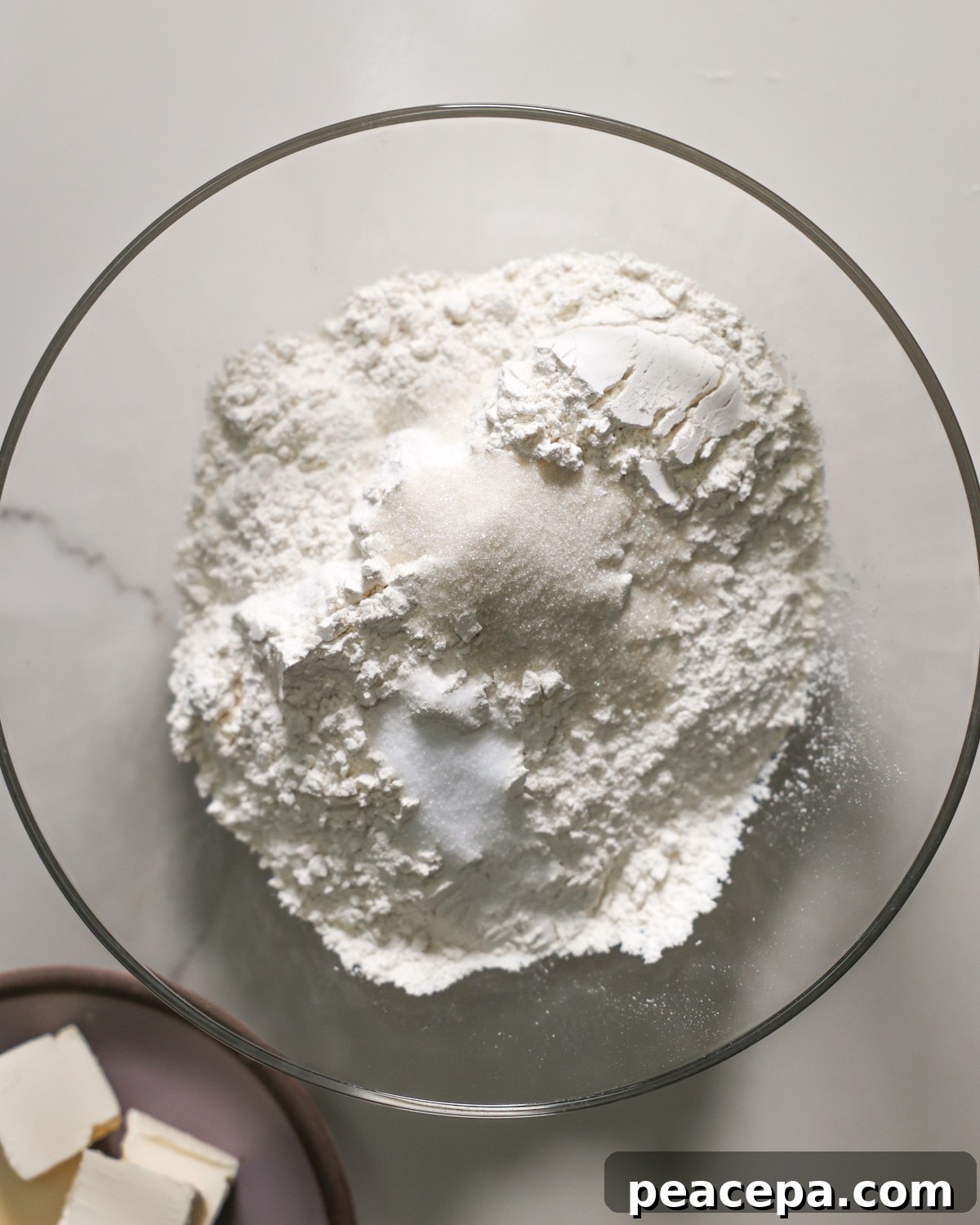
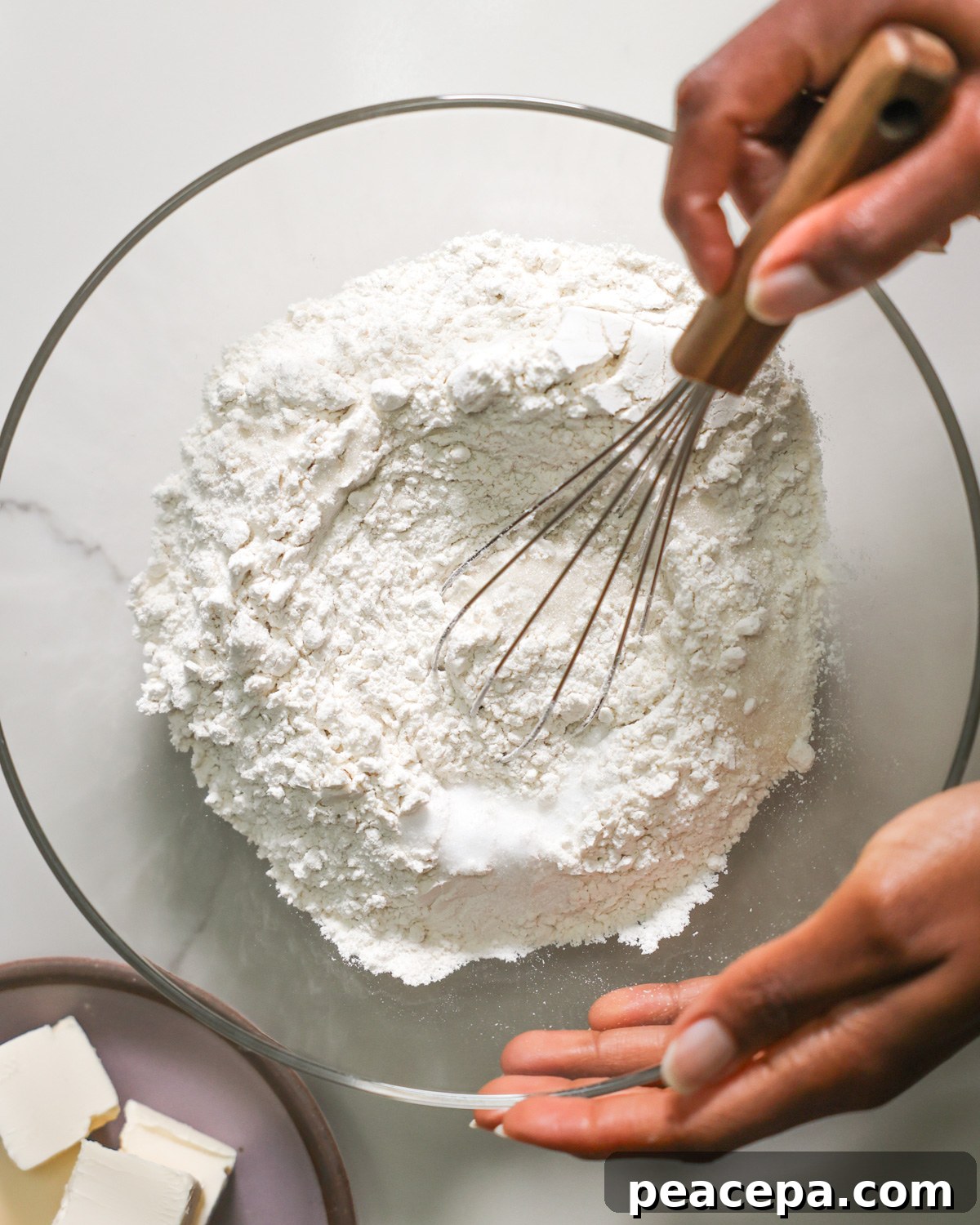
- Prepare dry ingredients. Whisk together flour, sugar, and salt in a large bowl until evenly combined.
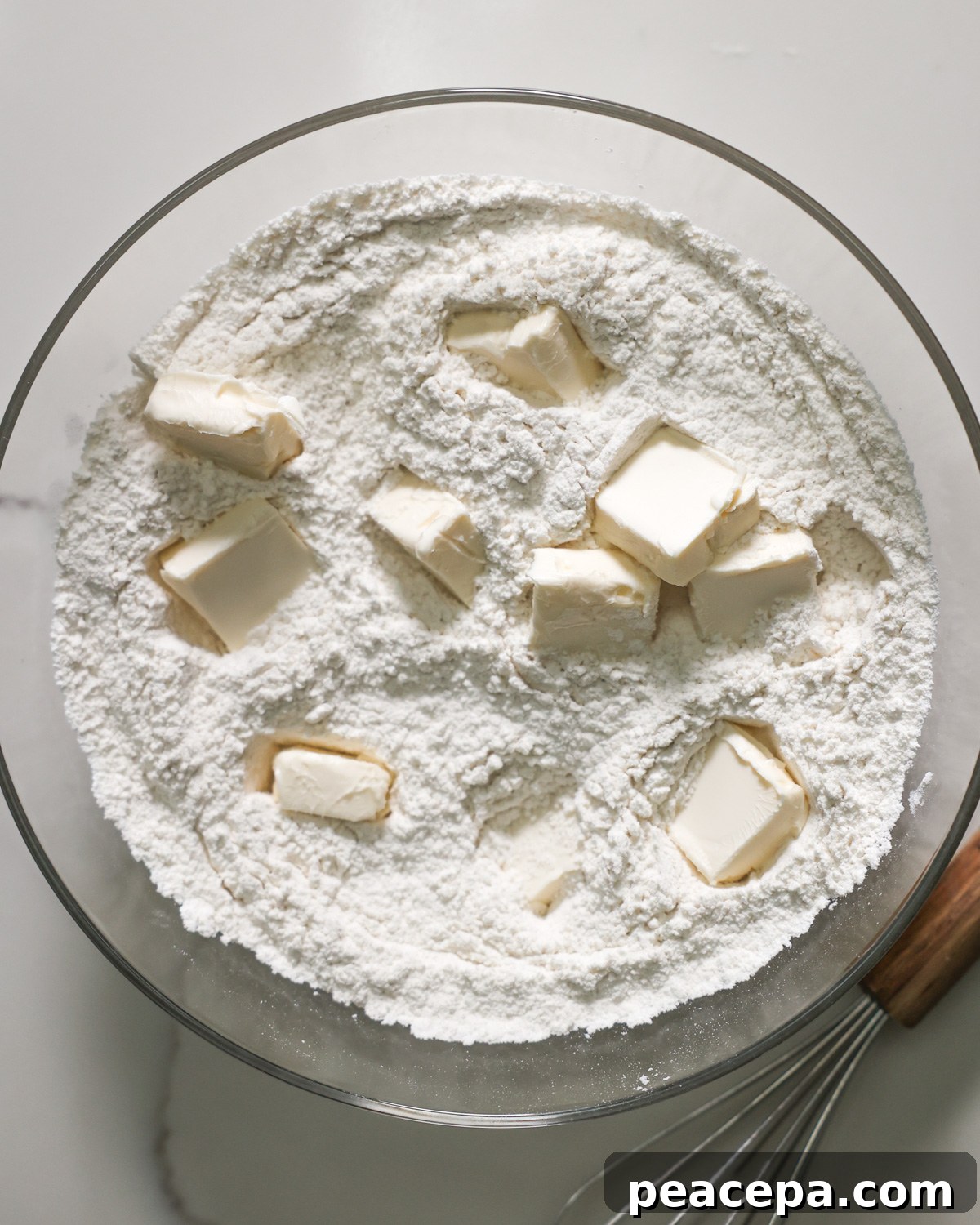
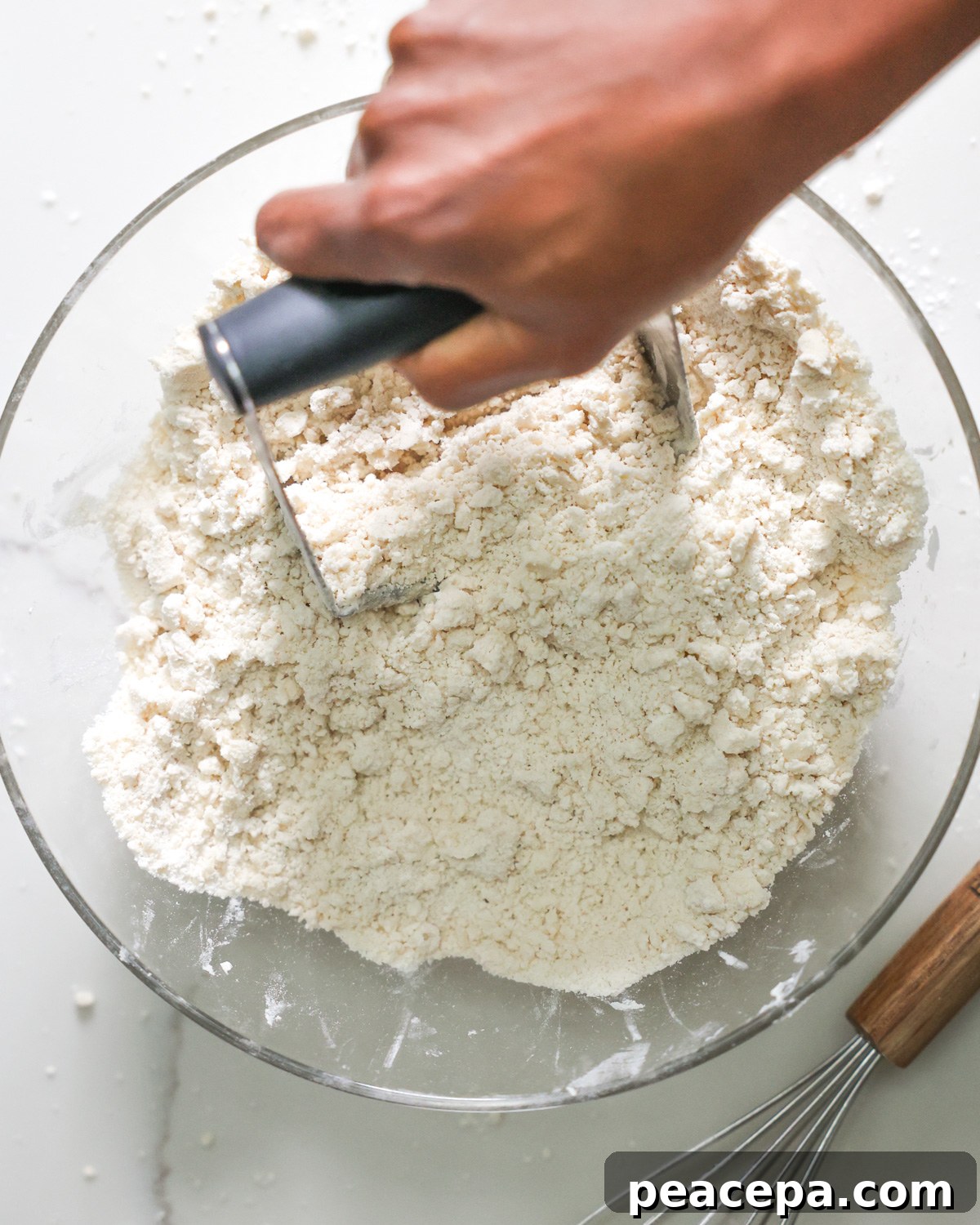
- Add the butter. Cut cold vegan butter into small cubes and use a pastry cutter (or two knives or a food processor) to cut it into the flour until the mixture resembles coarse, pea-sized crumbs.
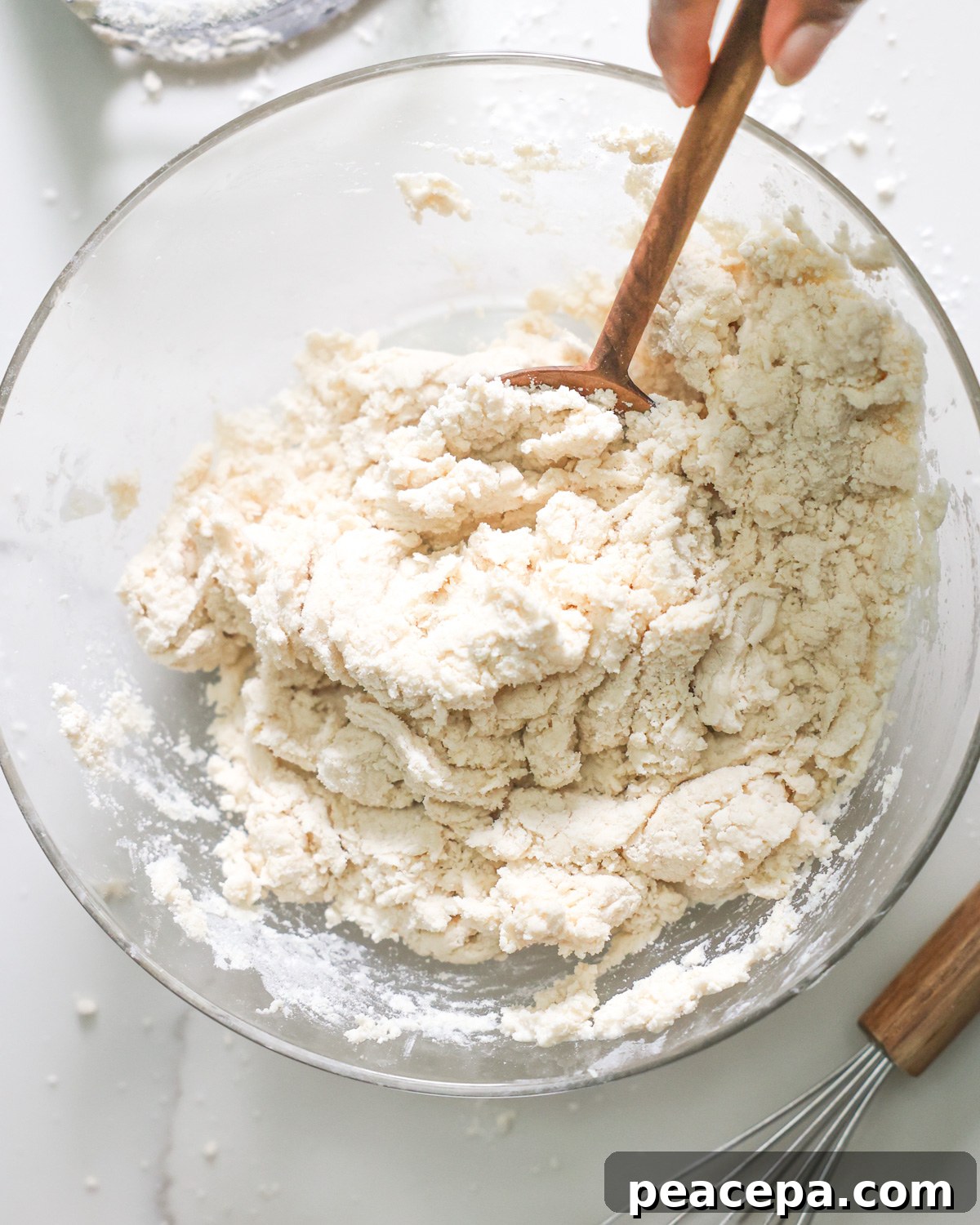
- Add ice water. Sprinkle ice-cold water over the mixture, two tablespoons at a time, stirring until the dough just starts to hold together. Use a wooden spoon or your hands—avoid adding too much water.
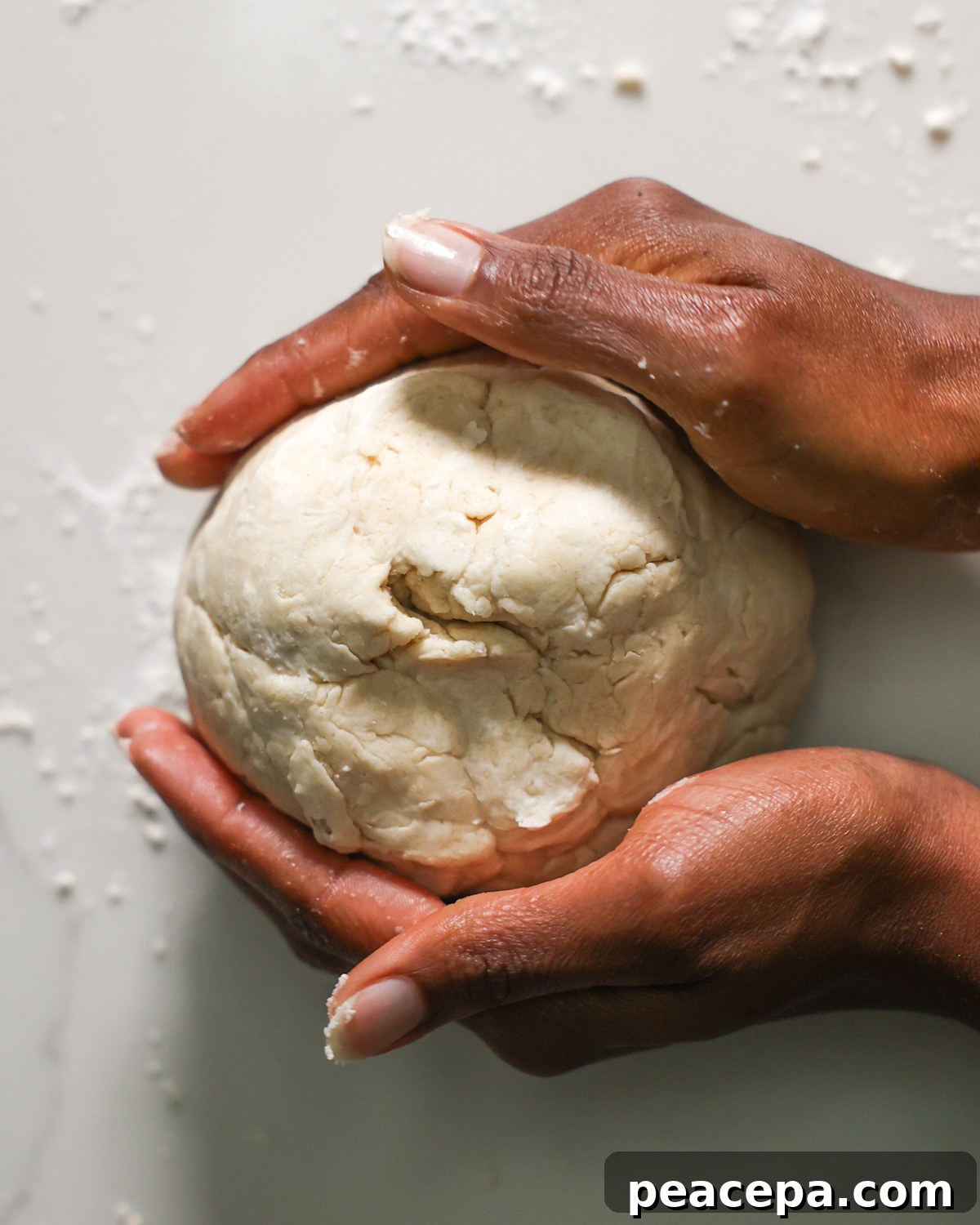
- Form the dough. Gather the mixture into a ball, divide it in two, and shape each half into a flattened disc. Wrap tightly in plastic wrap or parchment.
- Refrigerate. Chill the wrapped dough for at least one hour to firm up the fat and make rolling easier.
- Rest briefly before rolling. Remove from the fridge and let the dough sit 10 minutes at room temperature so it’s pliable but still cool.
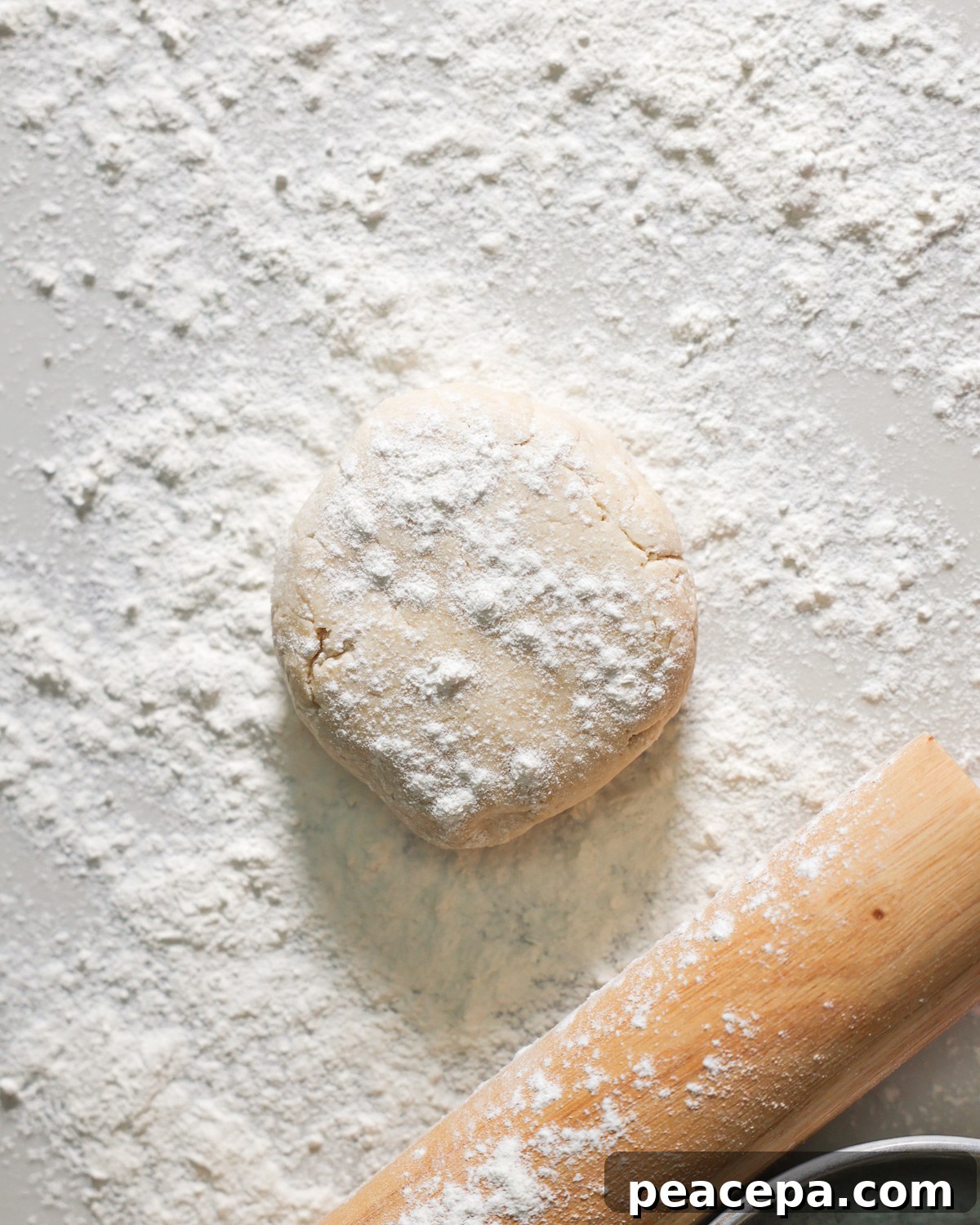
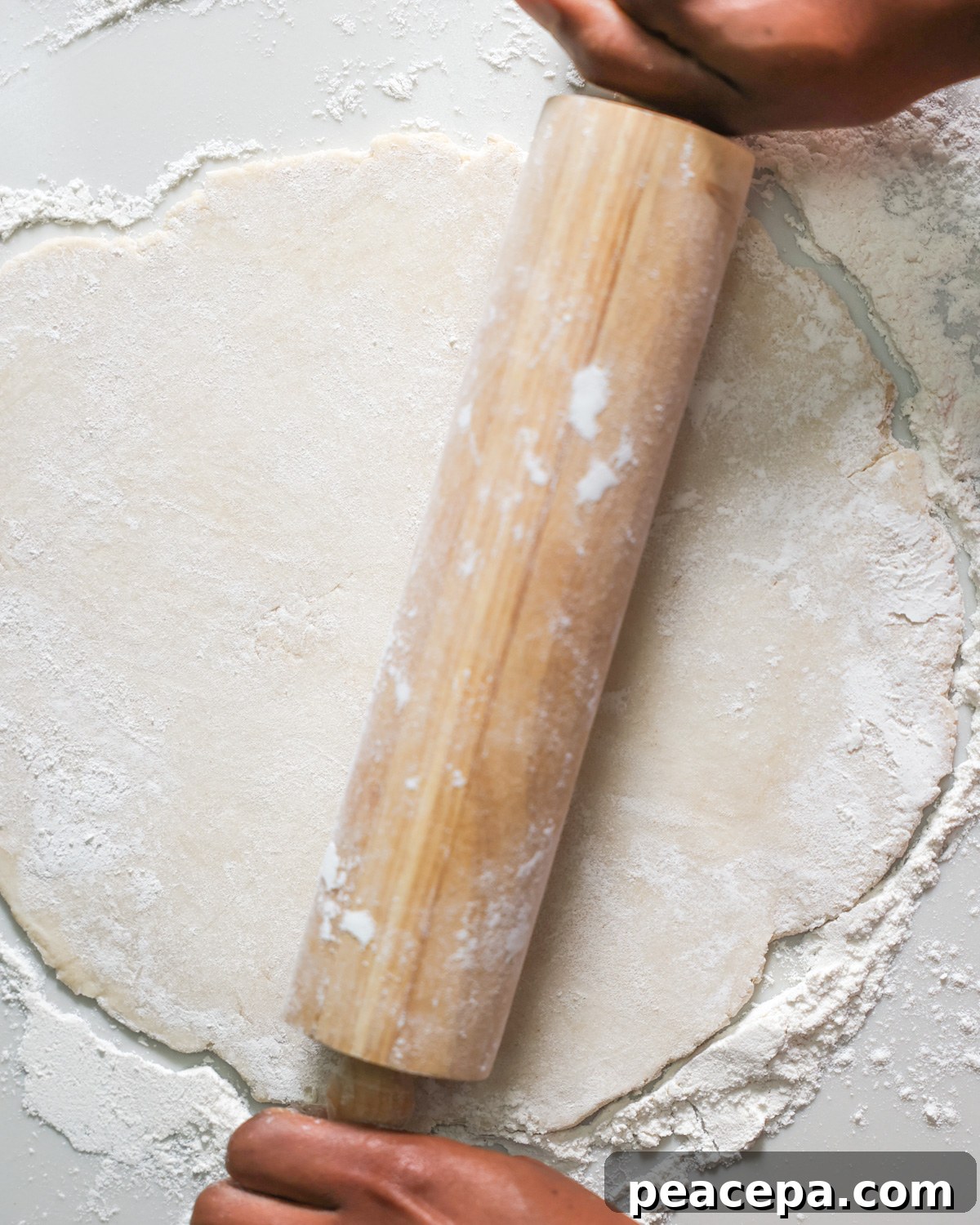
- Roll out the dough. Lightly flour a clean surface or use parchment. Roll one disc to about 1/8-inch thickness with a 1-inch overhang for most pie dishes. To lift the dough, roll it onto the pin and transfer it over the dish, then unroll.
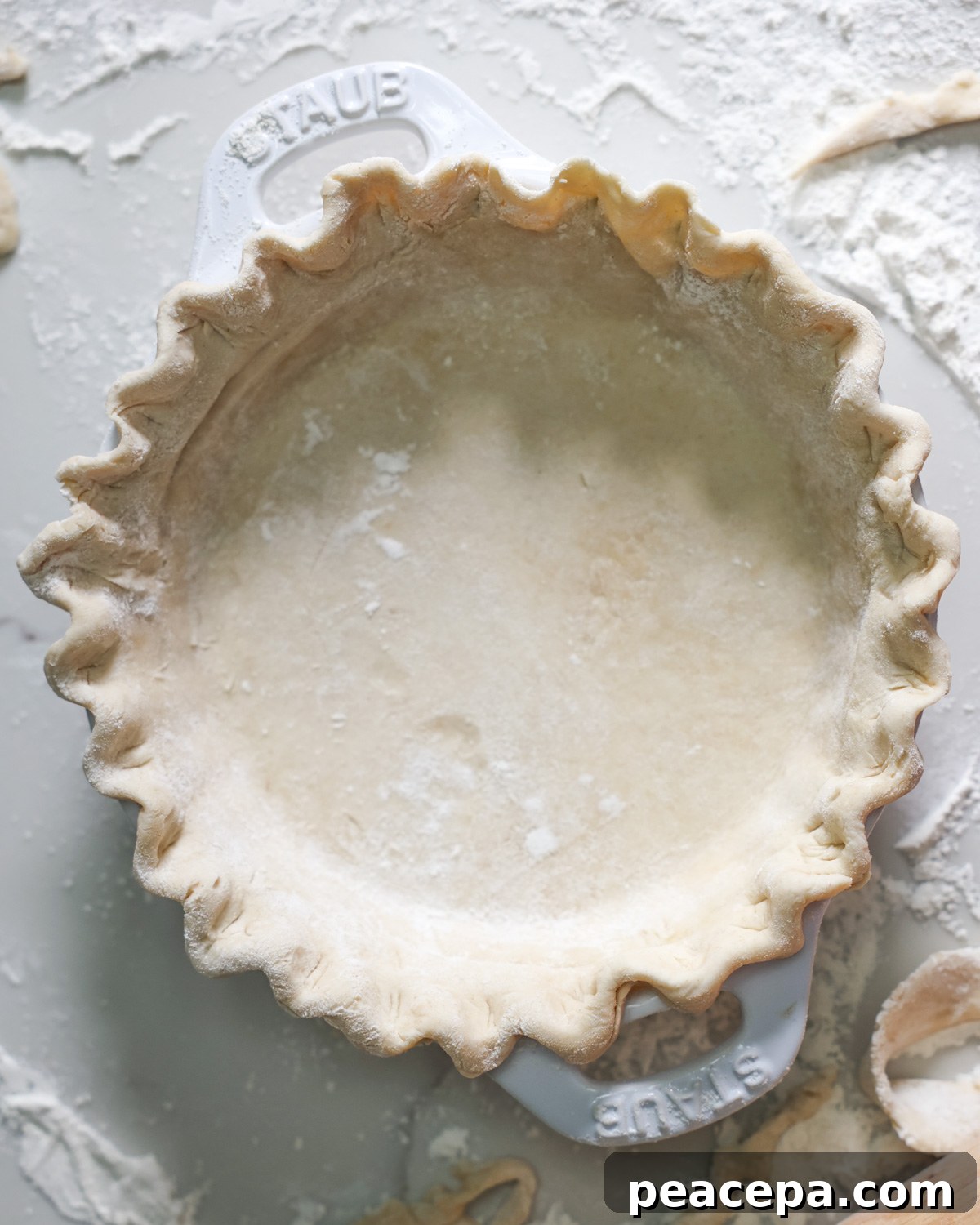
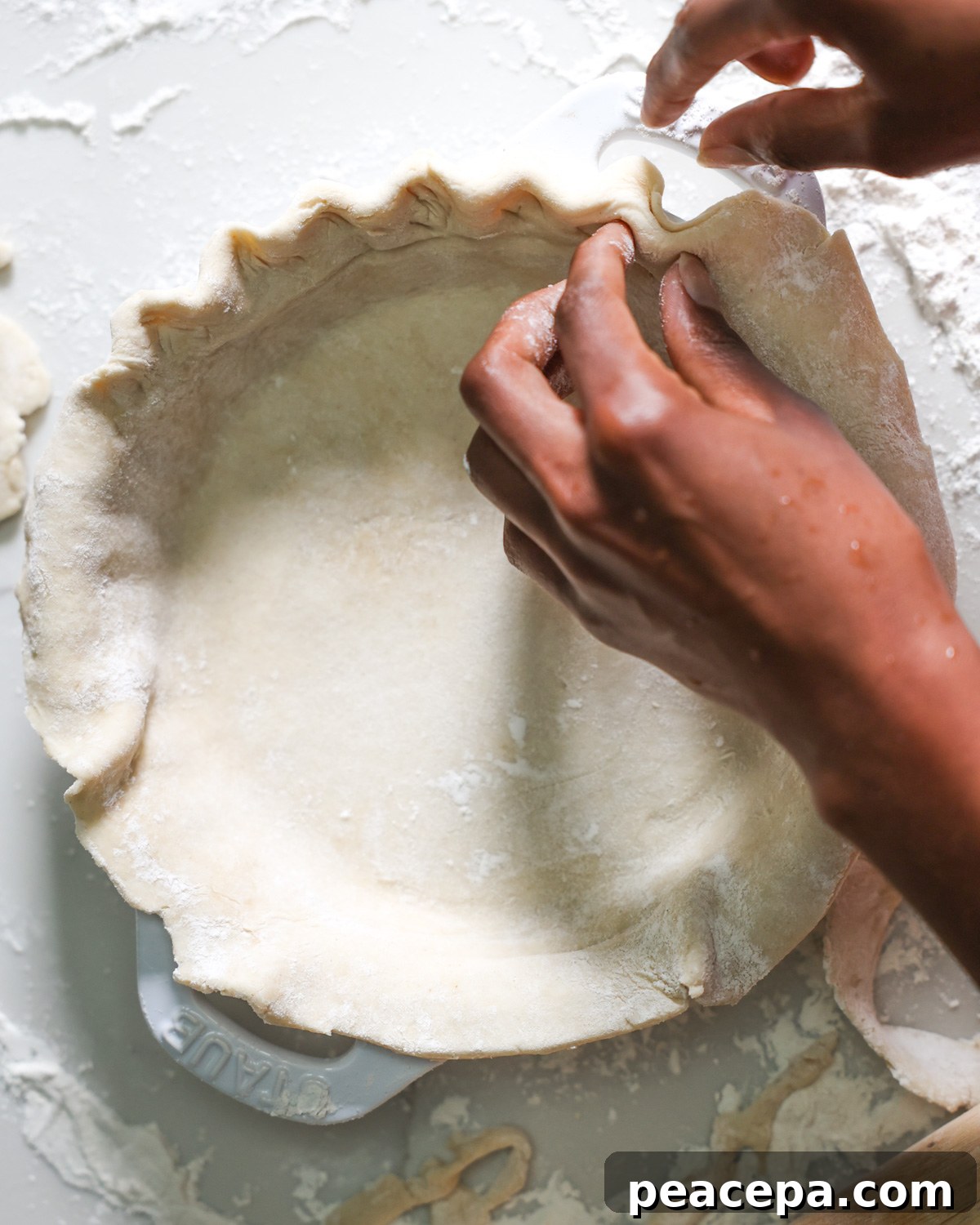
- Fit and trim. Gently press the dough into the dish, trim excess leaving about an inch, and crimp the edges. Continue with your pie filling or add a top crust if required.
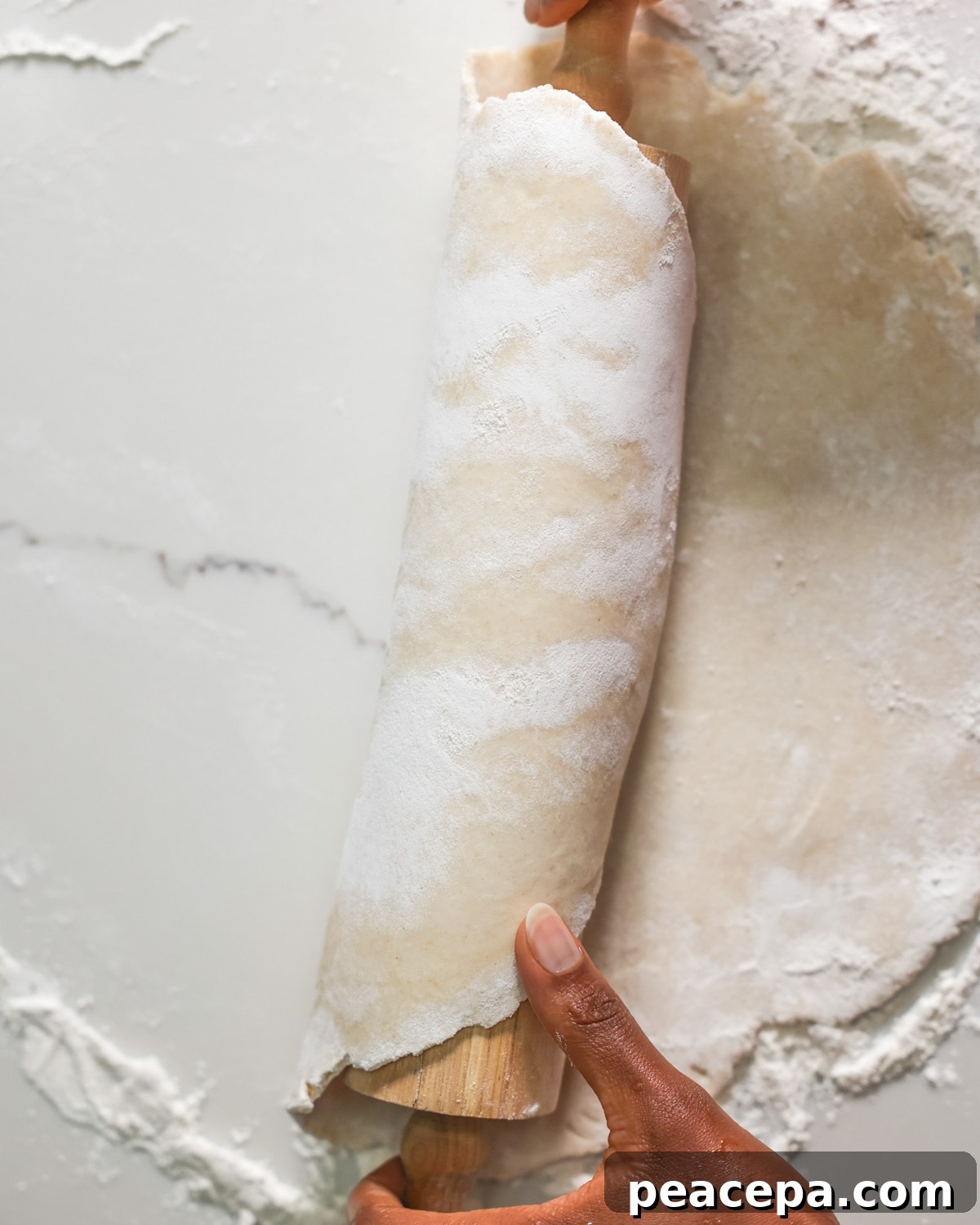
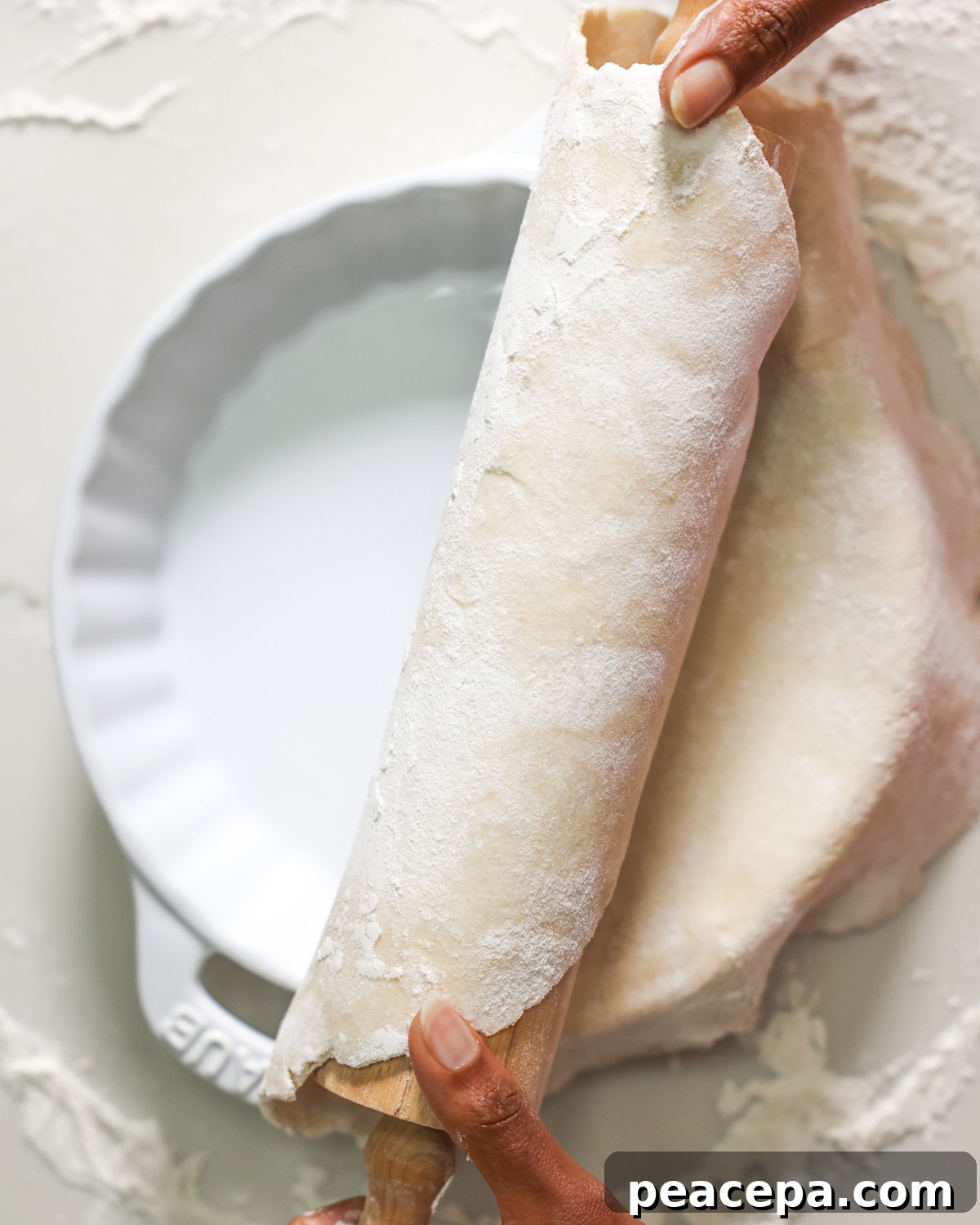
- Bake as directed. Follow your pie recipe’s baking instructions. If a pre-baked crust is required, blind-bake as described in the next paragraph.
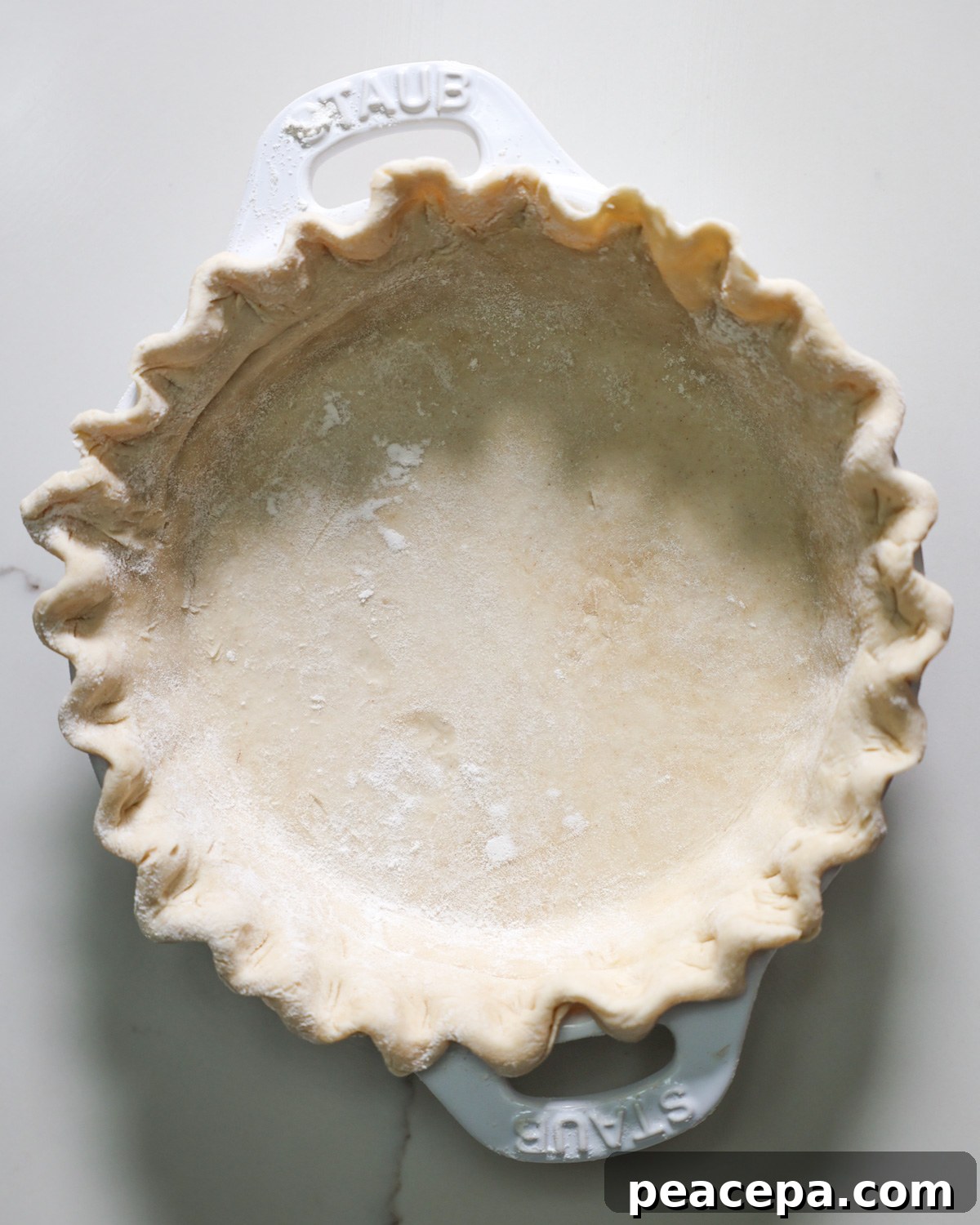
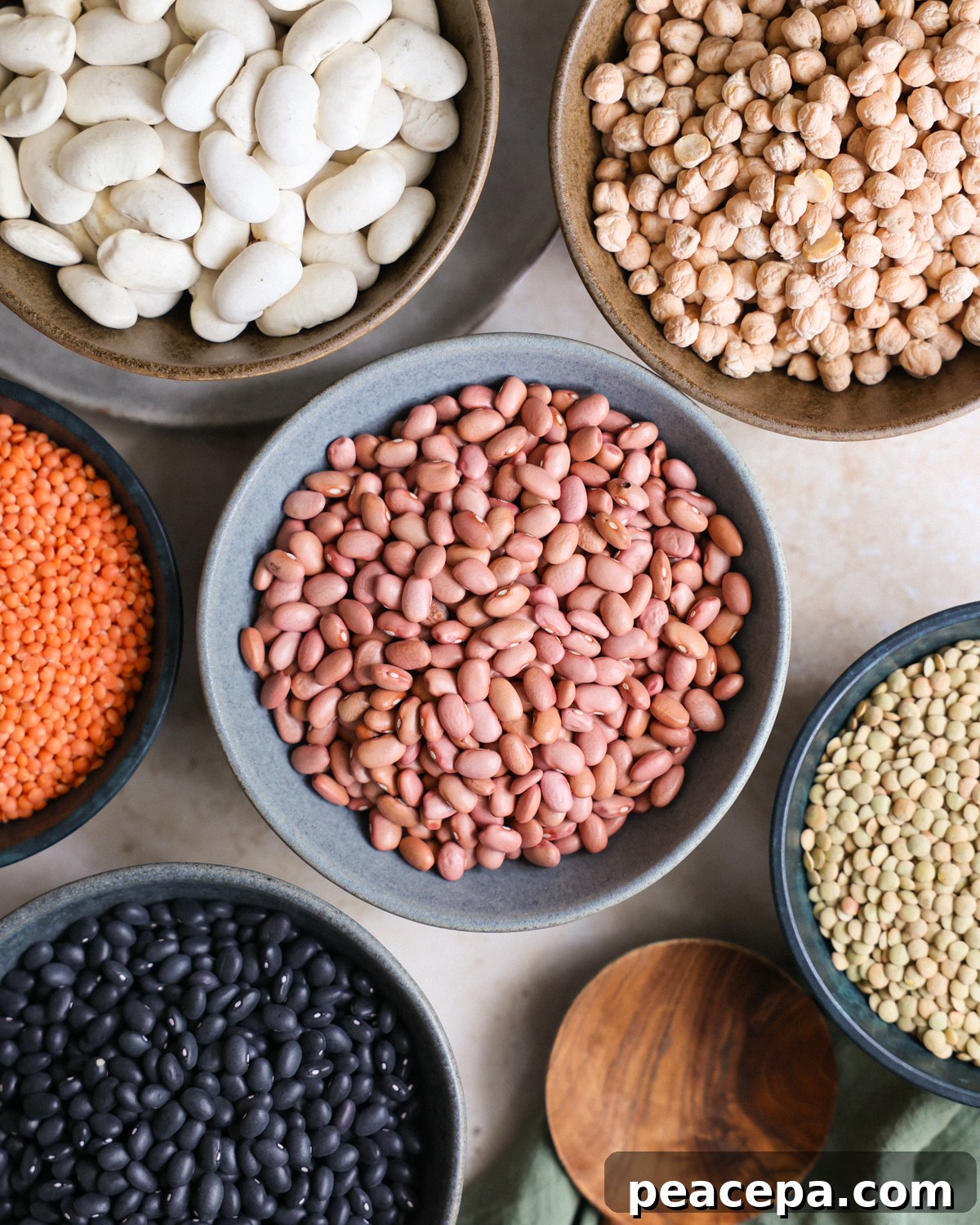
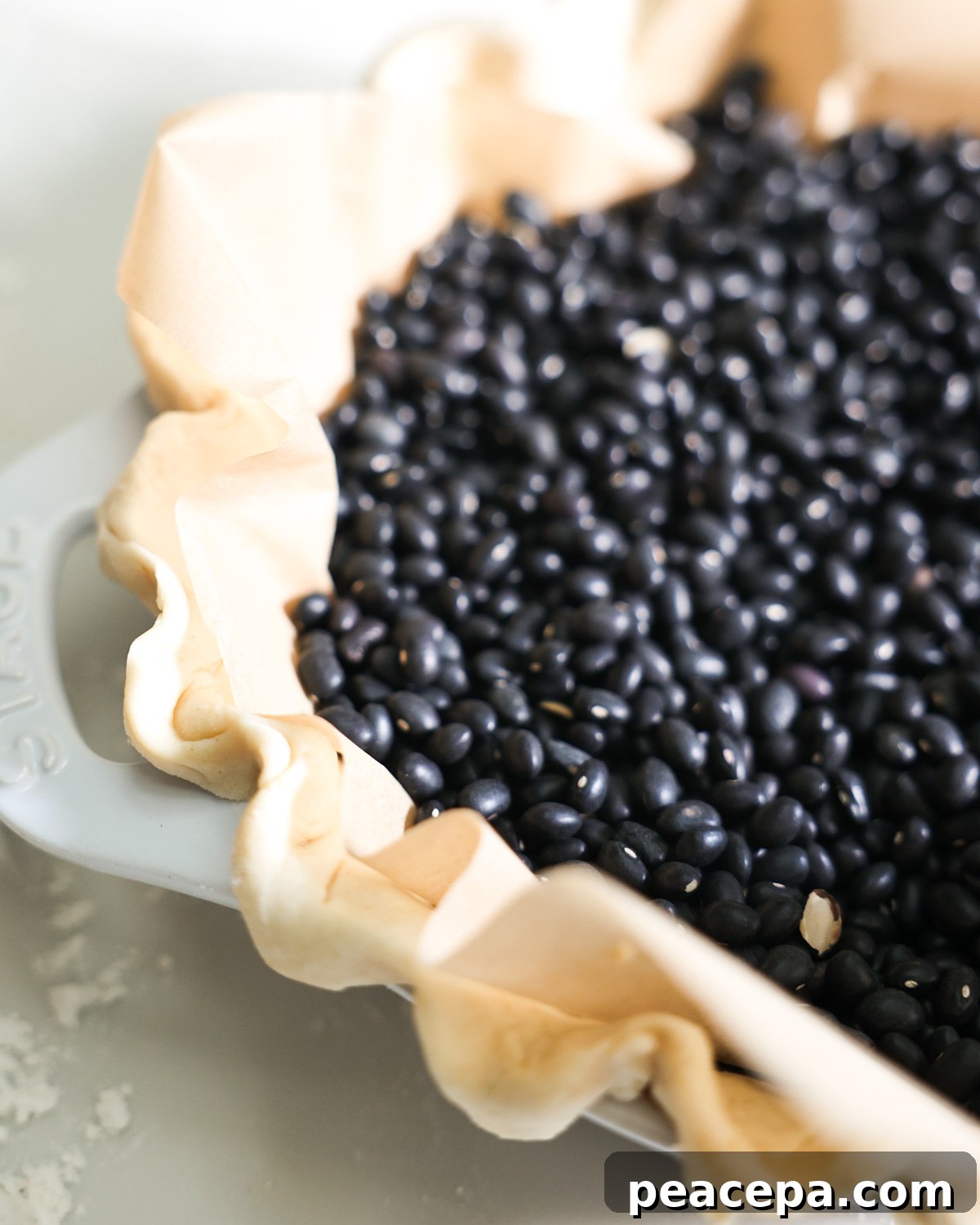
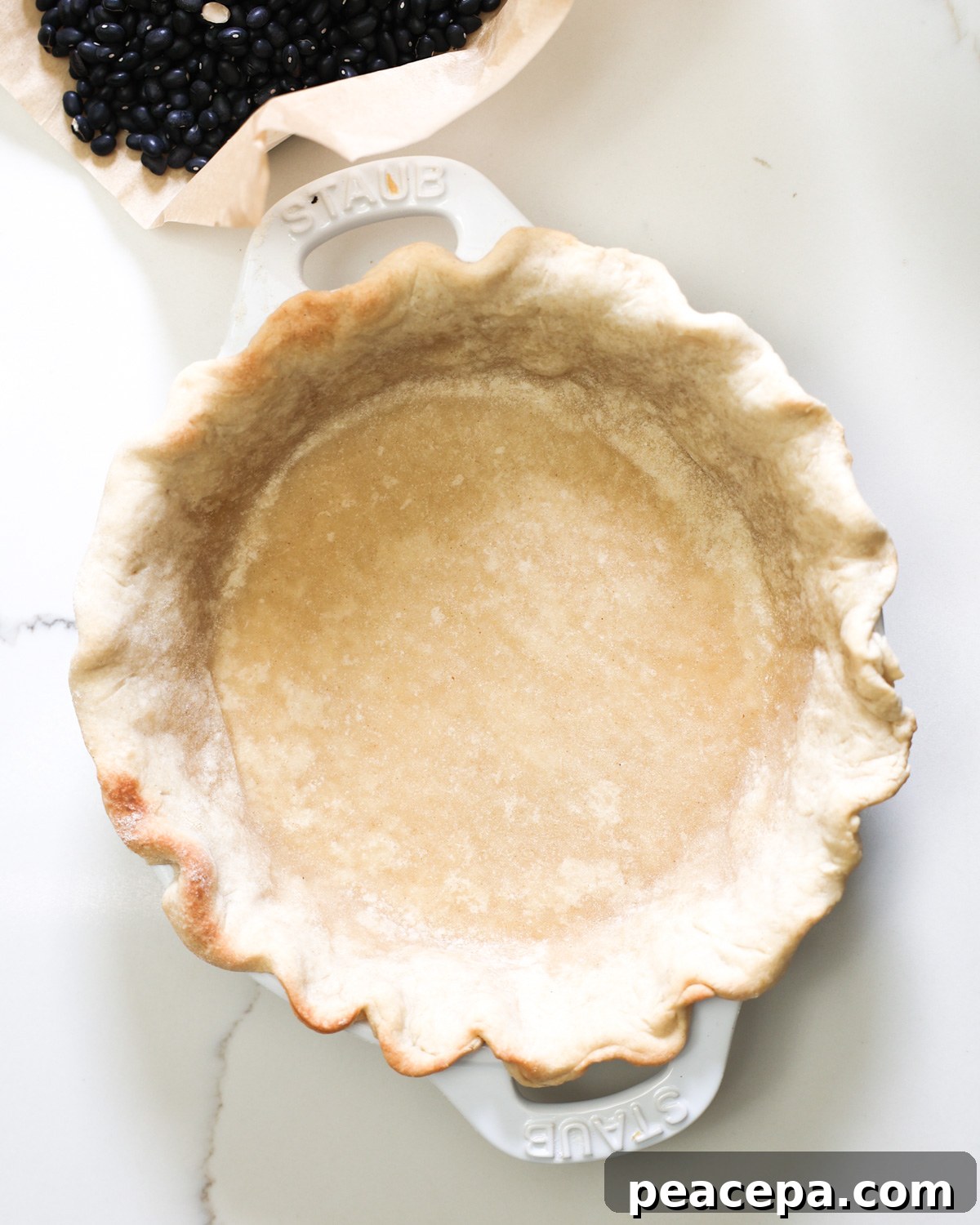
Optional—Blind baking: Line the shaped crust with parchment or foil and fill with pie weights, dried beans, or uncooked rice to keep the base flat. Bake at 375°F (190°C) for 15–20 minutes until the edges are golden, remove weights and liner, then bake 5–10 minutes more until cooked through. Cool completely before adding fillings.
Recipe Pro-Tips
- Keep ingredients cold. Cold butter and water are key to flaky layers.
- Don’t overwork the dough. Mix just until it holds together to avoid gluten development and a tough crust.
- Use a food processor if desired. Pulse flour, salt, and sugar, add cold butter until crumbly, then pulse in ice water until the dough just comes together.
- Lightly flour your rolling pin. This prevents sticking when rolling out the crust.
Recipe Variations
This basic vegan crust adapts easily to different tastes and dietary needs.
- Gluten-free: Substitute a 1:1 gluten-free flour blend. If the blend lacks xanthan gum, add about ½ teaspoon to help bind the dough.
- Sweet crust: Increase sugar to 2 tablespoons and add a pinch of cinnamon for fruit pies.
- Savory crust: Omit sugar and stir in 1 teaspoon dried herbs such as thyme or rosemary for quiches and pot pies.
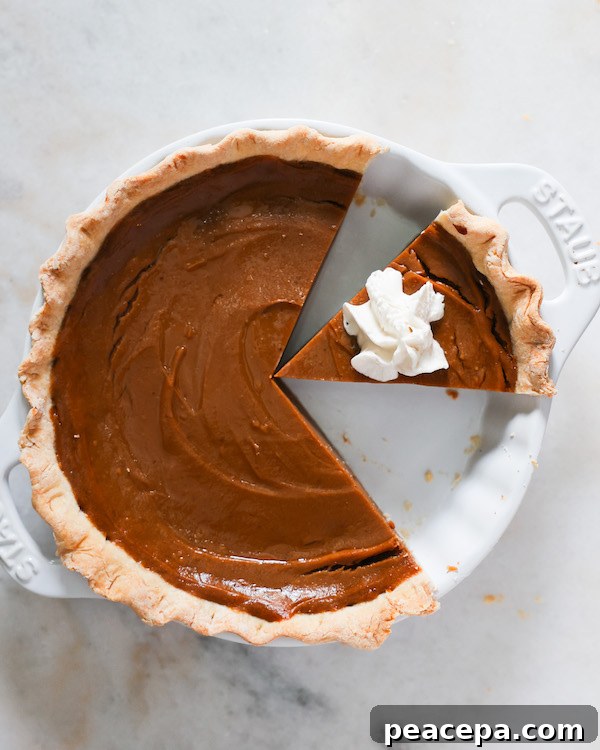
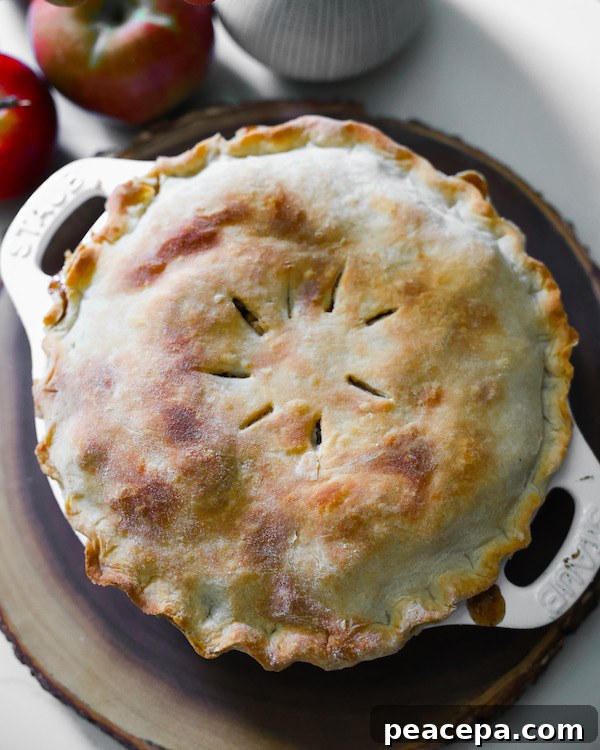
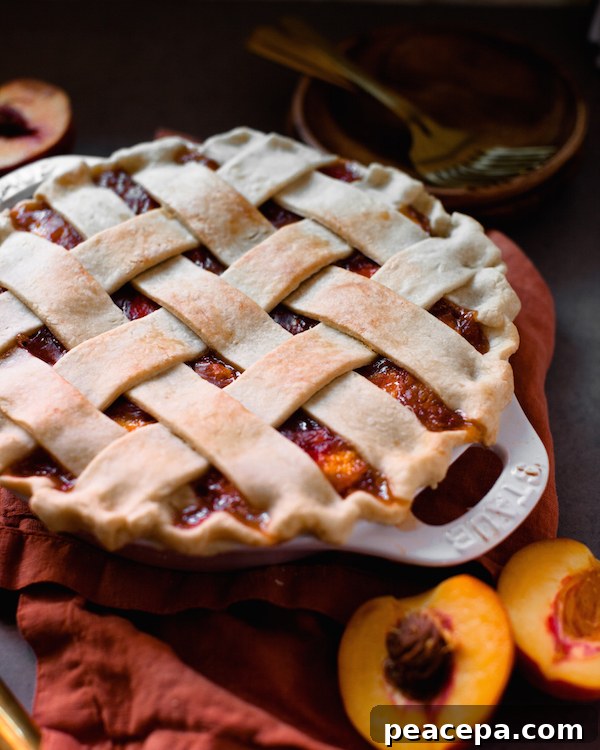
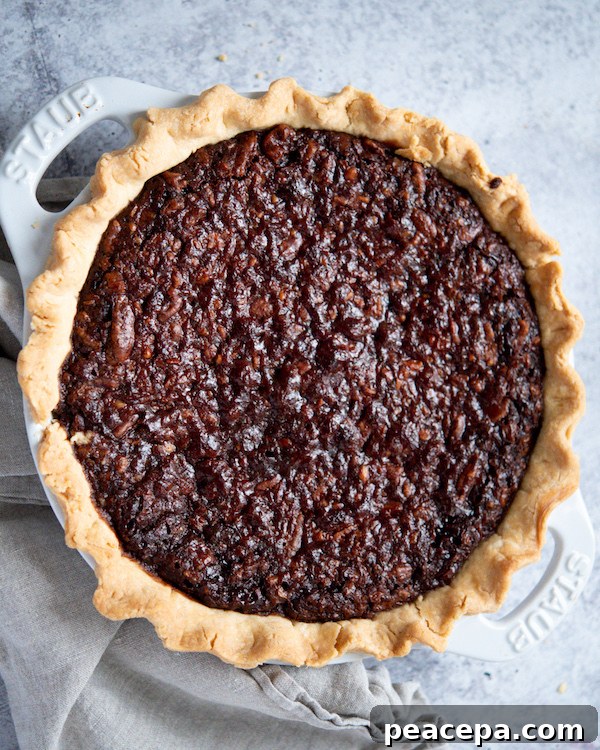
Serving Suggestions
This crust is a reliable base for many pies. It pairs well with classic fillings such as sweet potato, peach, apple, pumpkin, or chocolate pecan.
Storage Directions
- Refrigerate: Keep unbaked dough wrapped tightly and stored in an airtight container for up to 2 days. Let it sit 20 minutes at room temperature before rolling.
- Freeze: Wrap well and store in a freezer-safe container for up to 3 months. Thaw overnight in the refrigerator, then let stand 20 minutes at room temperature before using.
Frequently Asked Questions
Traditional pie crusts often contain butter or lard, but this recipe is fully vegan, using only plant-based ingredients.
Chill the dough after fitting it into the pie dish and avoid stretching it when placing it in the pan. Proper chilling and minimal handling reduce shrinkage during baking.
More Vegan Dessert Recipes
- Crustless Vegan Pecan Pie
- Banana Mochi Cake
- Sweet Potato Cake
- Raw Coconut Carrot Cake
- Vegan Pound Cake
Recipe Card
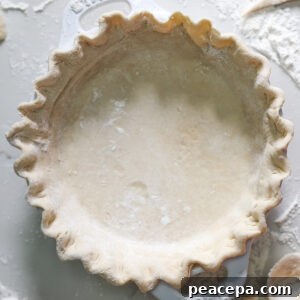
Flaky Vegan Pie Crust
Equipment
- Pastry Cutter (or food processor)
Ingredients
- 2 ½ cups all-purpose flour
- 1 teaspoon salt
- 1 tablespoon granulated cane sugar
- ½ cup + 2 tablespoons vegan butter (cold)
- ¾ cup ice cold water
Instructions
- Combine flour, salt, and sugar in a bowl and whisk to mix.
- Add cold cubed vegan butter and cut into the flour until the mixture resembles coarse, pea-sized crumbs.
- Slowly add ice water, 2 tablespoons at a time, stirring until the dough just starts to come together.
- Form the dough into two tight balls, flatten slightly, and wrap tightly in plastic or parchment.
- Chill in the refrigerator for at least one hour.
- Let chilled dough sit 10 minutes before rolling so it softens slightly.
- Roll out to 1/8-inch thickness and transfer into a pie dish. Trim and crimp edges, then bake according to your pie recipe.
- Optional blind baking: line with parchment or foil, fill with weights, bake 15–20 minutes at 375ºF, remove weights, then bake 5–10 minutes more until fully baked.
Notes
Storage:
- Refrigerate: Wrap unbaked dough tightly and keep in an airtight container for up to 2 days. Let it soften 20 minutes before rolling.
- Freeze: Freeze wrapped dough up to 3 months. Thaw in the fridge overnight, then rest 20 minutes at room temperature before rolling.
Pro Tips:
- Keep ingredients cold for the best flakiness.
- Mix only until the dough holds together to avoid toughness.
- A food processor speeds the process—pulse until just combined.